







Showcase your capabilities
If you design, build or supply Anti Jam Antennas, create a profile to showcase your capabilities and connect with visitors who have an active requirement for your solutions.




Manufacturers of anti-jamming GPS antennas for unmanned systems, including suppliers of CRPA antennas for drones, UAV, and USV
Read the Technology Overview





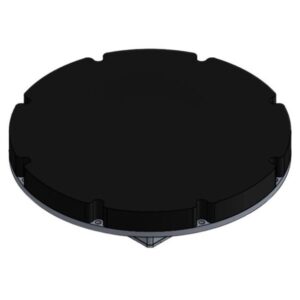
Next-Generation CRPA-Based GNSS Anti-Jamming & Interference Mitigation Solutions for Ultra-Reliable UAV & Umanned Systems Navigation

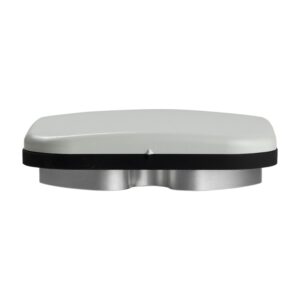
High-Precision GNSS Antennas for Defence, Maritime, Autonomous Systems & Critical Infrastructure

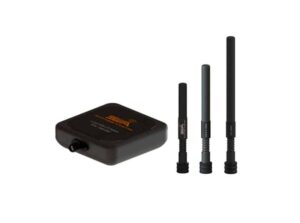
High Performance RF & Microwave Antennas for UAVs, Robotics, USVs and Unmanned Marine Vehicles

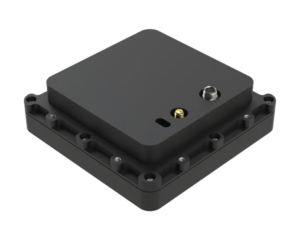
Inertial Navigation Sensors: MEMS IMU, Accelerometers, Gyroscopes, AHRS, GPS-INS & Point Cloud Generation

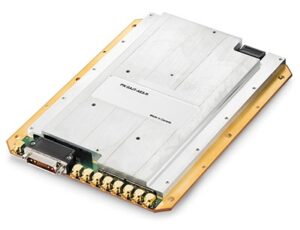
Precise Positioning for Unmanned Vehicles: GPS & GNSS Receivers, Antennas & Inertial Systems

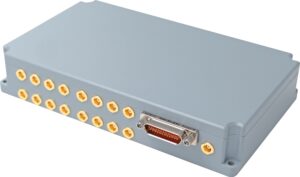
Anti-Jam GPS-GNSS Devices, Tactical Data Links, Telemetry Systems, Electronic Warfare Equipment & Flight Termination Systems

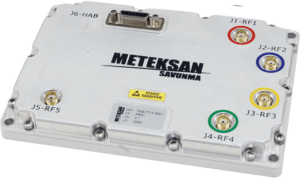
UAV Components: SAR, Radar Altimeter, Data Links, Telemetry, GNSS Products & C-UAS | Tactical USVs

If you design, build or supply Anti Jam Antennas, create a profile to showcase your capabilities and connect with visitors who have an active requirement for your solutions.

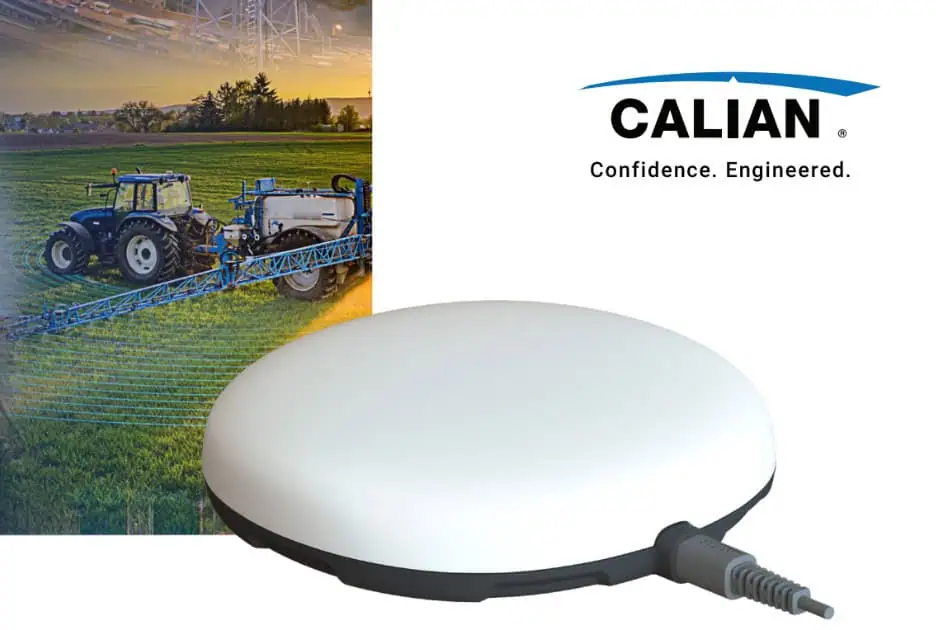
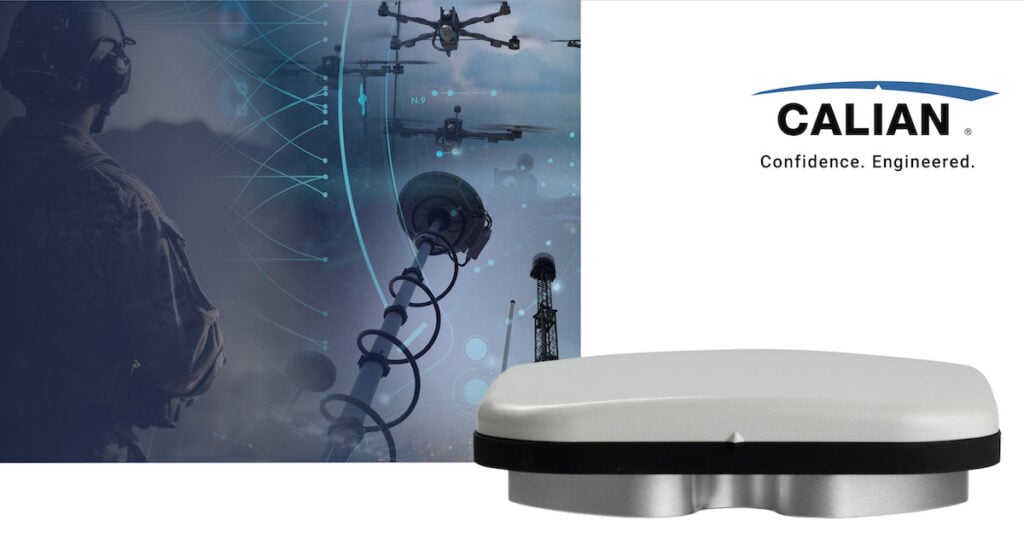
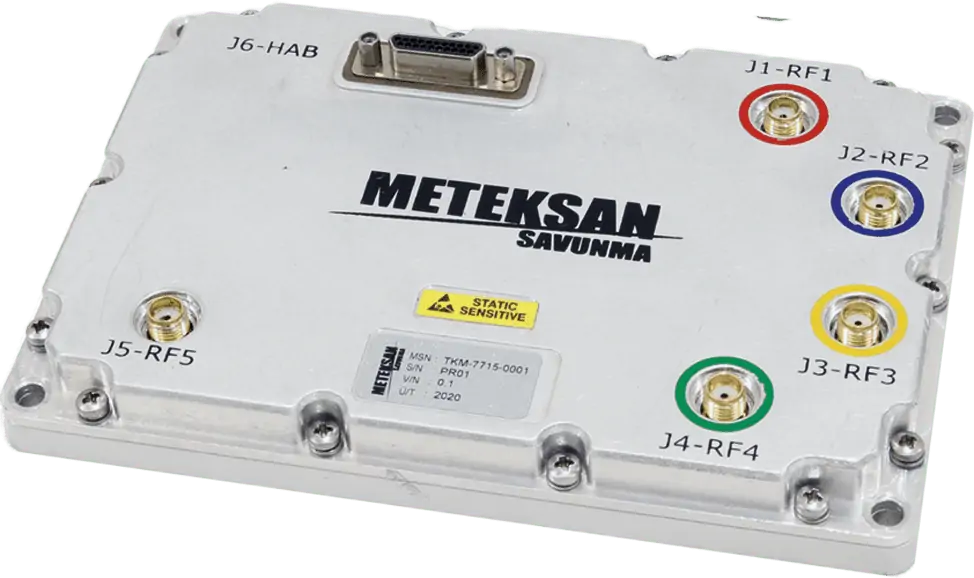
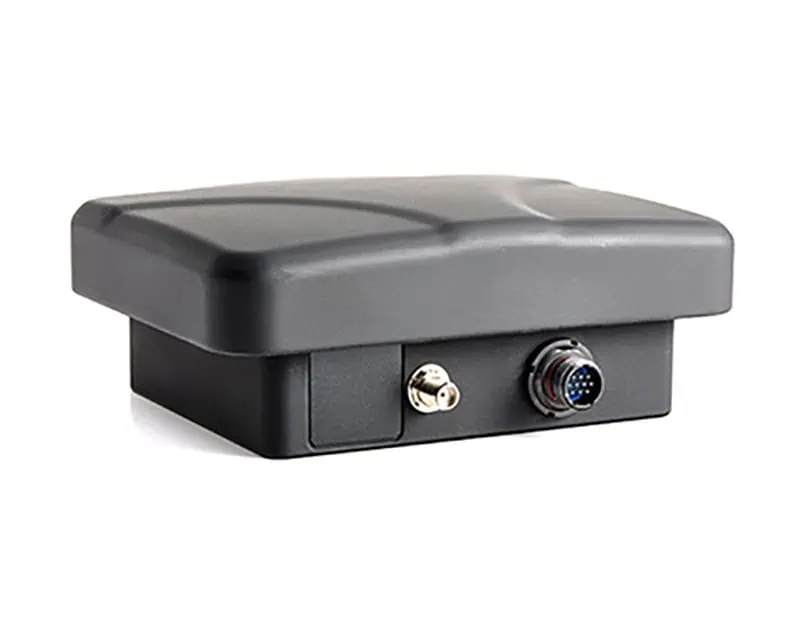
Anti-jam antennas form part of systems that are used to prevent or mitigate the effects of jamming devices that target GNSS receivers and signals such as GPS.
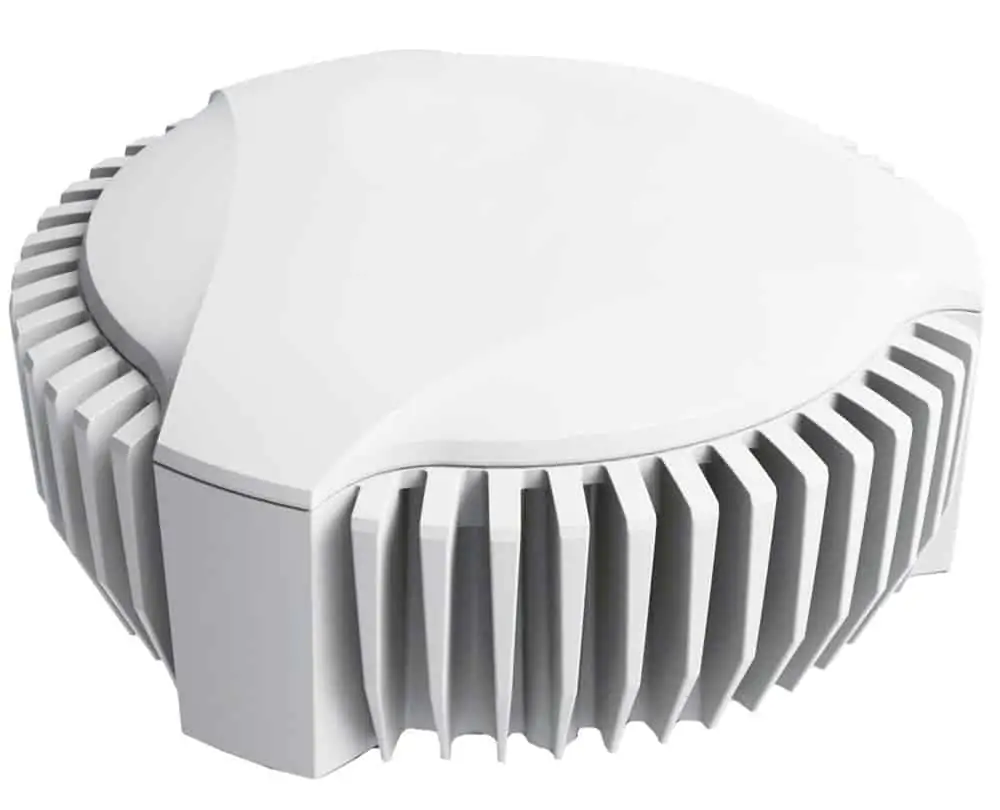
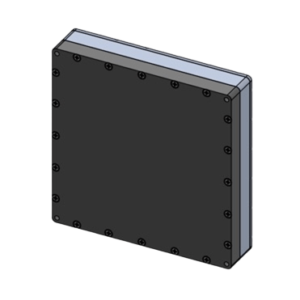
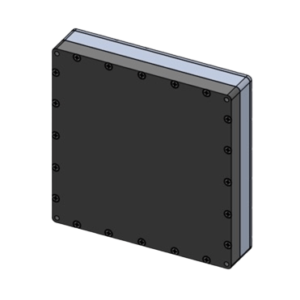
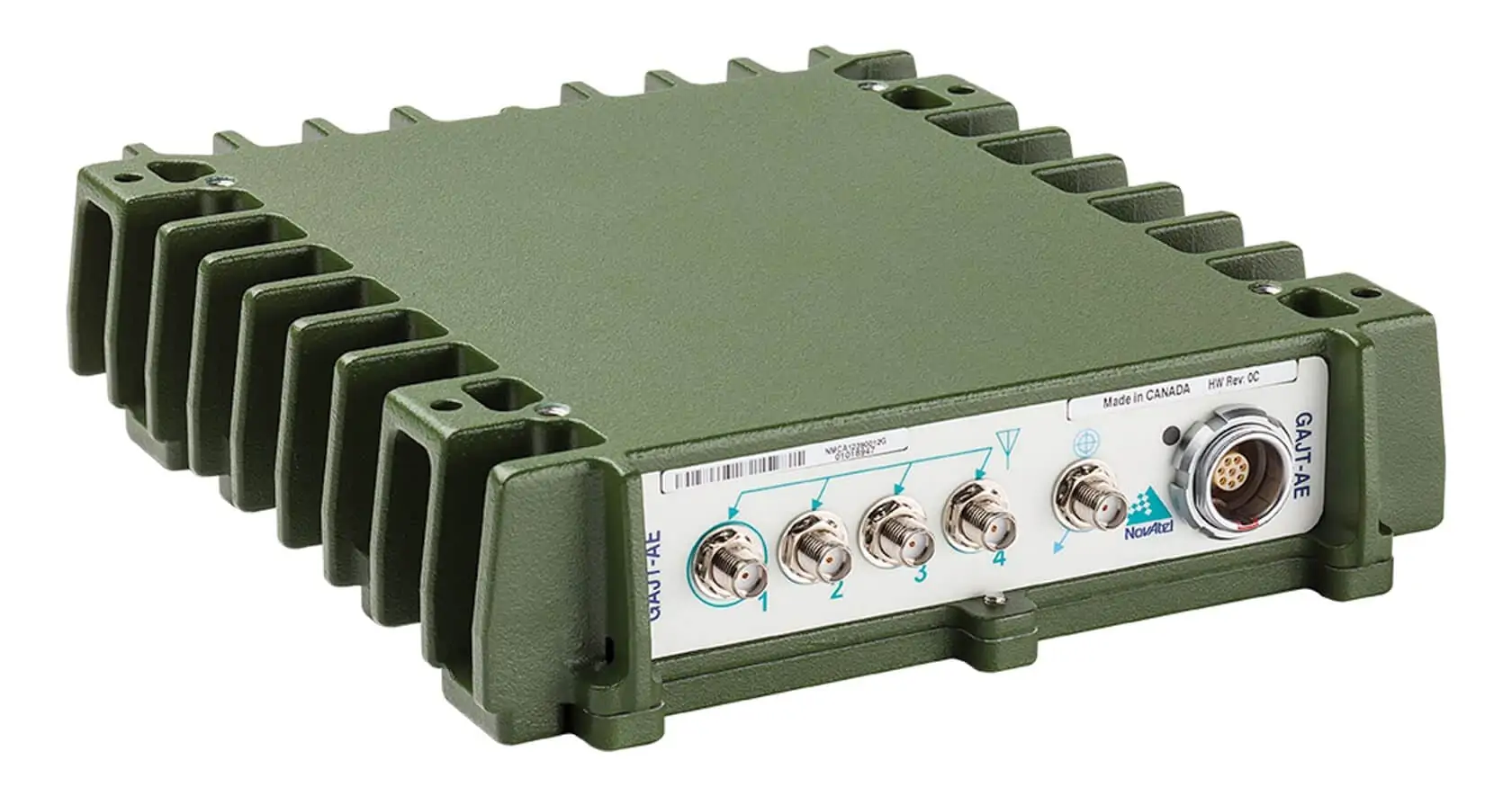
GAJT-710MS Anti-Jam Antenna by NovAtel
These GNSS signals are used by drones and unmanned vehicles for position, navigation and timing (PNT), typically via dedicated UAV GNSS antennas mounted on the platform. Their disruption can lead to less precise results or even the complete loss of tracking and positioning.
Jamming of GPS and GNSS systems is usually performed by broadcasting signals on the same frequencies that overpower the relatively weak signals broadcast by the satellites.
Many GPS anti-jamming antennas are CRPAs (Controlled Reception Pattern Antennas) that replace the standard GNSS receiver antenna. These antennas work by creating a reception pattern that maximizes the GNSS signal-to-noise ratio, using beam-steering to prioritize signals from the direction of the satellites and creating “nulls” in the direction of the interference. This technique takes advantage of the fact that GPS and GNSS jammers are likely to be located at lower angles of elevation than the satellites broadcasting the real GNSS signals.
Anti-jamming antennas may protect a range of different GNSS signals, including:
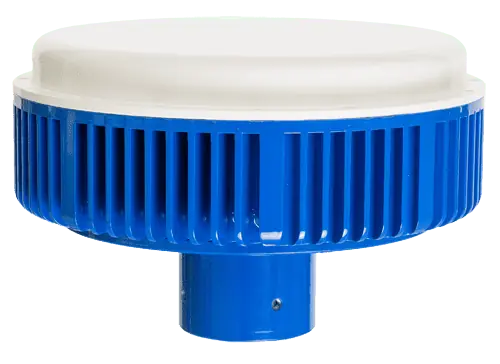
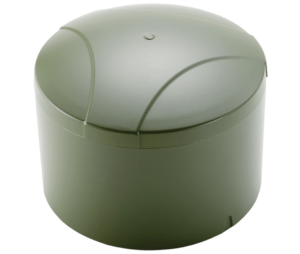
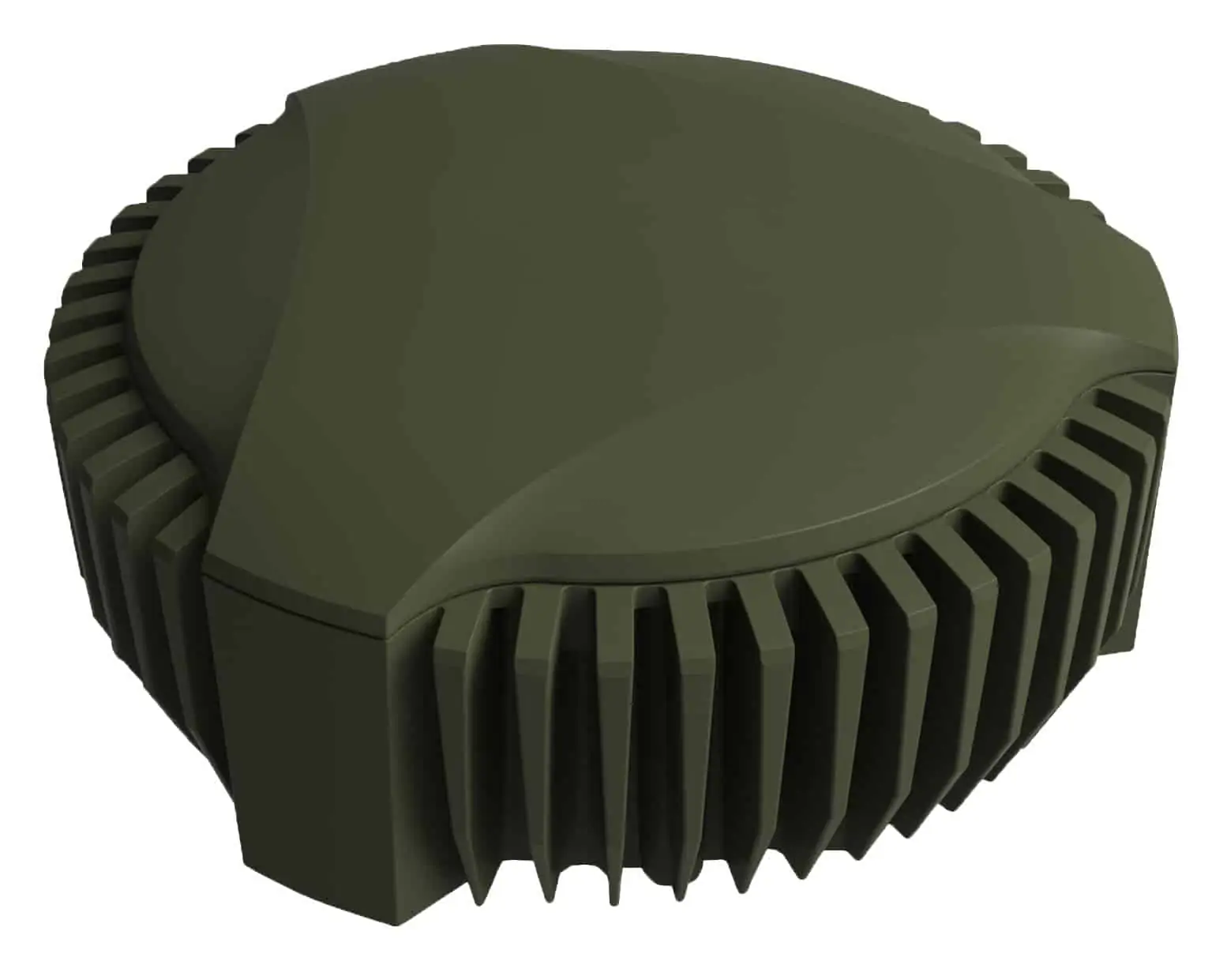
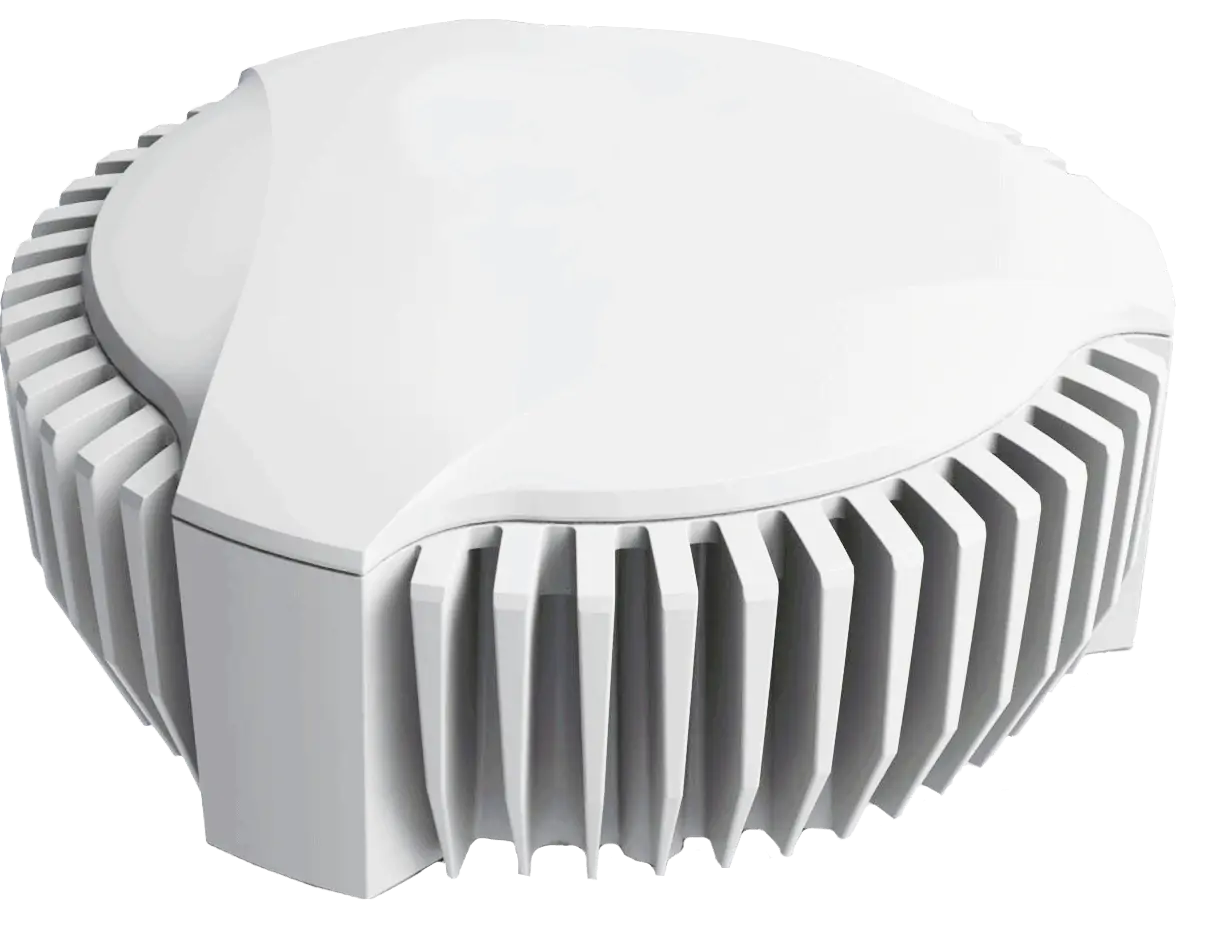
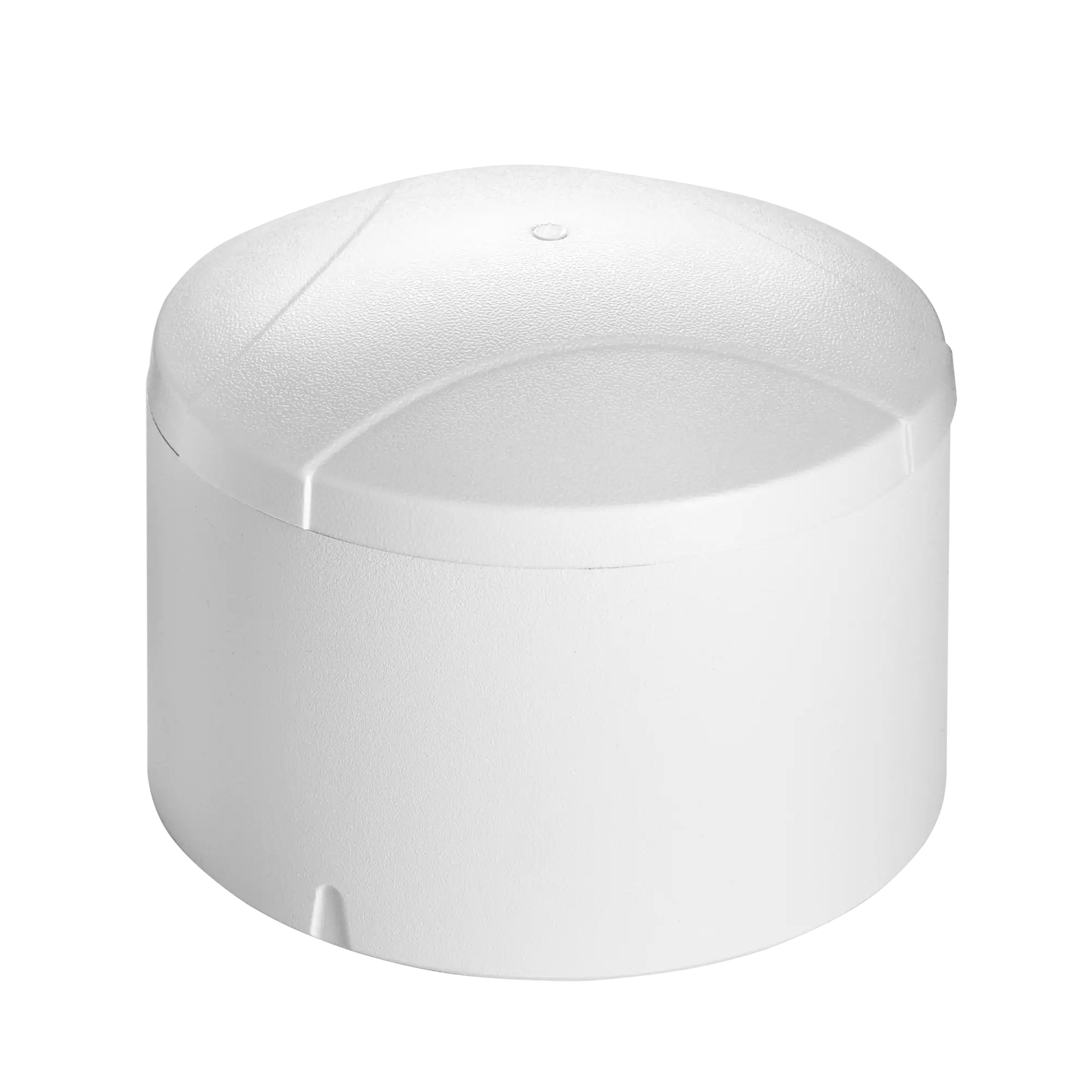
CRPA antenna GPS/GNSS anti-jamming system by TUALCOM
GPS L1 and L2,
They may also be compatible with M-code, an advanced GPS signal reserved for military users.
Ruggedized & SWaP Optimized
Anti-jamming antennas for UAVs (unmanned aerial vehicles), UGVs (unmanned ground vehicles), USVs (uncrewed surface vehicles) and other robotic platforms are typically designed to be SWaP (size, weight and power)-optimized.
They may be constructed with weather-proof designs rated to standards such as IP67 to allow them to operate in harsh environments, and may also feature marine hardening to protect them from salt spray and other sea conditions.


 Searching Companies & Products



 Subscribe to the Weekly eBrief
The latest engineering and technical developments straight to your inbox - join thousands of engineers who receive it.
Subscribe to the Weekly eBrief
The latest engineering and technical developments straight to your inbox - join thousands of engineers who receive it.