Find Synthetic Aperture Radar (SAR) manufacturers and suppliers of drone SAR radar for Unmanned Aerial Vehicles (UAV), including ISAR (Inverse) and InSAR (interferometric), multi-mode radar for long-distance monitoring
If you design, build or supply Synthetic Aperture Radar (SAR), create a profile to showcase your capabilities and connect with visitors who have an active requirement for your solutions.
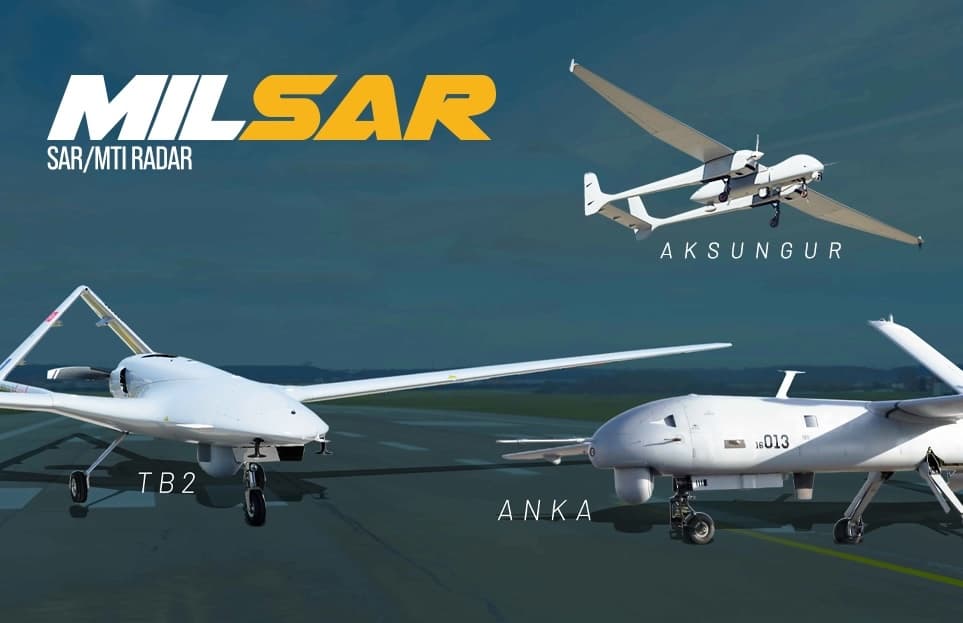
High-altitude Ku-band SAR/MTI radar for strategic ISR
High-altitude Ku-band SAR/MTI radar for strategic ISR
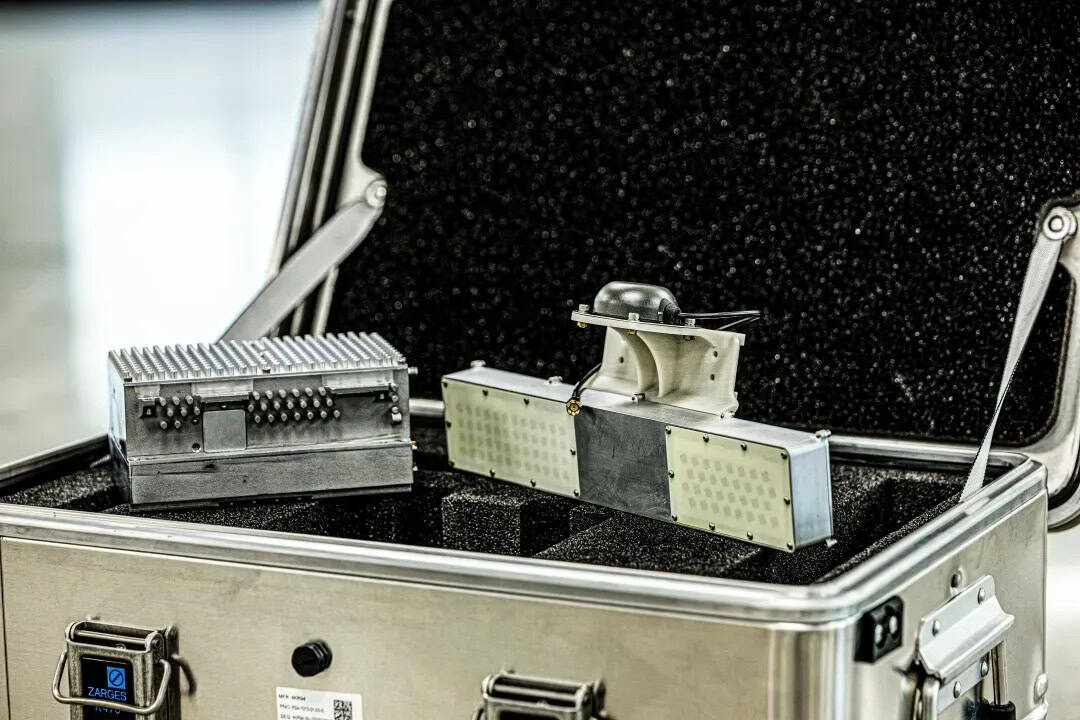
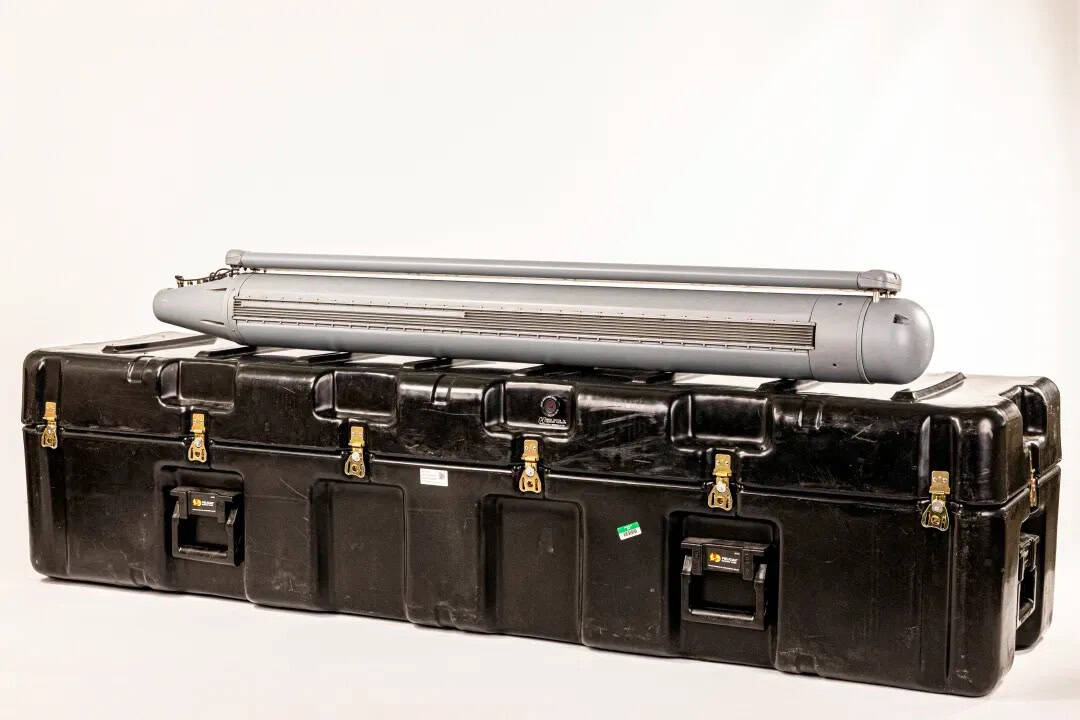
...timode SAR/MTIradar developed for high-altitude strategic ISR across Group 4–5 UAS and crewed... ......tion into established command-and-control ecosystems, including LISA 3D™ and radar control...
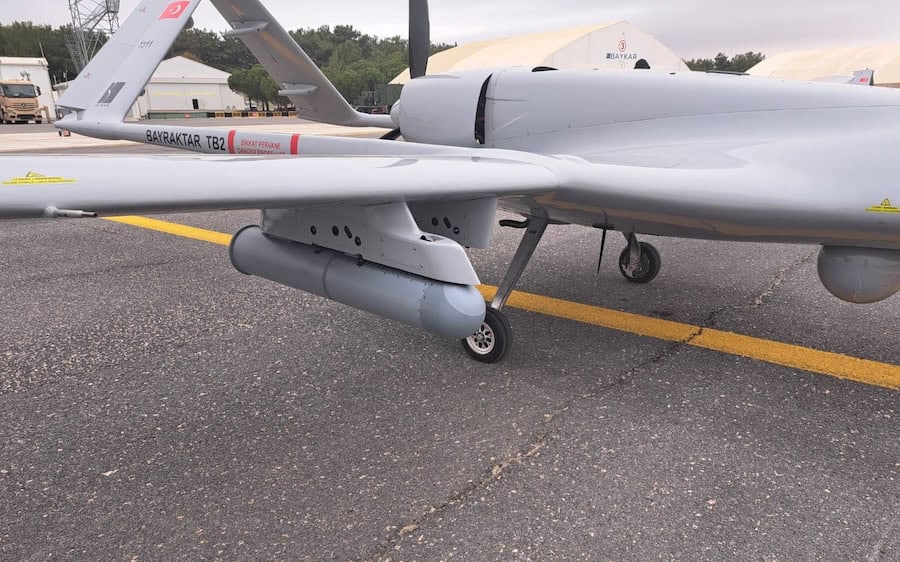
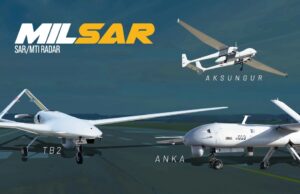
...MILSARSAR/MTIRadar provides UAVs with a versatile tactical ISR capability, featuring Moving Target... MILSARSAR/MTIRadar is designed to be used on airborne platforms for intelligence, surveillance,...
Synthetic aperture radar (SAR) uses radio or microwave pulses to capture 2D or 3D images of landscapes and other targets with finer resolution than conventional radar. The aperture of a radar antenna usually relates to its size; with SAR, the synthetic aperture refers to the distance that the SAR device moves during the time that the radar pulse is emitted and reflected. More distant objects therefore provide greater apertures, allowing for constant spatial resolution.
Synthetic Aperture Radar by IMSAR
Low-SWaP UAV SAR
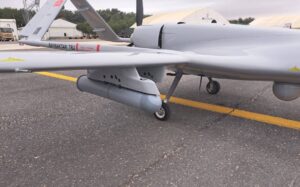
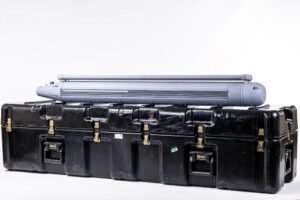
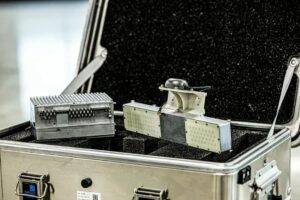
Low-SWaP (size, weight and power) SAR systems have been developed that are suitable for integration with UAVs (unmanned aerial vehicles). Drone SAR imaging is used for a variety of applications, including geology and mineral exploration, battlefield reconnaissance and intelligence, and oil spill monitoring. Previously only used on large aerial platforms, UAV SAR payloads are small and compact enough for unmanned flight and able to provide advanced geospatial intelligence in all weather conditions.
Drone SAR Imaging
SAR provides a number of advantages over other imaging technologies. It can operate on frequencies that allow signals to not be attenuated by weather conditions, and can also operate during the day and at night. Designed for land and maritime operations SAR is also good at detecting metal objects not easily picked up by optical or thermal sensors, making it ideal for spotting targets such as vehicles and vessels.
Inverse Synthetic Aperture Radar – ISAR
Additional remote sensing techniques involving SAR include inverse SAR (ISAR), in which the aperture is created by the movement of the target rather than the sensor. ISAR can be used to detect moving targets such as aircraft and ships.
Interferometric SAR – InSAR
Interferometric SAR (InSAR) uses multiple images of a target captured at different times to monitor changes in an area over time. It is often used for infrastructure and environmental monitoring.
Kraken Robotics expands its global footprint with $28 million in new contracts for its specialized SeaPower battery systems and advanced Synthetic Aperture Sonar technology
IMSAR has completed the first flight of its NanoSAR D Radar Electronics Assembly, demonstrating improved system performance and reduced SWaP for scalable, software-defined airborne radar applications
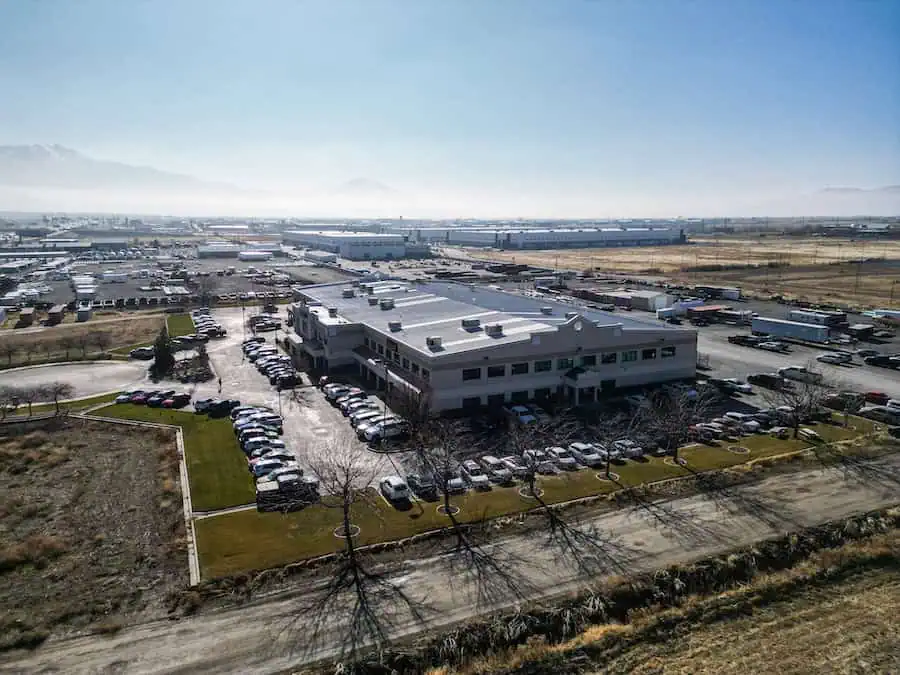
The expansion of IMSAR’s Utah facility enables the rapid delivery of low-SWaP airborne radar systems to meet surging global defense and commercial demand
IMSAR engages Army and industry at the S/VTOL summit, showcasing compact multi-mode radar solutions delivering scalable imaging and target tracking capabilities for next-generation runway-independent unmanned aircraft systems
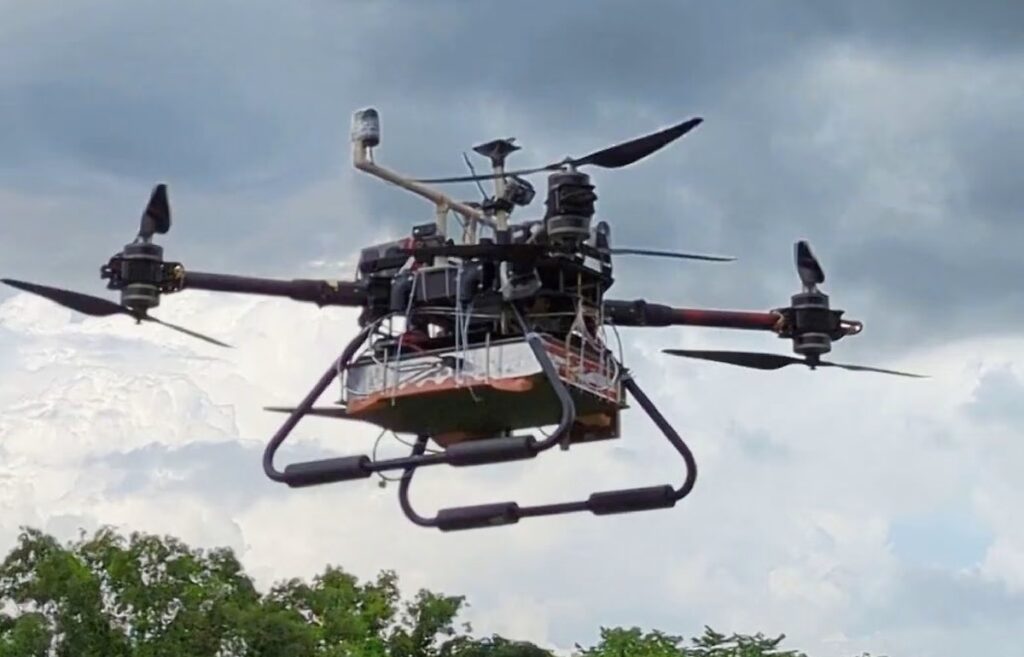
Boeing, Insitu and TNO have advanced their MRaISR project, developing a low-SWaP multi-mode radar payload designed to enhance situational awareness and support emerging defense requirements
TEKEVER Space and ESA'S new ATLARCTIC initiative seeks to develop a compact, wide-swath Synthetic Aperture Radar satellite for continuous monitoring of northern waters
ZIYAN Technology has introduced a UAV-based Synthetic Aperture Radar (SAR) system that provides all-weather, high-resolution imaging for maritime, disaster, and environmental monitoring applications
Sisir Radar used Trimble Applanix® APX-18 UAV systems to demonstrate low-altitude L-band SAR with sub-meter resolution within just 11 months of operations
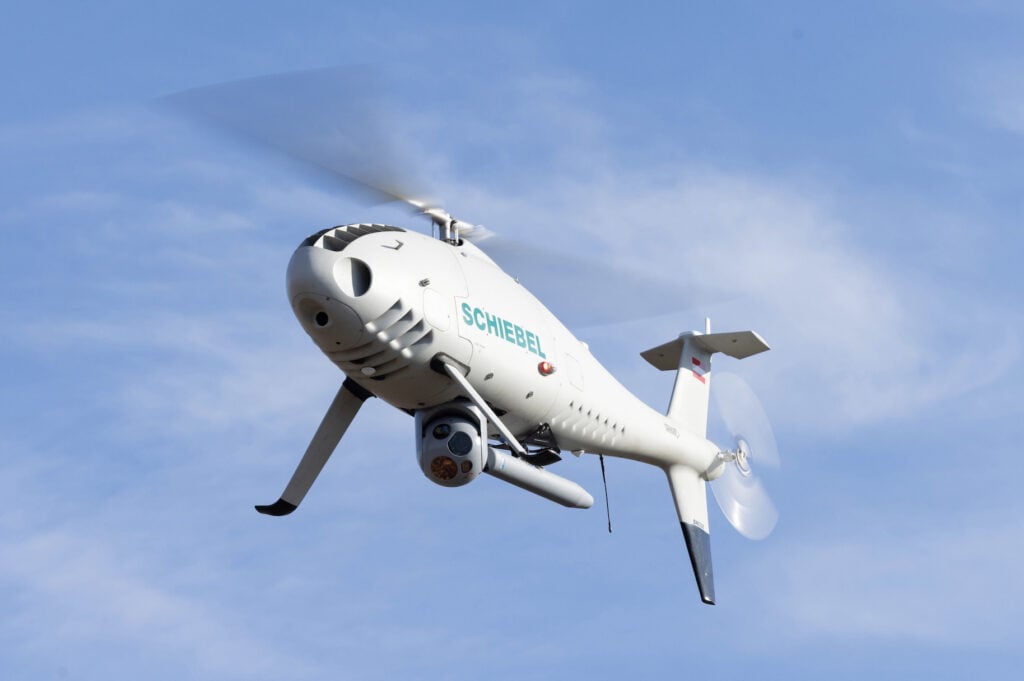
IMSAR’s NSP-3 Synthetic Aperture Radar (SAR) has been integrated with Schiebel’s CAMCOPTER® S-100 VTOL UAS, enhancing ISR capabilities with flexible payload options, extended endurance, and seamless command and control integration
Feb 25, 2025
Advancing Unmanned Systems Through Strategic Collaboration
UST works with major OEMs to foster collaboration and increase engagement with SMEs, to accelerate innovation and drive unmanned systems capabilities forward.