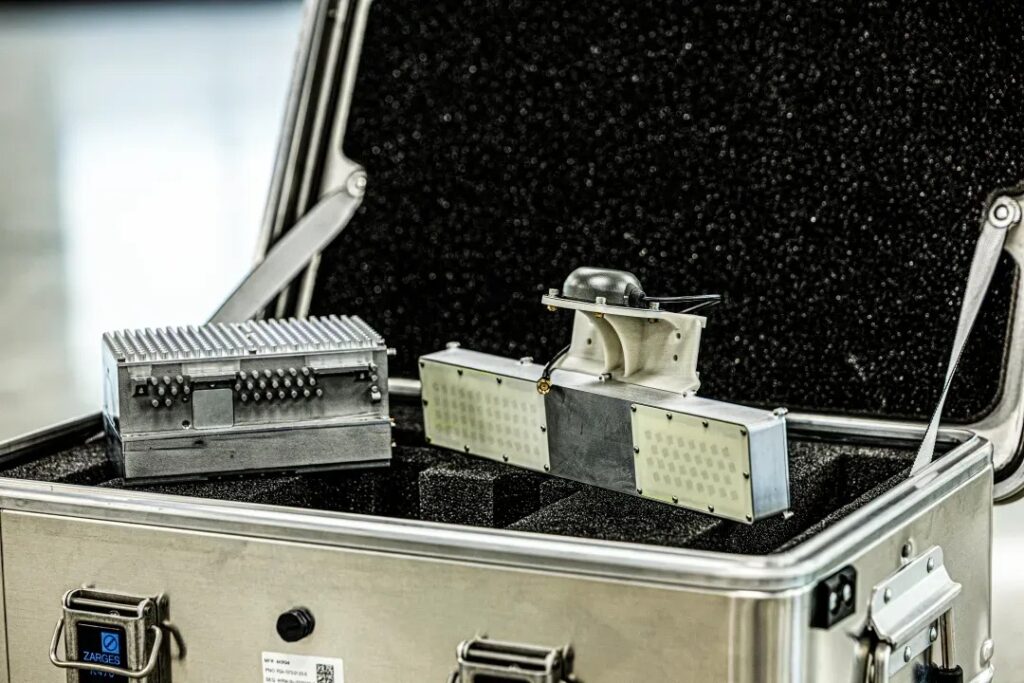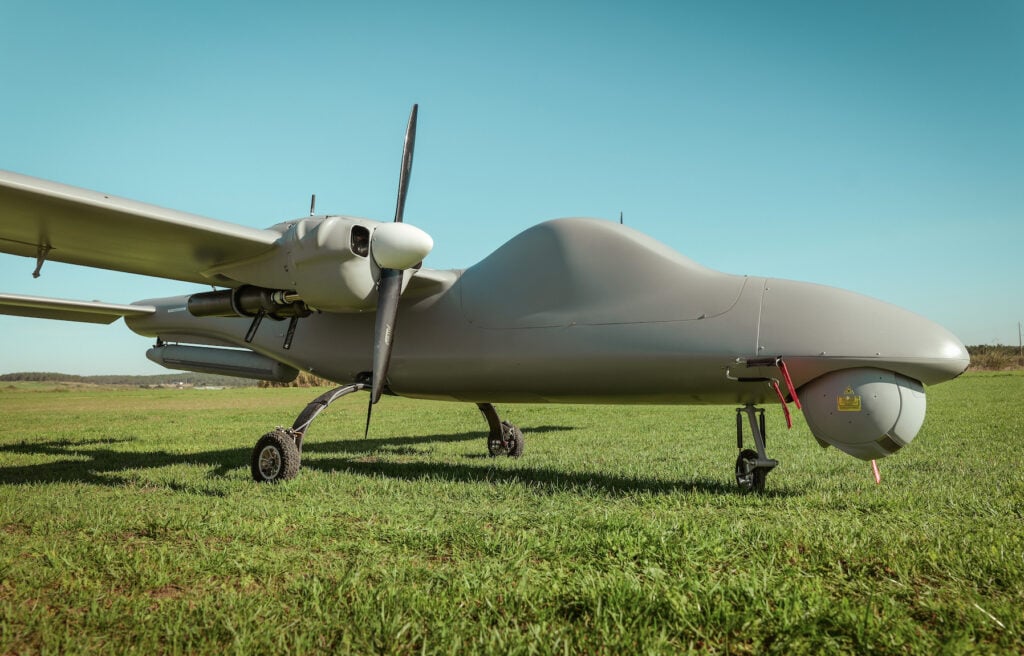




IMSAR LLC has completed the first flight of its NanoSAR D Radar Electronics Assembly (REA), advancing miniaturized airborne radar performance.
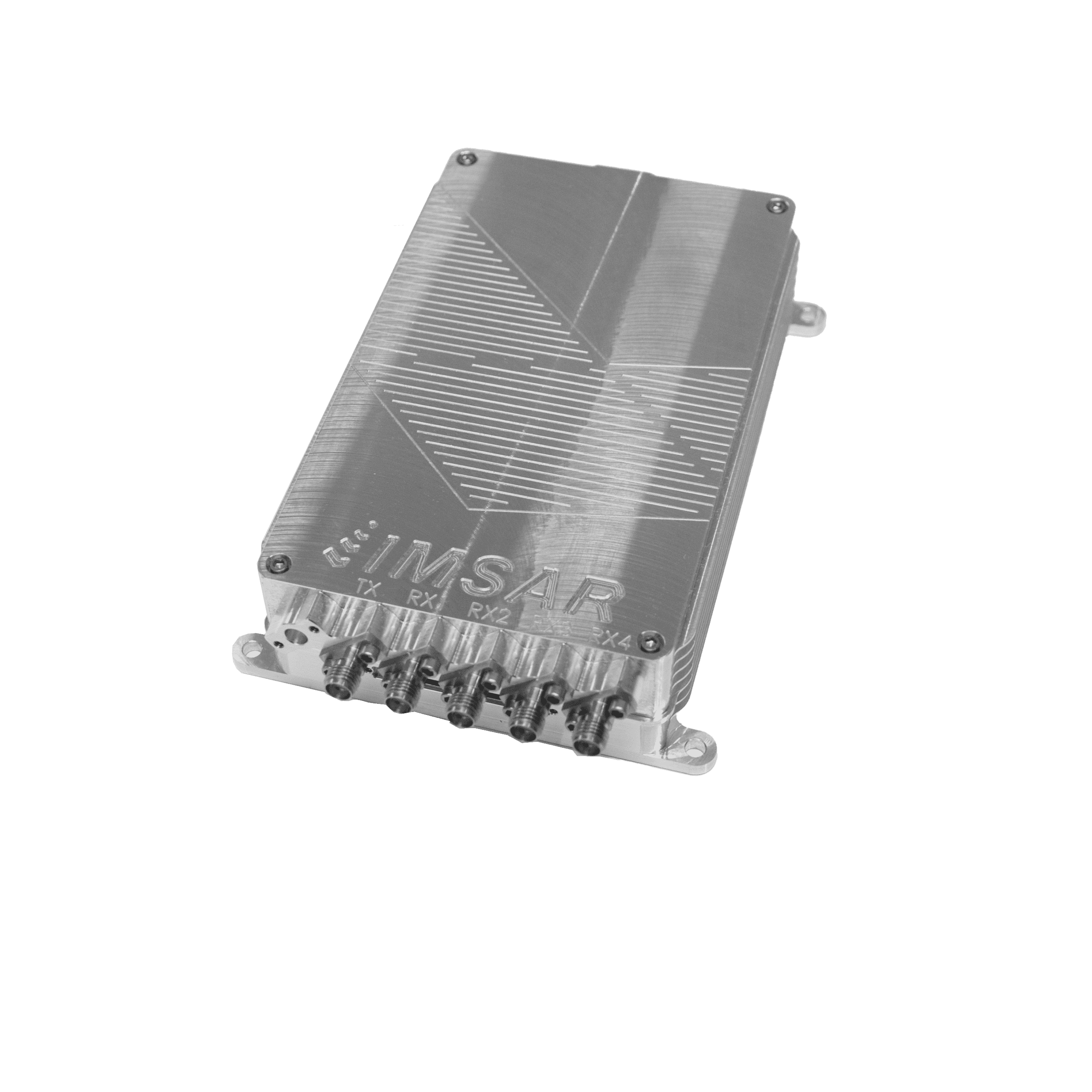
The REA serves as the core of IMSAR’s radar systems, performing the primary Radio Frequency (RF) and processing functions across all platforms. The NanoSAR D builds on the proven NanoSAR C architecture, which underpins the company’s current radar product line. During its initial flight, the system demonstrated the capabilities of IMSAR’s software-defined architecture, with key signal processing functions, including pulse generation, filtering, and detection, handled through software.
Larry Moore, President of IMSAR, commented, “The NanoSAR D represents a stepwise performance increase while simultaneously reducing the hardware form factor. When I asked the engineers for their assessment of the system performance after the flight, they replied ‘it’s as good as it looks!’ We’re very happy to have achieved this significant milestone. This further solidifies our position as the low-SWaP radar market leader and gives us additional capabilities for both the UAS and manned aircraft markets.”

By shifting signal processing functions into software, the system increases processing speed and capability while reducing overall Size, Weight, and Power (SWaP). The integration of the NanoSAR D REA also demonstrates the modular, scalable, and upgradeable nature of IMSAR’s radar architecture.
The successful flight supports IMSAR’s development roadmap and enables continued progress on upcoming systems, including the NSP-4 radar and the 360-degree Quad Horizon radar. The milestone marks another step in the company’s mission to expand access to advanced radar capabilities across a wider range of airborne platforms.