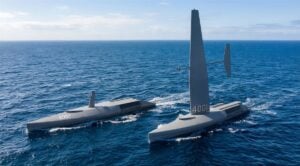
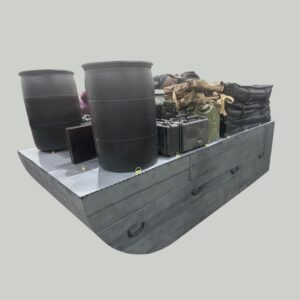
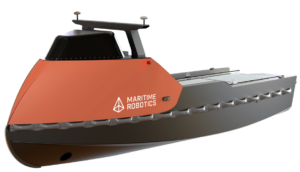
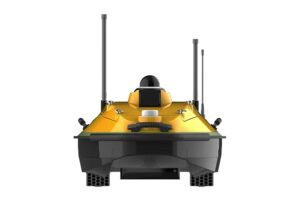
Find Unmanned Surface Vehicle (USV) companies and suppliers of unmanned surface vessels, USV boats and unmanned sea vehicles for hydrographic survey, oceanographic research and other military applications
If you design, build or supply Unmanned Surface Vehicles (USV), create a profile to showcase your capabilities and connect with visitors who have an active requirement for your solutions.
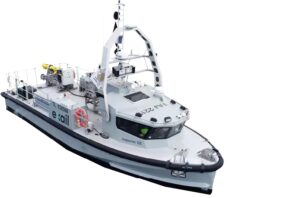
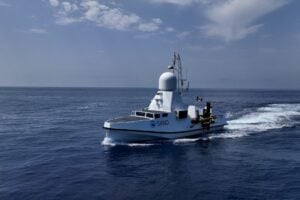
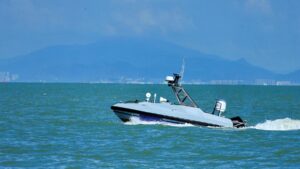
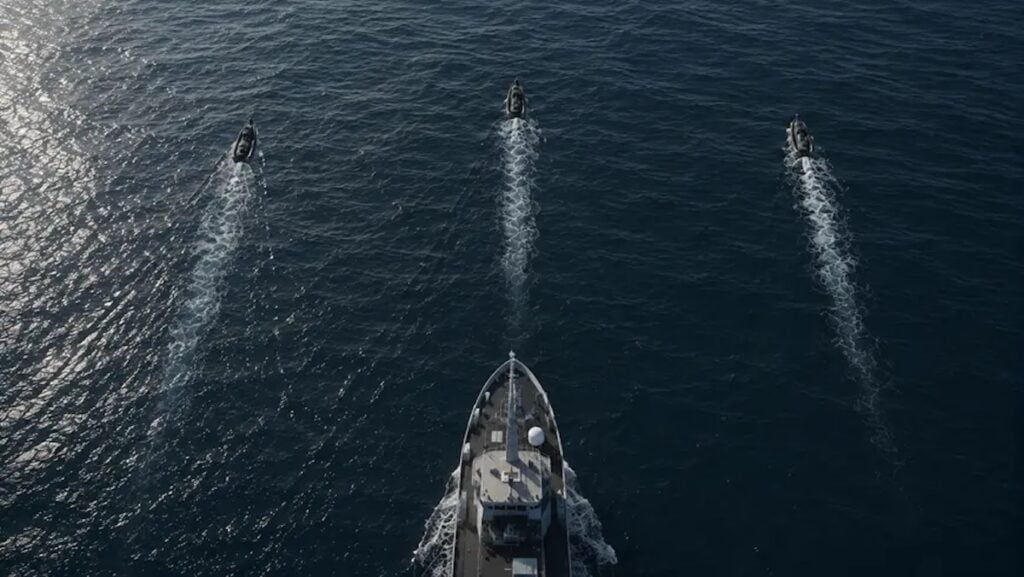
USV for autonomous mine countermeasure & maritime security missions
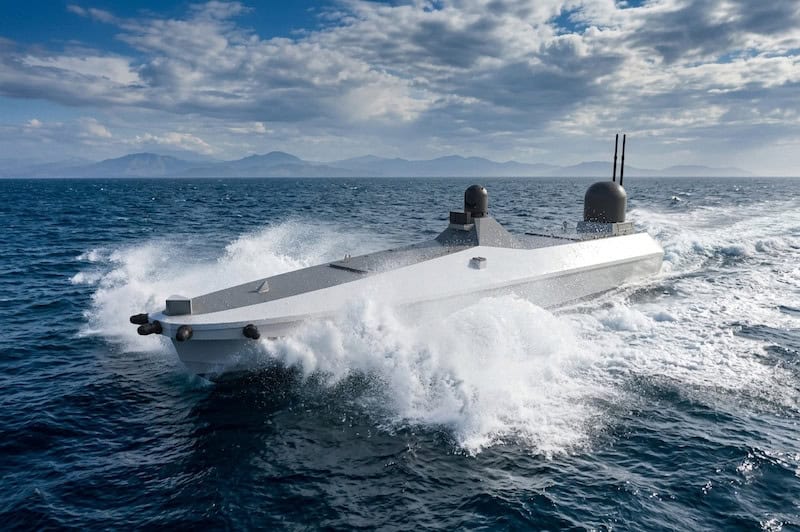
USV for autonomous mine countermeasure & maritime security missions
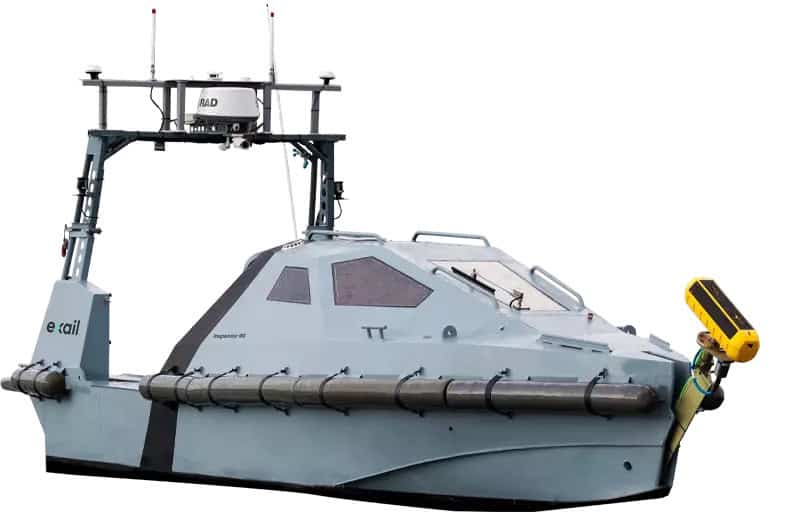
...is a versatile UnmannedSurfaceVehicle(USV) from Exail developed for modern mine countermeasure,... ...ecosystem, the USV can deploy A18-M autonomous underwater vehicles, T18-M towed sonars, SEASCAN mine...
USV for maritime surveillance & mine countermeasure operations
USV for maritime surveillance & mine countermeasure operations
...is a versatile UnmannedSurfaceVehicle(USV) from Exail designed for autonomous maritime operations... ...ecosystem, the USV can coordinate with multiple naval drones from a remote command center outside...
...-8 and H-9 are UnmannedSurfaceVehicles(USVs) from Exail designed to deliver high-performance... ...nts, and multi-vehicle collaborative capabilities. With support for both Line of Sight (LOS) and...
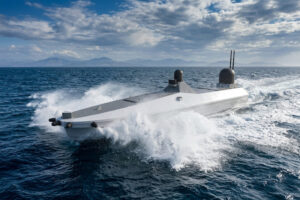
Modular USV for autonomous naval & maritime security operations
Modular USV for autonomous naval & maritime security operations
...ieri’s SAND (Surface Advanced Naval Drone) is a multi-role USV designed for naval and maritime... ...ss coordinated surface and subsea activities. The USV has taken part in multinational demonstrations...
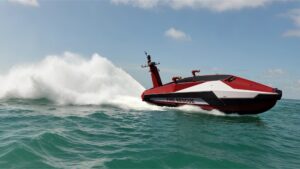
High-performance patrol USV for coastal & offshore security
High-performance patrol USV for coastal & offshore security
...mission patrol vessel is a 7.5-meter USV developed for patrol, security, search and rescue, and... ...l engines, the vessel supports configurable waterjet or shaft-drive propulsion and reaches speeds up...
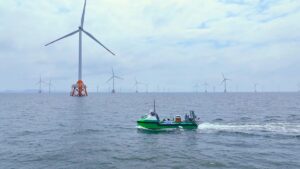
Autonomous USV platform for offshore hydrographic & geophysical surveying
Autonomous USV platform for offshore hydrographic & geophysical surveying
...long-endurance USV is a next-generation offshore survey platform designed for hydrographic surveys,... ...tor fails. The vessel’s modular mission architecture supports dual moonpools, dual auto lifters,...
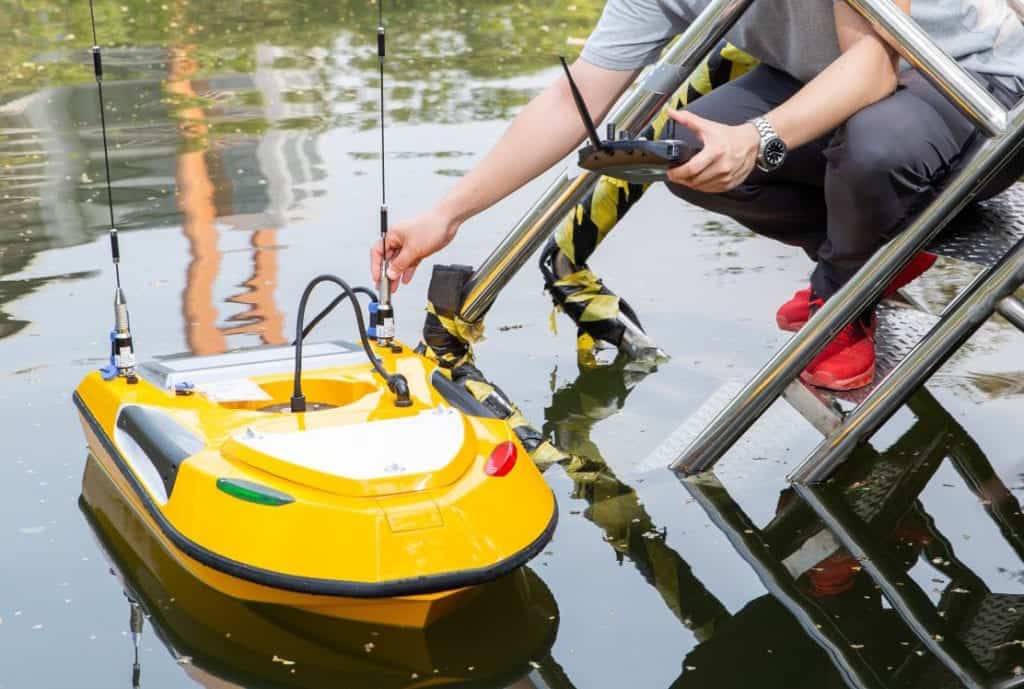
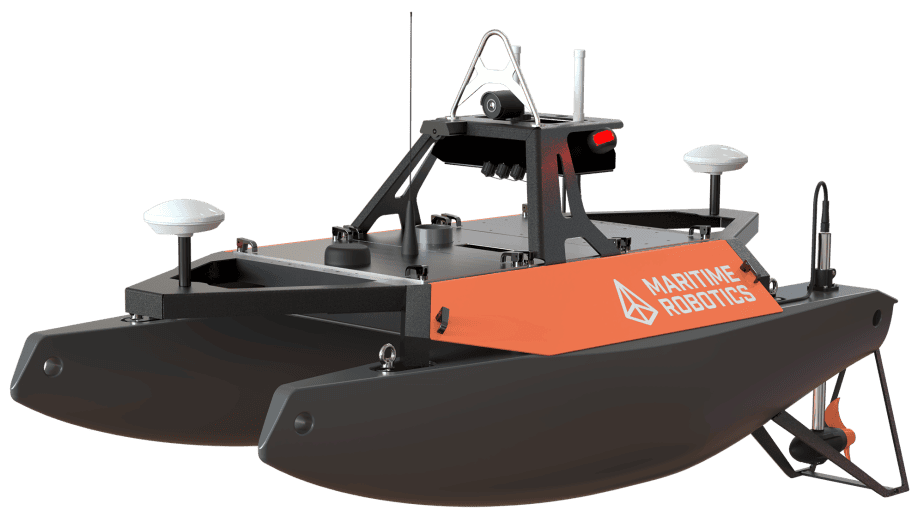
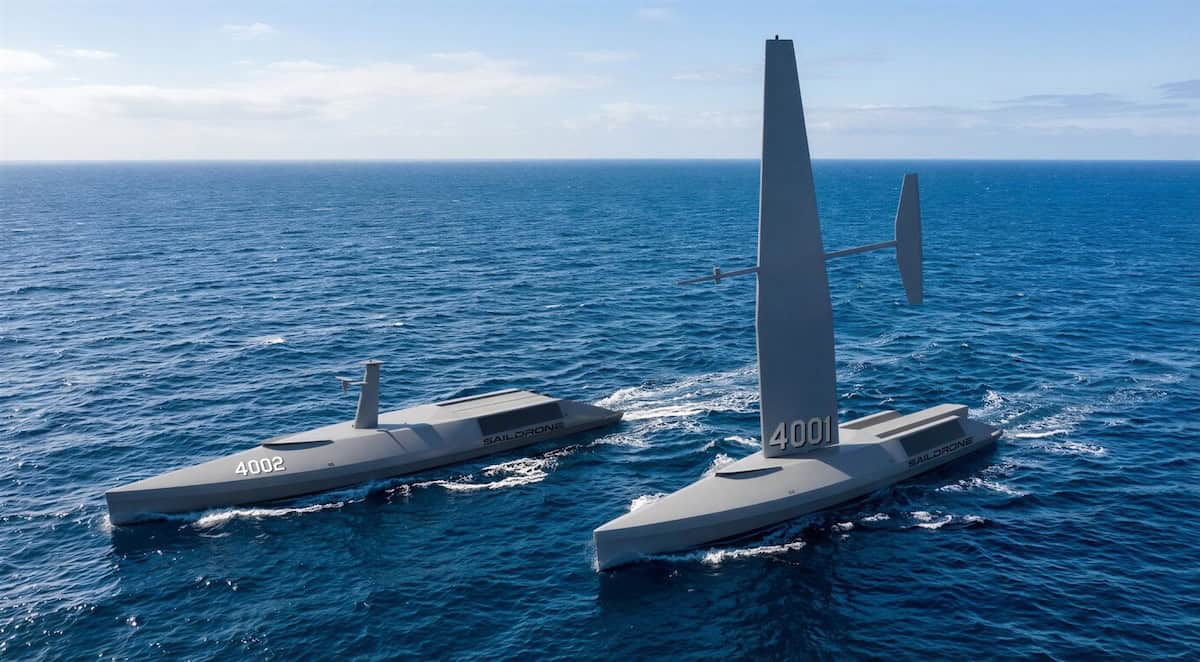
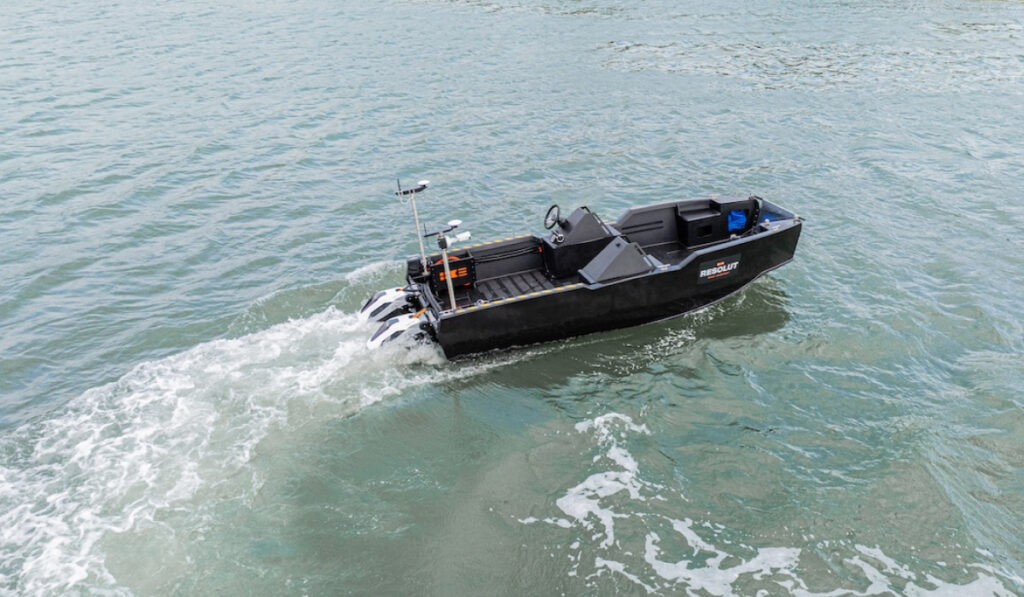
Unmanned surface vehicles (USVs) are water-borne vessels that are capable of operating on the surface of the water without any onboard human operators. Originally created by retrofitting previously manned craft with radio controls, a wide variety of purpose-built unmanned surface vehicles are now available. USVs are more versatile than buoys but less costly than fully manned craft, making them popular for a range of marine applications.
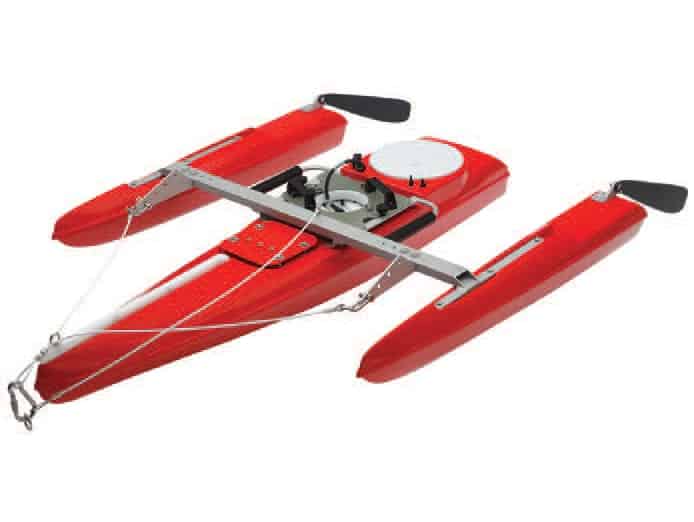
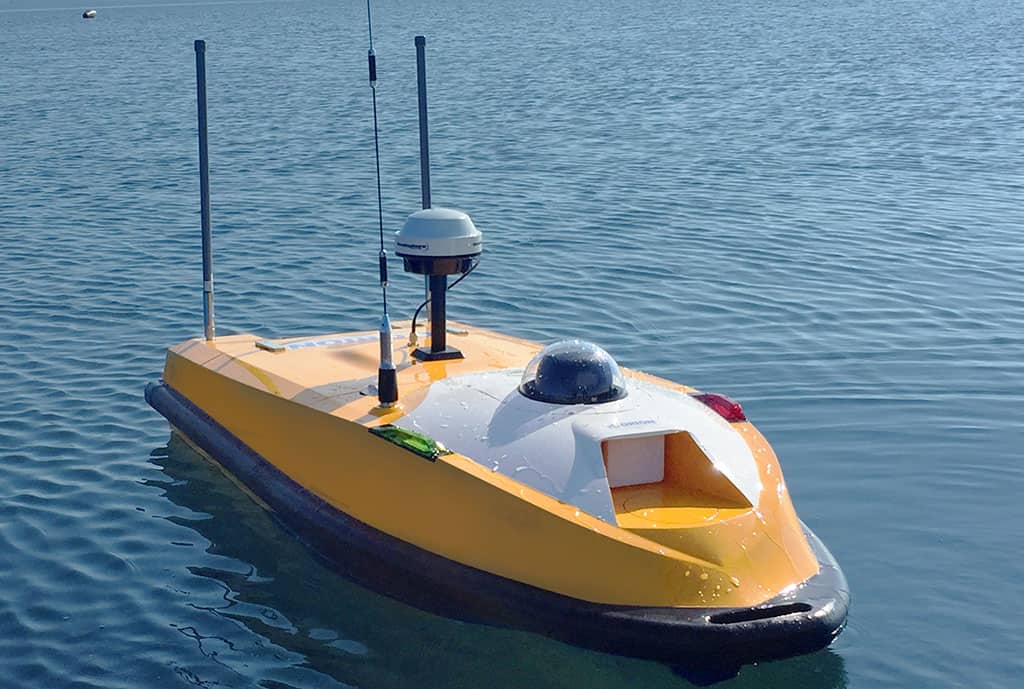
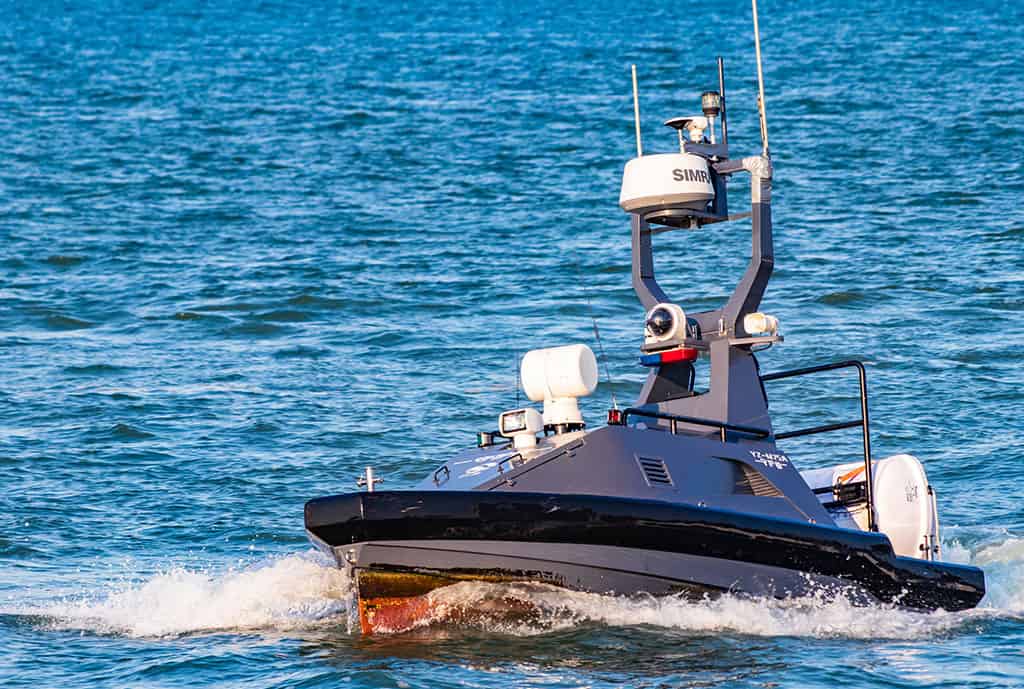
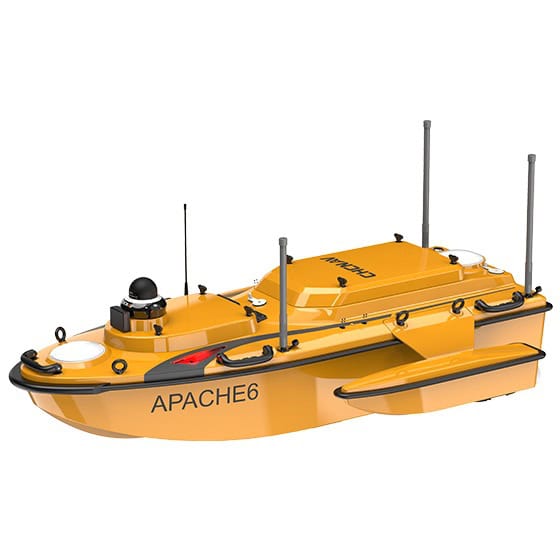
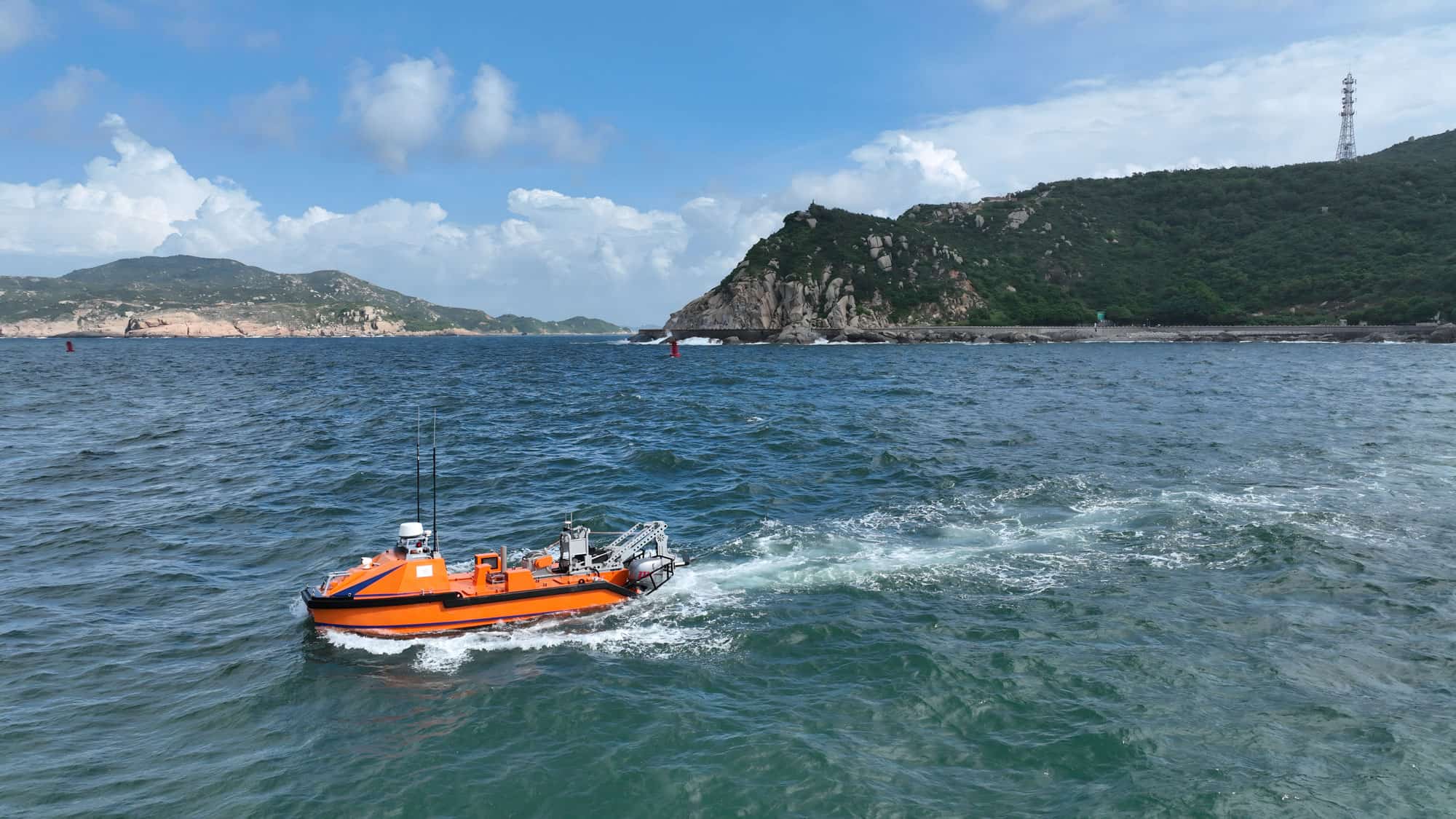
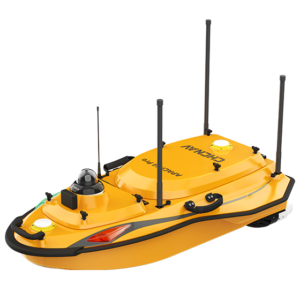
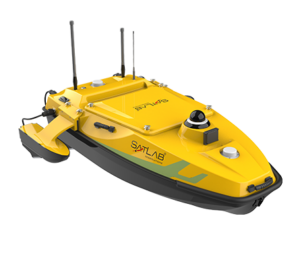
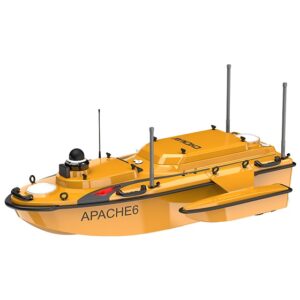
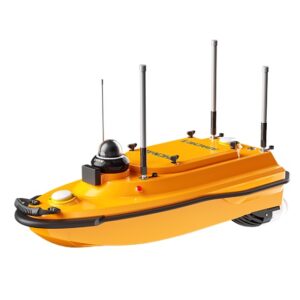
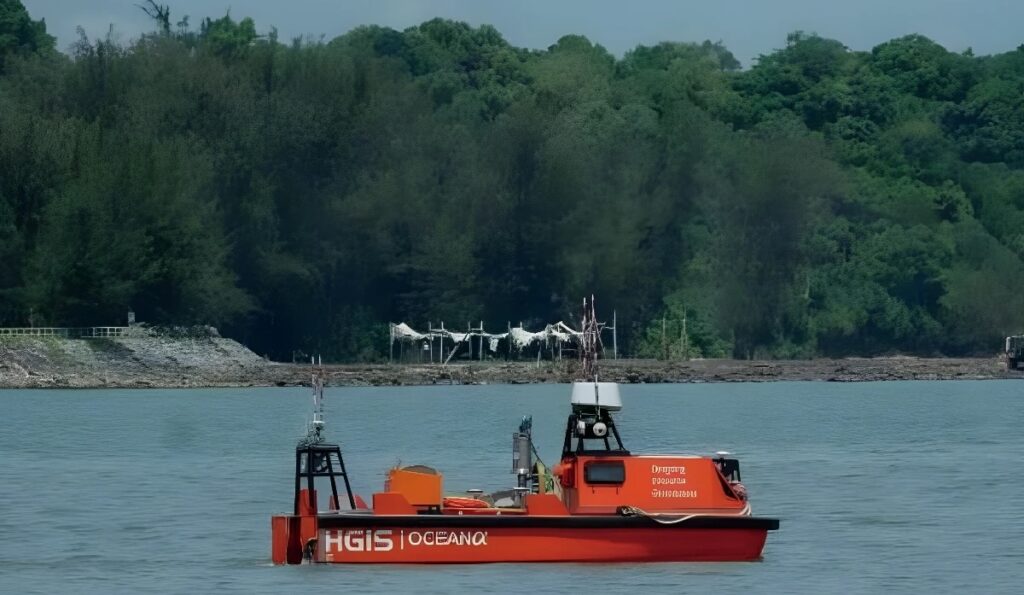
Oceanalpha Unmanned Surface Vehicles
Unmanned Surface Vessel Applications
USVs can be linked together as part of a swarm with individual craft acting as a node in a communications or sensor network, allowing them to be used as a force multiplier either for defense applications such as minesweeping or patrolling, or completing scientific surveying or sampling missions more rapidly.
Military applications for USVs include border and littoral zone patrol, minesweeping, submarine hunting, ISR, seaborne targets and offensive capabilities. USVs are also used in commercial sectors such as oceanography and environmental sciences, exploration and the oil and gas industry.
Unmanned Surface Vehicle Sensors & Payloads
Due to the lack of crew, an unmanned or autonomous surface vehicle can be outfitted with more sensors and equipment than an equivalently-sized manned craft. Such equipment may include sonar, imaging systems, radar, ISR systems, environmental sensors and dataloggers, weapons payloads, or a small unmanned underwater vehicle (UUV). Equipment may also be towed behind the USV.
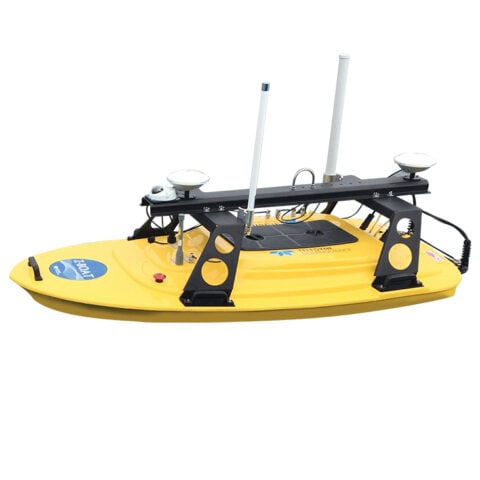
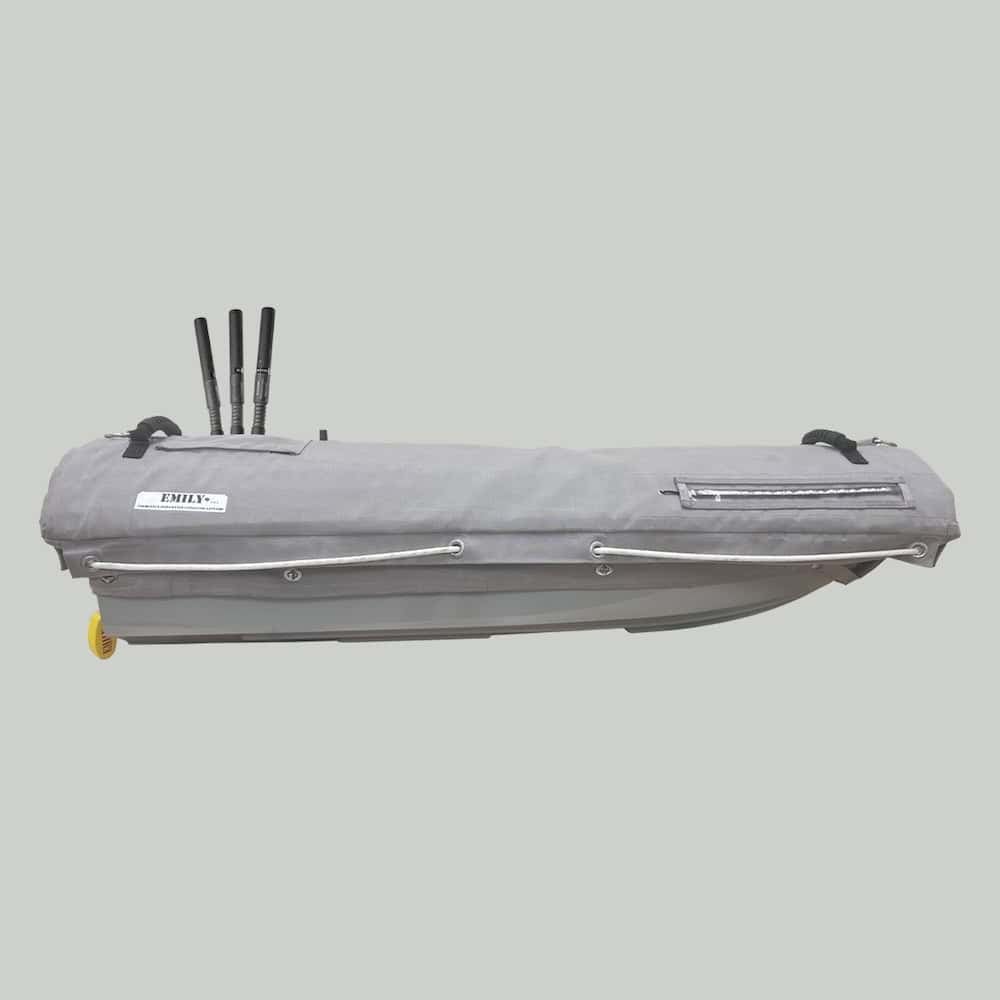
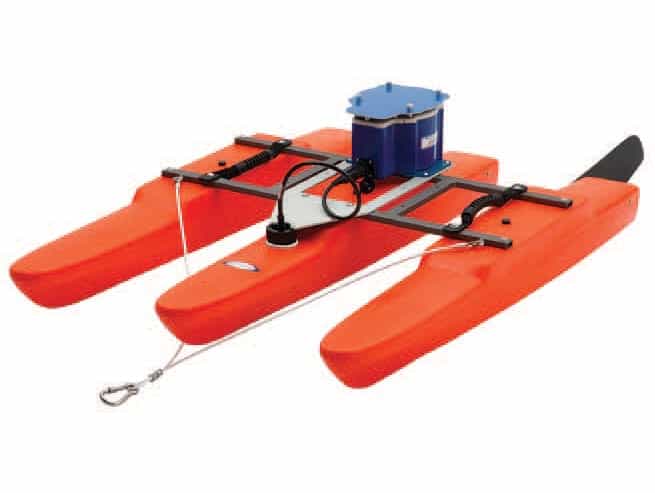
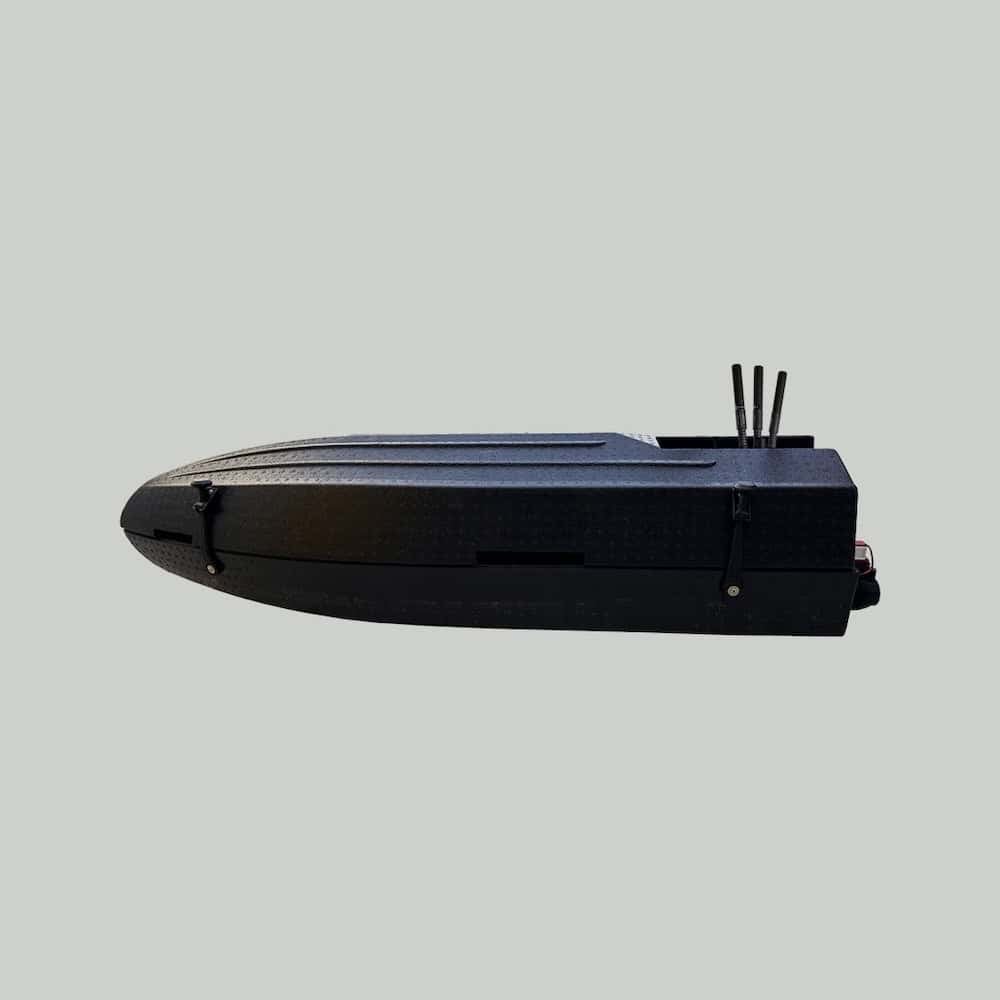
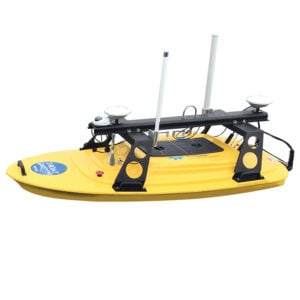
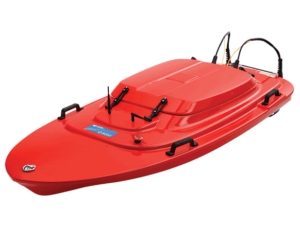
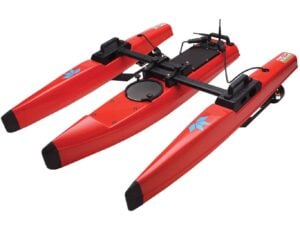
Teledyne Marine Q-Boat 1250 Portable USV
USV Boat Deployment and Control
Unmanned surface vessels can be deployed from shore or from the deck of a larger ship and can also be used to deploy smaller UUVs. USVs can be controlled remotely by a human operator and may also have autonomous functionality. ASVs (autonomous surface vehicles) can be set to intelligently follow pre-programmed routes and waypoints. Many USVs can alternate between full autonomy, semi-autonomy or set to manual control.
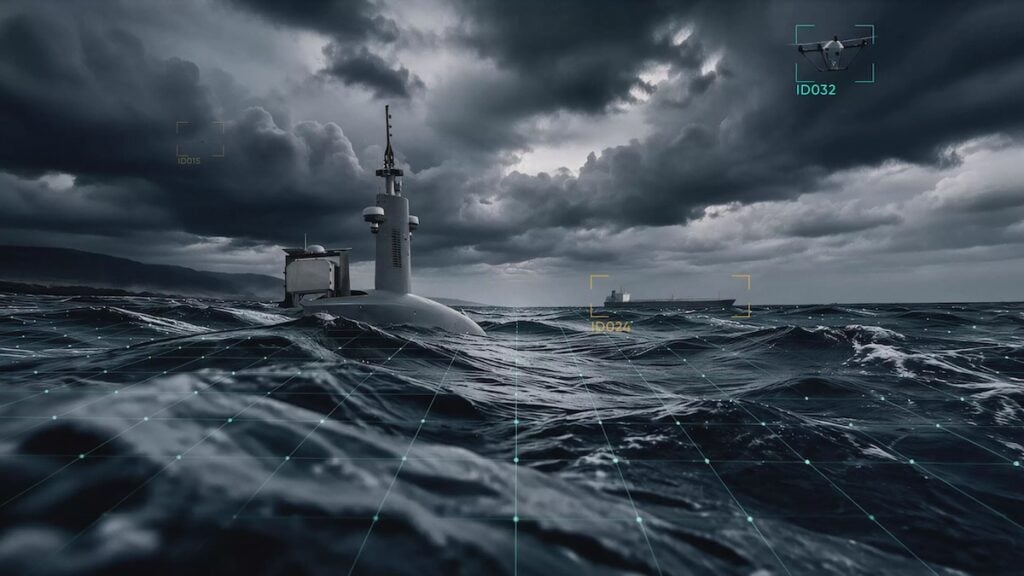
Orchestrating USVs and multi-domain sensor networks under unified command, a new autonomous maritime surveillance architecture from Exail delivers persistent operational intelligence while safeguarding high-value naval crews across critical missions
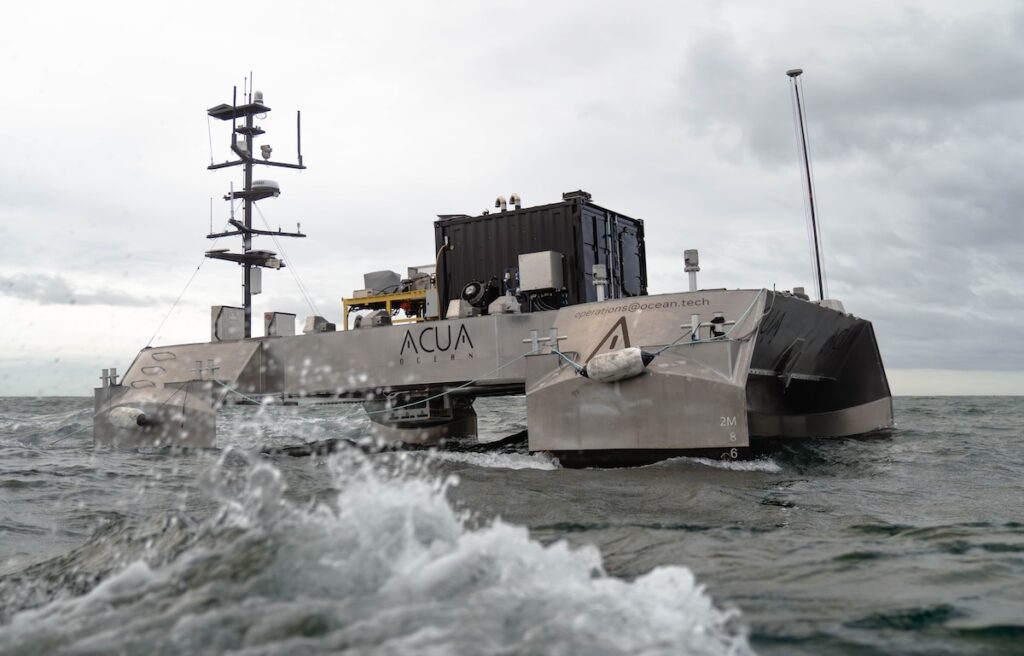
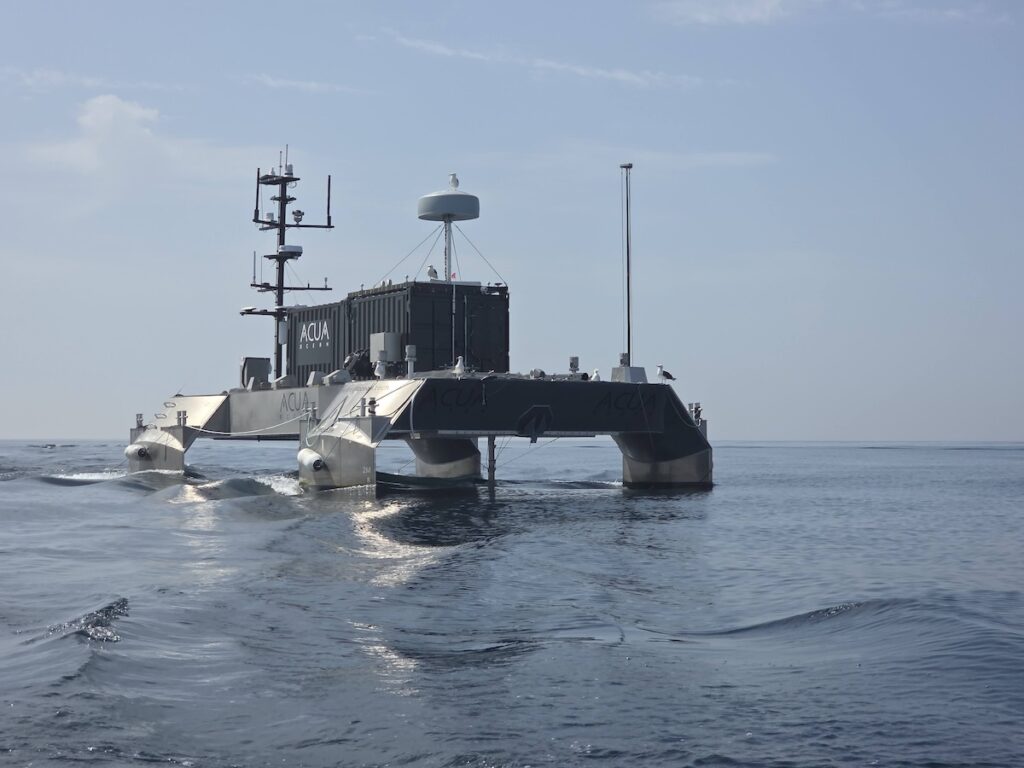
Three weeks of offshore trials in Plymouth successfully demonstrated fully remote subsea inspection and light intervention capabilities by pairing an ACUA Ocean USV with a highly maneuverable underwater robotic vehicle
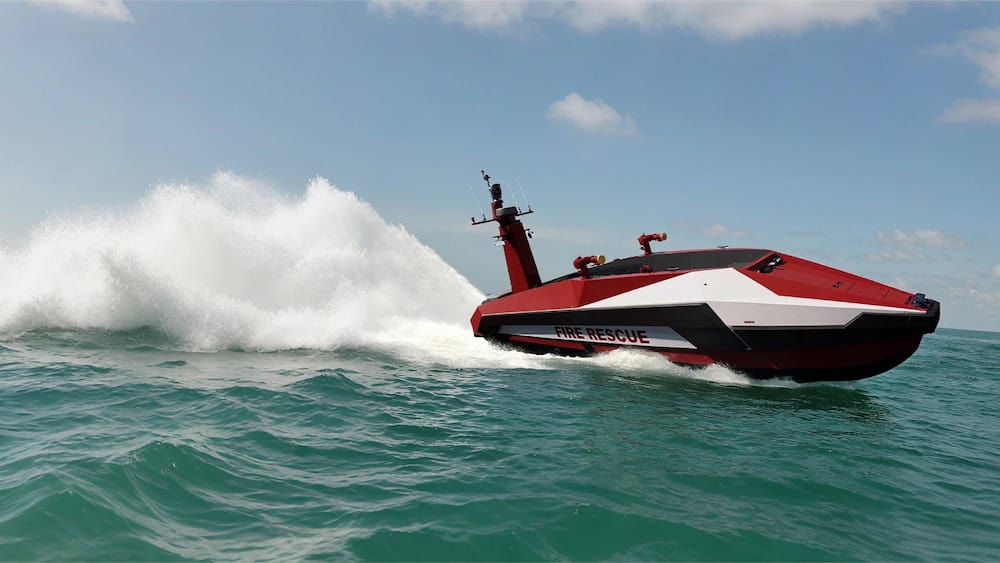
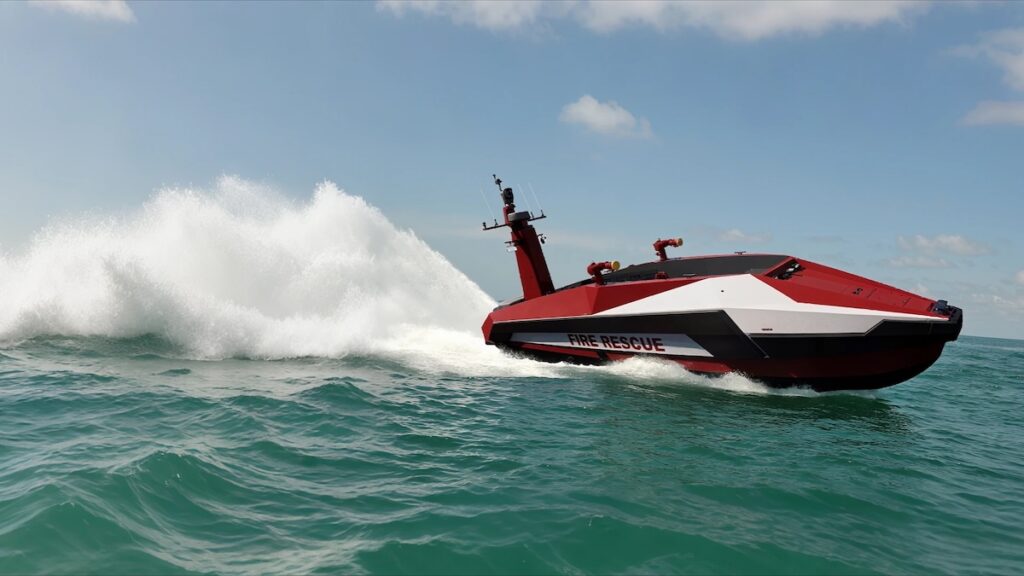
OceanAlpha’s Fire Conqueror USV combines autonomous navigation, remote supervision, and dedicated firefighting systems for emergency response across marine and coastal environments
RAD’s solutions enable vessels to operate with exceptionally low acoustic, vibration and thermal signatures, while reducing maintenance requirements and operating costs
OceanAlpha presented two uncrewed surface vessels designed to support offshore subsea inspection, intervention, hydrographic surveying and geophysical survey operations
A five-day offshore demonstration of an ACUA Ocean uncrewed surface vessel has validated persistent multi-domain operations by continuously harvesting hydrographic and electronic warfare data for over 100 hours without physical intervention
The latest unmanned systems news, straight to your inbox.
Get our weekly roundup of technology developments, new products and industry news.
THANK YOU FOR SIGNING UP
Thanks for joining us. Check your inbox.
We've sent you an email. Click the confirmation link to complete your subscription to the weekly eBrief. In the meantime, explore the latest news, suppliers and technologies on UST.
Advancing Unmanned Systems Through Strategic Collaboration
UST works with major OEMs to foster collaboration and increase engagement with SMEs, to accelerate innovation and drive unmanned systems capabilities forward.