Unmanned Surface Vehicles (USV)
Discover cutting-edge solutions from 8 leading global suppliers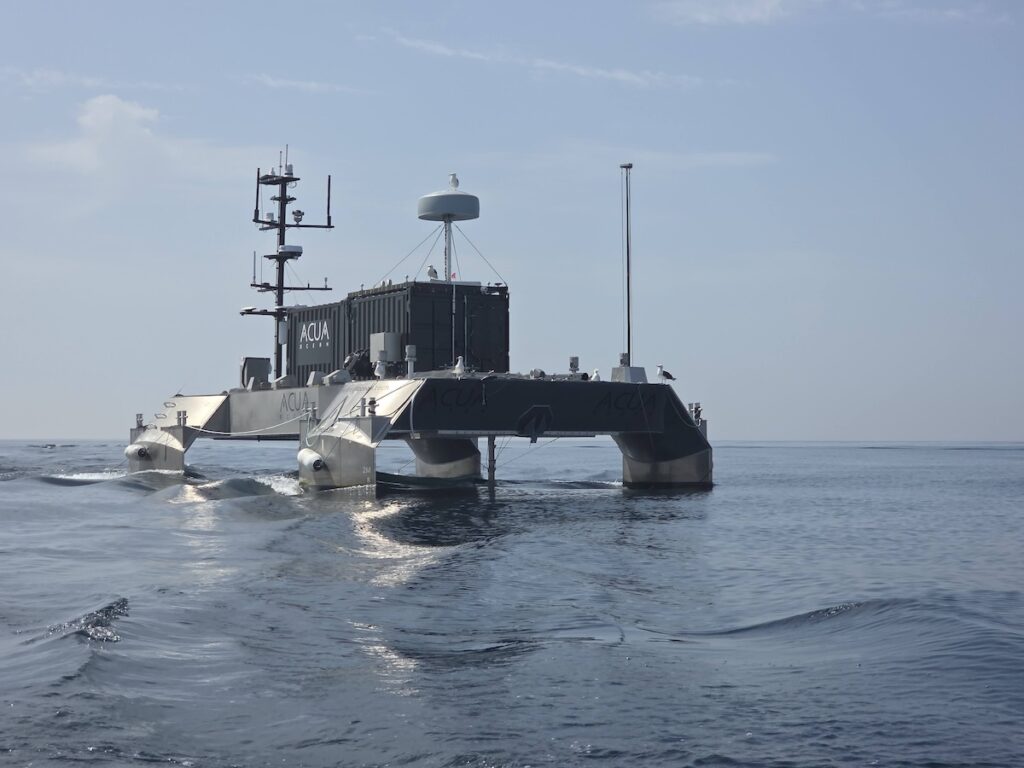
ACUA Ocean has successfully completed a five-day remotely operated offshore demonstration of its Mk1 PIONEER uncrewed surface vessel, validating the concept of persistent, multi-domain maritime operations.
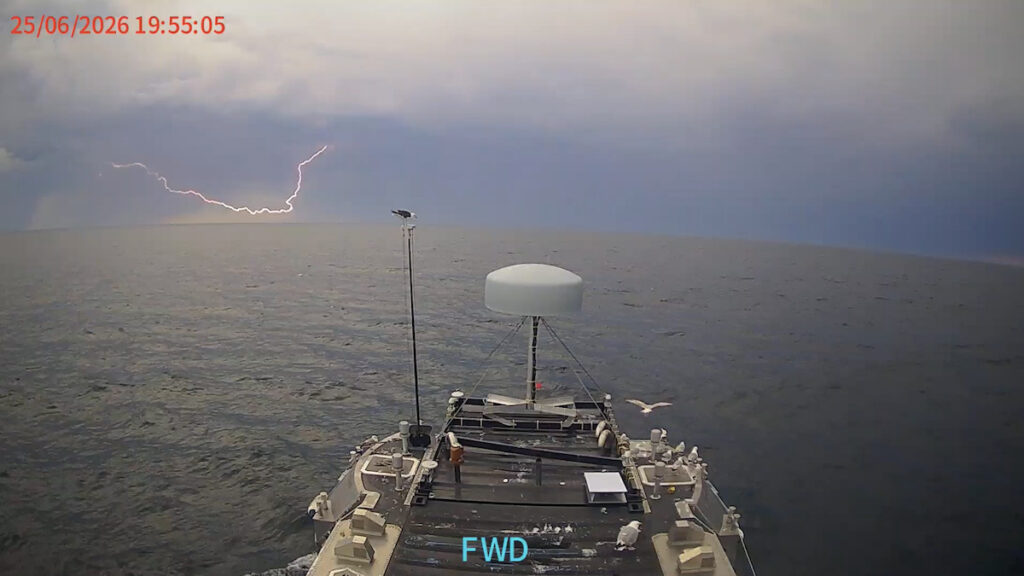
Operating from June 22 to June 26, 2026, the vessel departed Turnchapel Wharf, Plymouth, and maintained continuous operations 16 to 20 nautical miles offshore. The platform completed more than 100 hours at sea without any physical intervention, managing two independent mission systems simultaneously despite challenging environmental conditions. The trials endured ambient temperatures exceeding 35°C, wave heights above 2 meters, and electrical storms without interrupting operations.
The demonstration integrated a CommsAudit SPECTRA Super Resolution Direction Finding radio frequency surveillance system alongside an advanced Multi-Beam Echo Sounder for hydrographic survey operations. These systems from different original equipment manufacturers were integrated, tested, and commissioned within just two days. To demonstrate seamless land and sea operations, the vessel-based surveillance capability was supplemented by Leonardo’s Guardian Vantage, a land-based Electronic Warfare system deployed on the southern coast of England.
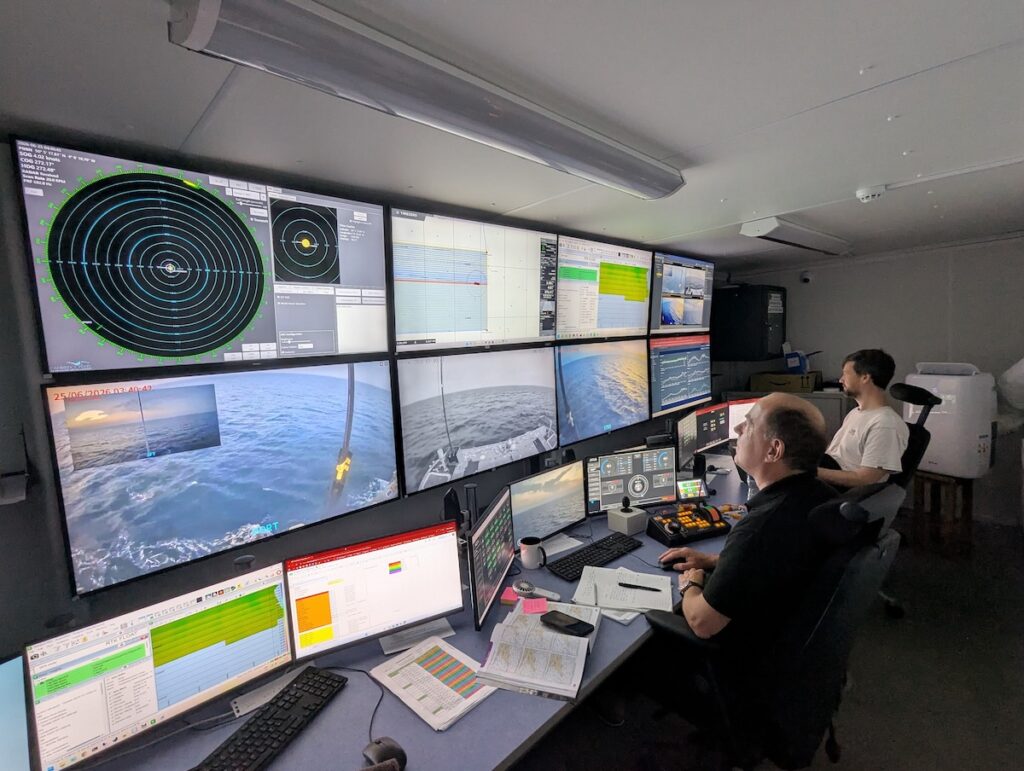
Operations were managed through a geographically dispersed network to prove multi-vendor interoperability. The vessel was monitored and controlled from a Remote Operating Centre in Plymouth, while hydrographic data streamed in real time, and the surveillance payload was independently controlled and analyzed from an operations centre near Cheltenham.
Key outcomes from the mission included the production of Admiralty chart-standard multibeam bathymetric data across tens of square nautical miles of the English Channel. The passive radio frequency surveillance system achieved rapid, high-accuracy direction finding and simultaneous tracking of multiple maritime and airborne emitters. Notably, the system geolocated a low-power satellite Personal Locator Beacon from approximately 22 kilometers away, identifying its position to within roughly 20 meters inside Devonport Dockyard before the coordinates were passed to HM Coastguard.
The trial successfully validated the operational concept of a low-cost uncrewed surface vessel acting as a common host platform for multiple independently developed payloads. Sensors were integrated with minimal engineering effort and operated concurrently without mutual interference, proving the value of a modular architecture for rapid installation, exchange, and maintenance. Furthermore, the vessel’s specific hull form provided exceptional motion stability, allowing a 45-kilogram, two-meter diameter topside antenna to be mounted five meters above the waterline to ensure sensor effectiveness, an elevation unfeasible for an equivalent monohull uncrewed vessel.
While this demonstration utilized the Mk1 platform, the upcoming Mk2 PIONEER, scheduled to enter the water in the second quarter of 2027, will extend endurance to several weeks and offer a significantly larger payload capacity of 7 tonnes alongside increased sprint speeds. As navies increasingly adopt a hybrid fleet approach, these trials demonstrate how robust, affordable, and persistent autonomous systems can deliver multi-week maritime effects and protect critical infrastructure at a fraction of the cost of traditional crewed vessels.