

Drone LiDAR Manufacturers & Suppliers

Inertial Labs, a VIAVI Solutions Company

Inertial Navigation Sensors: MEMS IMU, Accelerometers, Gyroscopes, AHRS, GPS-INS & Point Cloud Generation

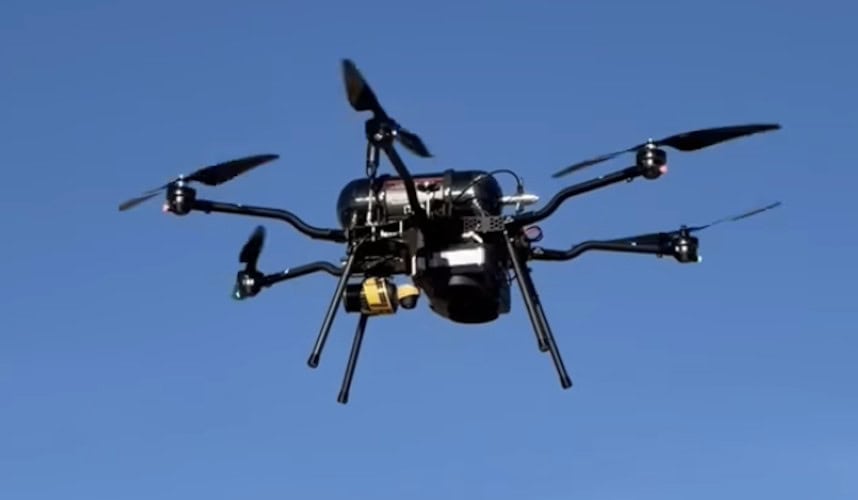
Areté

Cutting-Edge Unmanned Systems-based Sensing Solutions & Counter-UAS Systems for Military & Defense Forces

SatLab Geosolutions

GNSS Positioning Systems, 3D SLAM & Mobile Mapping, Unmanned Surface Vehicles

Voyis

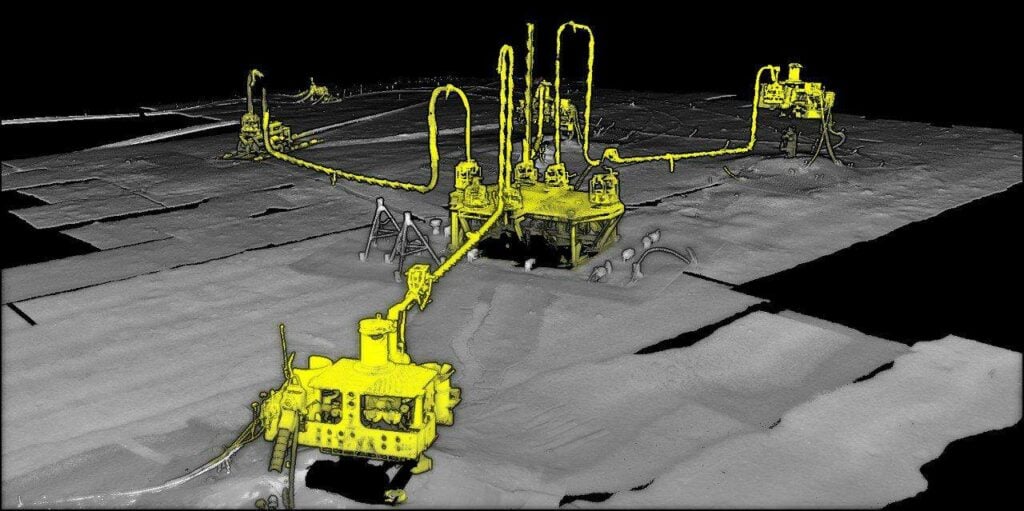
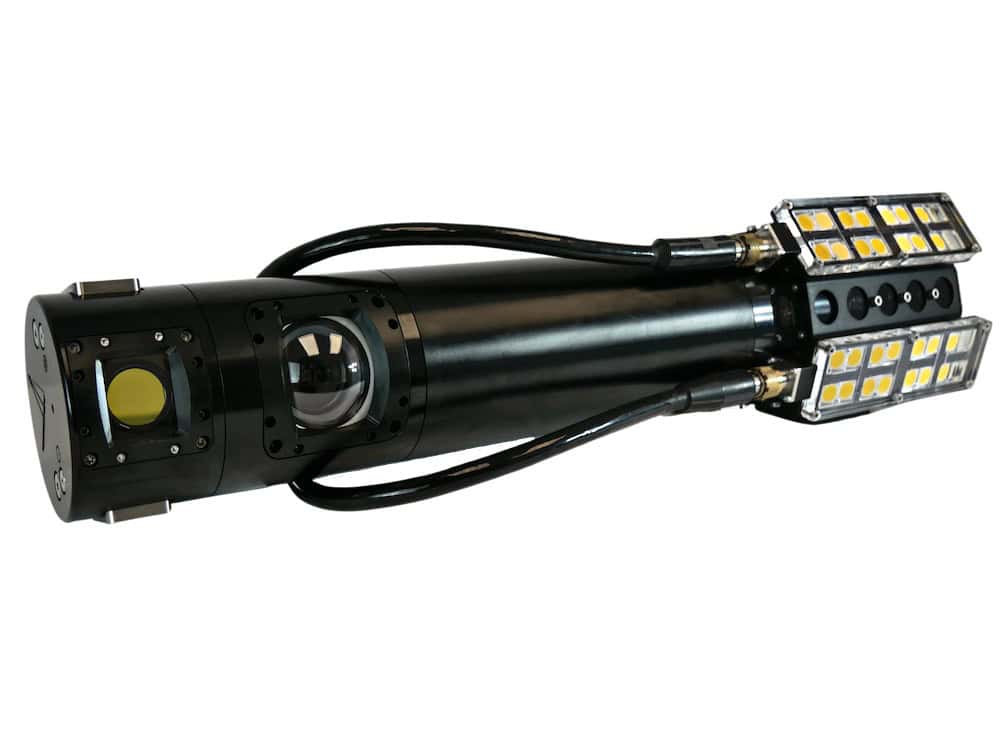
AUV Payloads & ROV Skids: Underwater Laser Scanners & 4K Stills Cameras for Subsea Inspections & Surveys

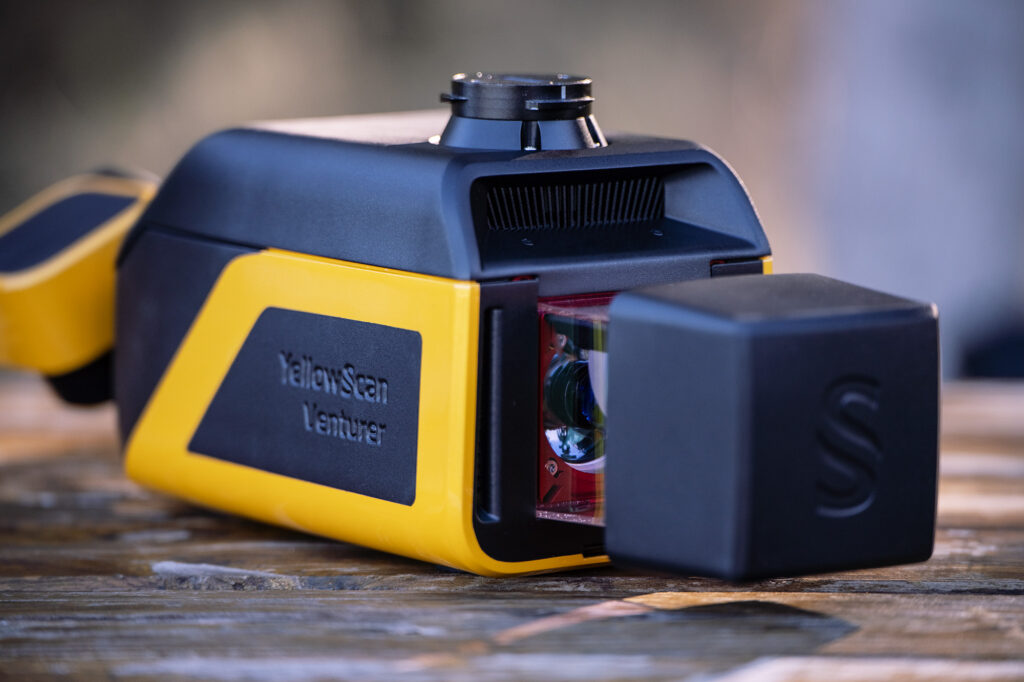
YellowScan

High Precision, Long-Range UAV LiDAR & Drone LiDAR Mapping Solutions

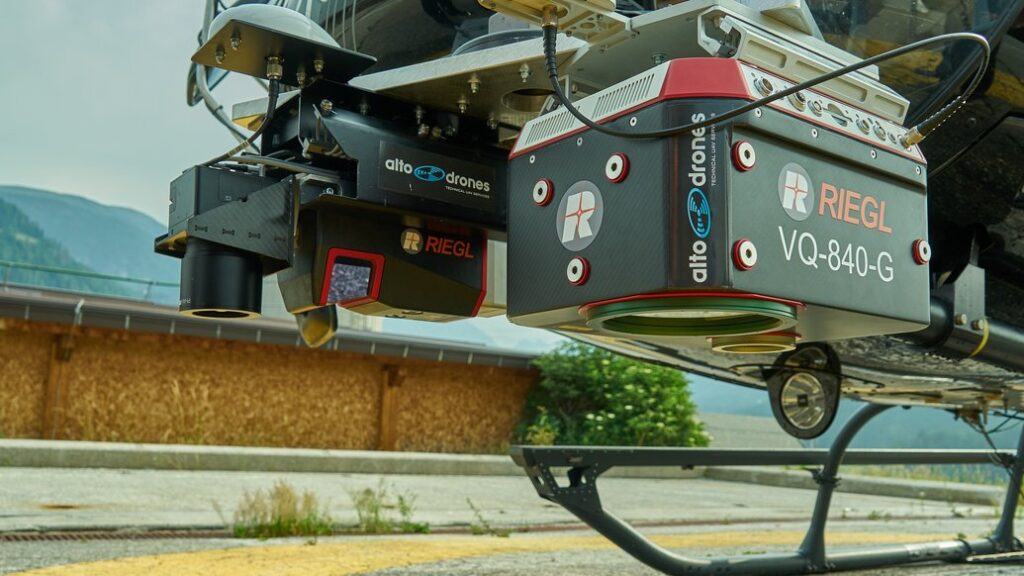
RIEGL

Drone LiDAR Sensors & Laser Scanners for Aerial Surveying, Mapping & Bathymetry

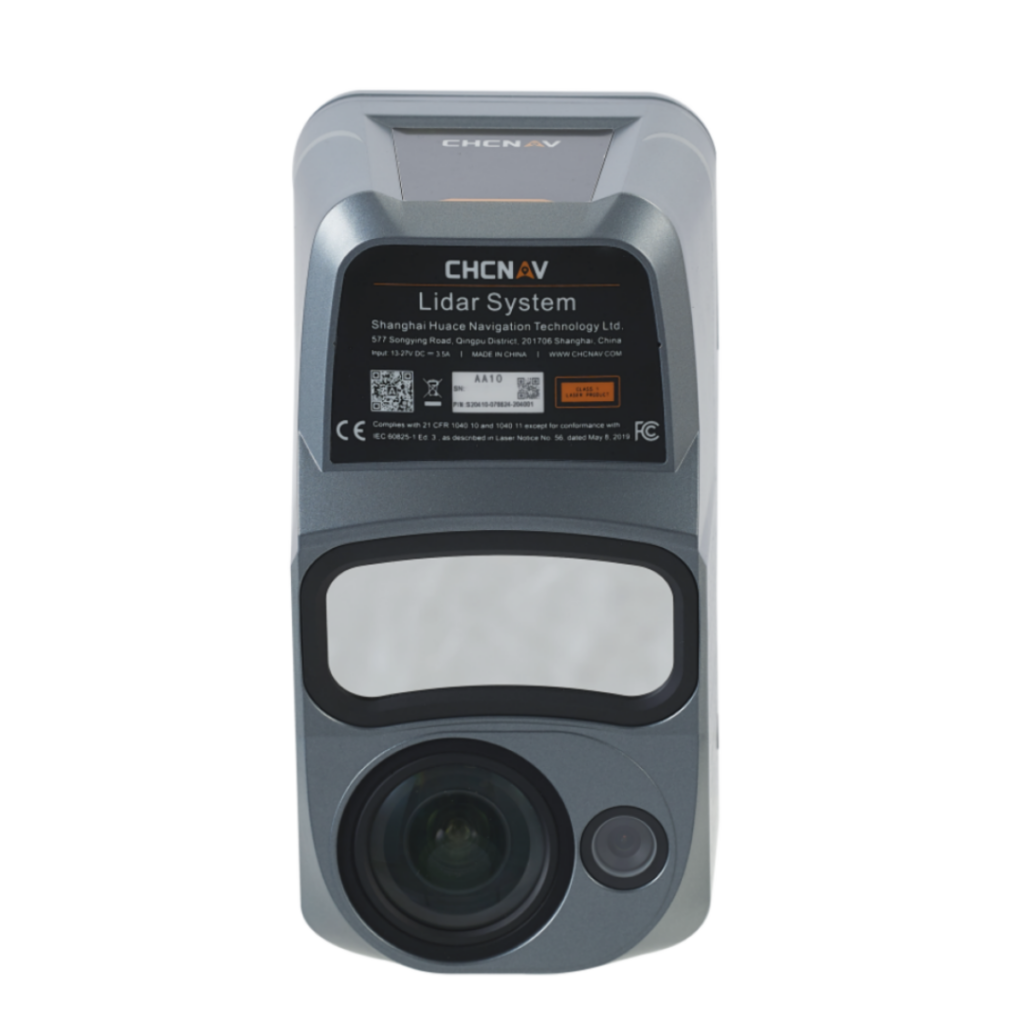
CHC Navigation

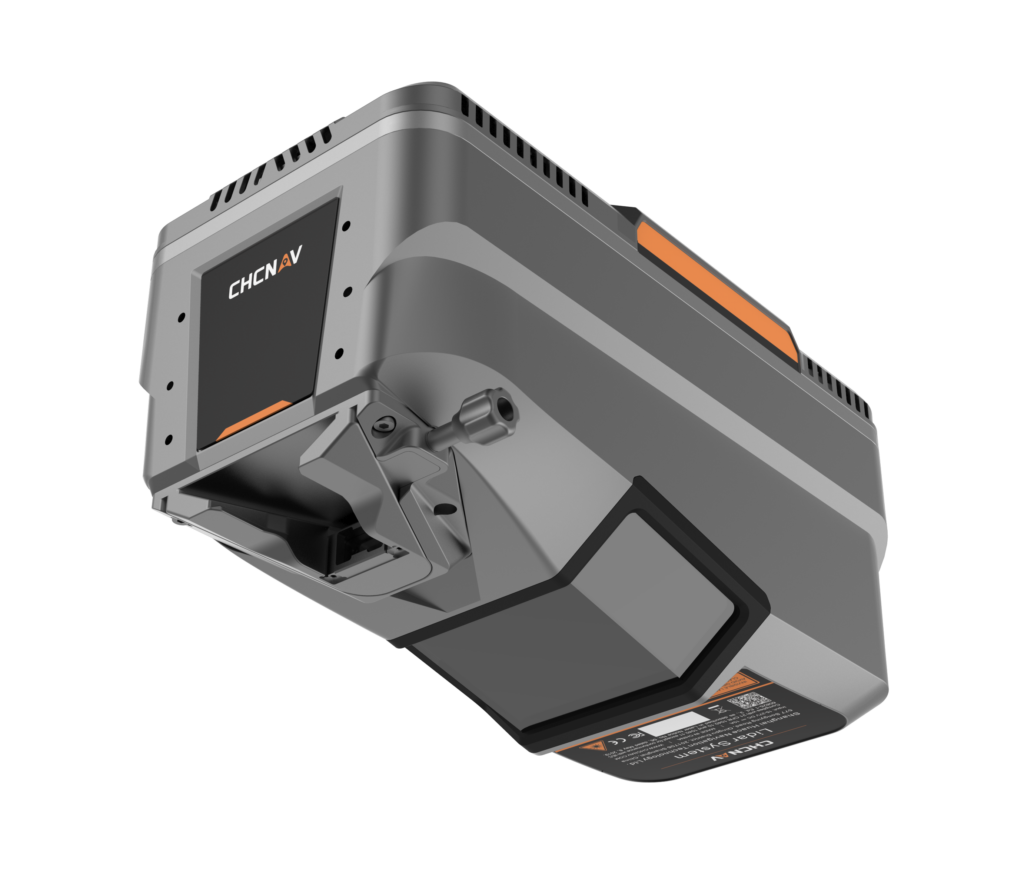
GNSS Positioning & Navigation Systems, Mobile Mapping UAV LiDAR & Unmanned Surface Vehicles

Showcase your capabilities

If you design, build or supply Drone LiDAR, create a profile to showcase your capabilities and connect with visitors who have an active requirement for your solutions.

Create Supplier Profile

Drone LiDAR Systems

22 Cutting-edge Solutions
Add your solutions
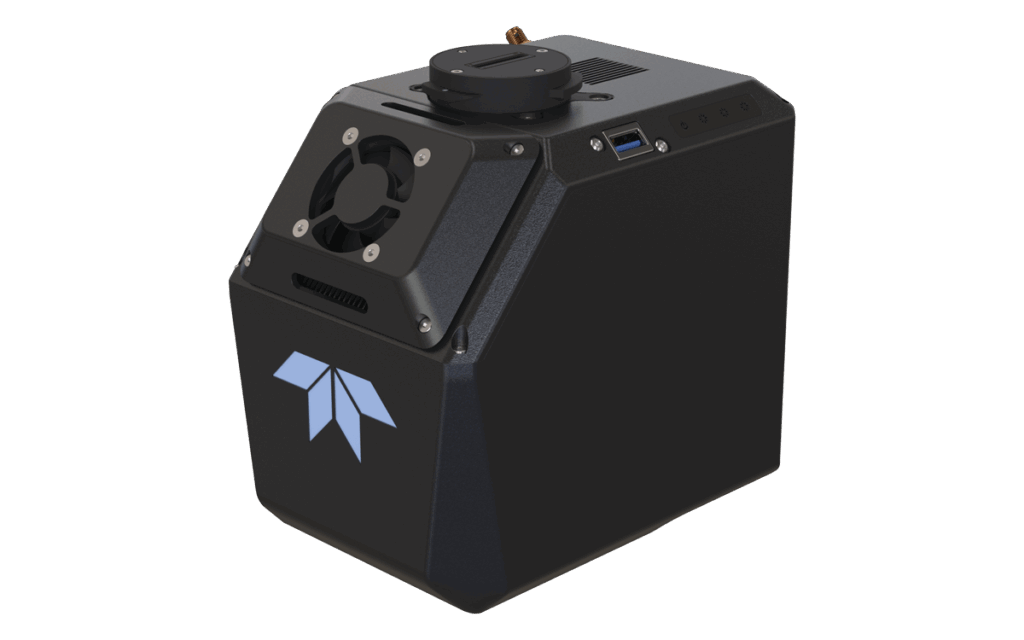
Teledyne EchoONE

Ultra-lightweight Airborne LiDAR System

Ultra-lightweight Airborne LiDAR System
...anced airborne LiDAR solution engineered for UAV-based mapping and high-accuracy geospatial data... ...ation airborne LiDAR system designed for high-precision geospatial mapping and unmanned aerial...
RESEPI GEN II LiDAR Scanning Solutions

Next-generation sensor fusion platform for UAV remote sensing

Next-generation sensor fusion platform for UAV remote sensing
... high-accuracy LiDAR point cloud generation solutions is designed for Inertial Labs partners and...
RESEPI Lite LiDAR Scanning Solutions

High-accuracy sensor fusion platform for UAV remote sensing

High-accuracy sensor fusion platform for UAV remote sensing
... high-accuracy LiDAR point cloud generation solutions is designed for Inertial Labs partners and...
YellowScan Venturer

NDAA-Compliant UAV LiDAR for Survey-Grade Aerial Mapping

NDAA-Compliant UAV LiDAR for Survey-Grade Aerial Mapping
...NDAA-compliant UAV LiDAR engineered for professional drone mapping and geospatial data collection....
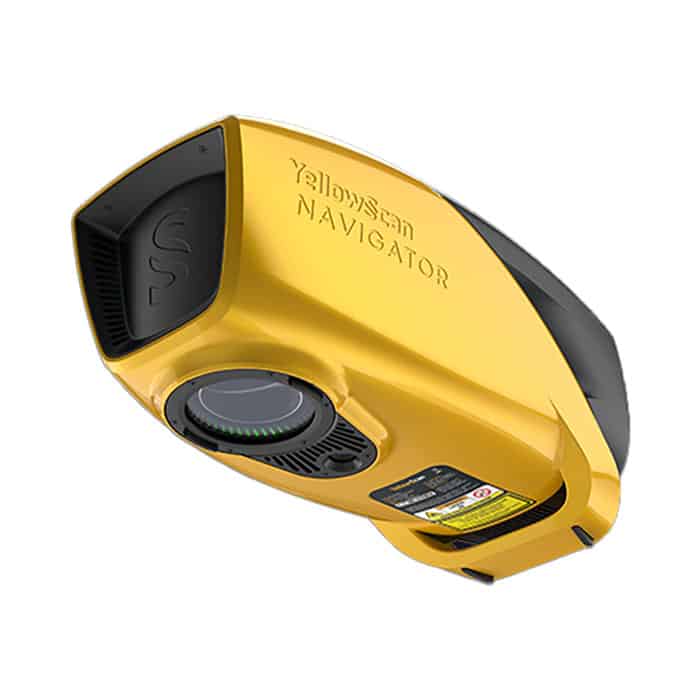
YellowScan Navigator

Bathymetric & topographic LiDAR survey solution

Bathymetric & topographic LiDAR survey solution
...s simultaneous UAV-based surveying of land and water. The compact and lightweight unit can be...
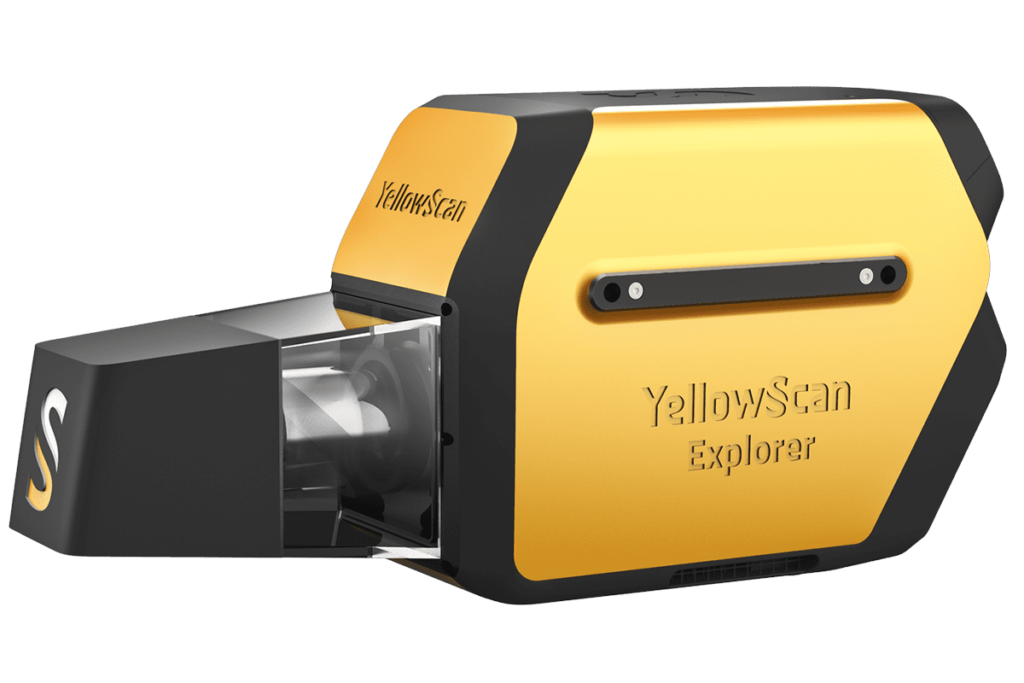
YellowScan Explorer

Long-range, multi-platform LiDAR solution

Long-range, multi-platform LiDAR solution
...is a versatile LiDAR solution designed to be fitted to a range of UAV platforms, including...
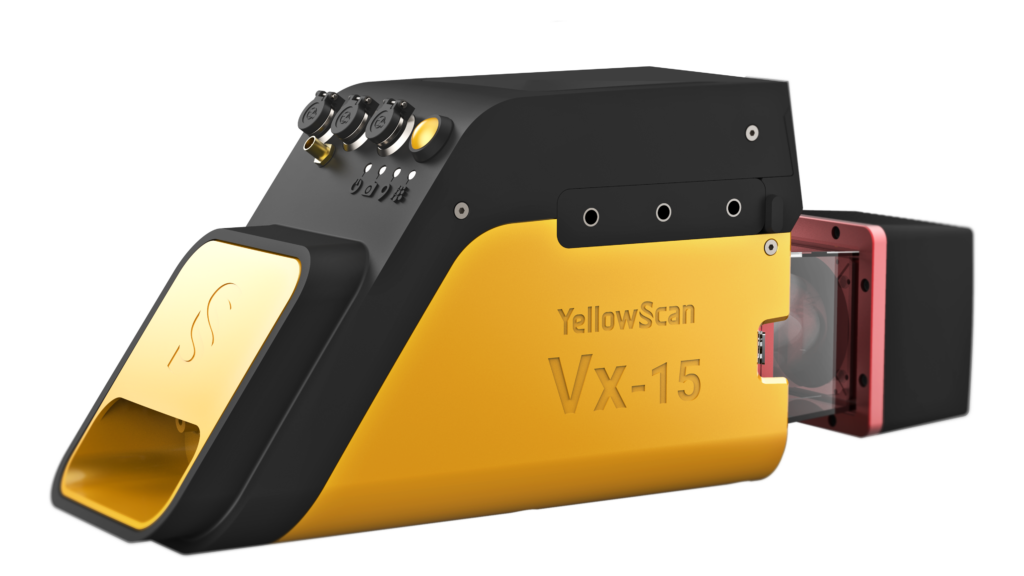
YellowScan Vx15 Series

Long range, high precision UAV LiDAR solution

Long range, high precision UAV LiDAR solution
...high-precision UAV LiDAR mapping solution, incorporating a Riegl Mini-VUX LiDAR sensor and an...
LiSA

Situational awareness LiDAR for degraded visual environments

Situational awareness LiDAR for degraded visual environments
LiSA (Lidar for Situational Awareness) is a UAS-deployable sensor that is designed to provide...
RIEGL VUX-820-G

Topo-bathymetric airborne LiDAR system for coastal & river mapping

Topo-bathymetric airborne LiDAR system for coastal & river mapping
...820-G airborne LiDAR System is a compact 5.7 kg unit designed for UAV-based topo-bathymetric mapping...
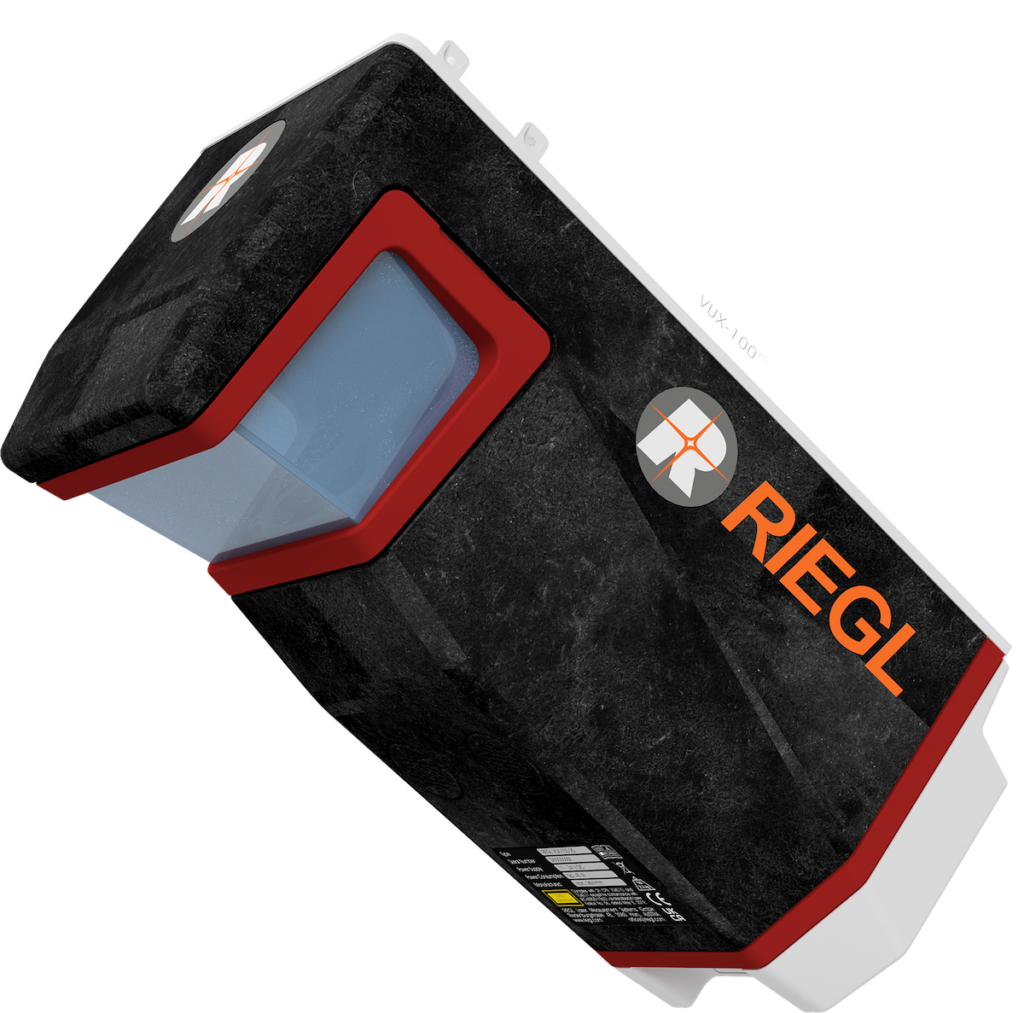
RIEGL VUX-10025

UAV LiDAR Scanner with Extra Large Field of View for Wide Area Coverage

UAV LiDAR Scanner with Extra Large Field of View for Wide Area Coverage
... as standalone UAV LiDAR sensor and also in various fully-integrated UAV-based laser scanning system... ... and versatile LiDAR scanner that provides an extended field of view of 160 degrees for extra-wide...
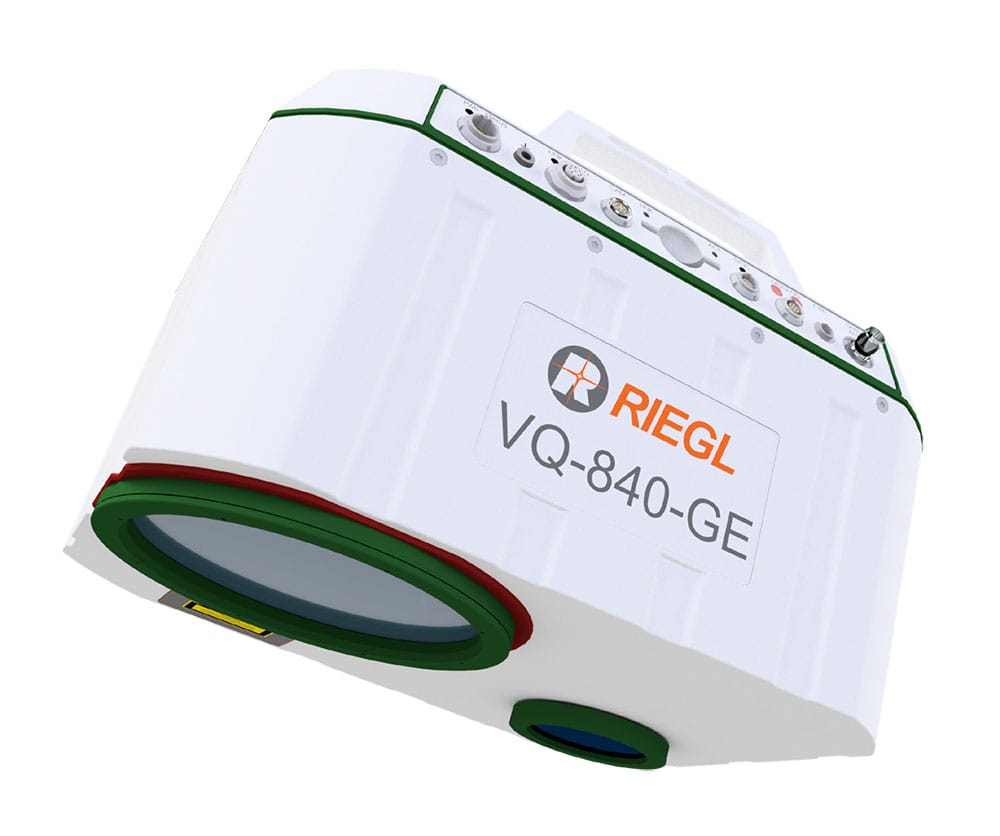
RIEGL VQ-840-GE

Fully integrated laser scanner for combined topographic & bathymetric survey

Fully integrated laser scanner for combined topographic & bathymetric survey
...t designed for UAV-based combined topographic and bathymetric surveying, and can penetrate up to 2...
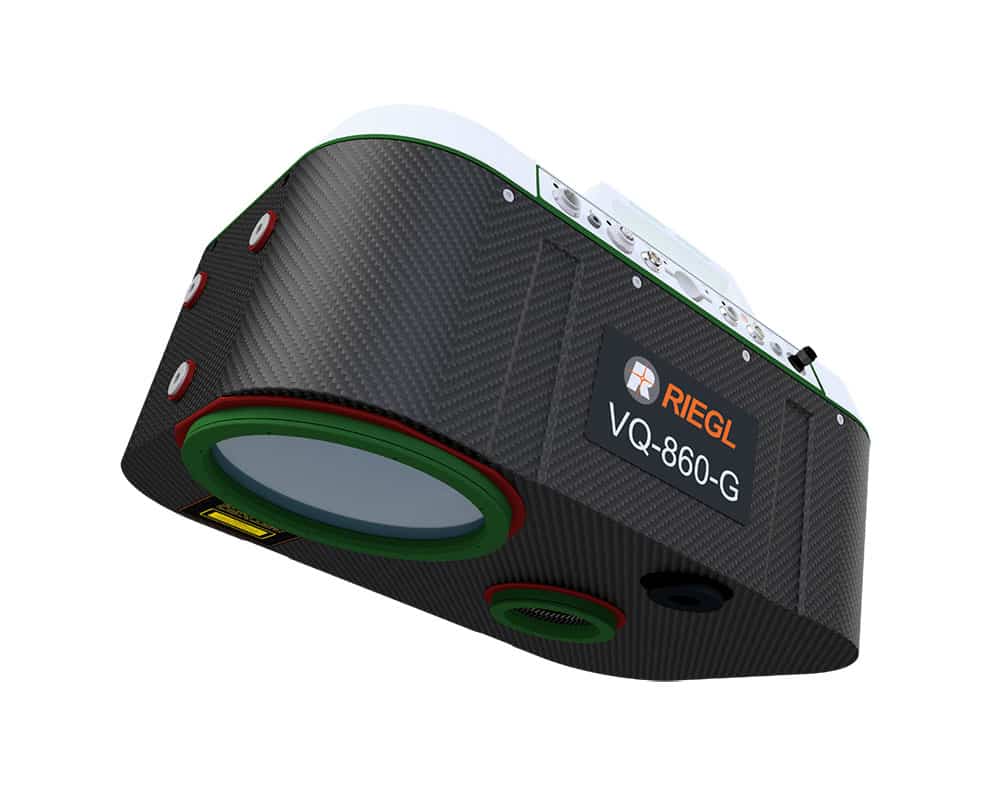
RIEGL VQ-860-G

Airborne laser scanner with enhanced depth performance

Airborne laser scanner with enhanced depth performance
...ble for larger drone platforms. It has been designed with a rugged mechanical structure and a dust-...
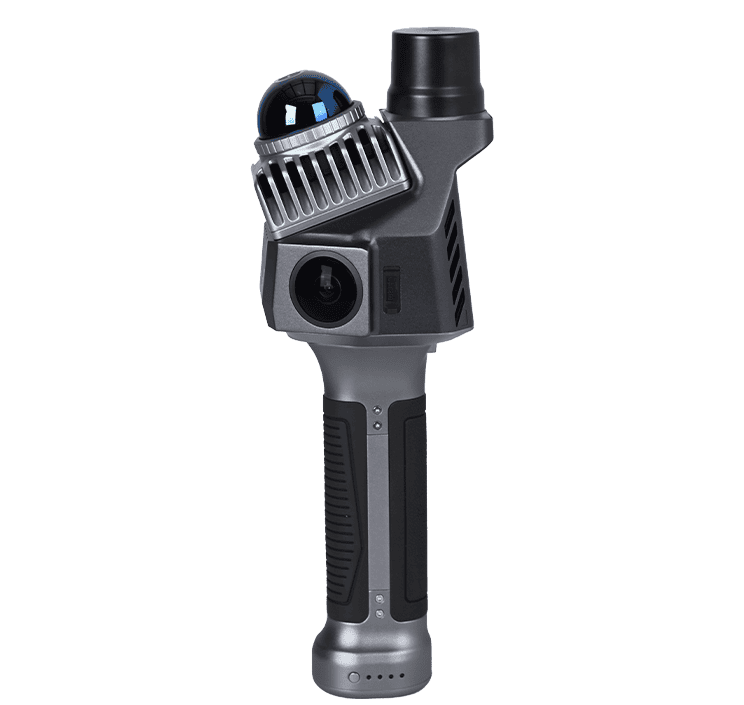
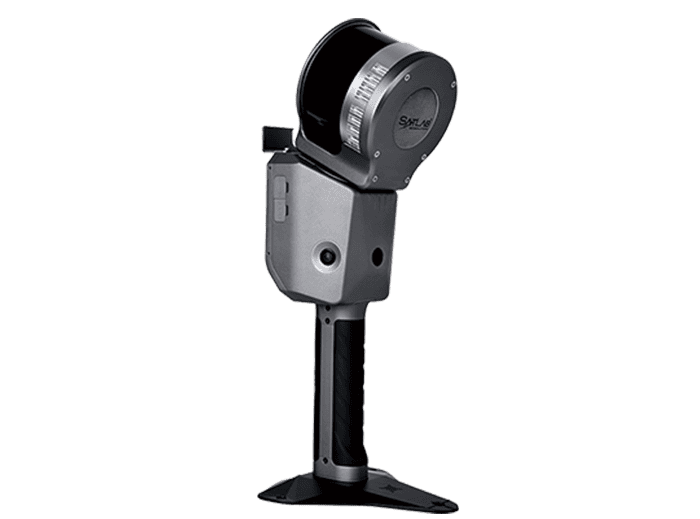
Cygnus Lite Handheld SLAM Scanner

Ultra-lightweight mobile scanner with dual wide-angle cameras

Ultra-lightweight mobile scanner with dual wide-angle cameras
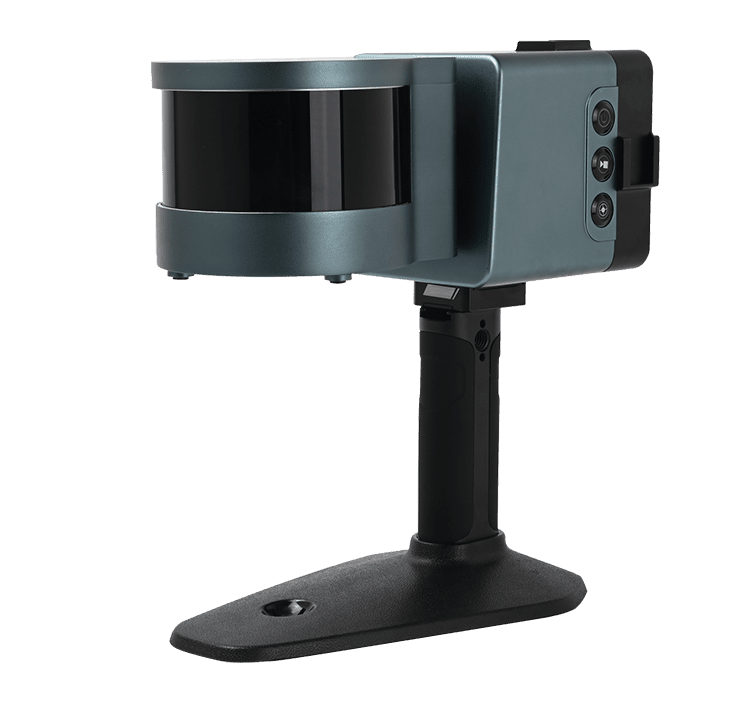
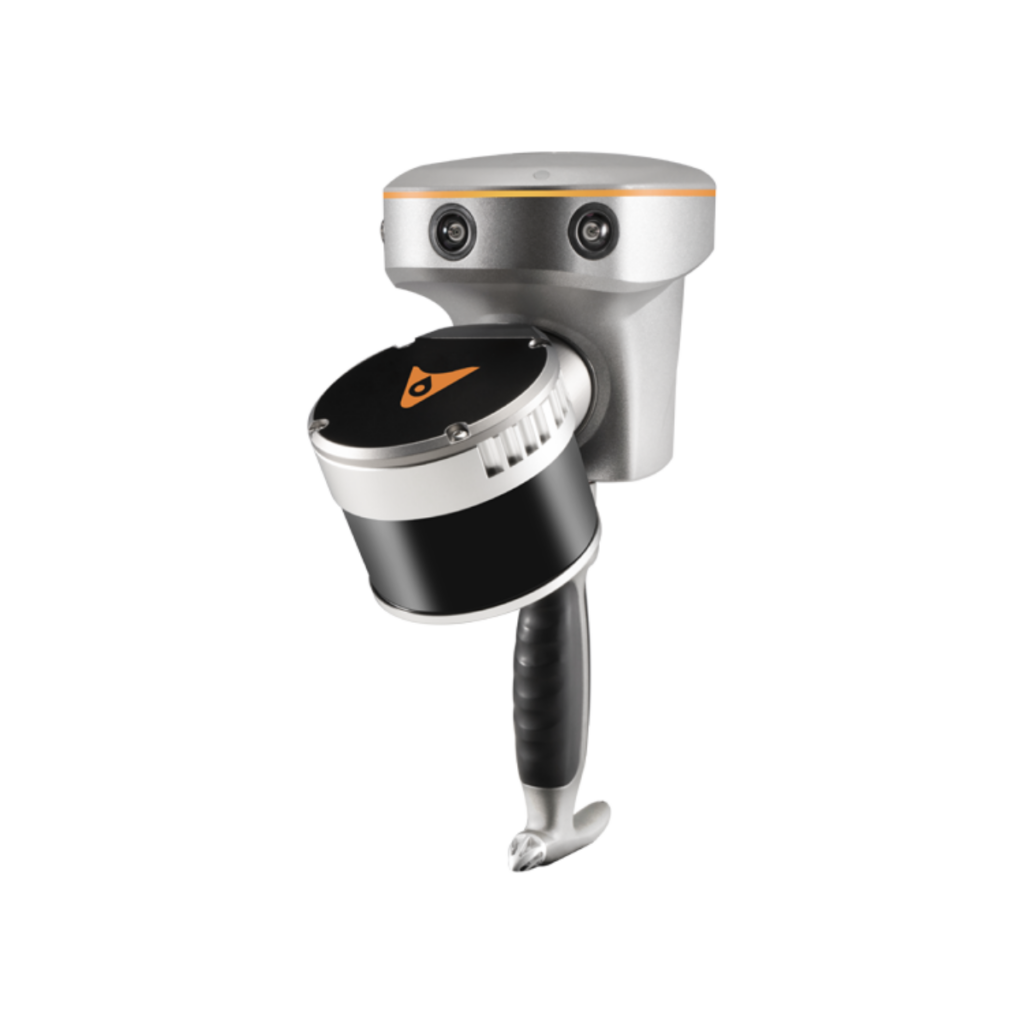
The Cygnus Lite is a highly portable SLAM scanner featuring a 20° tilt mechanism and dual 12MP HD w...
Cygnus 2 Handheld SLAM Scanner

Precision portable scanner with centimeter-level accuracy

Precision portable scanner with centimeter-level accuracy
...bines advanced LiDAR with visual fusion SLAM technology and RTK GNSS to provide high-density point...
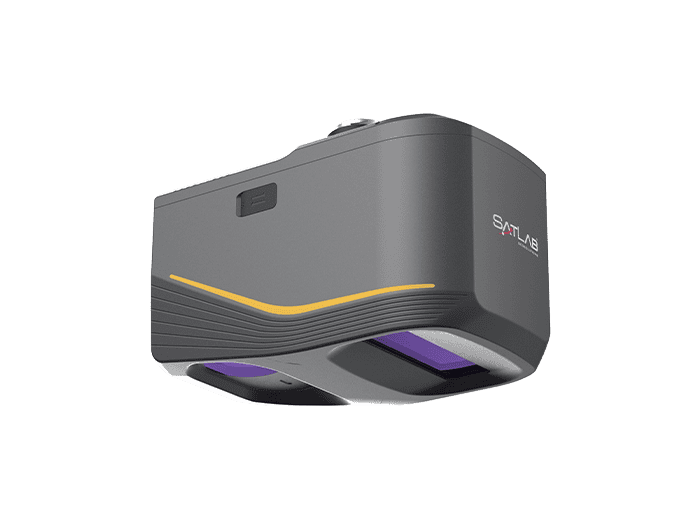
Apus-MX LiDAR Scanner

UAV LiDAR scanner with orthographic camera

UAV LiDAR scanner with orthographic camera
...ful long-range LiDAR scanner with an advanced IMU and an industrial-grade 45 MP RGB orthographic...
Cygnus Handheld SLAM Scanner

Mobile 3D scanner for precise point cloud acquisition

Mobile 3D scanner for precise point cloud acquisition
... wide range of LiDAR scanning applications, including: construction survey, environmental...
Insight Pro – Underwater Laser Scanner

Our longest range subsea laser scanner designed for 3D modelling from dynamic vehicle platforms.

Our longest range subsea laser scanner designed for 3D modelling from dynamic vehicle platforms.
In order to reduce noise and maximize range, the sensor is actively cooled to maintain a 5°C temper...
Insight Micro – Underwater Laser Scanner

Compact underwater laser scanner for small subsea platforms

Compact underwater laser scanner for small subsea platforms
The Insight Micro from Voyis is a high-performance underwater laser scanner engineered specifically ...
CHCNAV AU20 MMS

High-precision mobile mapping system for advanced vehicle-mounted geospatial data acquisition

High-precision mobile mapping system for advanced vehicle-mounted geospatial data acquisition
...ced long-range LiDAR, multi-sensor configurations, and AI-optimized processing to deliver...
AlphaAir 15 Aerial LiDAR Scanner

Lightweight, long-range and high-density UAV LiDAR solution

Lightweight, long-range and high-density UAV LiDAR solution
...mpact airborne LiDAR system that weighs just 2.5kg and can be integrated into a variety of...
RS10

Handheld Slam 3D Laser Scanner + GNSS RTK System

Handheld Slam 3D Laser Scanner + GNSS RTK System
The RS10 is a revolutionary solution for geospatial surveying, which integrates GNSS RTK, laser scan...
AlphaAir 10

Professional Airborne LiDAR + RGB System

Professional Airborne LiDAR + RGB System
...sly integrates LiDAR and RGB sensors to meet the needs of professional UAV LiDAR mapping and drone...

The Comprehensive Guide to Drone LiDAR Solutions

William Mackenzie

Updated:

Introduction to Drone LiDAR Technology

Drone LiDAR (Light Detection and Ranging) systems combine laser-based ranging hardware with unmanned aerial platforms to create highly accurate, three-dimensional digital representations of topography, infrastructure, and vegetation. By emitting rapid laser pulses and precisely calculating the time of flight for each pulse to return after striking a target surface, a drone LiDAR scanner generates dense point clouds. These collections of discrete georeferenced points are processed into detailed geospatial datasets.

Compared with traditional terrestrial surveying and image-based photogrammetry, a drone-based LiDAR system provides superior performance in complex environments. This advantage is clearest where dense vegetation cover, extreme terrain variation, or featureless surfaces challenge optical cameras. A modern UAV LiDAR system integrates a precise laser scanner, a survey-grade GNSS/INS navigation module, high-speed onboard storage, and sophisticated control electronics into a lightweight, optimized payload package.
Core Applications of UAV LiDAR Solutions

Engineering, Surveying, and Topographic Mapping

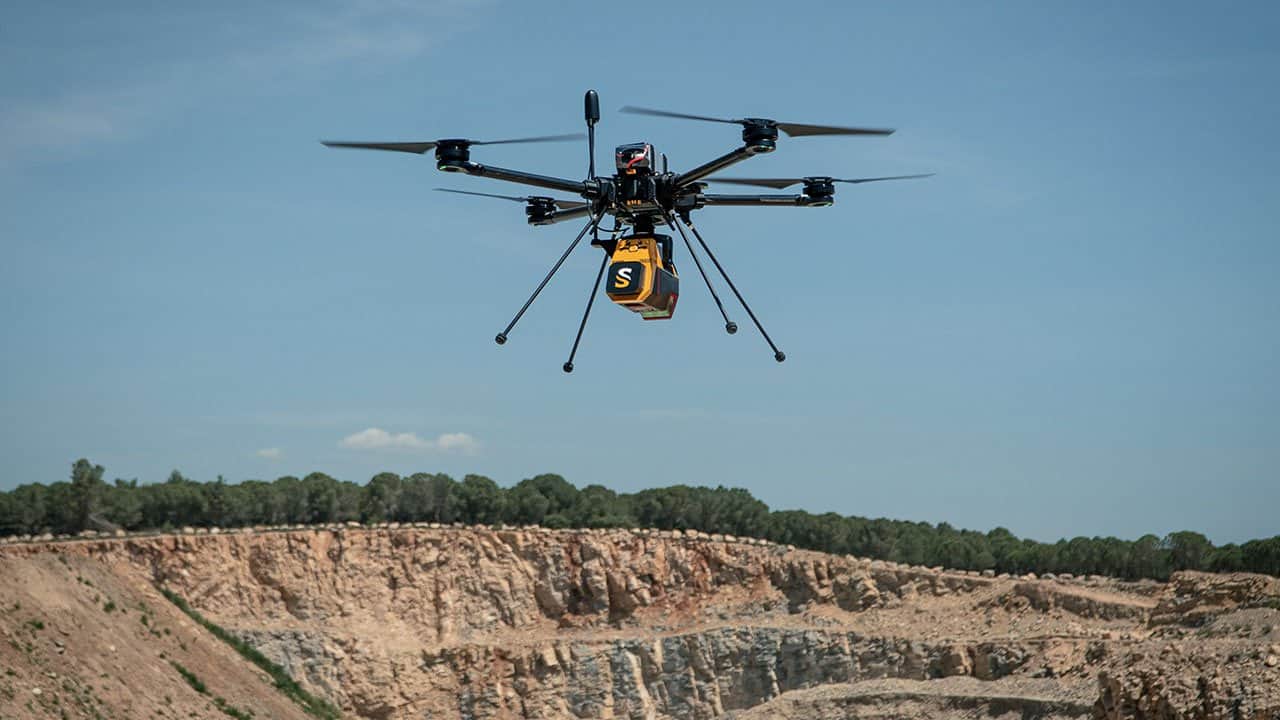
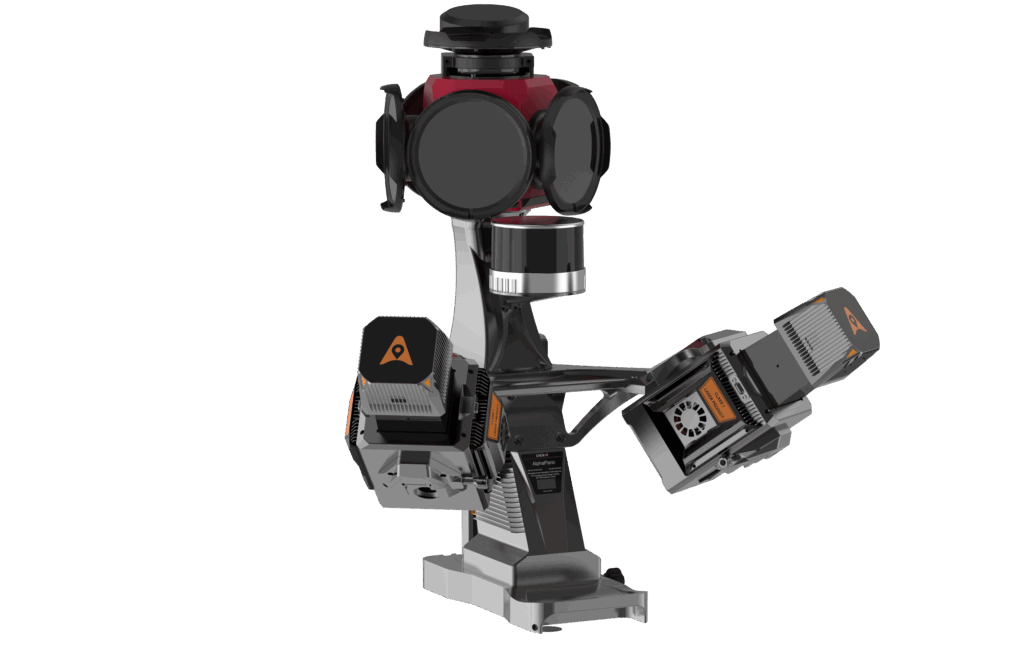
Drone LiDAR by Inertial Labs

RESEPI GEN II LiDAR Scanning Solution by Inertial Labs, a VIAVI Solutions Company

High-precision surveying remains the foundational application area for airborne LiDAR systems. High-density point cloud generation allows survey teams to rapidly produce digital elevation models (DEMs), contour maps, and engineering-grade survey datasets. A drone-mounted LiDAR unit can collect millions of measurements during a single short flight, dramatically reducing hours spent in the field while maintaining precise positional accuracy.

Utilities and Linear Infrastructure Inspection

Utility providers and asset managers deploy LiDAR equipped drones to inspect expansive power transmission lines, substations, pipelines, and rail networks. The resulting 3D data enables engineering teams to accurately monitor structural health, analyze catenary sag, identify vegetation encroachment, and plan preventive maintenance with minimal operational disruption.

Forestry, Canopy Penetration, and Biomass Estimation

The ability of a LiDAR drone sensor to record multiple discrete returns from a single laser pulse makes it invaluable for forestry management. While the first returns map the upper canopy structure, subsequent pulses slip through gaps in foliage to record the forest floor. This capability supports precise biomass estimation, canopy height mapping, and the generation of true bare-earth digital terrain models (DTMs) beneath dense vegetation.

Precision Agriculture and Hydrology

Commercial farming operations rely on high-resolution airborne LiDAR scanner data to analyze micro-topography, map surface drainage, and plan precision irrigation infrastructure. Correlating crop features with exact terrain variations empowers operators to maximize resource allocation and yield efficiency.

Tactical ISR, Route Planning, and Defense Operations

Military, security, and first responder organizations utilize tactical drone LiDAR sensors for rapid intelligence, surveillance, and reconnaissance missions. High-resolution 3D mapping provides immediate terrain awareness, allowing personnel to evaluate route mobility, assess potential helicopter landing zones, and secure operational areas in both urban and austere environments.

Autonomous Navigation and Real-Time Obstacle Avoidance

Beyond data collection, an autonomous drone LiDAR sensor acts as a critical perception layer for safe flight operations. Delivering real-time, three-dimensional situational awareness enables unmanned aircraft to navigate complex environments safely, detecting thin power lines, building facades, and other localized hazards. Advanced configurations also support counter-UAS tracking frameworks by delivering highly precise object localization.

Coastal, Harbor, and Bathymetric Surveying

Maritime operators deploy specialized airborne bathymetric LiDAR systems to map coastlines, chart harbors, and monitor shoreline erosion. These sophisticated packages utilize green-wavelength lasers (typically 532 nm) capable of penetrating the water column. This enables the collection of seamless topography spanning both coastal terrain and shallow underwater environments within a single flight.

Drone LiDAR Sensor Architectures & Scanning Technologies

Selecting the right LiDAR sensor for drone deployment requires an understanding of the underlying laser-steering architecture. Modern LiDAR manufacturers build hardware utilizing four distinct structural approaches:

  • Mechanical Scanning LiDAR: These systems utilize physical spinning mirror assemblies or rotating optical blocks to project laser pulses across a broad field of view. Mechanical designs offer excellent range, consistent point density, and wide cross-track coverage, cementing their place as the primary choice for survey-grade UAV laser scanner payloads.
  • Solid-State LiDAR: By eliminating moving mechanical parts, solid-state designs rely on electronic beam steering or optical switching arrays. This reduction in mechanical complexity enhances structural durability, lowers payload weight, and significantly reduces long-term maintenance costs.
  • MEMS-Based LiDAR: Micro-Electro-Mechanical Systems use microscopic silicon mirrors to steer the laser array. MEMS architectures balance performance, weight, and power consumption, making them highly attractive for compact drone-mounted LiDAR scanner modules and navigation systems.
  • Flash LiDAR: Flash systems function like a 3D camera, illuminating an entire scene with a single wide pulse of light rather than scanning sequentially. This approach delivers instantaneous depth mapping and real-time situational awareness, which is ideal for obstacle avoidance and proximity detection.

Key Performance Parameters for Specifying Systems

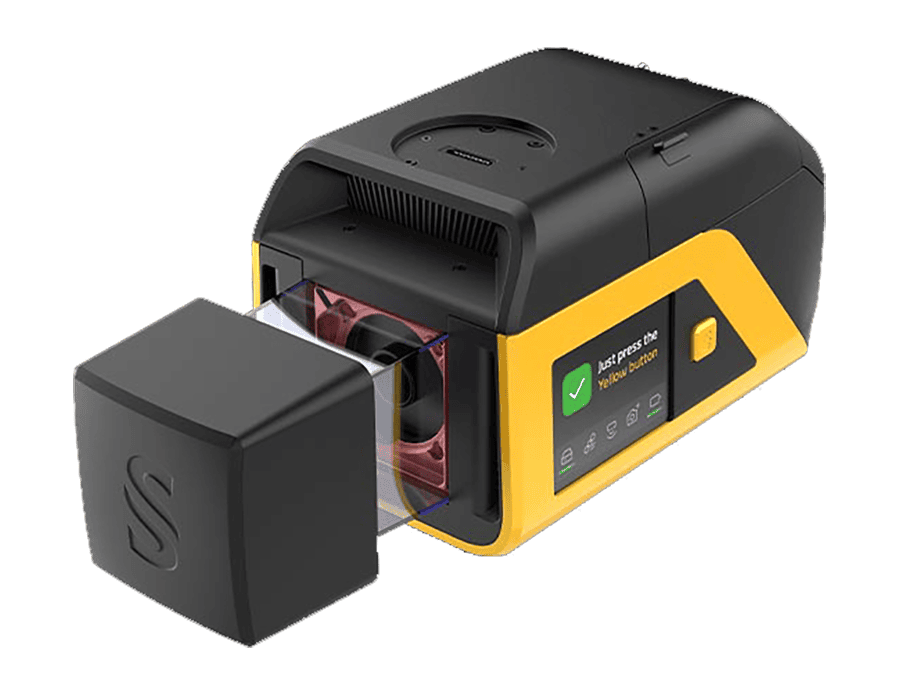
Aerial LiDAR by YellowScan

YellowScan Navigator Bathymetric & Topographic LiDAR Survey Solution

When technical specifiers evaluate a drone LiDAR system or select an entire LiDAR payload, several interconnected engineering metrics dictate operational success:

  • Measurement Range: Defines the maximum operational altitude and distance at which target surfaces can be reliably detected.
  • Pulse Repetition Rate (PRR): Measured in kilohertz (kHz), this dictates the total number of laser pulses emitted per second, directly influencing point collection speed.
  • Scan Frequency and Speed: Reflects how quickly the scanning mechanism covers the field of view, determining cross-track point distribution.
  • Point Density: Calculated as points per square meter (pts/m²), this defines the spatial resolution and structural detail captured within the dataset.
  • Beam Divergence: The spatial expansion of the laser pulse over distance, directly affecting the size of the laser footprint and fine feature resolution.
  • Absolute Positional Accuracy: The precision of the processed points relative to their true geographic coordinates, critical for engineering-grade work.
  • Dynamic Precision: The system’s ability to maintain tight measurement tolerances despite aircraft vibration, wind buffeting, and rapid heading changes.
  • Multi-Return Capability: The number of distinct reflections recorded per pulse, which determines the system’s ability to penetrate heavy canopy.

Integration with Unmanned Platforms

To optimize aerial data capture, the selected drone LiDAR hardware must align closely with the flight characteristics of the unmanned aircraft system.

Multirotor Platforms

Rotary-wing aircraft provide excellent maneuverability, steady hovering stability, and the ability to fly at lower speeds and lower altitudes. These platforms are the preferred choice for high-density infrastructure inspection, urban corridor mapping, and localized surveys requiring highly detailed 3D point clouds.

Fixed-Wing Systems

Fixed-wing drones deliver extended flight endurance and higher cruise speeds. When paired with a lightweight UAV LiDAR sensor, they excel at mapping expansive linear assets, regional forestry tracts, and large-scale pipeline corridors that would require multiple battery swaps on a multirotor platform.

Hybrid VTOL (Vertical Take-Off and Landing) Platforms

VTOL aircraft combine the launch flexibility of a multirotor with the aerodynamic efficiency of a fixed-wing design. These hybrid platforms are increasingly favored by commercial drone LiDAR services, allowing operators to deploy high-value LiDAR equipment in confined areas while retaining the range needed for regional mapping.
Point Cloud Processing & Deliverables

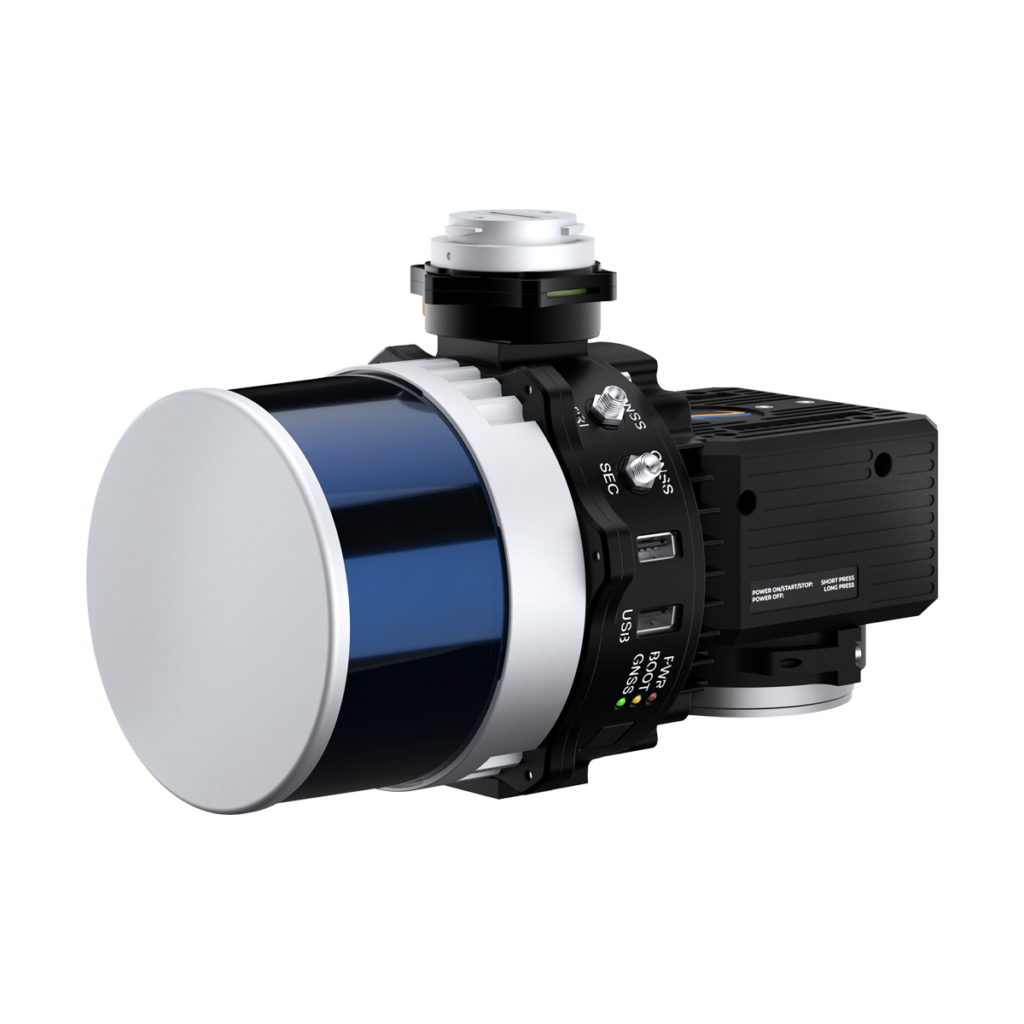
UAV LiDAR by Areté

LiSA UAS-Deployable Situational Awareness LiDAR Solution by Areté

Raw data captured by a LiDAR drone camera or sensor payload requires a structured post-processing workflow to unlock its full commercial value.

Georeferencing and Trajectory Correction

The initial processing step fuses raw laser ranging data with the high-frequency positional information recorded by the onboard GNSS receiver and Inertial Measurement Unit (IMU). Through Post-Processed Kinematic (PPK) smoothing, engineers resolve the exact position and attitude of the sensor for every microsecond of flight, ensuring precise data alignment.

Point Cloud Registration and Strip Adjustment

When flying parallel paths over a target area, adjoining data strips will overlap. Point cloud registration uses spatial algorithms and boresight calibration parameters to eliminate residual alignment discrepancies between flight lines. This creates a mathematically unified, seamless three-dimensional model.

Noise Filtering and Feature Classification

Raw sensor data inevitably contains unwanted points caused by atmospheric dust, moisture, or sensor artifacts. Automated processing software applies geometric filters to remove this noise. Advanced algorithms then classify the remaining point cloud, sorting data into logical layers such as bare ground, low vegetation, high canopy, structural assets, and water surfaces.

Primary Data Products

  • Digital Terrain Model (DTM): A bare-earth representation created by stripping away all vegetation, buildings, and man-made structures from the point cloud. This is a critical asset for hydrologists, civil engineers, and land developers.
  • Digital Surface Model (DSM): A dataset capturing the uppermost surface of the environment, including tree canopies, power lines, and rooftops, providing crucial situational context for urban planners and utility operators.
  • Canopy Structure Models: Tailored datasets for environmental monitors that calculate canopy height profiles, density distribution, and underlying forest biomass metrics.

Environmental & Operational Dynamics

Deploying drone LiDAR technology requires a practical understanding of how ambient atmospheric conditions influence data capture quality.
  • Lighting Independence: Because LiDAR is an active remote sensing technology that supplies its own light source, it operates largely independent of solar angle, shadowing, or ambient light levels, enabling night operations.
  • Vegetation Overgrowth: While multi-return laser sensors penetrate dense foliage, extreme jungle or dense summer canopies may block all ground returns. Missions in deciduous environments are best scheduled during leaf-off conditions.
  • Atmospheric Obscurants: Heavy rain, dense fog, falling snow, and high dust concentrations degrade laser transmission. These airborne particles scatter light pulses, generating false returns and significantly reducing the effective range of the sensor.
  • Water Surface Absorption: Standard near-infrared (NIR) LiDAR wavelengths are largely absorbed by water bodies, resulting in data dropouts. Mapping subsea surfaces or riverbeds requires specialized bathymetric systems using green laser configurations.
  • GNSS-Challenged Environments: Deep urban canyons, mountainous valleys, and areas with heavy electronic interference can degrade satellite positioning. Flight teams operating in these regions rely heavily on high-grade tactical IMUs and terrestrial control points to maintain data integrity.

Industry Standards & Regulatory Compliance

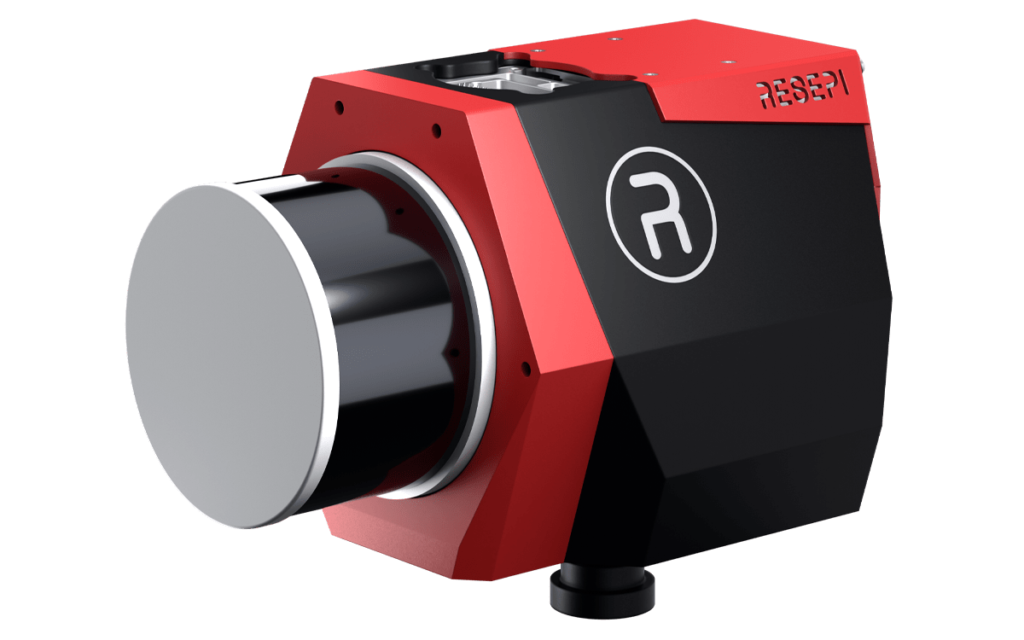
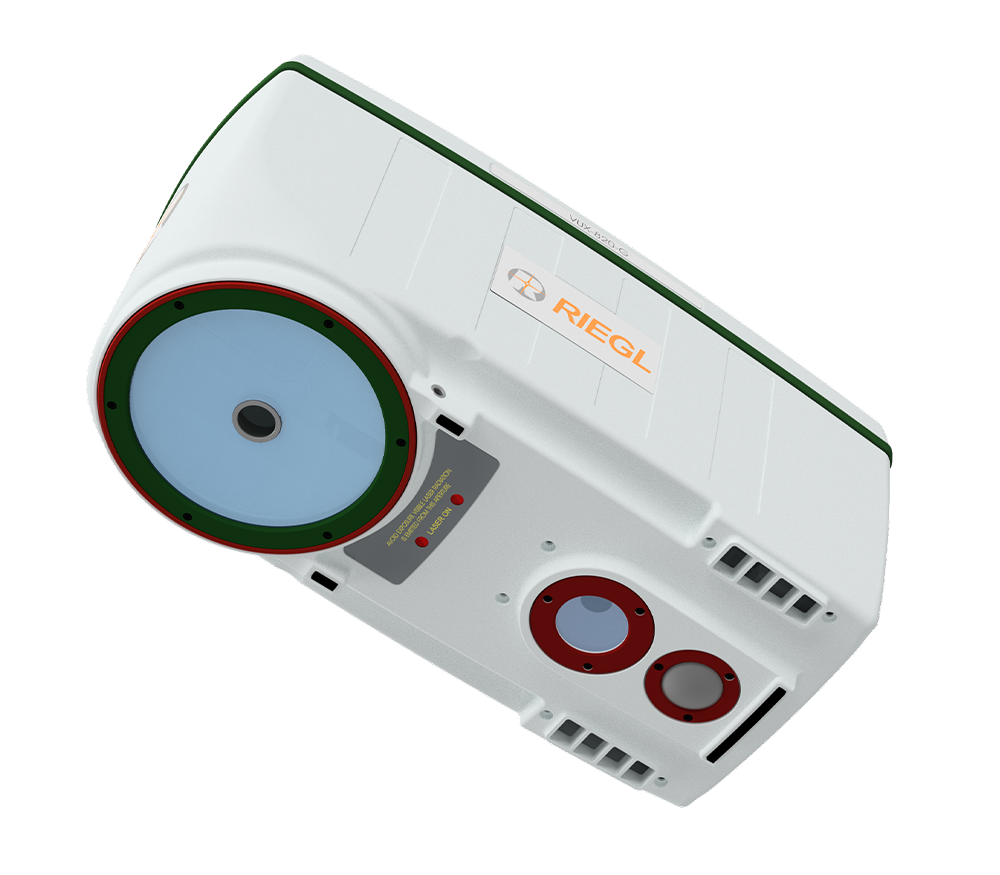
Drone LiDAR Sensor by RIEGL

RIEGL VUX-10025 UAV LiDAR Scanner

Professional aerial surveying demands strict adherence to international geospatial frameworks to ensure dataset defensibility.

Positional Accuracy Certification

LiDAR data workflows must comply with established horizontal and vertical accuracy standards. Deliverables are routinely checked against independent ground control points (GCPs) to calculate the Root Mean Square Error (RMSE), validating that the spatial data meets structural engineering criteria.

ASPRS Compliance Standards

The American Society for Photogrammetry and Remote Sensing (ASPRS) defines some of the most widely adopted standards for LiDAR data quality. These standards govern point cloud classification schemas, coordinate reference system reporting, and accuracy validation procedures, ensuring data consistency across international supply chains.

Several key technological advancements are currently shaping the future of aerial data collection and autonomous navigation:

  • Sensor Miniaturization and Payload Democratization: Accelerated development in micro-optics and semiconductors allows advanced survey-grade drone LiDAR payloads to deploy on compact commercial multirotor platforms without sacrificing operational range or point density.
  • Edge Computing and AI-Driven Semantic Mapping: Onboard artificial intelligence models enable real-time data cleaning, feature extraction, and object recognition mid-flight, drastically shortening post-processing turnarounds.
  • Multi-Sensor Fusion Architectures: Fusing a drone laser scanner with high-resolution RGB cameras, thermal sensors, and hyperspectral imagers generates colormapped 3D assets that deliver unparalleled analytical depth.
  • LiDAR for Autonomous Swarms: High-speed sensors provide the critical real-time 3D spatial awareness and localization required for multi-vehicle swarm coordination, decentralized mapping, and collision avoidance.

Sourcing LiDAR for Drones

The global drone LiDAR ecosystem includes established laser scanner manufacturers, payload integrators, specialized software companies, and platform developers. For procurement professionals, navigating this space means balancing the absolute accuracy requirements of the target application against the payload capacity and budget constraints of the enterprise. Partnering with recognized LiDAR suppliers ensures that your organization secures the technical support, software licensing, and hardware reliability required to maintain a competitive edge in high-value aerial surveying.


Related Articles

Revealing Hidden Terrain Features with Airborne & UAV LiDAR Scanning

RIEGL discusses how its airborne and UAV LiDAR scanning technologies are helping researchers reveal concealed terrain features beneath dense vegetation and identify wartime relics and heritage sites across Hong Kong and Malaysia

May 11, 2026
YellowScan: Bringing a Community Together

YellowScan recently hosted its sixth LiDAR Convention in Aix-en-Provence, bringing together a global audience of surveyors, engineers, researchers, drone manufacturers, and industry partners

Apr 30, 2026
CHC Navigation Debuts AlphaAir 6 Long-Range LiDAR for High-Relief Terrain & Aerial Surveying

CHC Navigation introduces a flagship airborne mapping solution, AlphaAir 6, featuring 2,100m ranging and prism scanning for complex drone-based aerial surveys

Apr 14, 2026
Sony Launches Compact Depth Sensor for Autonomous Systems & Inspection Drones

Sony Electronics' new miniature LiDAR depth sensor weighs just 46 grams, offering high-precision long-distance measurement and seamless integration for space-constrained applications

Apr 10, 2026
YellowScan LiDAR Convention Returns for Sixth Edition

YellowScan LiDAR Convention 2026 will bring industry professionals together in France to explore market trends, real-world applications, and the latest developments in LiDAR technology and workflows

Apr 01, 2026
RIEGL LiDAR Systems Enable Rapid Dual-Sensor Mapping of Austria’s Piesting River

A helicopter-based survey featuring RIEGL VUX-120 and VQ-840-G sensors delivers a seamless topo-bathymetric model for flood protection and hazard planning

Mar 31, 2026
YellowScan Unveils NDAA-Compliant Venturer LiDAR

YellowScan debuted a new survey-grade solution at Geo Week 2026 focusing on local data processing and universal UAV compatibility for demanding environments

Mar 05, 2026
Mapping Whitewater Rivers with Bathymetric LiDAR

Riegl demonstrates how advanced bathymetric LiDAR waveform processing enables accurate river bed mapping in turbulent whitewater mountain river environments

Feb 04, 2026
Cellen Successfully Integrates YellowScan LiDAR on H2-6 Multirotor UAS

Cellen has expanded the payload options of its hydrogen-powered H2-6 multirotor UAS through the integration of YellowScan LiDAR payloads to support mapping and surveying applications

Feb 02, 2026