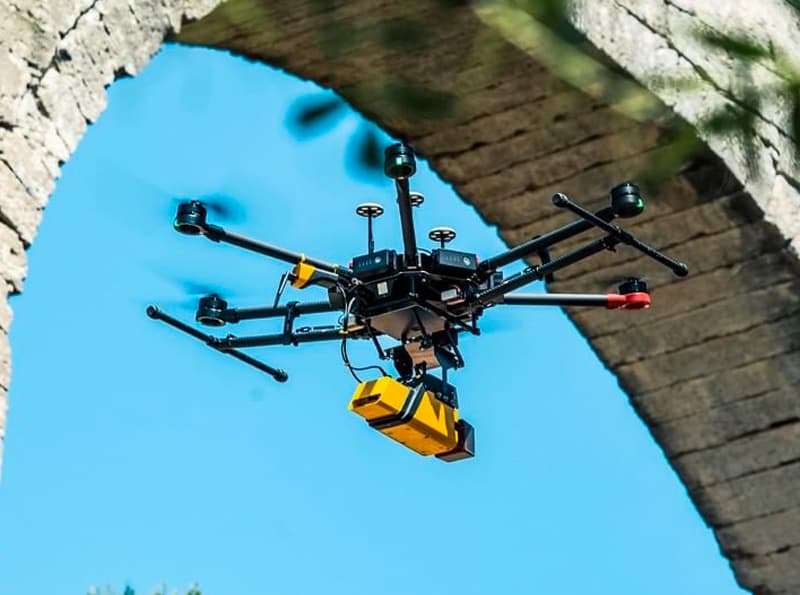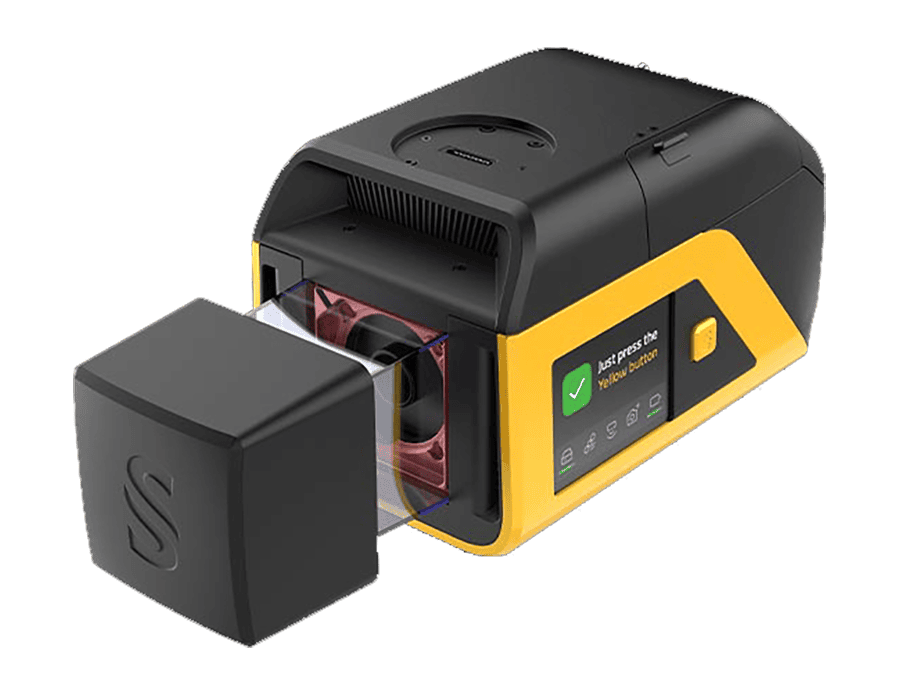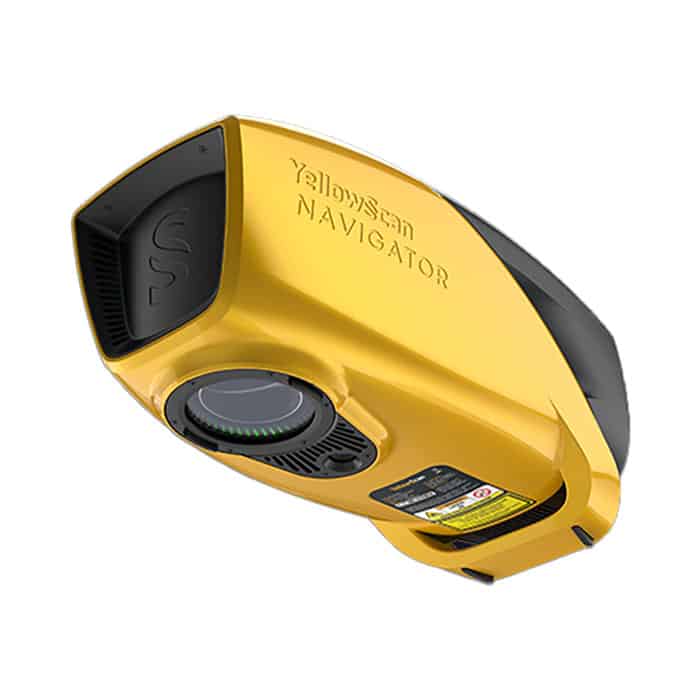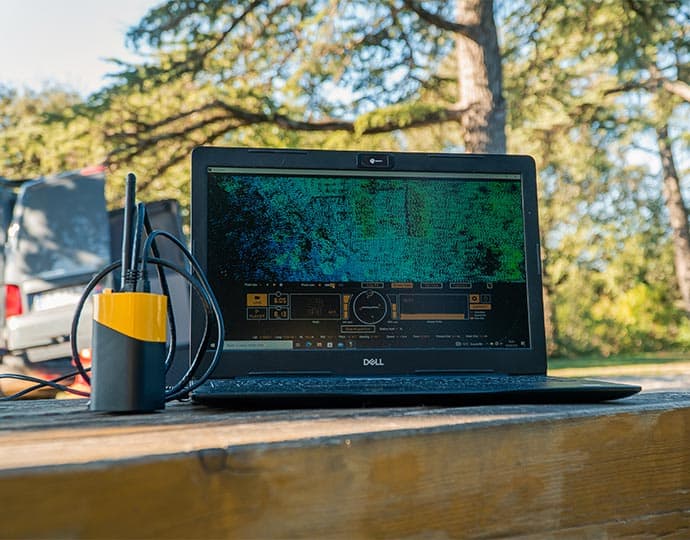



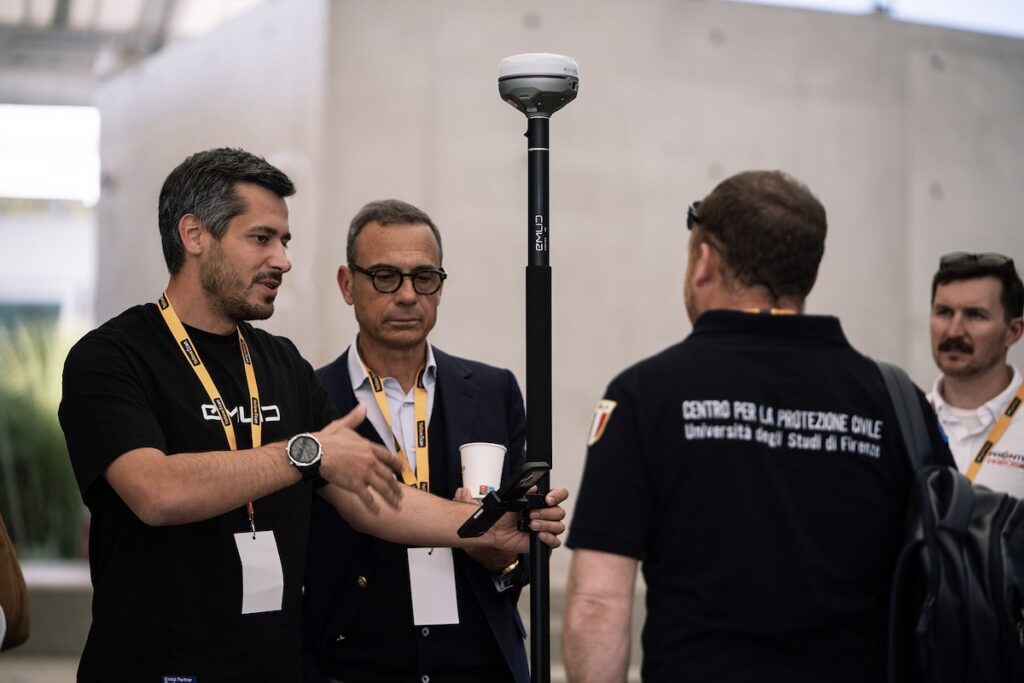
YellowScan‘s recent two-day LiDAR Convention in Aix-en-Provence centered on practical LiDAR applications, emphasizing direct exchange between professionals working across the technology’s lifecycle. The event brought together an international audience of industry partners, engineers, researchers, surveyors, and drone manufacturers.
Collaborative Environment for Real-World Insight
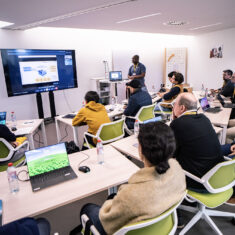
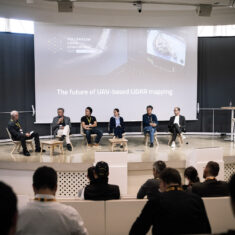
The event extended beyond structured presentations to foster meaningful interaction among participants. While keynote sessions, panel discussions, workshops, and live demonstrations formed part of the program, the most impactful moments occurred in informal settings. Attendees shared operational challenges, discussed integration hurdles, and examined how LiDAR systems perform under real-world conditions.
These exchanges highlighted the value of connecting system designers, end users, and integrators in a single environment. Conversations shifted from theoretical capabilities to practical requirements, enabling more grounded and relevant discussions about current and future needs.

Evolving Expectations Across the LiDAR Sector
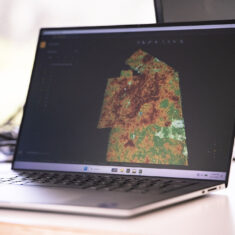
Recurring themes emerged throughout the convention, reflecting broader shifts within the LiDAR market. Participants emphasized that standalone hardware is no longer sufficient. There is increasing demand for integrated ecosystems that combine sensors, processing software, and operational platforms into cohesive workflows.
Environmental and bathymetric applications were also identified as key areas of growth. These use cases are becoming central to industry activity, driven by the need for accurate, actionable data in response to environmental monitoring and resource management challenges.
Another consistent point raised was usability. As LiDAR solutions become more advanced, users expect systems that balance performance with ease of use. Tools must integrate efficiently into existing workflows while maintaining operational simplicity.
Early Engagement in Technology Development
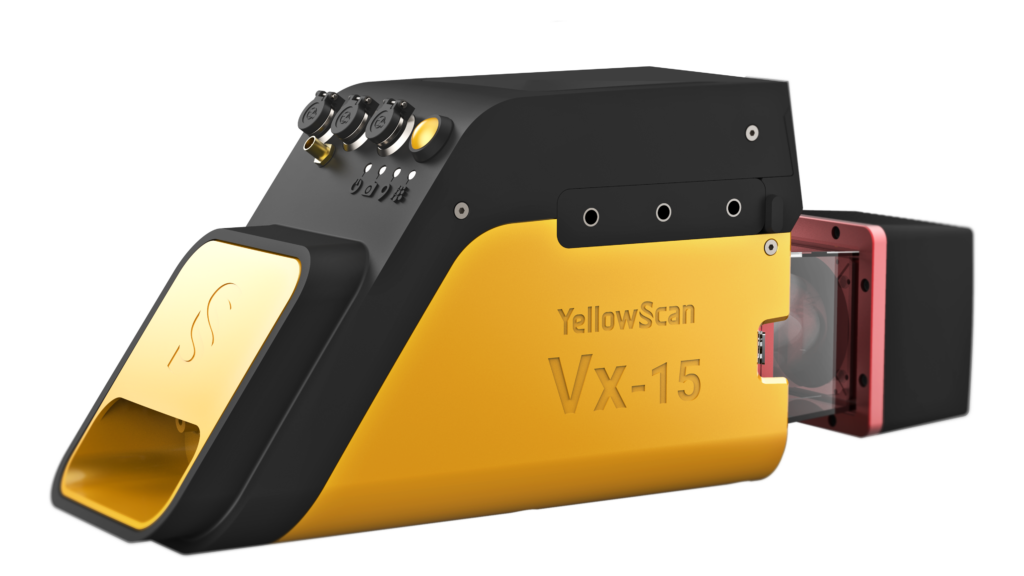
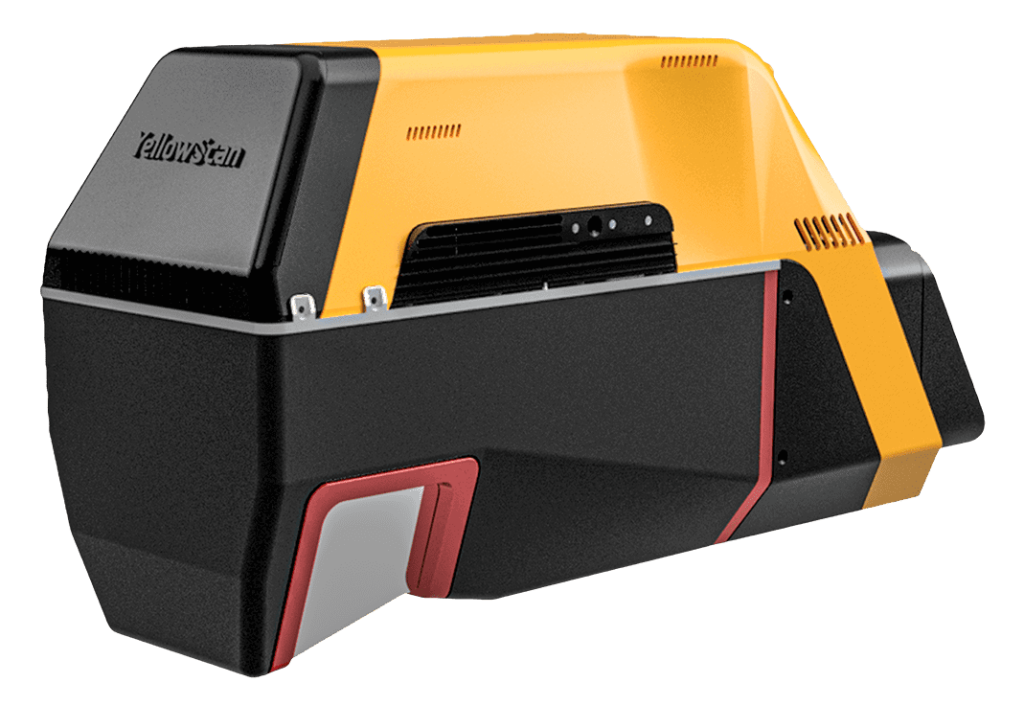
During the convention, YellowScan presented an early preview of upcoming developments. Rather than introducing fully finalized products, the company shared work-in-progress concepts directly with attendees. This approach enabled immediate feedback from professionals who would ultimately deploy these solutions in the field.
The resulting discussions provided valuable input, reinforcing the role of user engagement in shaping practical innovation. By prioritizing dialogue over formal announcements, the company facilitated a more iterative and responsive development process.

Strengthening Industry Connections
The convention underscored the importance of structured yet open interaction within the LiDAR community. Creating an environment that encourages direct communication allows participants to exchange ideas, question assumptions, and contribute insights based on real experience.
Such engagement supports ongoing progress across the sector, as collaboration between stakeholders helps align technological development with operational realities.
Continuing the Conversation
The sixth edition of the YellowScan LiDAR Convention demonstrated the value of sustained industry dialogue. The discussions initiated during the event are expected to continue through collaborative projects, partnerships, and future innovations.
As the LiDAR landscape evolves, ongoing interaction between developers, users, and integrators will remain essential in guiding the direction of emerging solutions and ensuring their relevance in practical applications.