
RIEGL discusses how its airborne and Unmanned Aerial Vehicle (UAV) LiDAR technologies are being used by researchers at The Hong Kong Polytechnic University (PolyU) to uncover hidden wartime relics, cultural antiquities, and heritage sites concealed beneath dense vegetation across Hong Kong. Read more >>
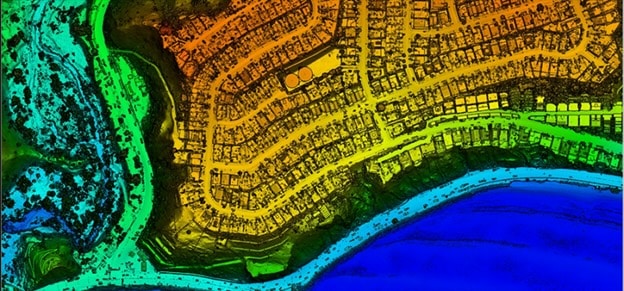
Led by Prof. Wallace Wai Lok LAI of the Department of Land Surveying and Geo-Informatics, the project combines advanced geospatial technologies with Red Relief Image Mapping (RRIM) to reveal subtle terrain features and generate highly detailed digital terrain models.
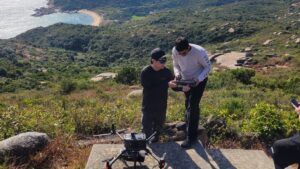
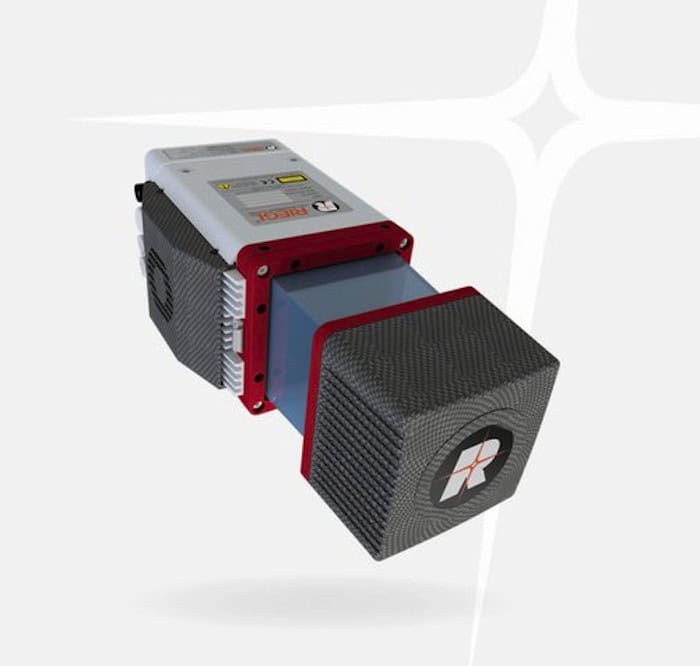
RIEGL VUX-120²³ survey in Lamma Island.
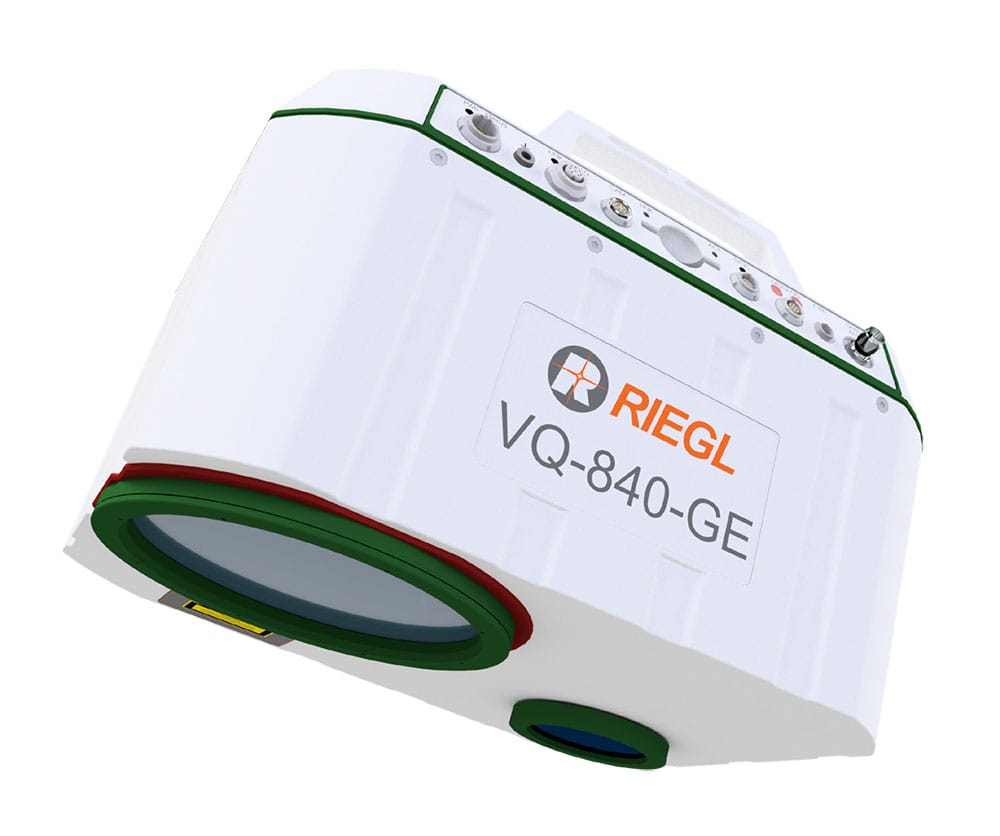
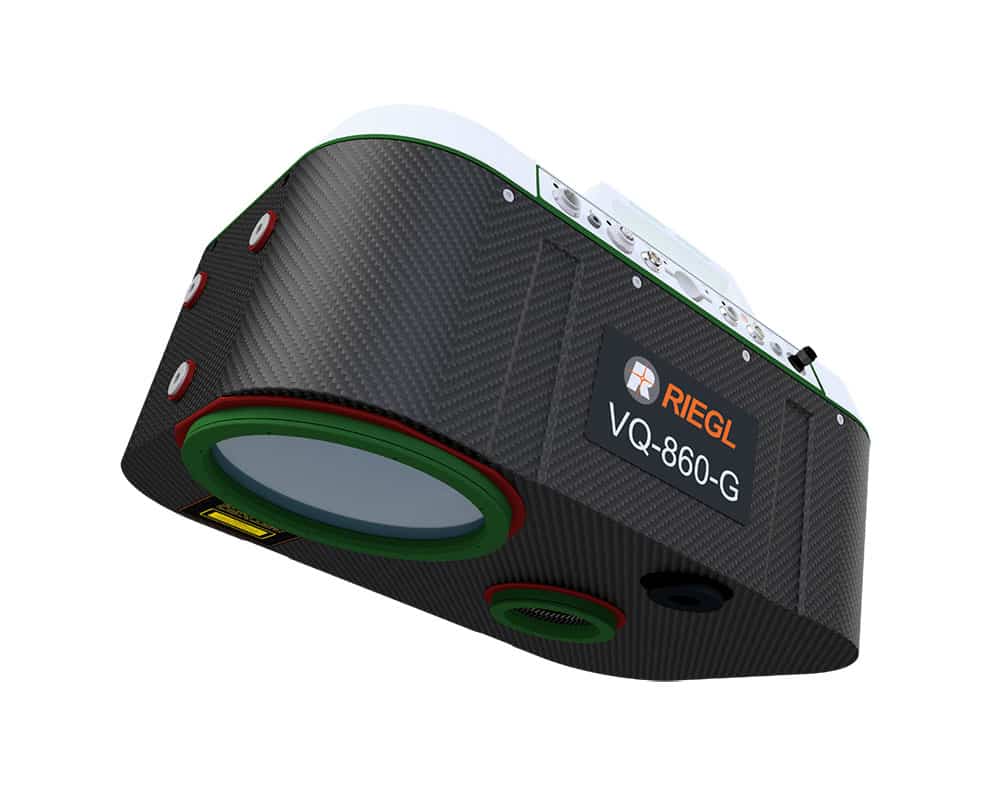
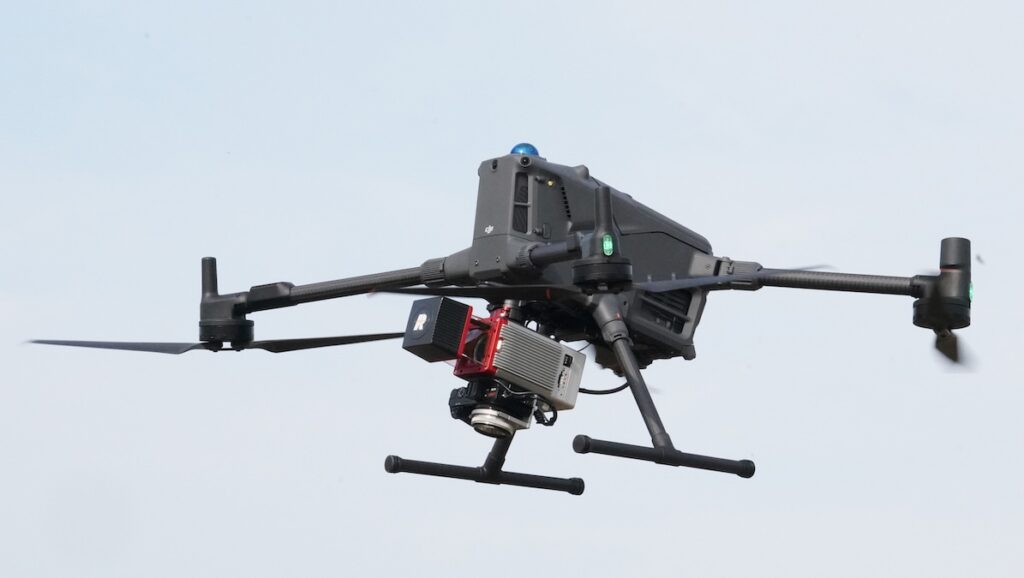
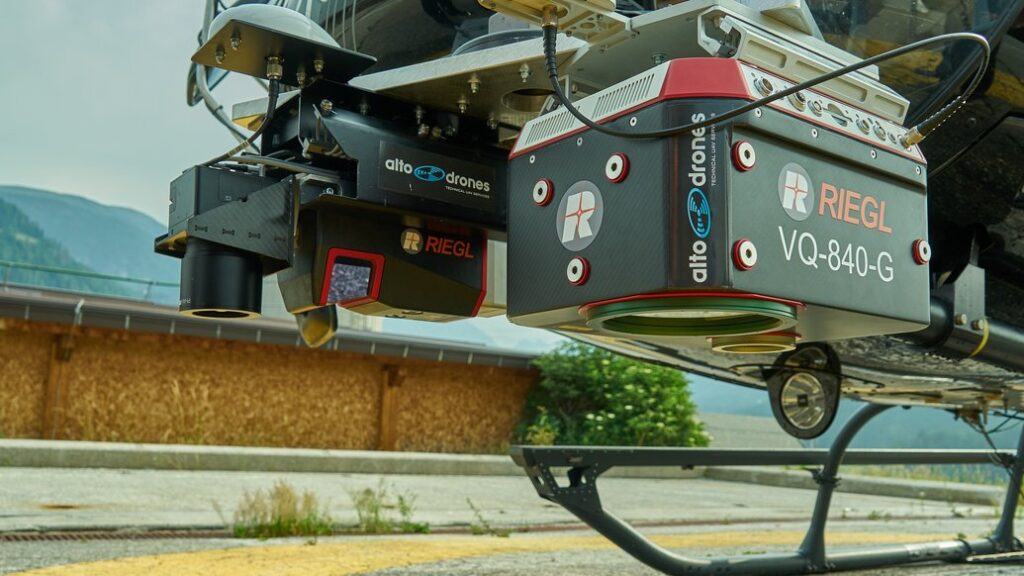
The research utilized two LiDAR datasets acquired using different platforms and flight altitudes. The first dataset was collected using a RIEGL Airborne Laser Scanning (ALS) system flown by helicopter at approximately 2,000 to 3,000 feet, while the second dataset was captured using a RIEGL Unmanned Laser Scanning (ULS) sensor operated at around 90 meters above ground level on a drone.
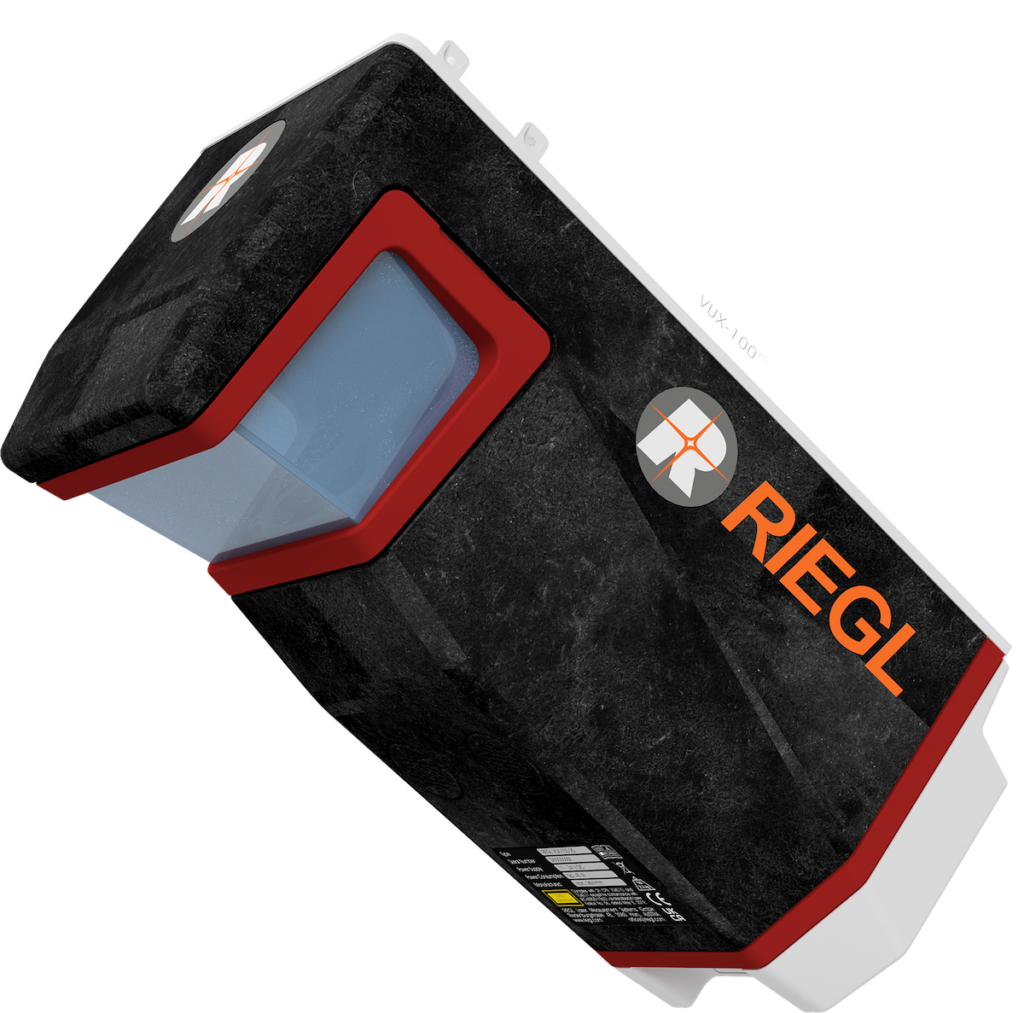
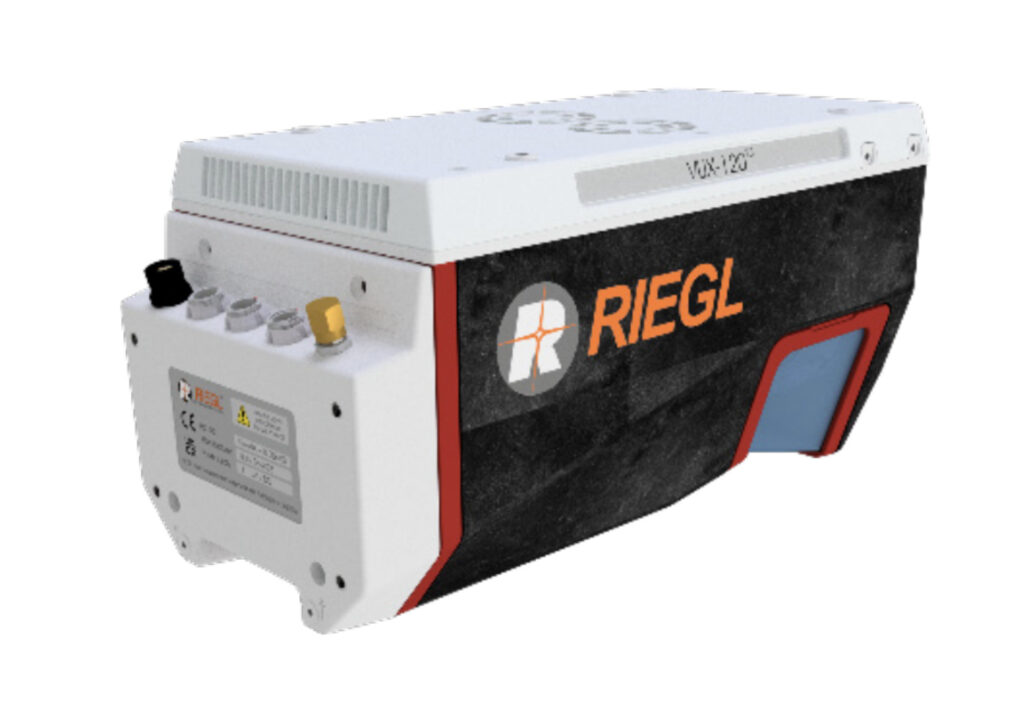
Despite the substantial differences in acquisition altitude and platform, both datasets successfully revealed the underlying terrain morphology beneath vegetation canopies. The ALS dataset, collected using a RIEGL VQ-1560i system, provided efficient large-area coverage, while the ULS dataset captured with the RIEGL VUX-120²³ delivered finer terrain detail and operational flexibility for focused survey areas.
According to the project findings, combining ALS and ULS approaches enabled a more complete understanding of complex landscapes and revealed ground features not visible through conventional aerial imagery. Using the high-resolution VUX-120²³ dataset, the research team assessed differences in terrain representation, detail, and clarity. Prof. Wallace LAI noted that the results demonstrate how LiDAR technology can capture terrain information in ways other capture methods cannot, supporting the identification and preservation of cultural heritage.
Expanding Heritage Research Across Southeast Asia
The work also forms part of broader heritage research efforts beyond Hong Kong. Following the identification of wartime pillboxes, hidden tunnels, and other historical structures in Hong Kong, the team applied similar geospatial methodologies in Melaka, Malaysia, a UNESCO World Heritage city.
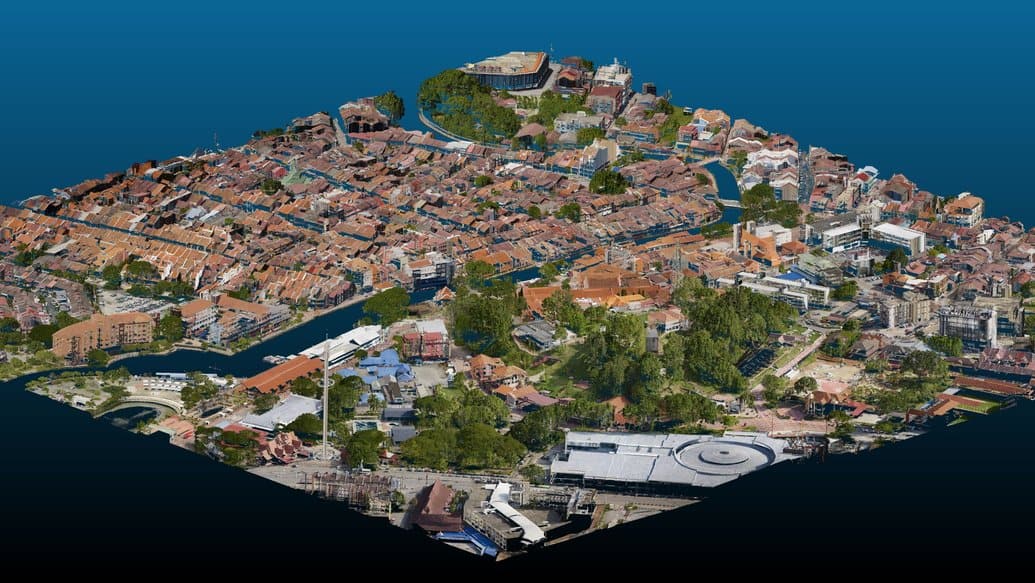
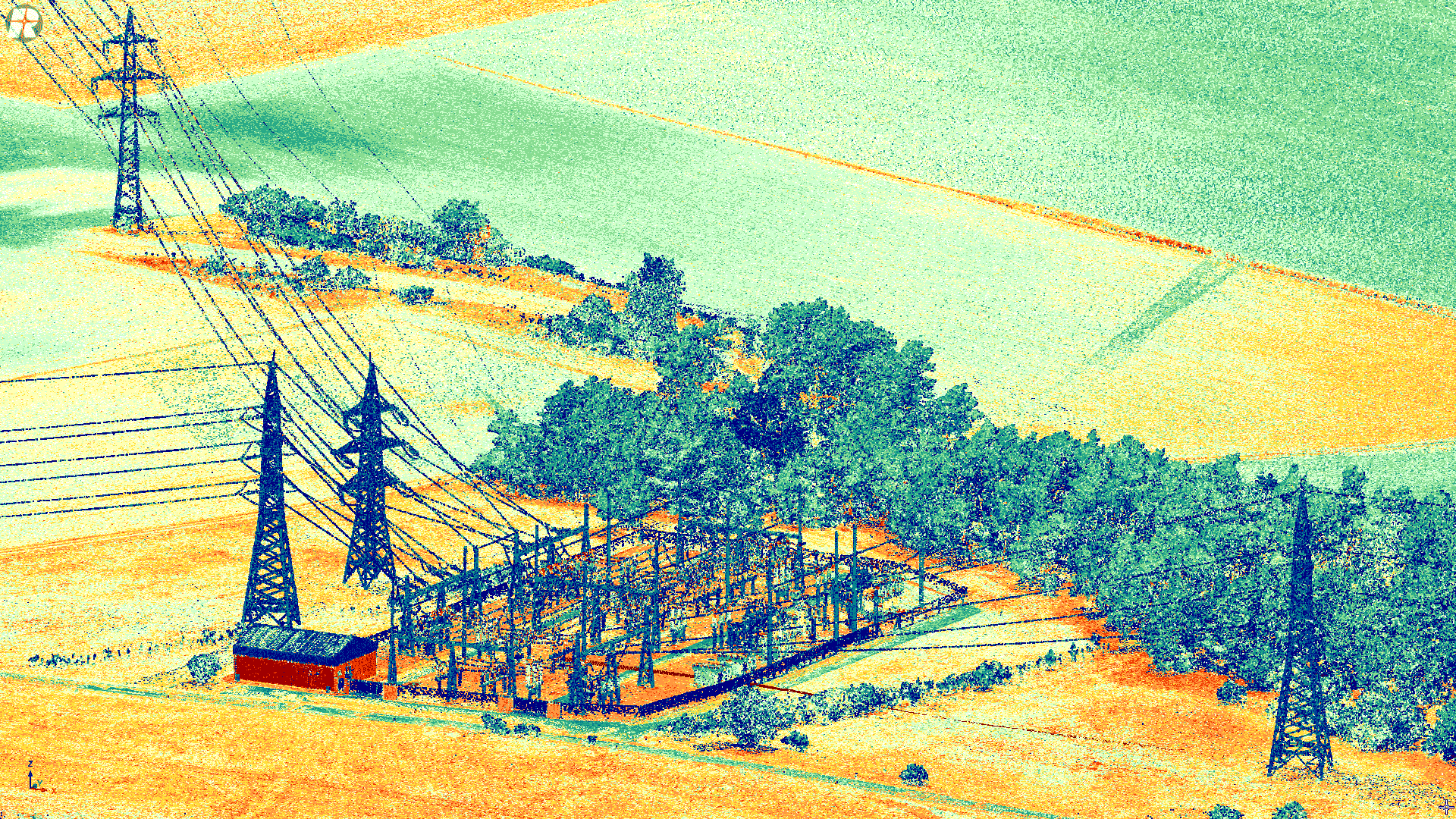
Melaka project overview of ULS point cloud.
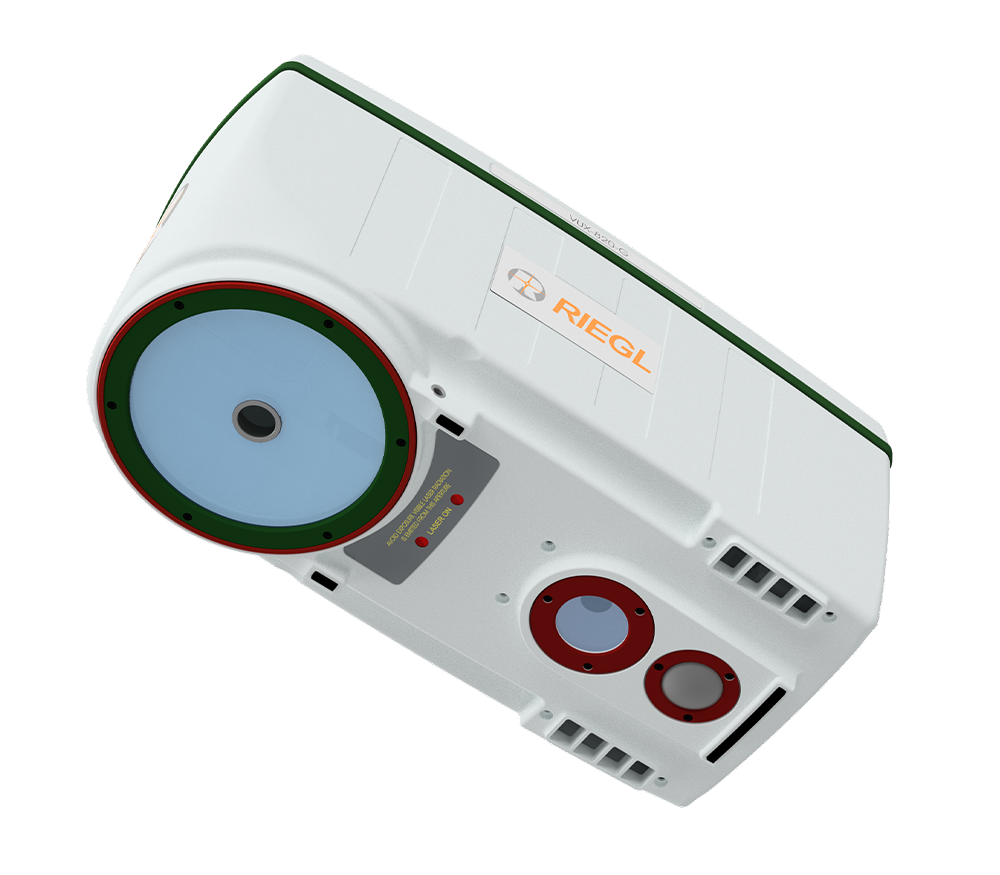
These projects utilized airborne and UAV LiDAR data to identify areas of interest, followed by detailed documentation using the RIEGL VZ-600i Terrestrial Laser Scanner. By integrating laser scanning, historical records, and geophysical techniques, the research demonstrates how advanced geospatial technologies can support heritage documentation and landscape reconstruction across Southeast Asia.
RIEGL also highlights collaboration between GPS Lands Malaysia and PolyU on educational and public engagement initiatives connected to the Melaka project, including a documentary focused on cartography and laser scanning technologies. The Department of Land Surveying and Geo-Informatics (LSGI) at PolyU currently utilizes RIEGL terrestrial, UAV-based, and mobile laser scanning systems across research areas including smart cities, underground infrastructure, environmental monitoring, and space exploration.
Read ‘Seeing Beneath the Canopy: Uncovering WWII Hidden History through RIEGL Airborne and UAV LiDAR’ to find out more information.