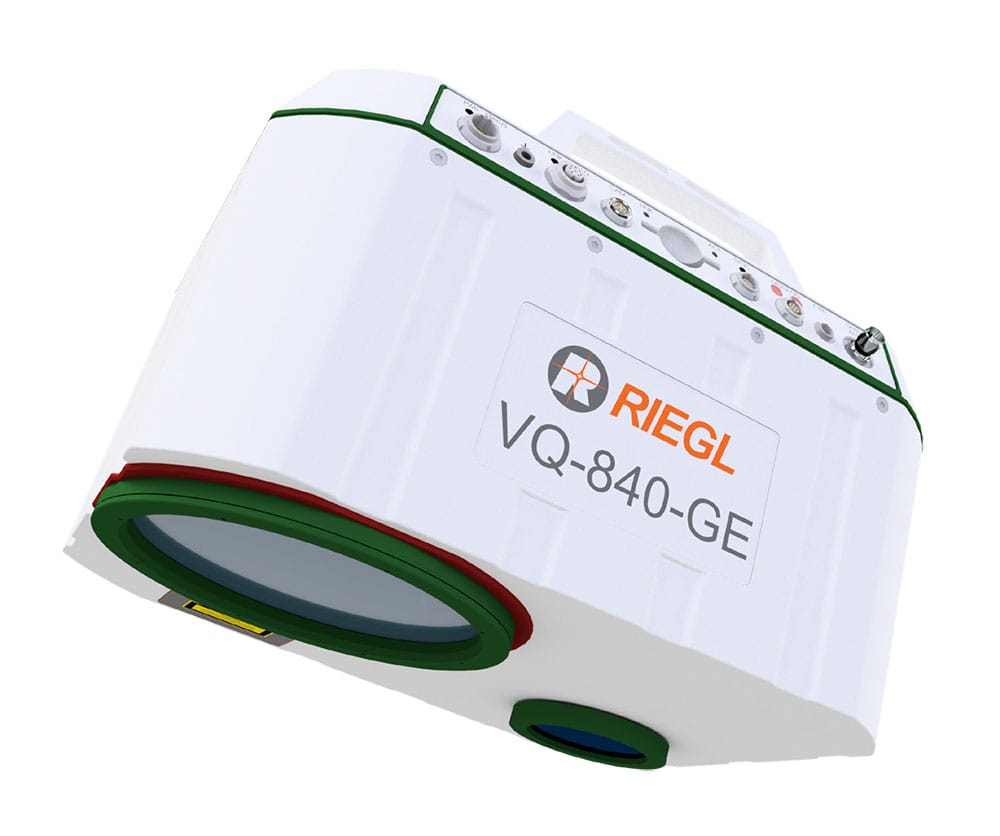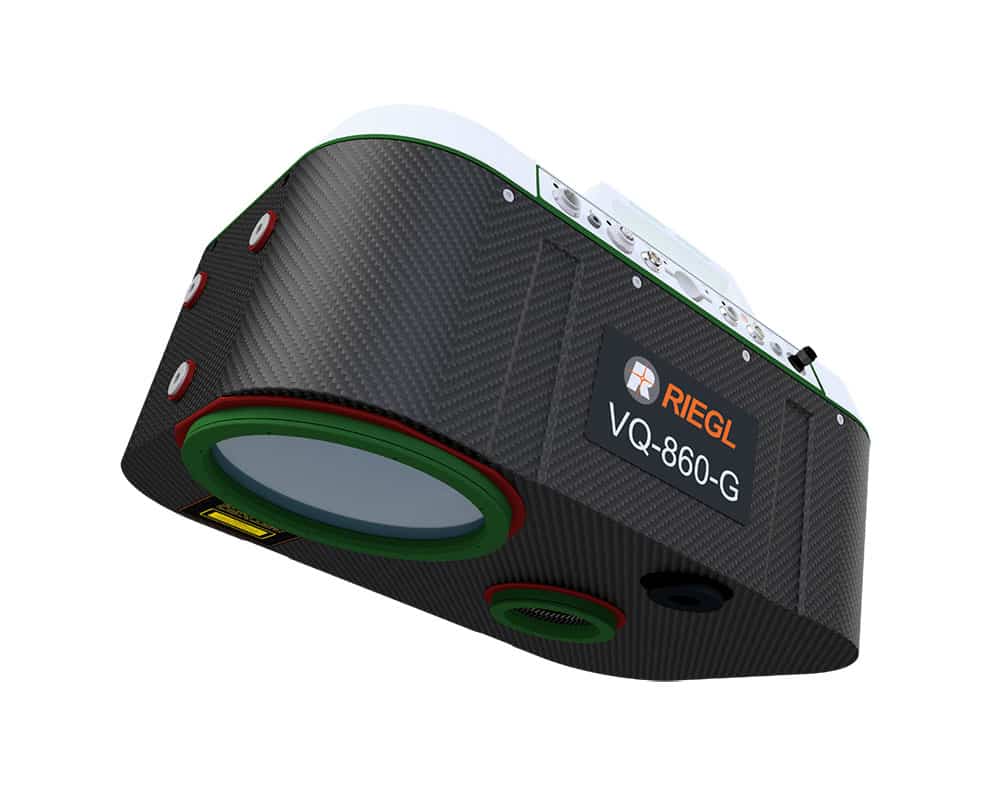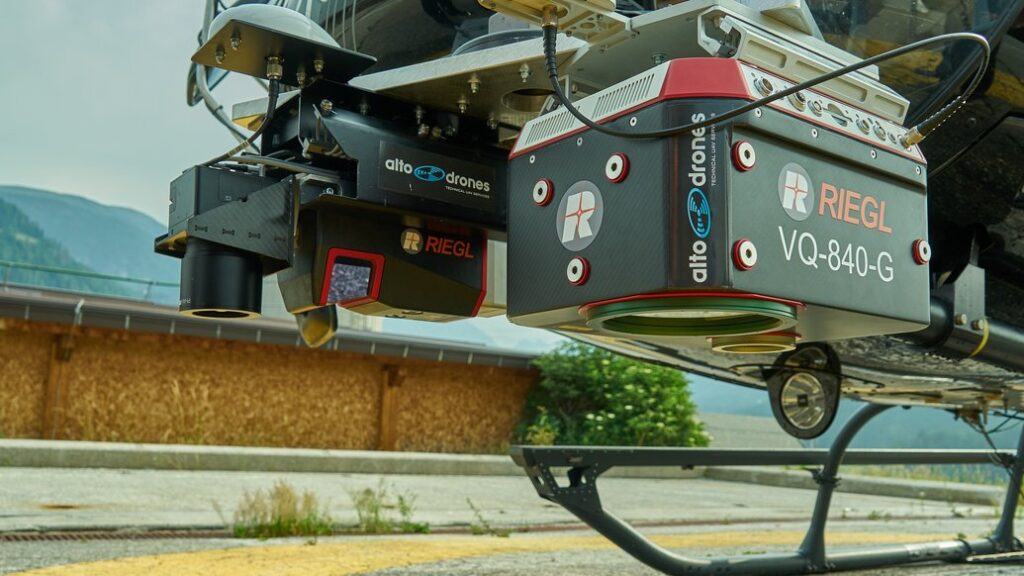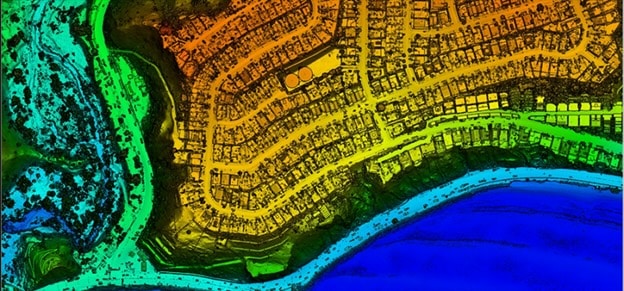

Riegl has demonstrated how bathymetric LiDAR can be used to map river bed topography even in the challenging conditions of whitewater rapids, extending the technology’s applicability for mountain river research.
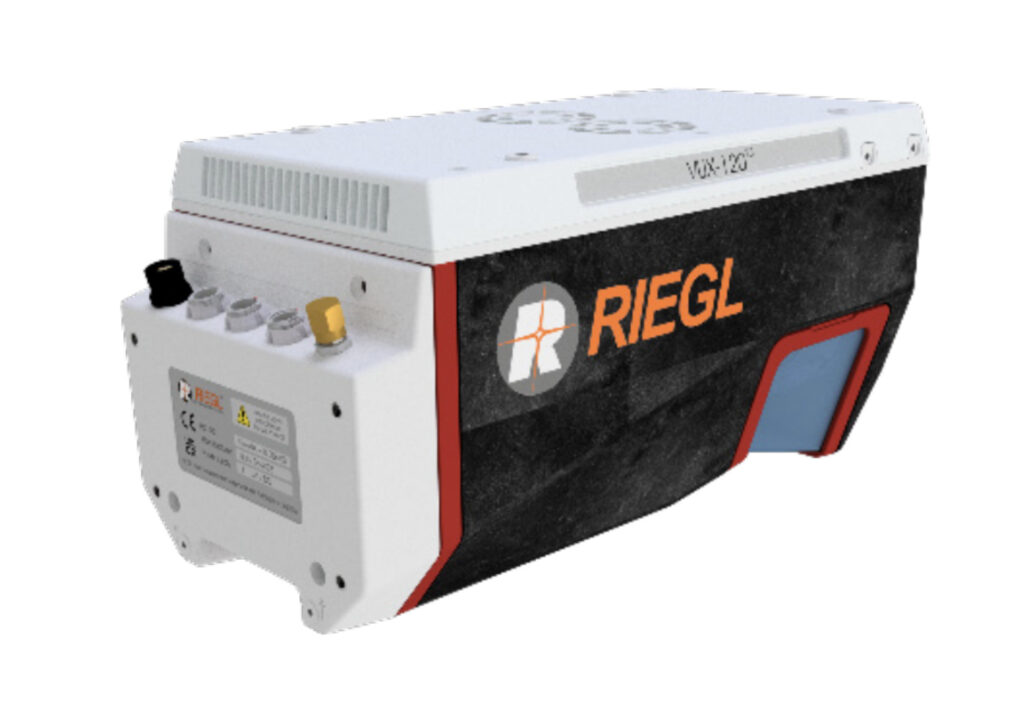
Using data acquired with the RIEGL VQ-840-GL topo-bathymetric laser scanner and advanced full-waveform processing, the study addresses one of the key limitations of bathymetric LiDAR: extracting reliable bottom returns in turbulent, aerated water. While bathymetric LiDAR is well established for clear, shallow rivers, whitewater sections have traditionally resulted in significant data gaps.
The proposed approach introduces a novel waveform analysis method that separates the water column signal from the recorded LiDAR waveform using curve fitting techniques. By subtracting this water column component, residual reflected energy can be analyzed, allowing peak detection algorithms to identify previously undetected bottom returns in turbulent zones.
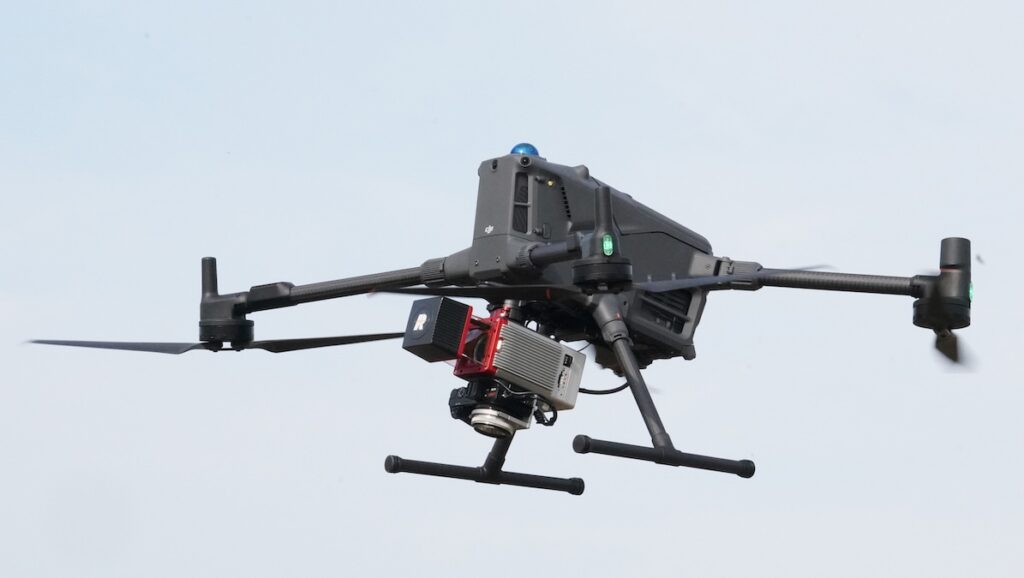
The method was validated across three alpine river environments, the Pielach River (Lower Austria), Passer River (South Tyrol), and Fischbach River (Tyrol). Each site was surveyed using a UAV-mounted bathymetric LiDAR system and compared against high-accuracy reference measurements collected with a total station and reflector pole.
Results show a substantial improvement in accuracy, with median distances to reference points reduced by up to 50 percent. By closing critical data gaps in whitewater areas, this research highlights how Riegl’s full-waveform LiDAR technology opens new possibilities for detailed river morphology analysis in complex hydraulic environments.