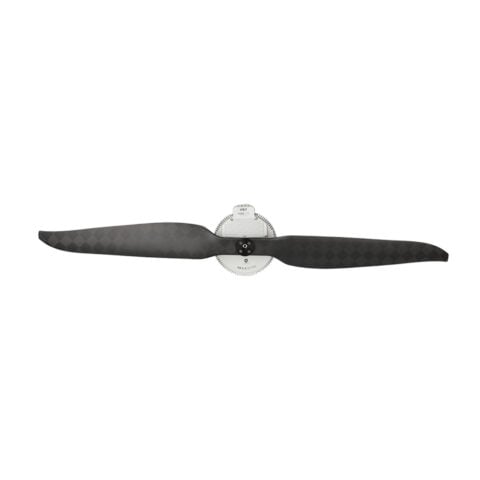
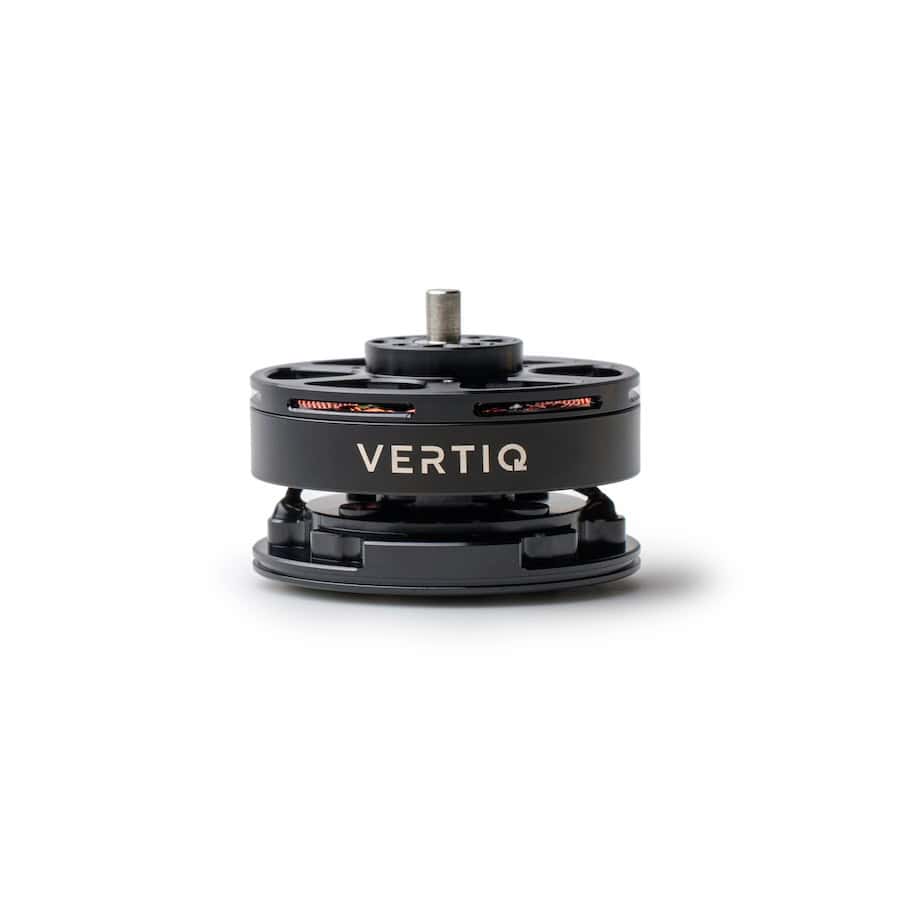
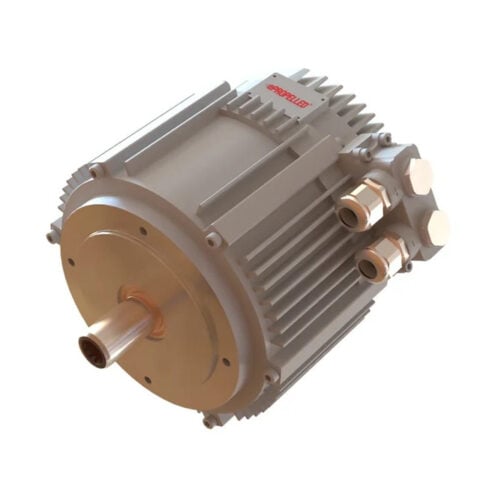
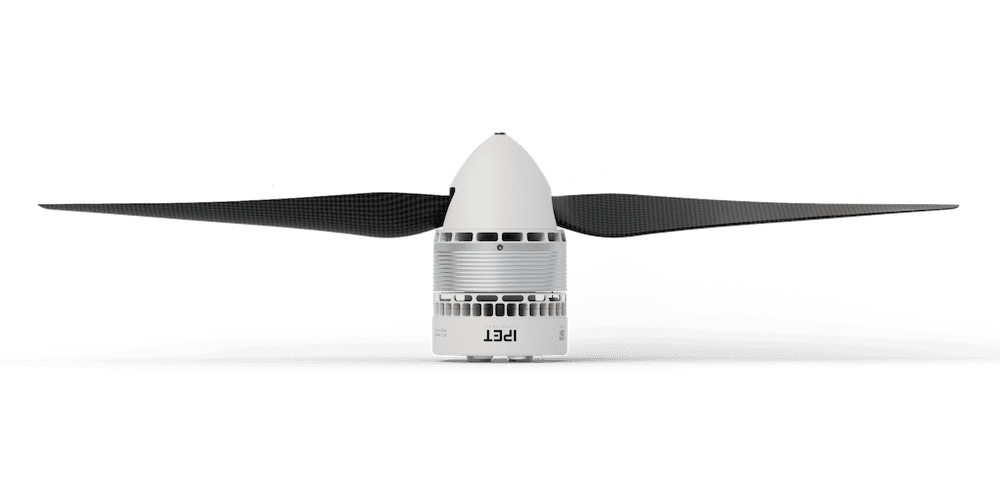
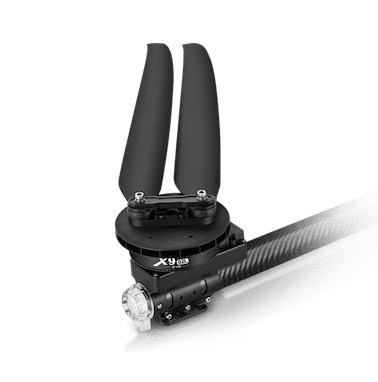
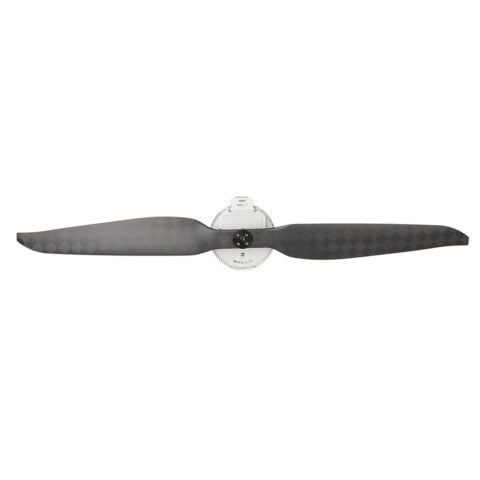
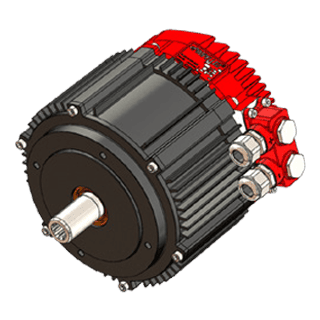
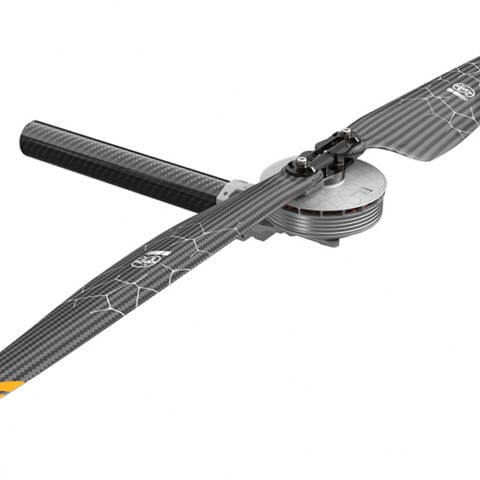
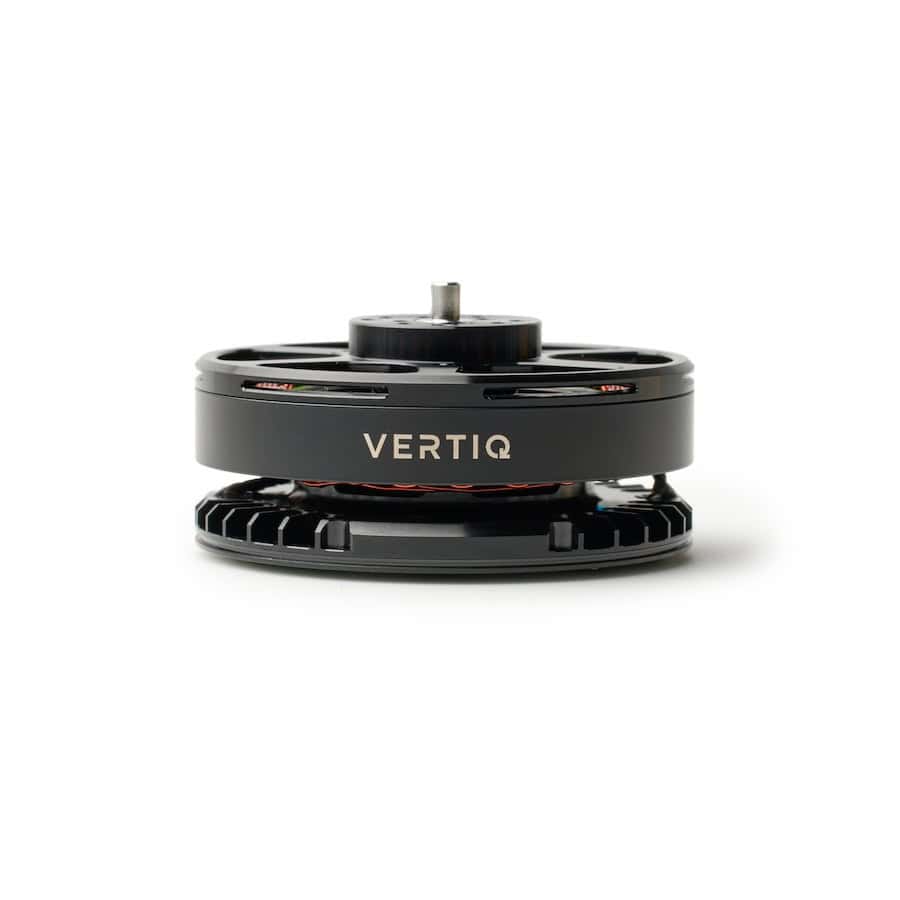
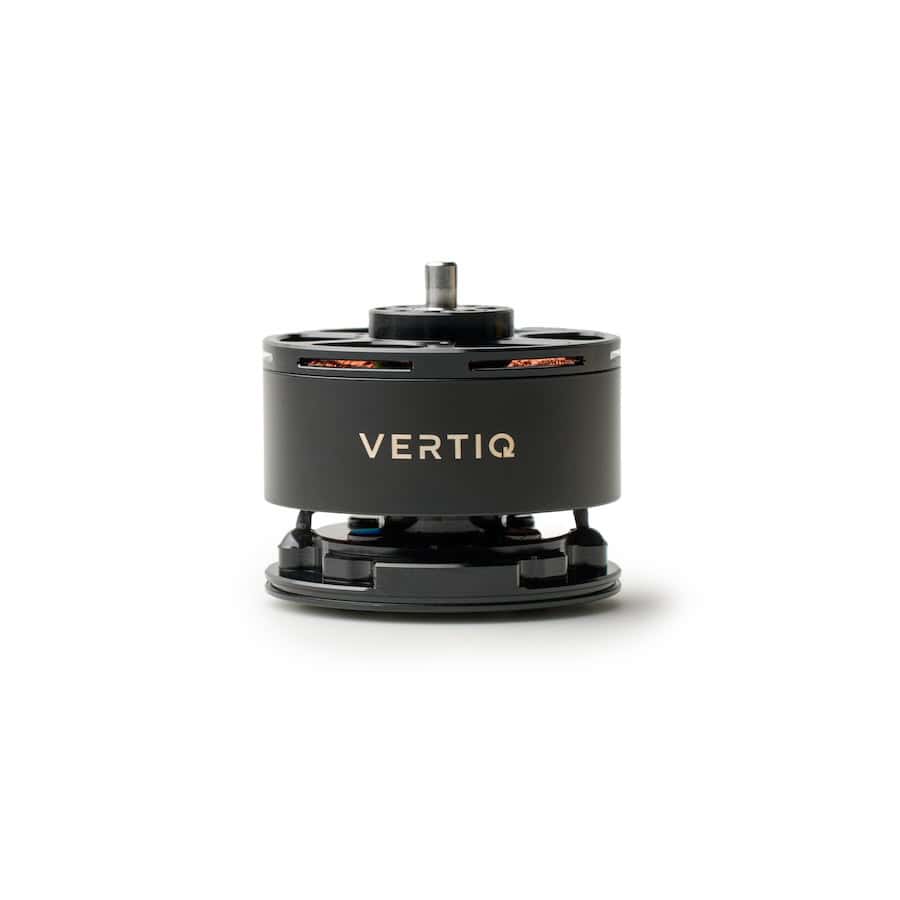
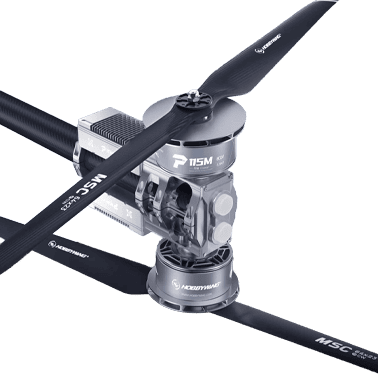
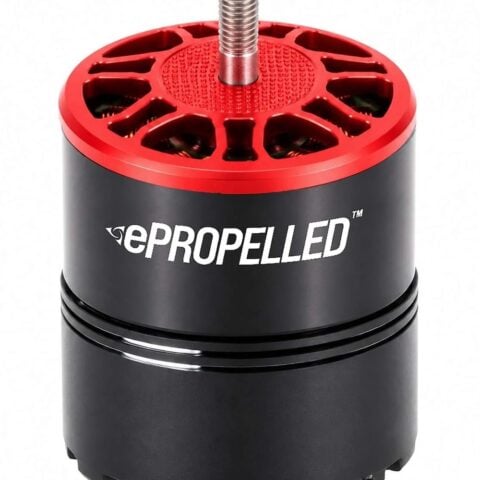
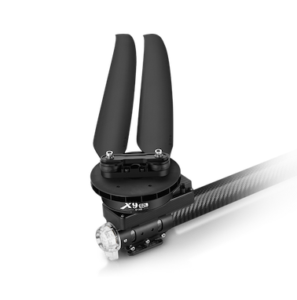
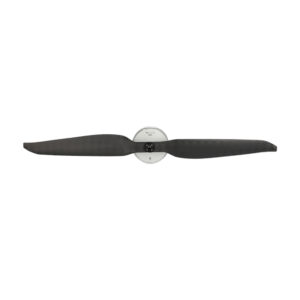
Electric propulsion systems for UAVs convert electrical energy into mechanical power to drive propellers, rotors, and ducted fans across multirotor, fixed-wing, and VTOL aircraft. These systems integrate electric motors, Electronic Speed Controllers (ESCs), energy storage, and power management components to deliver controlled thrust for surveillance, mapping, inspection, and cargo delivery applications.
This category showcases manufacturers of electric UAV propulsion systems, with available configurations include direct-drive, geared, integrated, distributed, and hybrid-electric propulsion architectures.
If you design, build or supply Electric UAV Propulsion Systems, create a profile to showcase your capabilities and connect with visitors who have an active requirement for your solutions.
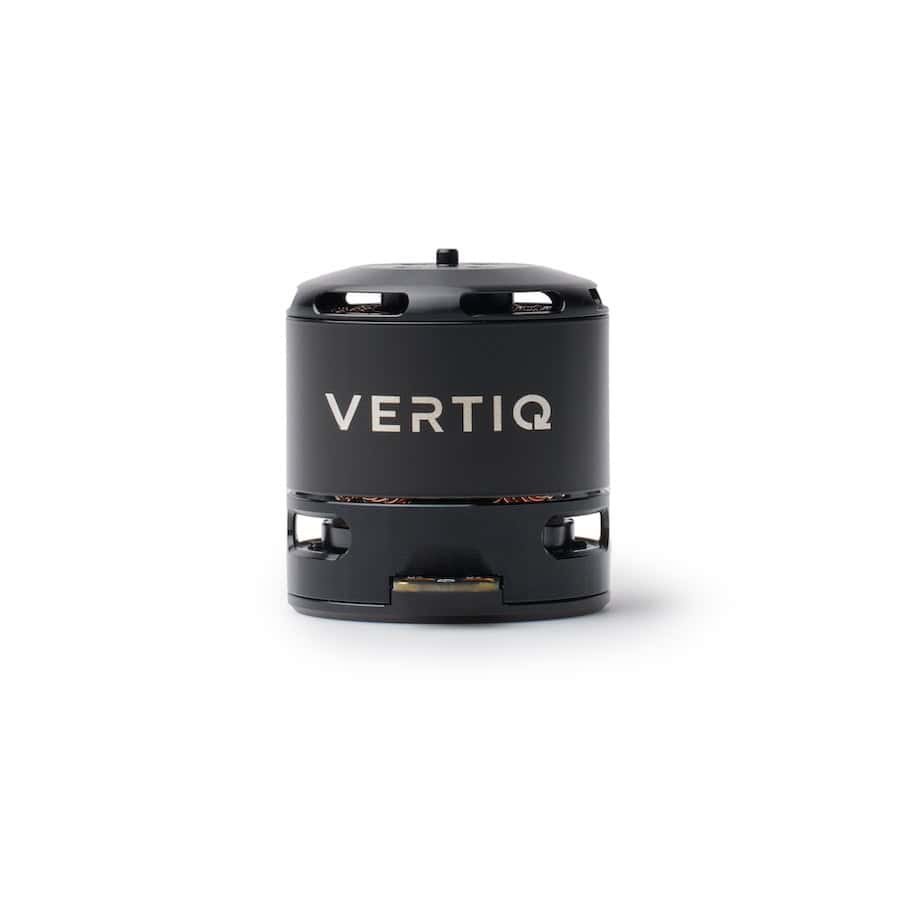
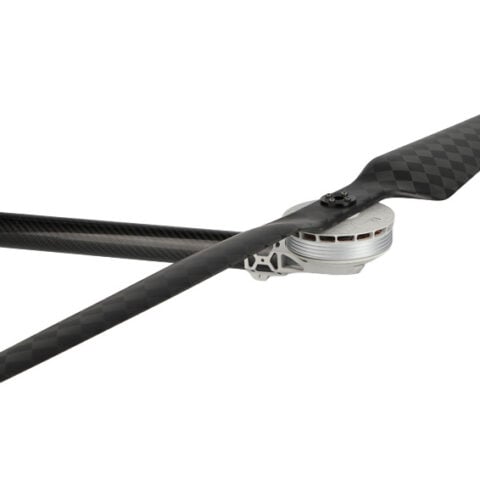
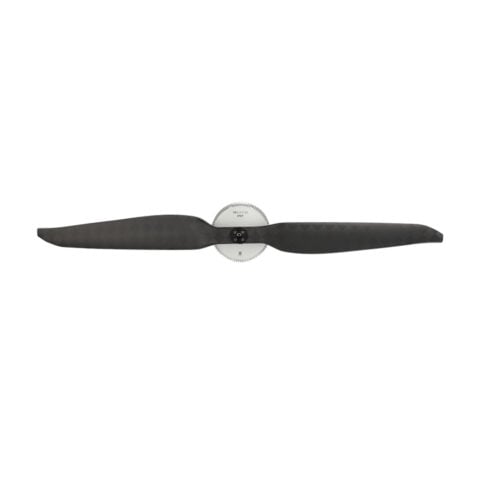
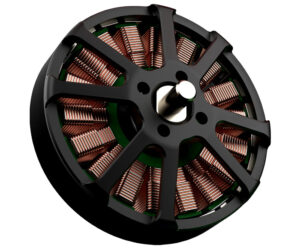
Production-ready UAV motors for rapid integration and scalable manufacturing requirements
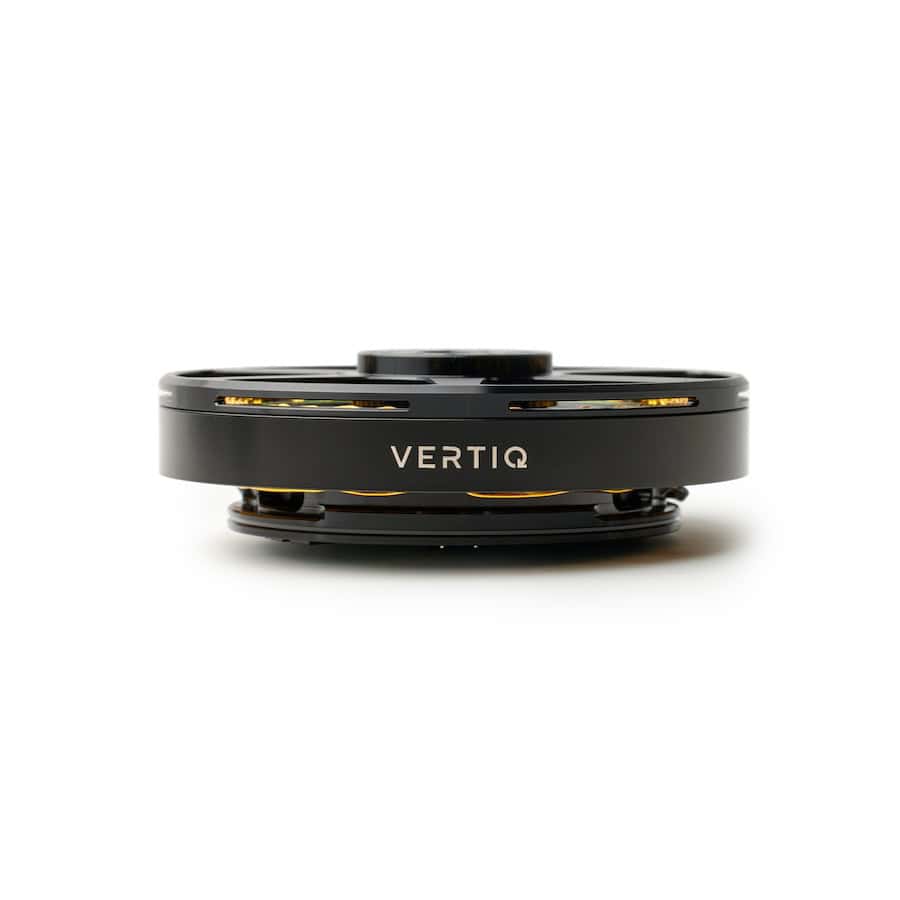
Production-ready UAV motors for rapid integration and scalable manufacturing requirements
CR Systems offers a comprehensive portfolio of fully tested, production-ready single-axis motors for... ...iving OEMs and system integrators a broad selection of electrical and mechanical characteristics....
The Comprehensive Guide to Electric UAV Propulsion Systems
Overview by
William Mackenzie
Updated:
Introduction to Electric UAV Propulsion Systems
Electric propulsion systems use electric motors to generate thrust for Unmanned Aerial Vehicles (UAVs), converting electrical energy into mechanical power to drive propellers, rotors, or ducted fans. These systems are used across multirotor, fixed-wing, and Vertical Takeoff and Landing (VTOL) aircraft, supporting applications ranging from aerial surveying and inspection to surveillance, mapping, and cargo delivery.
Electric propulsion for UAVs typically combines motors, Electronic Speed Controllers (ESCs), propellers, energy storage, and electrical power management equipment into a coordinated propulsion architecture. Configurations range from compact integrated propulsion units to distributed multi-motor systems, with selection influenced by aircraft weight, thrust requirements, endurance, operating conditions, and the required flight characteristics.
Key Types of Electric UAV Propulsion Systems
Direct-Drive Electric Propulsion Systems
Direct-drive electric propulsion systems connect the electric motor directly to the propeller or rotor without an intermediate gearbox, reducing mechanical complexity, weight, and maintenance while avoiding gearbox transmission losses. These configurations are widely used in multirotor drones and fixed-wing UAVs, particularly where simplicity, reliability, and responsive motor control are important.
Geared Electric Propulsion Systems
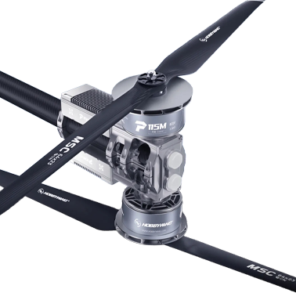
Geared electric propulsion systems use a gearbox or reduction drive between the motor and propeller, allowing each component to operate closer to its preferred rotational speed. This can enable higher-speed electric motors to drive larger, slower-turning propellers with suitable torque and thrust characteristics, although the additional drivetrain components increase weight, mechanical complexity, and maintenance requirements.
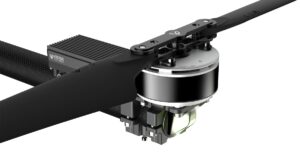
Integrated Motor, ESC, and Propeller Systems
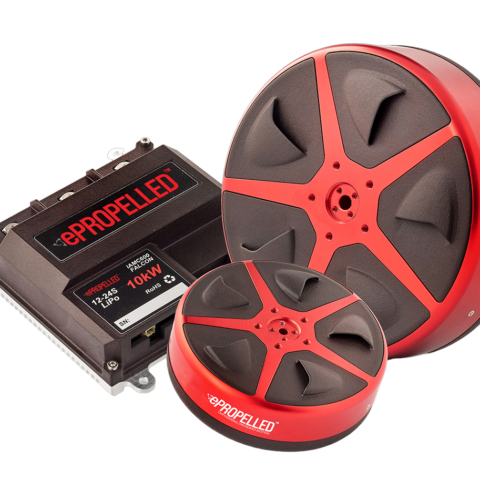
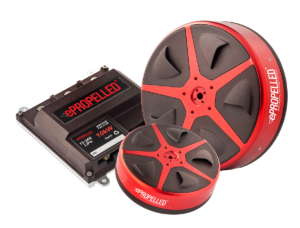
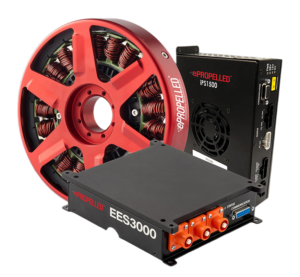
Integrated electric propulsion systems combine matched motors, ESCs, and propellers into coordinated assemblies that are often supplied as ready-to-install propulsion units. Components are selected for compatible voltage, current, rotational speed, and thrust characteristics, reducing integration effort for UAV manufacturers, while some systems also incorporate motor monitoring, thermal protection, diagnostics, and communication interfaces for connection to flight controllers.
Distributed Electric Propulsion Systems
Distributed electric propulsion uses multiple electrically driven propulsors positioned across the UAV airframe, allowing individual motors to be controlled independently for thrust distribution and attitude control. These arrangements are common in multirotor and VTOL aircraft, where coordinated motor operation provides lift and maneuverability, and some architectures can also support propulsion redundancy or fault-tolerant control when combined with suitable flight-control systems.
Ducted Fan Electric Propulsion Systems
Electric Ducted Fan (EDF) systems use high-speed electric motors to drive fans enclosed within aerodynamic ducts, which influence airflow through the propulsion unit and can provide packaging or aerodynamic advantages in suitable installations. EDF propulsion is used in selected high-speed fixed-wing UAVs and specialized unmanned aircraft, although efficiency, power consumption, acoustic characteristics, and thrust performance depend on the fan, duct geometry, operating speed, and flight conditions.
Hybrid-Electric UAV Propulsion Systems
Hybrid-electric UAV propulsion systems combine electric propulsion with onboard electrical power generation, typically using an internal combustion engine coupled to a generator. Series-hybrid systems use electrically driven propellers or rotors supplied by the generator and energy-storage system, while parallel architectures may also transmit mechanical power from the engine. Batteries can provide additional power during takeoff, high-demand maneuvers, or transient conditions, allowing hybrid-electric configurations to extend endurance beyond comparable battery-only systems at the cost of greater weight, complexity, and maintenance.
Key Components of Electric UAV Propulsion Systems
Electric propulsion components for UAVs must operate as a coordinated system to deliver controlled thrust while managing electrical loads, mechanical stresses, temperature, and available energy. The specifications of individual components therefore depend on the aircraft architecture, required propulsion power, voltage, mission profile, and operating environment.
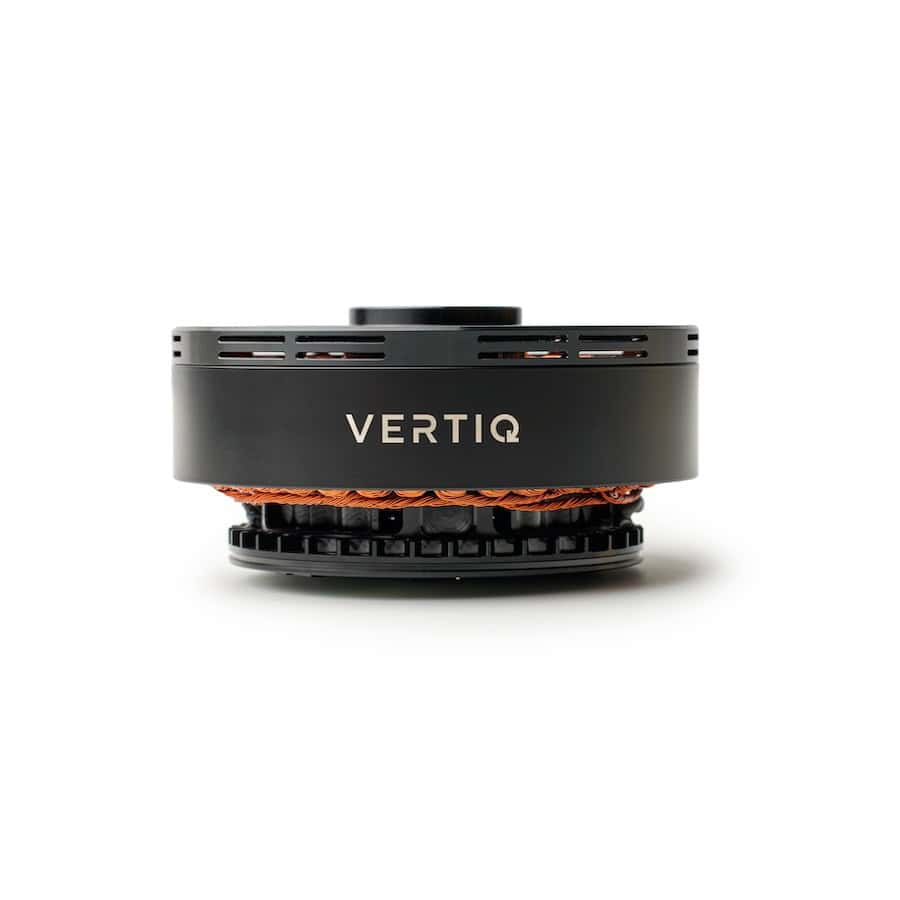
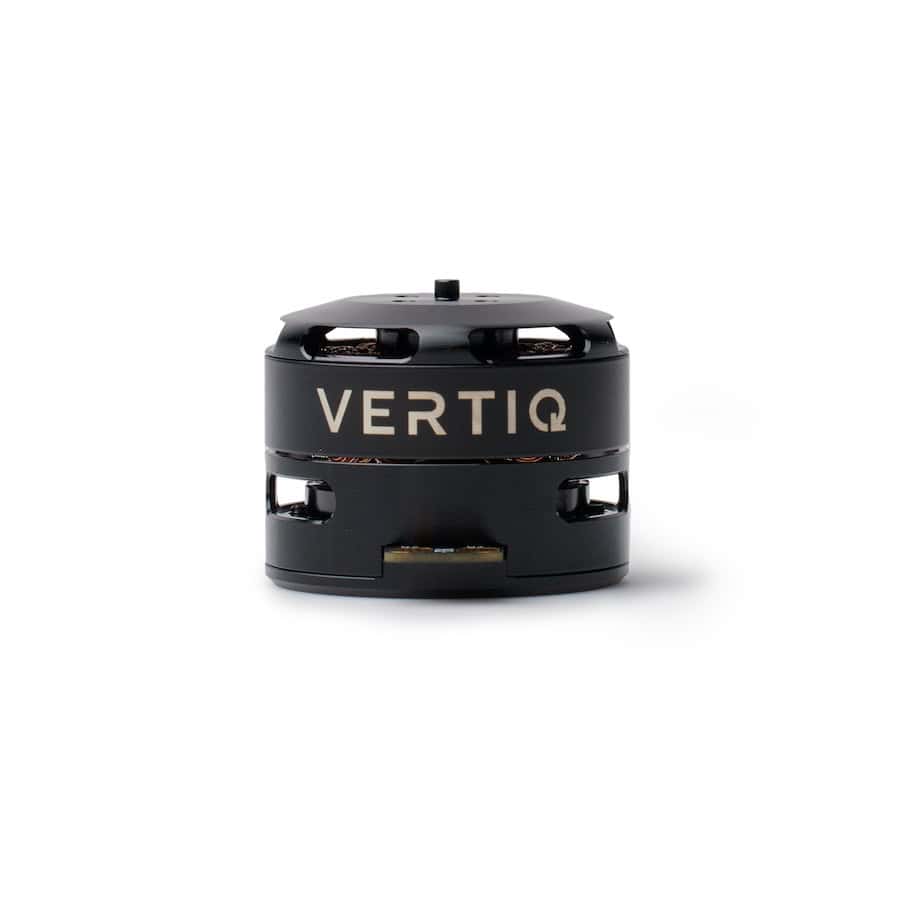
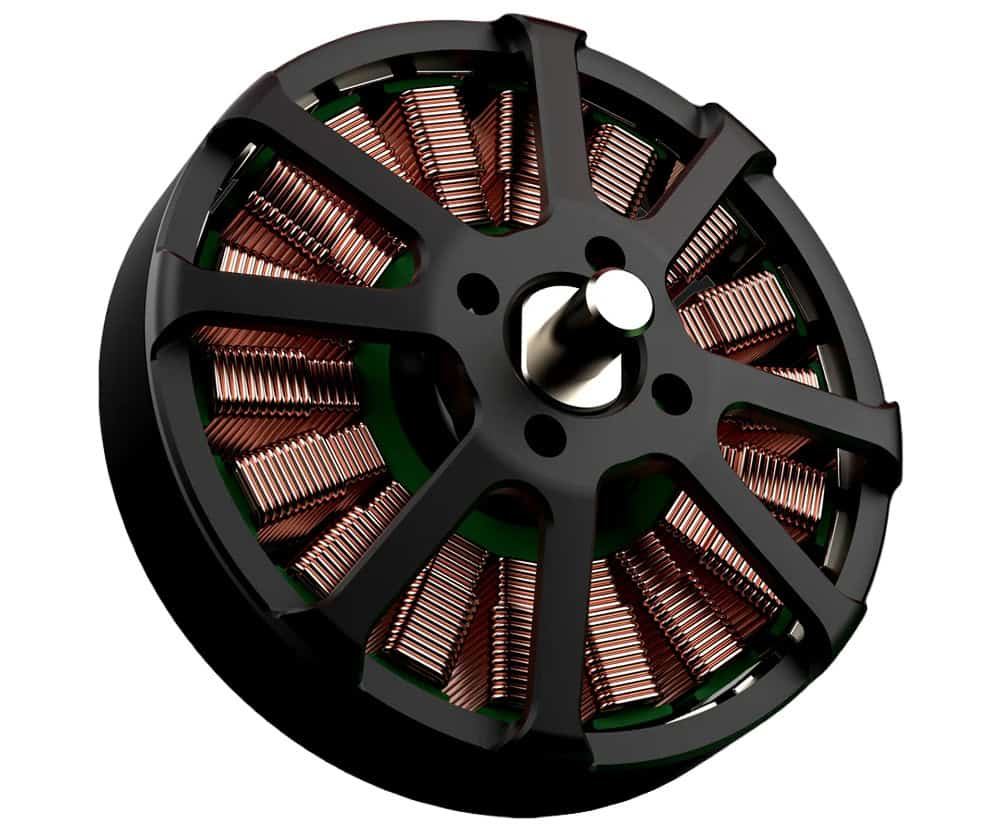
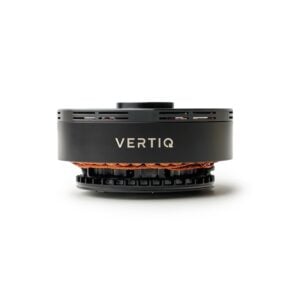
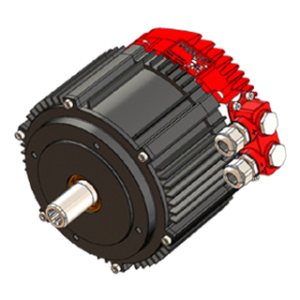
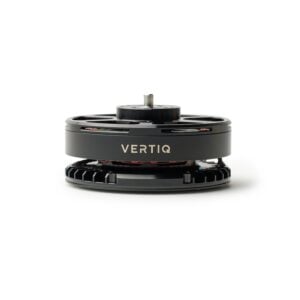
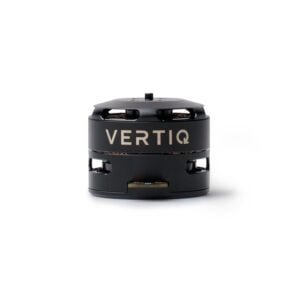
Electric Motors: Convert electrical energy into rotational mechanical power to drive propellers, rotors, or fans. Brushless Direct Current (BLDC) motors are widely used in UAV propulsion, with inrunner and outrunner configurations selected according to torque, rotational speed, cooling, and installation requirements.
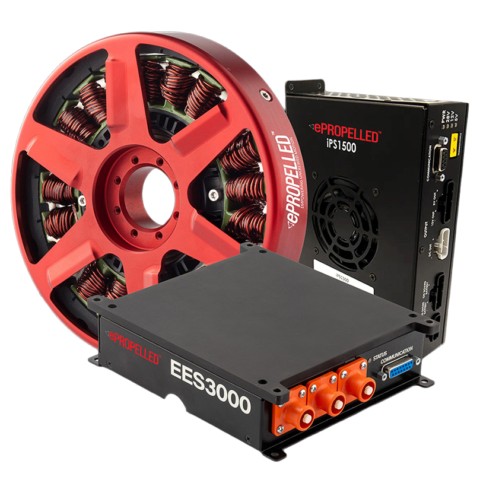
Electronic Speed Controllers (ESCs): Regulate motor operation by controlling electrical power delivery and electronic commutation. ESCs respond to commands from the flight controller to adjust motor speed or torque through controlled switching of the motor phases.
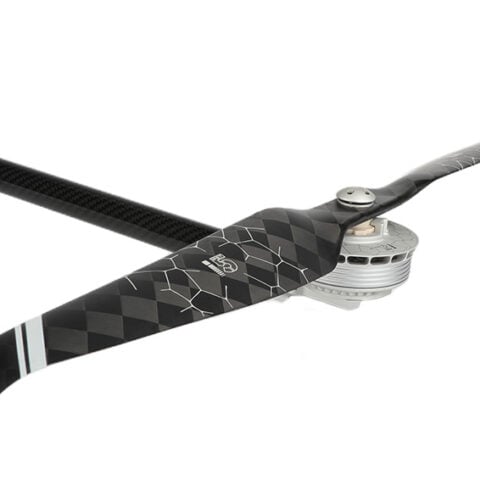
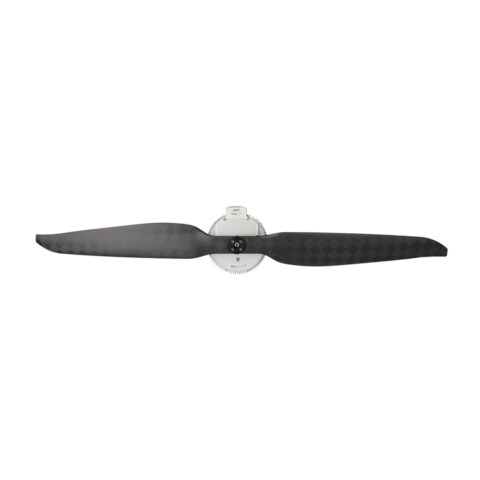
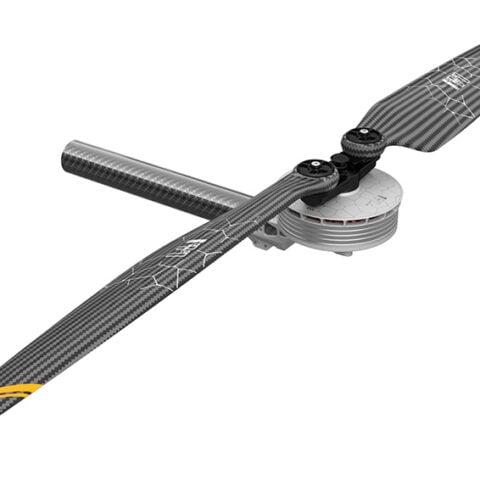
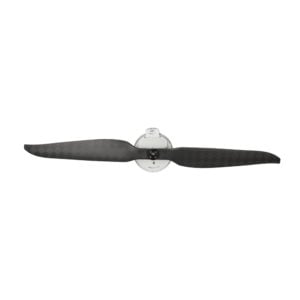
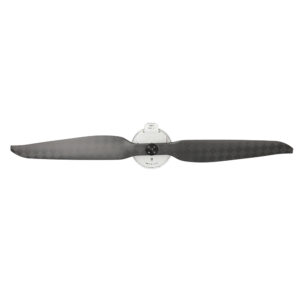
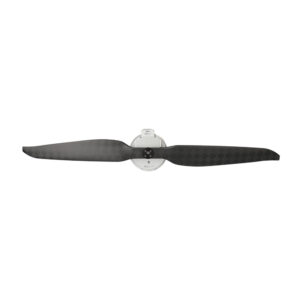
Propellers and Rotor Assemblies: Convert motor shaft power into aerodynamic thrust, with fixed-pitch, folding, and variable-pitch designs selected according to aircraft configuration, operating speed, and flight requirements.
Batteries and Energy Storage Systems: Supply electrical energy to propulsion equipment. Lithium-Ion batteries, including Lithium Polymer (LiPo) variants, are commonly used, with selection influenced by energy capacity, discharge capability, operating voltage, weight, and thermal characteristics.
Power Distribution Boards and Wiring: Route electrical power from batteries, generators, or other sources to propulsion equipment, with conductor sizing and protection selected according to operating currents, voltage levels, electrical losses, and safety requirements.
Motor Controllers and Propulsion Management Electronics: Coordinate propulsion operation, monitor electrical parameters, and manage power delivery. Depending on the system architecture, these functions may be integrated into ESCs or provided by separate control units interfacing with the flight controller.
Cooling and Thermal Management Components: Dissipate heat generated by motors, ESCs, batteries, and power electronics, using solutions such as heat sinks, airflow channels, cooling fans, or liquid-cooling arrangements in higher-power applications.
Sensors and Propulsion Monitoring Equipment: Measure parameters such as motor temperature, rotational speed, voltage, and current, providing data that can support performance assessment, fault detection, and propulsion-system protection.
The compatibility of these components directly affects propulsion efficiency, control responsiveness, and reliability. Flight controller commands are processed by ESCs, which regulate motor operation to drive the propellers and generate the required thrust, making the matching of motors, ESCs, propellers, and power sources particularly important during UAV integration.
Electric vs Combustion UAV Propulsion Systems
Electric and combustion propulsion systems offer different characteristics in terms of endurance, mechanical complexity, operational requirements, power delivery, and aircraft integration. Electric propulsion is widely used in small and medium-sized UAVs, while combustion-powered systems remain important for aircraft and missions requiring greater onboard energy capacity or extended endurance.
Comparison Factor
Electric UAV Propulsion
Combustion UAV Propulsion
Energy Density and Flight Endurance
Battery-powered systems generally have lower onboard energy density, which can limit flight endurance.
Electric motors provide rapid torque response and precise electronic control.
Engine response depends on throttle control, engine dynamics, and associated drivetrain components.
Mechanical Complexity and Maintenance
Fewer moving parts in direct-drive arrangements generally reduce mechanical maintenance requirements.
Engines require additional mechanical systems and maintenance, including fuel delivery, lubrication, and servicing.
Noise and Vibration Characteristics
Typically produce less powertrain vibration and can operate more quietly, although propeller or rotor noise remains significant.
Engine combustion and reciprocating or rotating components generate additional noise and vibration.
Payload Capacity and Aircraft Size
Suitable for a wide range of UAV sizes, with payload capacity influenced by motor power, energy-storage weight, and airframe design.
Often advantageous for larger aircraft and long-duration missions where fuel energy density supports greater overall mission endurance.
Operational Logistics and Energy Replenishment
Require battery charging, replacement, or another electrical energy source.
Require fuel storage, handling, and refueling, which can support rapid turnaround where suitable fuel infrastructure is available.
Hybrid-Electric Propulsion as an Alternative
Electrically driven propulsors can be supplied by batteries and onboard generators to combine electric control with extended energy availability.
Combustion engines can provide mechanical or generator power within hybrid architectures.
Standards and Requirements for Electric UAV Propulsion
Electric UAV propulsion systems may be subject to electrical, environmental, software, hardware, and airworthiness requirements depending on aircraft classification, operating environment, intended use, and certification basis. Relevant standards provide methods and guidance for evaluating propulsion-unit design, environmental performance, electronic hardware, software assurance, and equipment protection.
ASTM F3338: A standard specification addressing the design of electric propulsion units for small unmanned aircraft systems, providing requirements relevant to propulsion-unit development and evaluation.
RTCA DO-160: Provides environmental and electromagnetic test procedures for airborne equipment, including assessments relevant to vibration, temperature, electrical power, and electromagnetic compatibility.
RTCA DO-178C: Provides software development assurance guidance for airborne systems and may apply to propulsion-control software where required by the applicable certification or airworthiness process.
RTCA DO-254: Provides design assurance guidance for airborne electronic hardware and may be relevant to safety-critical propulsion-control electronics and associated hardware.
IEC 60529: Defines Ingress Protection (IP) classifications for equipment enclosures, supporting the specification of protection against dust and water intrusion for applicable propulsion components.
The applicable requirements depend on the UAV’s certification basis, operational approval framework, procurement specifications, and the role of the propulsion system within the aircraft. Manufacturers may also undertake thrust, endurance, thermal, vibration, electrical, and system-level testing to verify performance under expected operating conditions.
Emerging Developments in Electric UAV Propulsion
Developments in electric UAV propulsion are focused on improving power density, energy efficiency, thermal management, system integration, and propulsion control. These advances are particularly relevant to larger UAVs, heavy-lift platforms, autonomous aircraft, and long-endurance missions where electrical and mechanical performance must be balanced carefully against aircraft weight.
Distributed Electric Propulsion: Multiple independently controlled propulsion units support advanced multirotor and VTOL configurations, enabling flexible thrust allocation and potentially improving fault tolerance when combined with suitable control architectures.
Hybrid-Electric and Fuel Cell Integration: Onboard combustion-engine generators and hydrogen fuel cell systems provide alternative methods of supplying electricity to propulsion motors, supporting energy architectures intended for missions requiring greater endurance than comparable battery-only designs.
High-Voltage Propulsion Architectures: Higher operating voltages allow a given level of electrical power to be transmitted at lower current, potentially reducing resistive losses and conductor weight in larger UAV propulsion installations.
Integrated Propulsion Modules: Combined motors, ESCs, and propellers simplify component matching and installation, while integrated monitoring and control electronics can reduce wiring complexity and support more streamlined UAV manufacturing.
Continued improvements in motor design, power electronics, thermal management, and electrical energy systems are expanding the range of aircraft sizes and mission profiles that can be supported by electric UAV propulsion.
The latest unmanned systems news, straight to your inbox.
Get our weekly roundup of technology developments, new products and industry news.
THANK YOU FOR SIGNING UP
Thanks for joining us. Check your inbox.
We've sent you an email. Click the confirmation link to complete your subscription to the weekly eBrief. In the meantime, explore the latest news, suppliers and technologies on UST.
Advancing Unmanned Systems Through Strategic Collaboration
UST works with major OEMs to foster collaboration and increase engagement with SMEs, to accelerate innovation and drive unmanned systems capabilities forward.