


Chess Dynamics outlines the role of electro-optical sensing, AI-enabled tracking and edge processing in supporting situational awareness for Uncrewed Surface Vessels (USVs).
 As the UK moves toward a hybrid Navy, USVs are becoming larger, more capable and more valuable, moving beyond earlier concepts of disposable platforms and undertaking longer, more demanding operations in complex maritime environments.
Autonomous navigation requires more than determining a vessel’s position and heading. USVs must also identify, track and distinguish between surrounding vessels and objects to support navigation, operational awareness and survivability.
Passive Electro-Optical Sensing and Target Tracking
Electro-optical sensing provides an important layer of resilience within a multi-modal sensor stack, particularly where radar and Automatic Identification System (AIS) data may be incomplete or ambiguous, or where operational requirements call for active sensors to be limited or switched off.
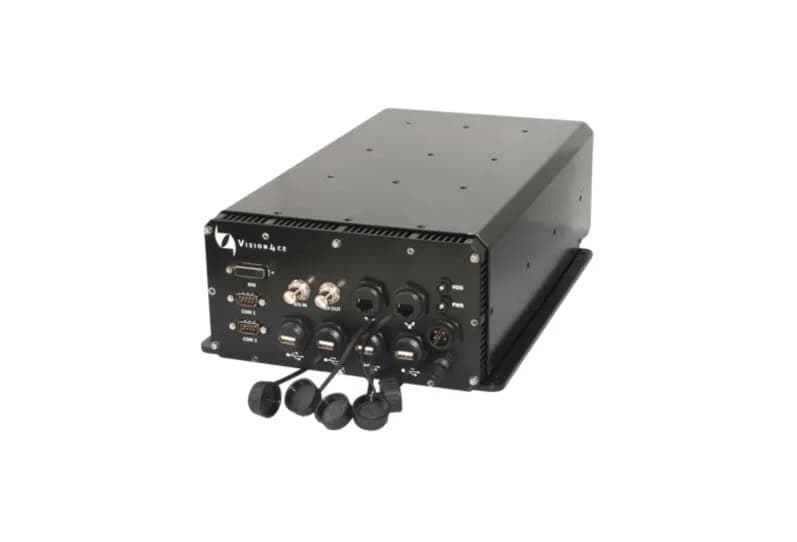
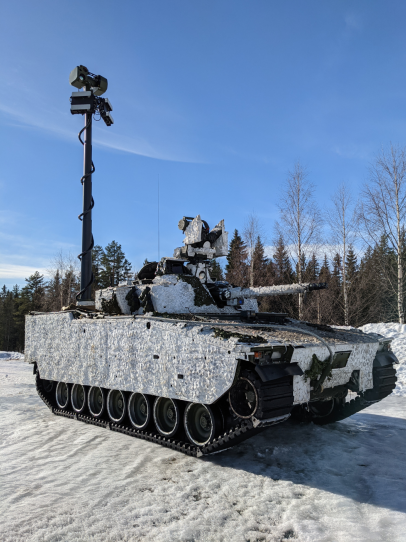
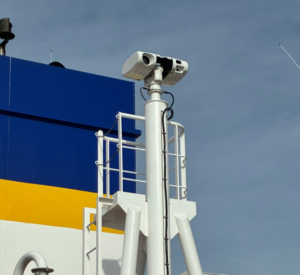
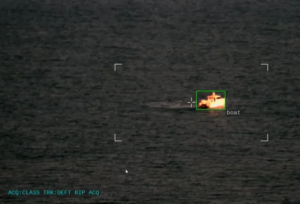 Electro-optical systems allow USVs to passively detect, track and classify contacts using optical systems alone. Chess Dynamics’ SeaEagle maritime electro-optical systems work alongside Vision4ce video tracking, image processing and AI capabilities to help platforms develop a more reliable understanding of their surroundings.
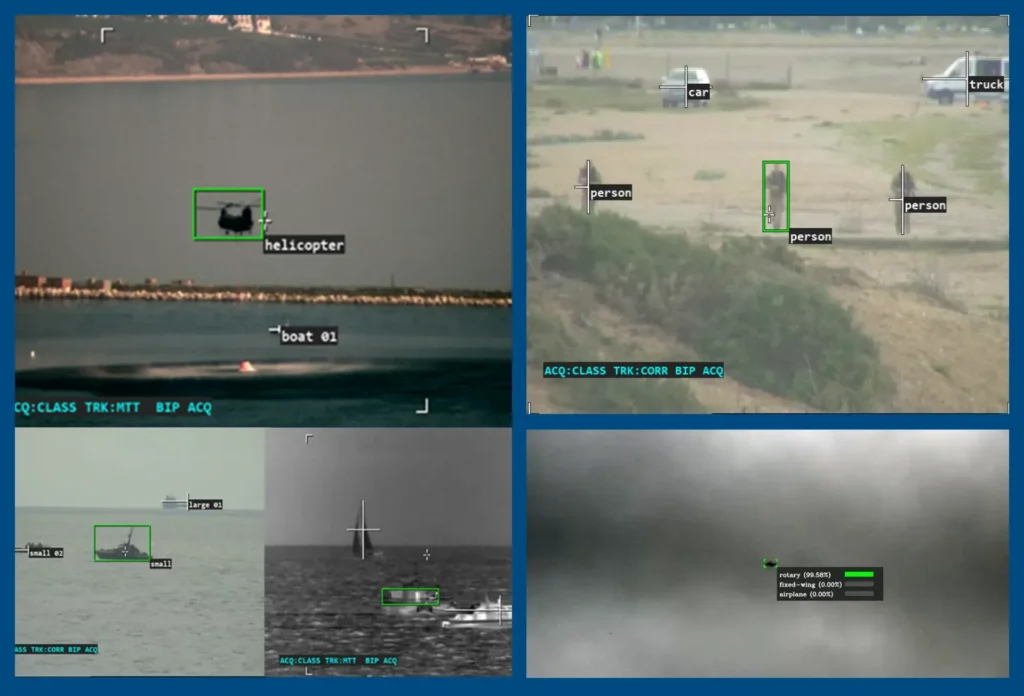
The company has invested significant research and development in track-while-scan technology for electro-optical directors, combining object detection, multi-target tracking and fine-grained classification. This allows a sensor to periodically scan a wide area while detecting and maintaining tracks on multiple contacts, even when individual targets remain outside its field of view for significant periods.
Unlike conventional video tracking, the challenge involves detecting contacts, recognizing and classifying them when the sensor returns, correctly associating them with previous tracks and maintaining a persistent picture of activity over time.
Chess Dynamics’ COLREGs classification model can distinguish between vessel types and sizes, including small, medium and large vessels, sailing vessels and navigation aids, as well as potential threats, supporting autonomous navigation and broader threat detection.
Low-SWaP Edge Processing for USVs
The finite space, power and processing resources available onboard USVs make low Size, Weight and Power (SWaP) requirements and low-latency processing essential.
In contested, congested or remote environments, limited bandwidth and intermittent communications can make independent onboard processing particularly important.
Edge processing allows vessels to interpret sensor data and maintain situational awareness independently, while sharing information with the wider force when communications are available.
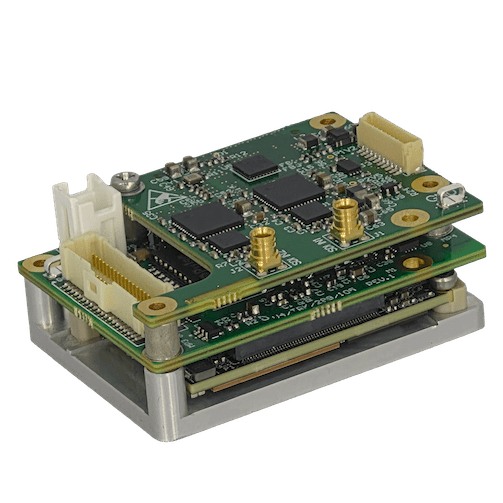
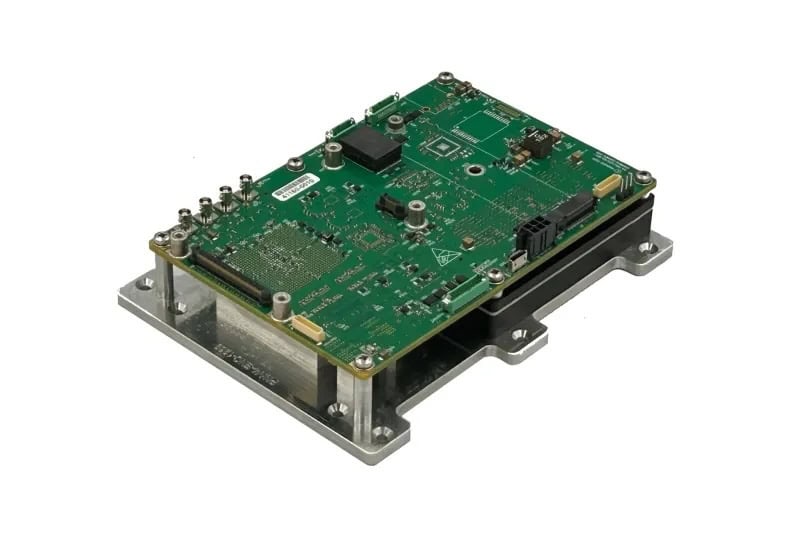
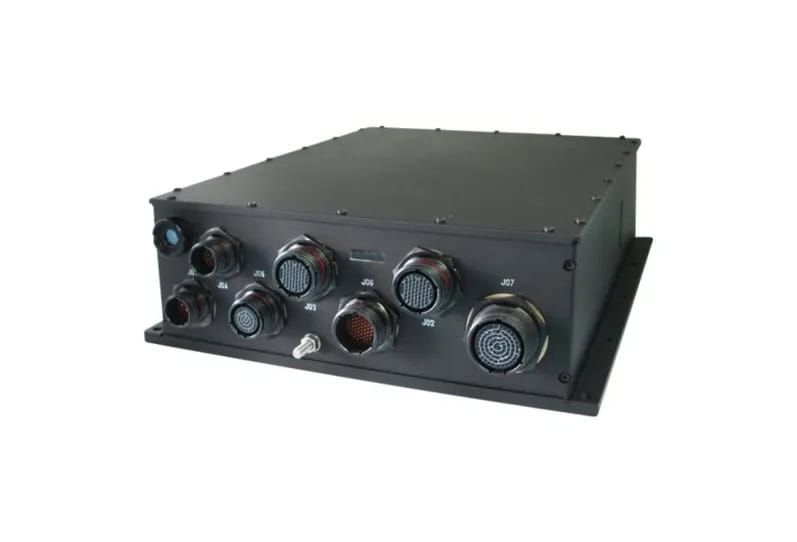
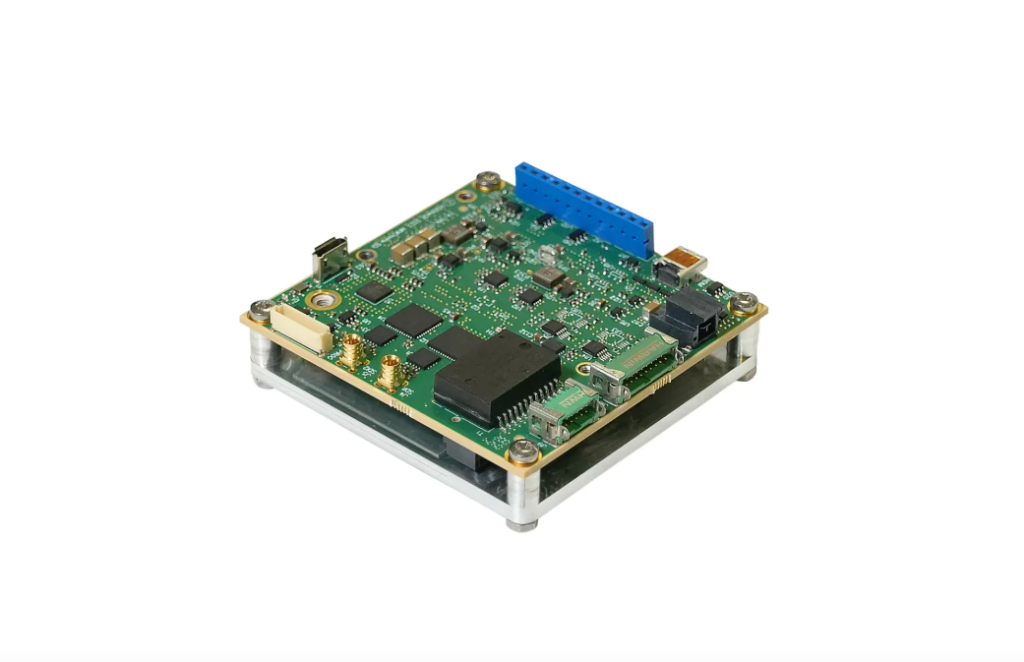
Developments such as CHARM50 build on Chess Dynamics’ experience in real-time edge video processing, delivering increasingly sophisticated algorithms within the space, power and computing constraints of modern platforms. Implementing these capabilities requires careful optimization to balance computational efficiency with performance.
Supporting Autonomous Maritime Operations
As USVs undertake more demanding operations alongside crewed vessels, operators need confidence that autonomous platforms can accurately assess their surroundings and provide information that can be acted upon across the wider fleet.
Combining AI-enabled identification, tracking and classification with low-SWaP edge video processing can allow autonomous vessels to contribute Intelligence, Surveillance and Reconnaissance (ISR) data, supporting their own survivability and that of the wider fleet.