Cyber takeover counter-drone systems detect, identify, and selectively intervene in supported UAS communications at the protocol level. These solutions monitor command-and-control, telemetry, video, controller, and Remote ID emissions to classify aircraft, locate operators, and determine whether a compatible control path is available.
This page features leading suppliers of RF cyber takeover counter-drone systems, providing fixed-site, portable, vehicle-mounted, and maritime configurations.
If you design, build or supply Cyber Takeover Counter-Drone Systems, create a profile to showcase your capabilities and connect with visitors who have an active requirement for your solutions.
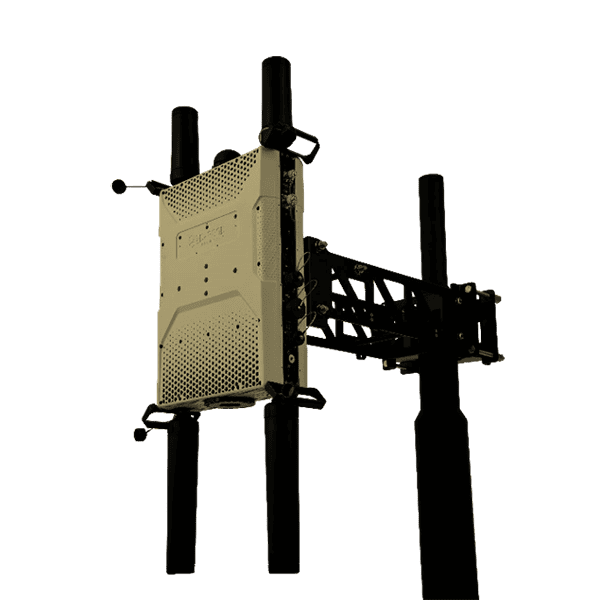
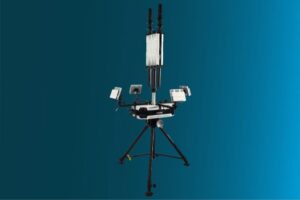
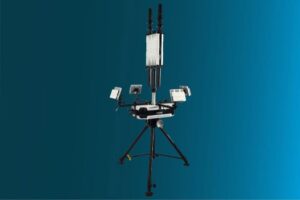
Rapid-setup, tripod-mounted deployment kit for mobile counter-drone defense
Rapid-setup, tripod-mounted deployment kit for mobile counter-drone defense
... a multi-layer counter-UAS capability in any terrain or environment. The rugged, tripod-mounted... ...rtability, the system includes lightweight transport cases, a robust, tool-free tripod assembly, and...
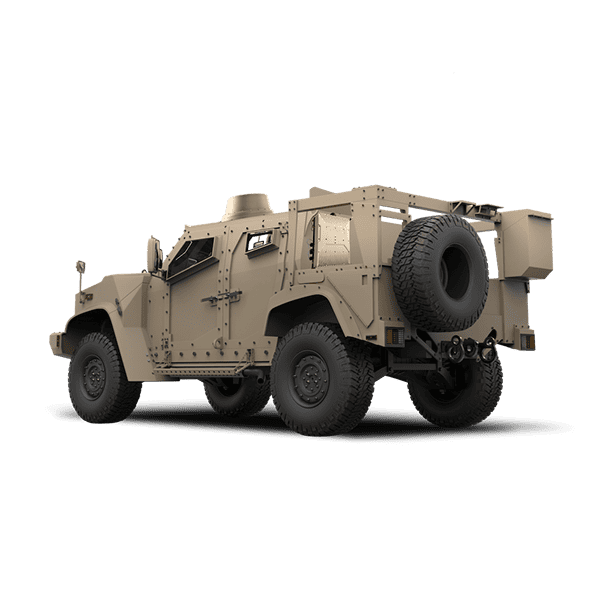
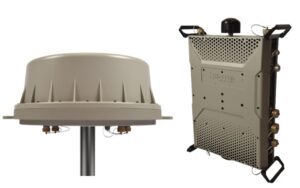
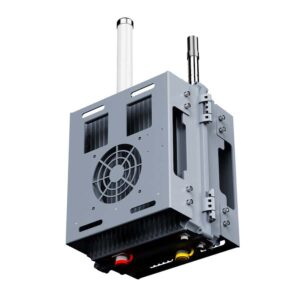
Counter-Drone Protection for Naval & Maritime Operations
Counter-Drone Protection for Naval & Maritime Operations
...a field-proven RF Cyber-Takeover C-UAS capability designed for naval and commercial maritime... ...e conventional counter-drone solutions, EnforceAir2 Maritime does not rely on jamming or kinetic...
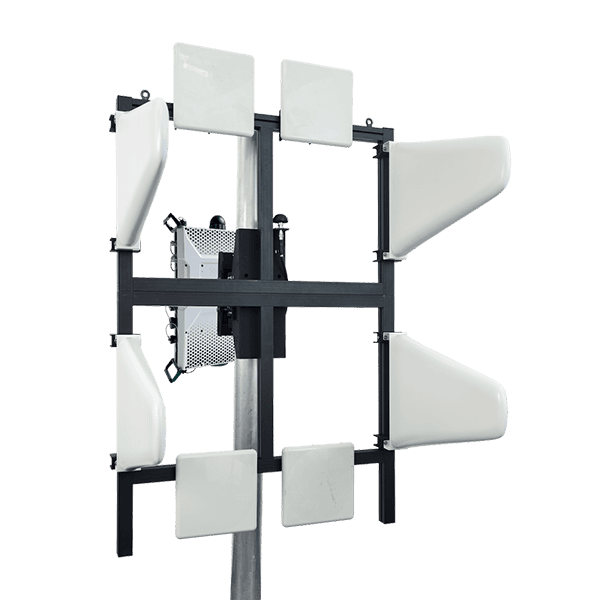
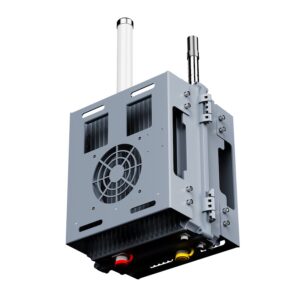
Protocol-level drone take-over & electronic intervention system
Protocol-level drone take-over & electronic intervention system
...protocol-level counter-UASsystem that enables authorized operators to assume control of... ...d BETAFPV, the system offers two response modes: controlled flight take-over and forced propeller...
The Specifiers Guide to Cyber Takeover Counter-Drone Systems
Overview by
William Mackenzie
Updated:
Introduction to Cyber Takeover Counter-Drone Systems
A Radio Frequency (RF) cyber takeover counter-drone system detects RF activity associated with an Unmanned Aircraft System (UAS), identifies a supported platform or protocol, and intervenes through the communications layer. Within the wider Counter-Unmanned Aircraft System (C-UAS) landscape, this approach combines cyber drone detection with selective, non-kinetic mitigation. It should identify the target aircraft and, where possible, its controller before action is approved.
Unlike RF jamming, which disrupts communications through interference, RF cyber takeover uses protocol-aware methods to interact with supported links. A successful drone takeover may allow an authorized operator to redirect the aircraft, command a controlled landing, trigger a supported failsafe response, or end its mission. Autonomous, modified, encrypted, frequency-hopping, radio-silent, or unknown UAS may remain unaffected.
How RF Cyber Takeover Technology Works
1. Passive RF Signal Detection
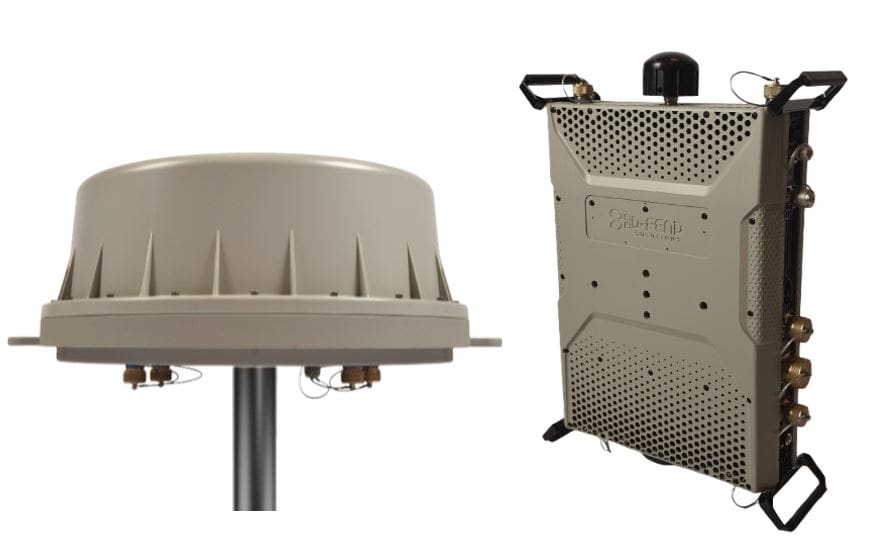
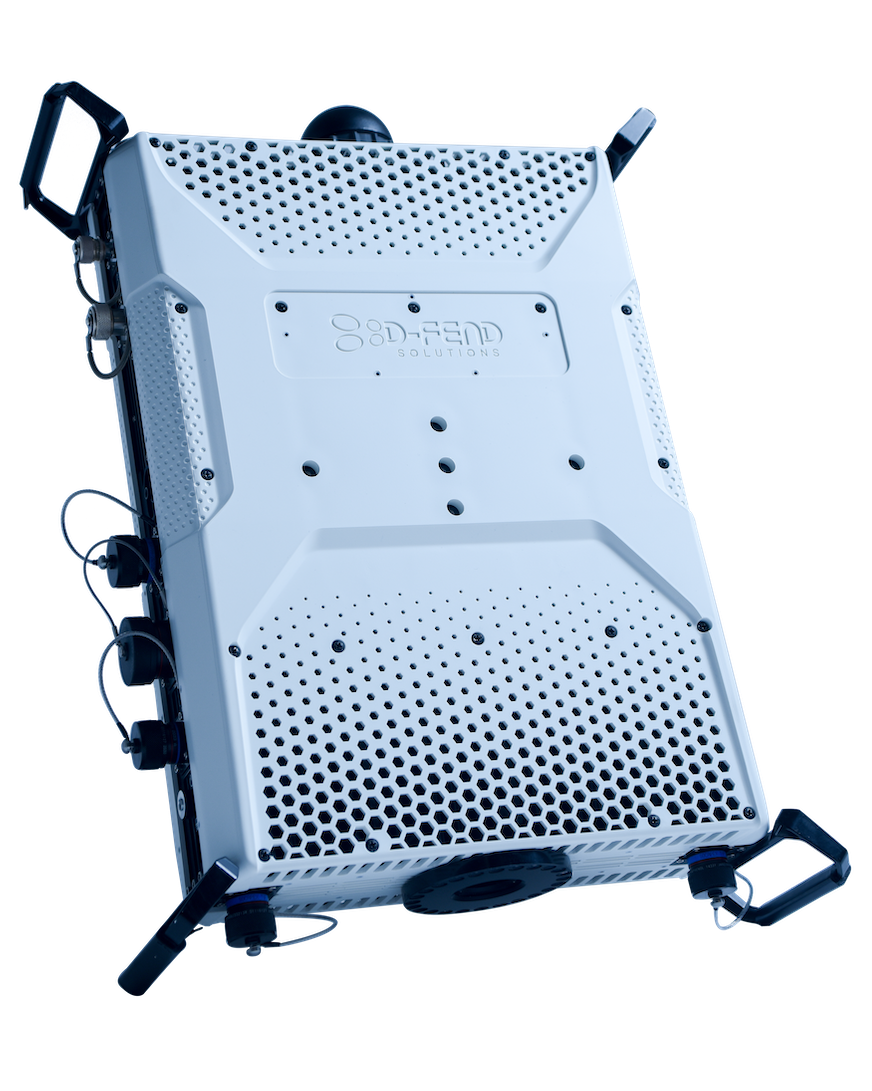
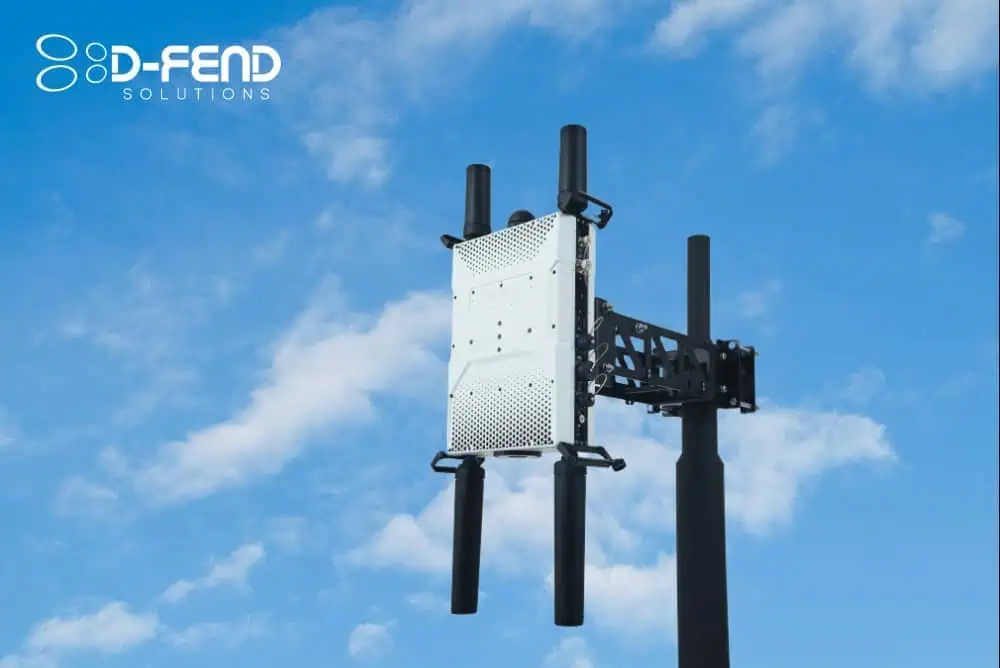
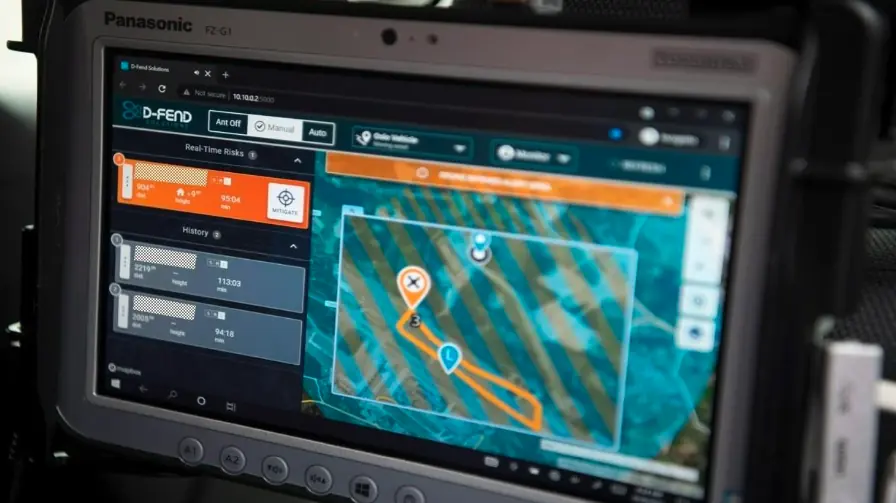
EnforceAir PLUS, a cyber-driven, AI-powered counter-drone system, from D-Fend Solutions
Receivers monitor spectrum without transmitting and search for emissions linked to command-and-control (C2), telemetry, video, or controller activity. Passive sensing may detect the aircraft and operator when each is transmitting, but not a fully autonomous or radio-silent aircraft.
2. Waveform and Protocol Recognition
Signal-processing software examines emissions for known waveforms, device families, and protocols. This helps separate UAS traffic from Wi-Fi, cellular, industrial, and other signals in the same bands.
3. Drone and Controller Identification
The system may correlate identifiers, protocol characteristics, direction-finding data, Remote ID information, and observed behavior to classify the aircraft and estimate the controller location. Accurate geolocation may require multiple sensors or distributed receivers. An RF contact alone does not establish hostile intent.
4. Communication Session Analysis
Once a compatible target is identified, the system evaluates how commands, status messages, authentication data, and payload information are exchanged. This distinguishes cyber takeover from broad interference.
5. Protocol Access and Command Injection
The takeover function attempts to interact with the target through supported protocol methods. Depending on the system, this may involve device emulation, exploitation of an implementation weakness, or transmission of valid protocol messages. Capability depends on the aircraft, controller, firmware, authentication design, encryption, session state, and the current protocol library.
6. Establishing Control of the Aircraft
If access succeeds, the system establishes a managed command path. Operators must confirm that commands are reaching the intended aircraft and monitor for rejected commands, lost links, return-to-home behavior, or continued autonomous flight.
7. Controlled Landing, Redirection, or Mission Termination
The response should reflect the protected site, surrounding population, payload risk, airspace, and recovery area. Controlled landing can preserve evidence, while redirection can move the UAS away from a sensitive zone.
8. Post-Mitigation Confirmation and Monitoring
The system continues tracking the aircraft and RF activity. Operators confirm its final position, watch for reconnection, and retain event data.
Potential Attack Surfaces for RF Cyber Takeover
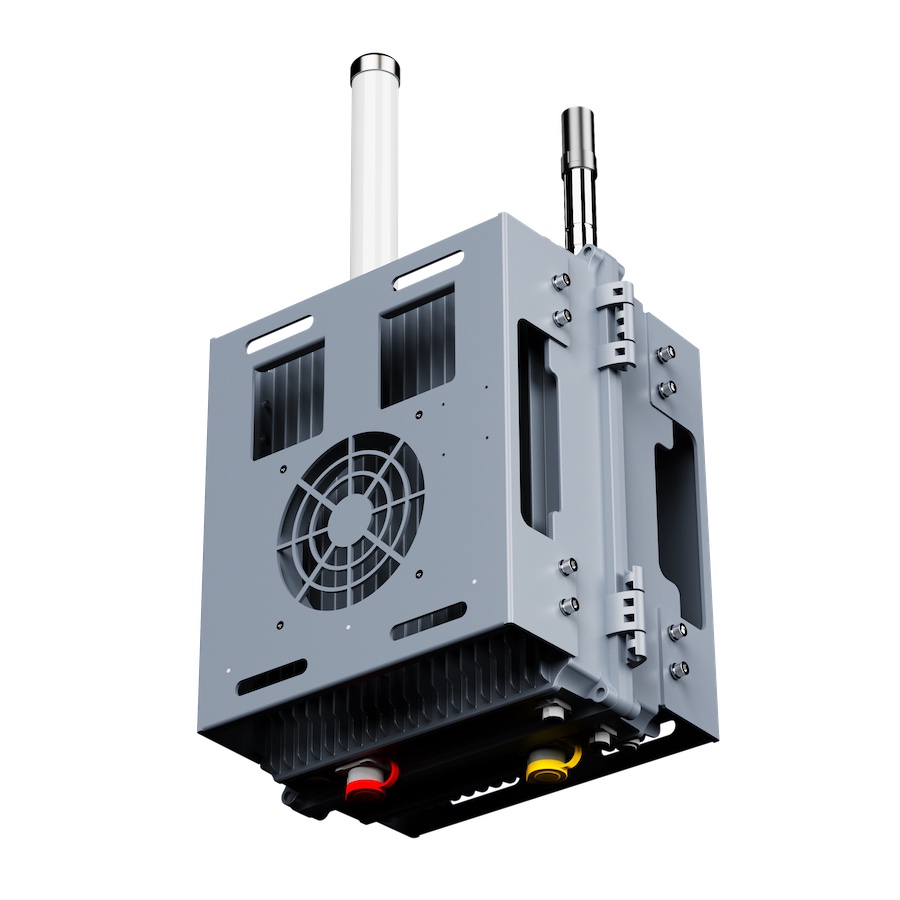
Ruyi, a protocol-level drone take-over & electronic intervention system, from LZ Tech
RF cyber takeover depends on observable and technically accessible parts of the UAS communications ecosystem. Relevant surfaces can include:
Command-and-Control Links: C2 links carry pilot inputs and are the main focus for protocol-aware takeover.
Telemetry and Status Data: Position, battery, link quality, and system messages can support classification.
Video and Payload Data Links: Downlinks may reveal the presence or role of a UAS, even when they do not provide a control path.
Controller-to-Aircraft Pairing: Pairing, authentication, and session setup can identify compatible aircraft and controllers.
Ground Control Stations and Operator Devices: Controller or network emissions can support detection and geolocation.
Wi-Fi and Proprietary Radio Protocols:Commercial UAS may use standard wireless technologies, vendor-specific links, or both.
Cellular and Networked Drone Communications: Network-connected aircraft may operate beyond a direct local control link, changing the available detection and mitigation paths.
Remote ID Transmissions: Broadcast identification and location data can aid correlation and operator location, but Remote ID is not a command channel.
These surfaces do not provide equal access. The system must determine which signals support detection, identification, geolocation, or a controlled effect.
Types of RF Cyber Takeover Counter-Drone Systems
Fixed-Site Systems
Fixed-site systems protect airfields, bases, infrastructure, and correctional facilities. Elevated or distributed antennas improve coverage, while radar, electro-optical sensors, and command software support track confirmation and response.
Portable and Manpack Systems
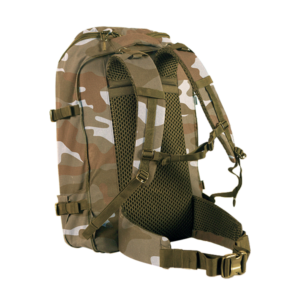
Portable systems support dismounted teams and temporary deployments. Priorities include low size, weight, and power, rapid setup, and a clear interface. Portability must be balanced against coverage, endurance, antenna performance, and processing capacity.
Vehicle-Mounted Systems
Vehicle-mounted systems protect convoys, maneuver forces, command posts, and patrols. Vehicle power supports larger antennas and more processing, although terrain, movement, vibration, and onboard electromagnetic noise can complicate detection.
Shipboard and Maritime Systems
Shipboard systems protect vessels, ports, offshore facilities, and coastal sites. They must account for water reflections, ship motion, corrosion, and dense onboard RF activity while avoiding interference with navigation and communications.
Key Applications of Cyber Takeover Systems
Protocol-aware detection and mitigation can support fixed, mobile, and temporary security missions:
Airports and Airfield Protection: Identify unauthorized drones near runways, terminals, approach paths, and other areas where UAS activity could disrupt flight operations.
Military Bases and Forward Operating Locations: Counter compatible small UAS used for reconnaissance, surveillance, targeting, or payload delivery around permanent and deployed facilities.
Critical Infrastructure Security: Monitor airspace around energy sites, communications networks, transport hubs, and other essential facilities vulnerable to drone activity.
Prisons and Correctional Facilities: Detect and mitigate compatible drones used to deliver contraband, conduct surveillance, or support unauthorized communications.
Border and Coastal Surveillance: Support drone detection and response across border corridors, coastlines, ports of entry, and remote surveillance areas.
Public Events and Temporary Security Operations: Provide deployable protection for stadiums, festivals, political gatherings, and other locations requiring short-term airspace security.
Maritime Port and Vessel Protection: Complement radar and optical tracking when monitoring drones near ports, offshore facilities, naval vessels, and commercial shipping.
Convoy and Mobile Force Protection: Protect moving personnel, vehicles, and mobile operations against supported UAS used for tracking, reconnaissance, or attack.
Each application requires appropriate legal authority, airspace procedures, site-specific risk assessment, rules of engagement, and an alternative response for targets that cannot be taken over. Authority to use active C-UAS mitigation varies by jurisdiction and may be limited to designated government entities. Airport deployments require close coordination because C-UAS equipment can affect aviation safety, communications, and navigation systems.
Comparison with Other Counter-Drone Technologies
Counter-drone mitigation methods differ in selectivity, target dependence, collateral risk, and operating constraints.
Mitigation Method
Operating Mechanism
Advantages
Limitations
RF Cyber Takeover
Interacts with supported communications at the protocol level
Selective response, controlled landing, and possible aircraft recovery
Limited by compatibility, encryption, autonomy, protocols, and software versions
RF Jamming
Transmits interference against command, data, or navigation-related frequencies
Rapid non-kinetic effect across known frequency ranges
May affect other spectrum users and trigger unpredictable failsafe behavior
D-Fend Solutions deployed non-kinetic counter-drone tech with 20+ public safety agencies to protect World Cup matches, venues, and critical infrastructure across North America
Explore Motorola Solutions’ acquisition of D-Fend Solutions and the EnforceAir and EnforceAir2 RF cyber takeover systems advancing counter-drone airspace security capabilities
The University of Alabama has implemented D-Fend Solutions’ EnforceAir technology to secure its R1 research infrastructure and massive athletic venues against unauthorized drone activity
D-Fend Solutions discusses the growing threat of hostile drones to critical infrastructure and highlights its EnforceAir solutions, which use RF cyber takeover to non-disruptively detect and neutralize unauthorized UAVs while preserving authorized operations and communications
Jeffrey Starr, the CMO of D-Fend Solutions, discusses the advantages and challenges of implementing RF cyber takeover counter-UAS technology to address emerging drone threats
A new research report from Booz Allen Hamilton names D-Fend Solutions as an Emerging Innovator in the non-Kinetic C-UAS category with Cyber Takeover recognised as a distinct effector technology essential to combating COTS UAS Systems
D-Fend Solutions has released a whitepaper discussing C-UAS cyber takedown technology and asks the question, does it really work and what are the limitations?
The latest unmanned systems news, straight to your inbox.
Get our weekly roundup of technology developments, new products and industry news.
THANK YOU FOR SIGNING UP
Thanks for joining us. Check your inbox.
We've sent you an email. Click the confirmation link to complete your subscription to the weekly eBrief. In the meantime, explore the latest news, suppliers and technologies on UST.
Advancing Unmanned Systems Through Strategic Collaboration
UST works with major OEMs to foster collaboration and increase engagement with SMEs, to accelerate innovation and drive unmanned systems capabilities forward.