Motorola Solutions’ acquisition of D-Fend Solutions represents a notable consolidation in the Counter-Unmanned Aircraft System (C-UAS) sector, bringing RF cyber takeover technology into a broader ecosystem of public safety, communications, and mission-critical security infrastructure.
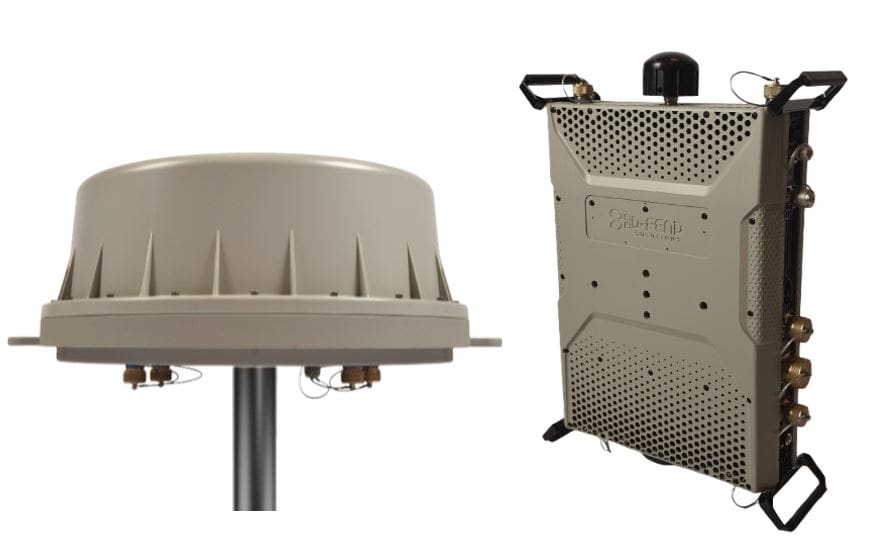
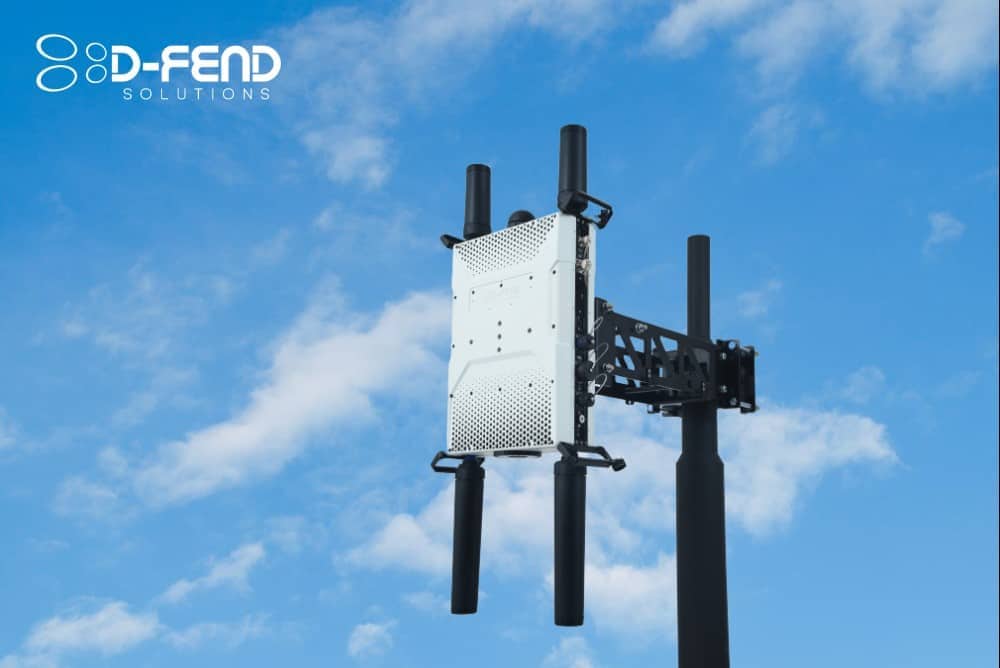
At the centre of this capability set is D-Fend’s EnforceAir family, particularly EnforceAir and EnforceAir2, which has become a widely deployed standard for non-kinetic drone mitigation across defense, aviation, and critical infrastructure environments.
RF Cyber Takeover Approach
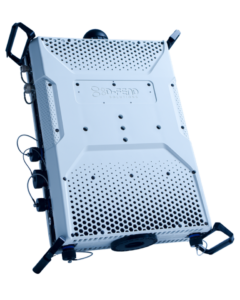
EnforceAir.
Unlike conventional counter-drone approaches that rely on jamming or kinetic interception, D-Fend Solutions is built around RF cyber takeover, a methodology that intervenes directly in a drone’s command-and-control link. EnforceAir systems detect, locate, identify, and ultimately take control of rogue drones by leveraging software-defined radio techniques that override the operator link. This enables controlled outcomes such as safe landing or return-to-home, while preserving uninterrupted operations for authorised UAV activity. The approach is particularly valuable in environments where airspace continuity and safety are critical, including airports, stadiums, government facilities, and urban infrastructure zones.
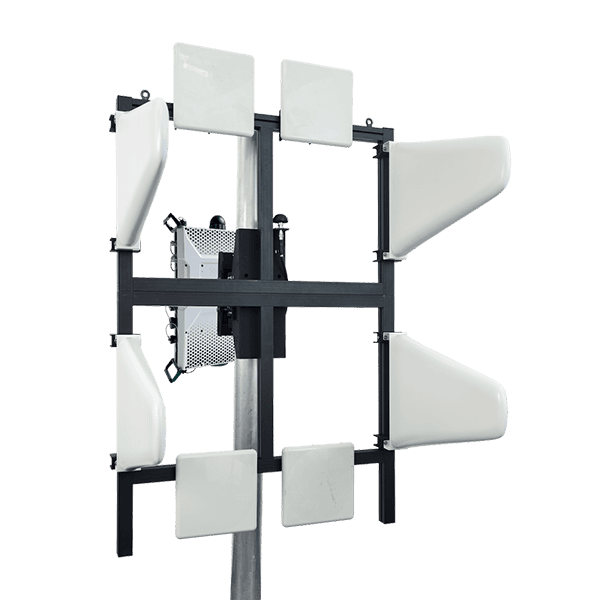
EnforceAir System Architecture
EnforceAir operates as a unified RF sensing and mitigation platform, combining passive detection with active interception within a single architecture. It is capable of identifying drone type and behaviour through RF signature analysis, tracking both the unmanned aircraft and its operator, and executing precise, non-disruptive takeover actions without requiring line-of-sight engagement. This makes it effective in complex or cluttered environments where radar-only or optical systems may face limitations.
EnforceAir2 Mobile RF Cyber Operations
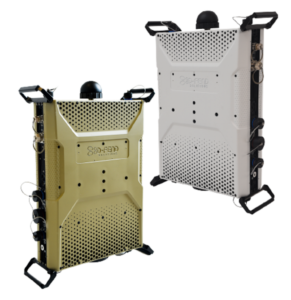
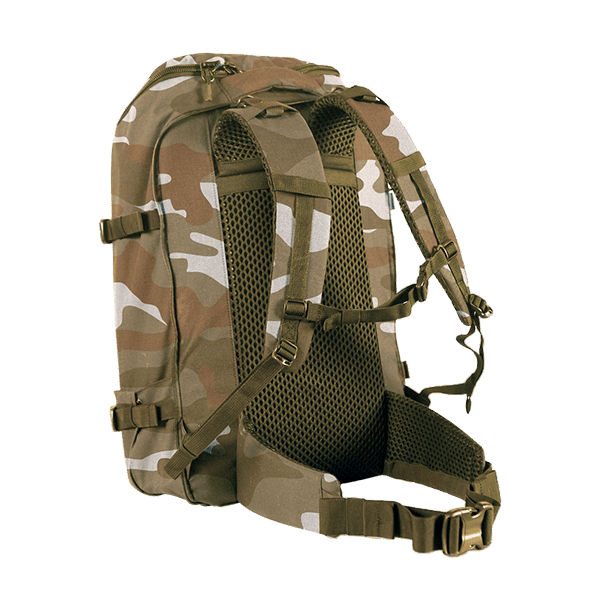
EnforceAir2.
EnforceAir2 builds on this foundation with enhanced portability, faster deployment, and improved performance in dynamic operational conditions. Designed for mobile and tactical use cases, it allows operators to rapidly establish RF cyber protection in evolving threat environments, while maintaining compatibility with fixed-site and layered defense configurations.
Operational Advantages Across the Platform
Across both systems, several key advantages define D-Fend’s approach: minimal RF footprint during passive detection, high-precision discrimination between authorised and hostile drones, avoidance of collateral disruption to surrounding communications, and flexible deployment across fixed, mobile, and rapid-response scenarios.
With Motorola Solutions integrating D-Fend’s technology portfolio, EnforceAir and EnforceAir2 are positioned to evolve from standalone C-UAS systems into embedded components of larger, networked situational awareness architectures, reflecting a broader shift toward coordinated, software-defined airspace security rather than isolated mitigation tools.