
Showcase your capabilities
If you design, build or supply UAV Fuel Level Sensors, create a profile to showcase your capabilities and connect with visitors who have an active requirement for your solutions.



Fuel level sensor manufacturers ensure precise fuel monitoring for extended mission endurance and reliable system performance. Designed for harsh flight environments, modern fuel measurement systems employ capacitive, ultrasonic, and MEMS-based technologies to deliver accurate readings even under rapid attitude changes, vibration, and temperature variation.
This category showcases suppliers of fuel level sensors for UAVs, UGVs, and USVs, providing mission-critical insight into fuel status for improved safety, autonomy, and operational planning.
Read the Technology Overview
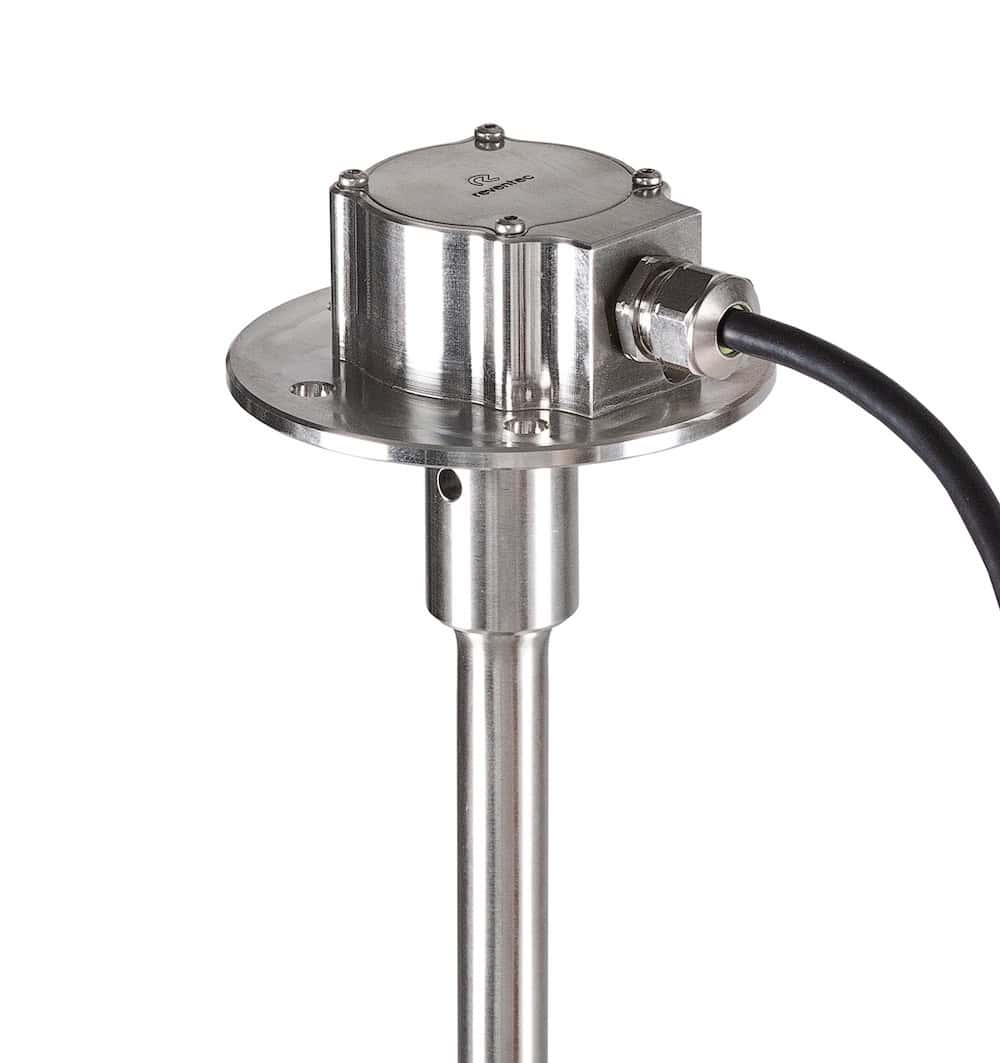
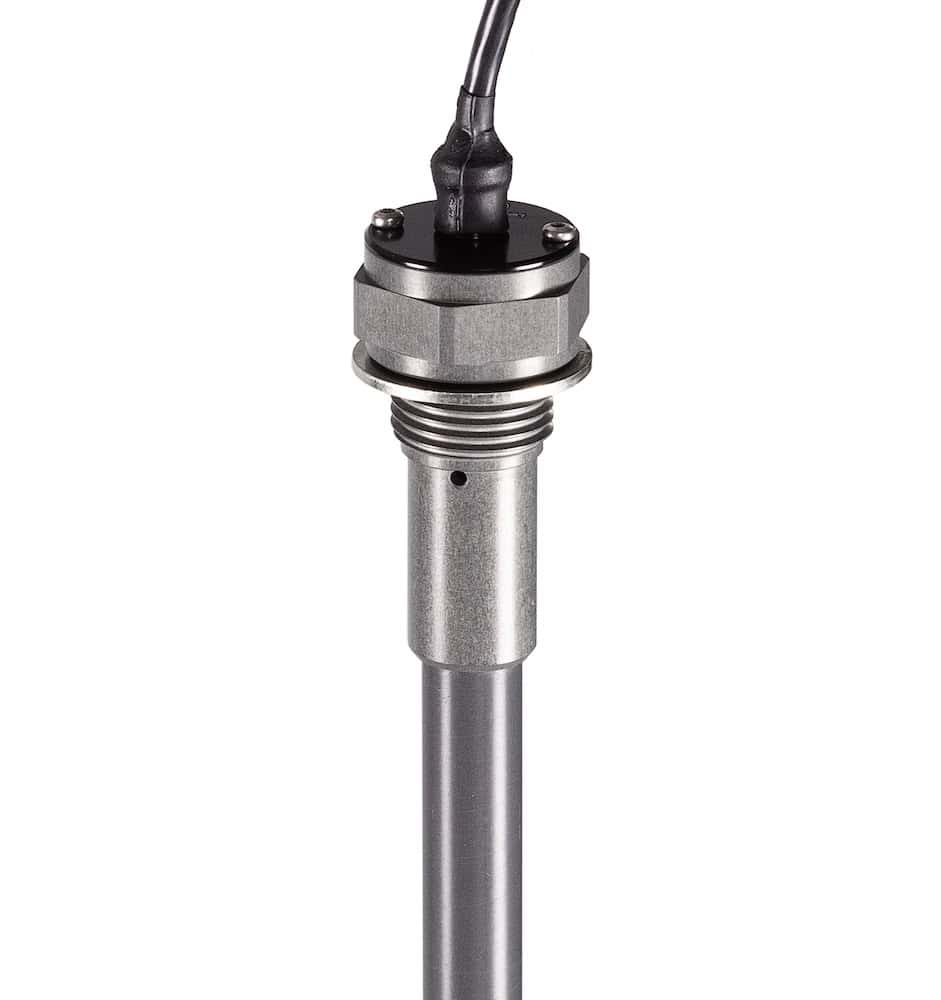
If you design, build or supply UAV Fuel Level Sensors, create a profile to showcase your capabilities and connect with visitors who have an active requirement for your solutions.

UAV fuel level sensors measure the volume of fuel in a drone’s fuel tank and transmit this data to onboard and ground-based systems.
Unlike consumer-grade sensors, these components are designed for high-reliability environments where weight, size, and precision are critical. They function as part of broader fuel monitoring systems, ensuring that UAVs operating in demanding environments maintain efficient fuel usage and avoid mid-mission failures.
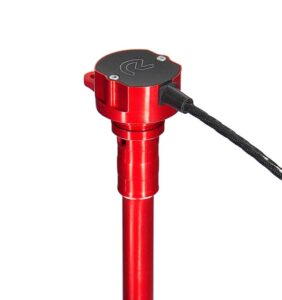
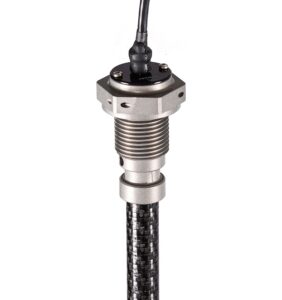
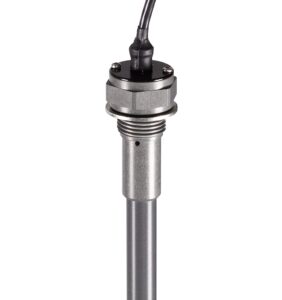
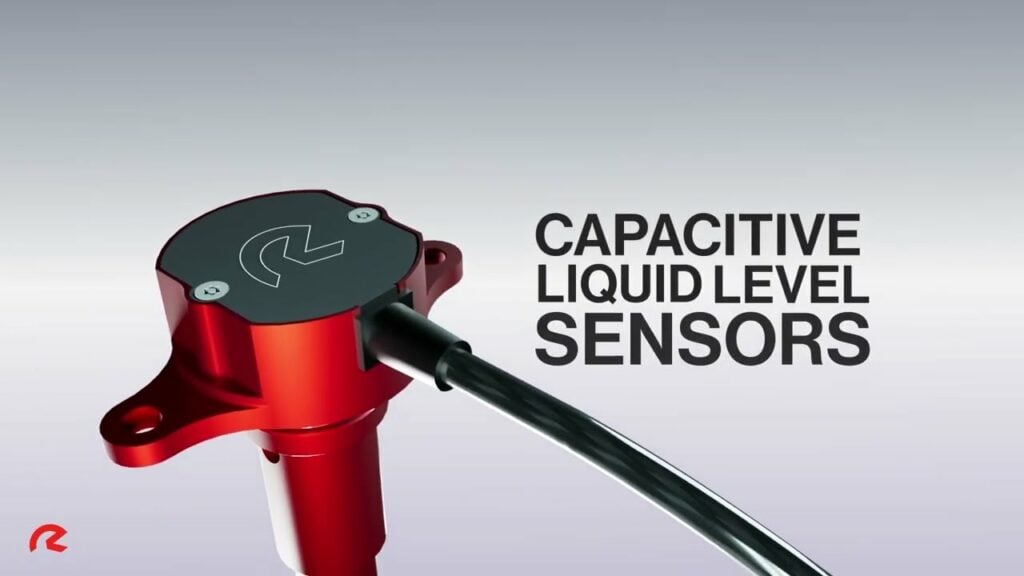
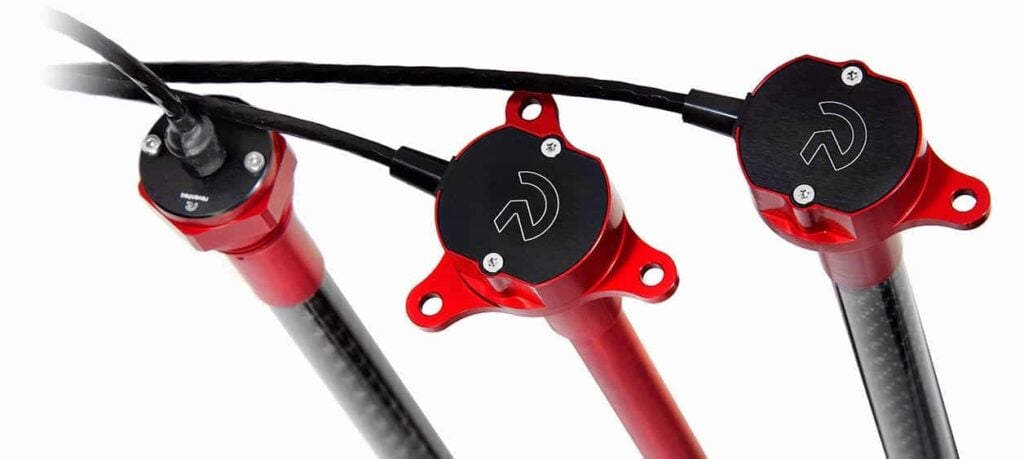
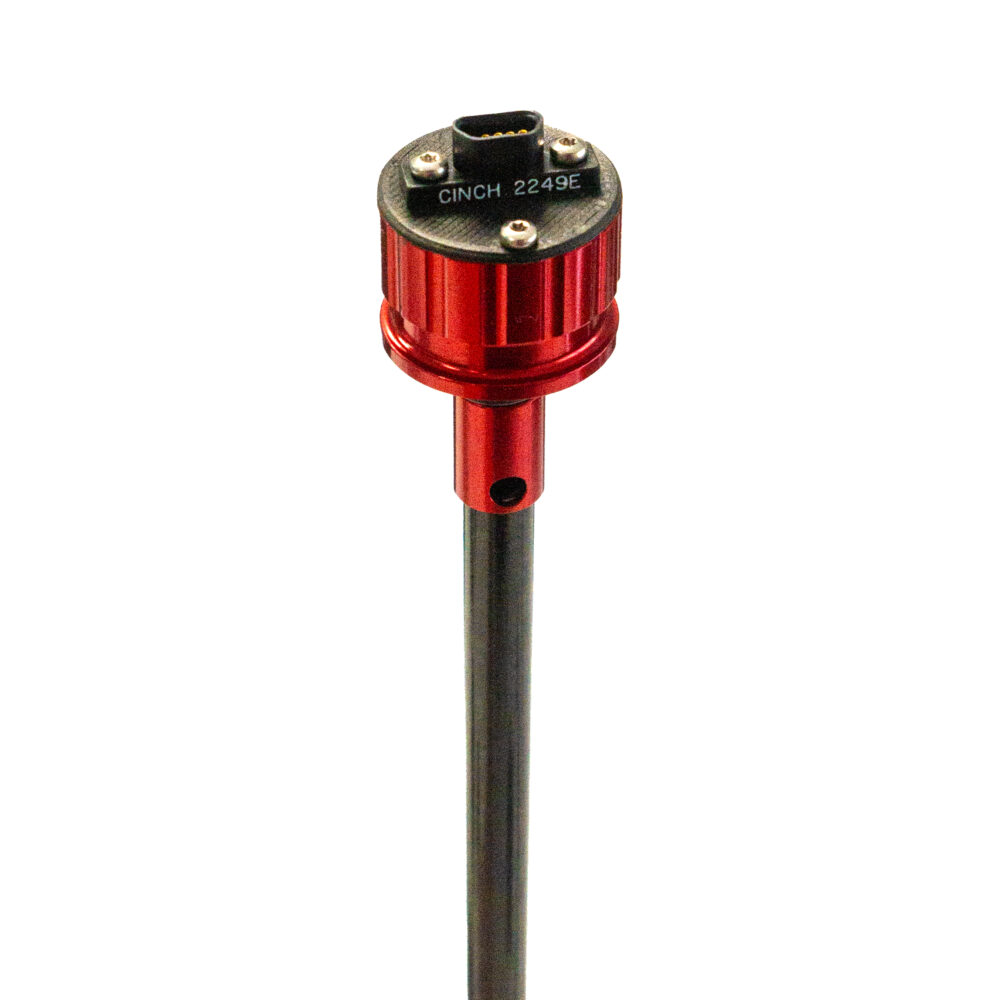
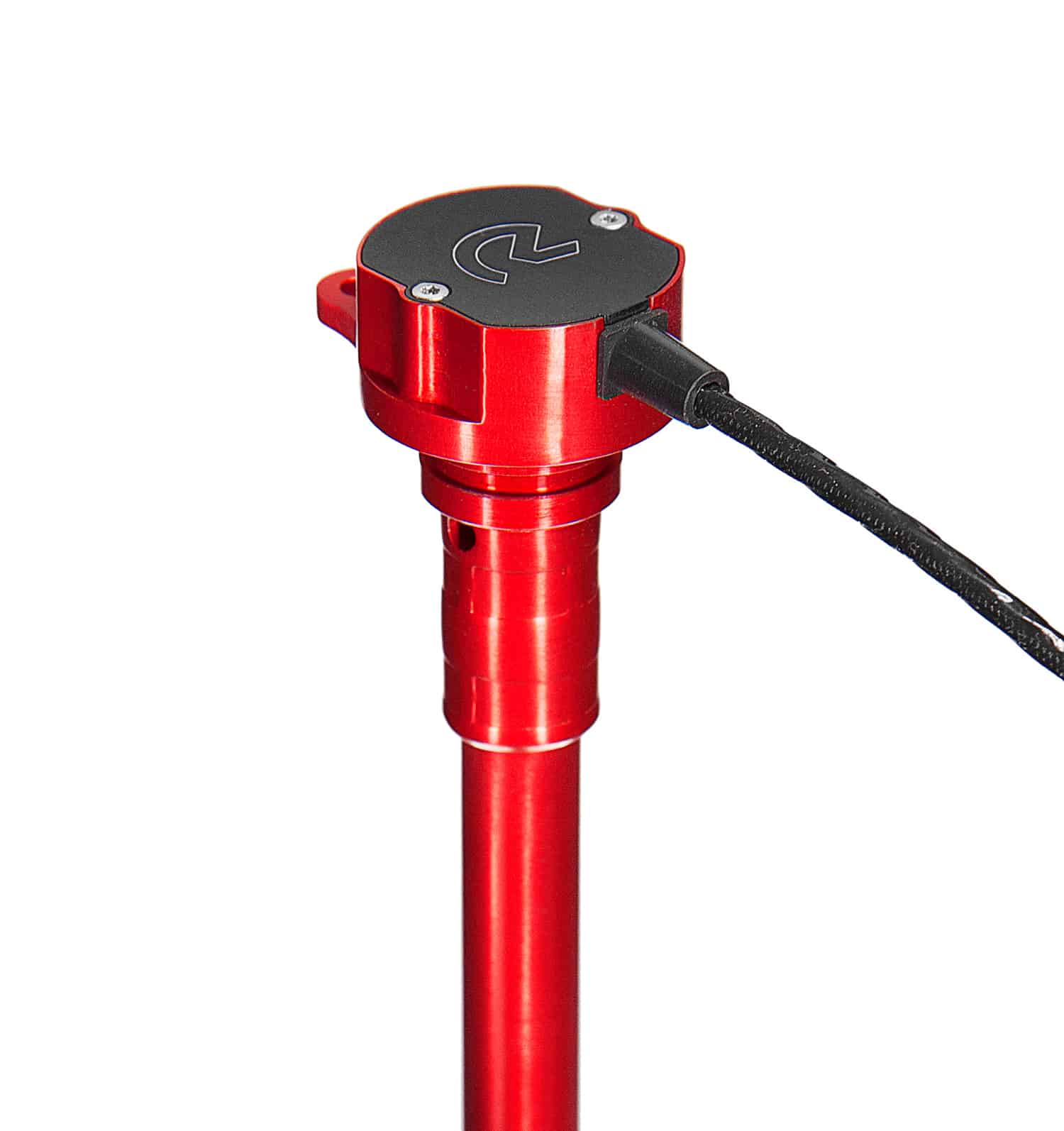
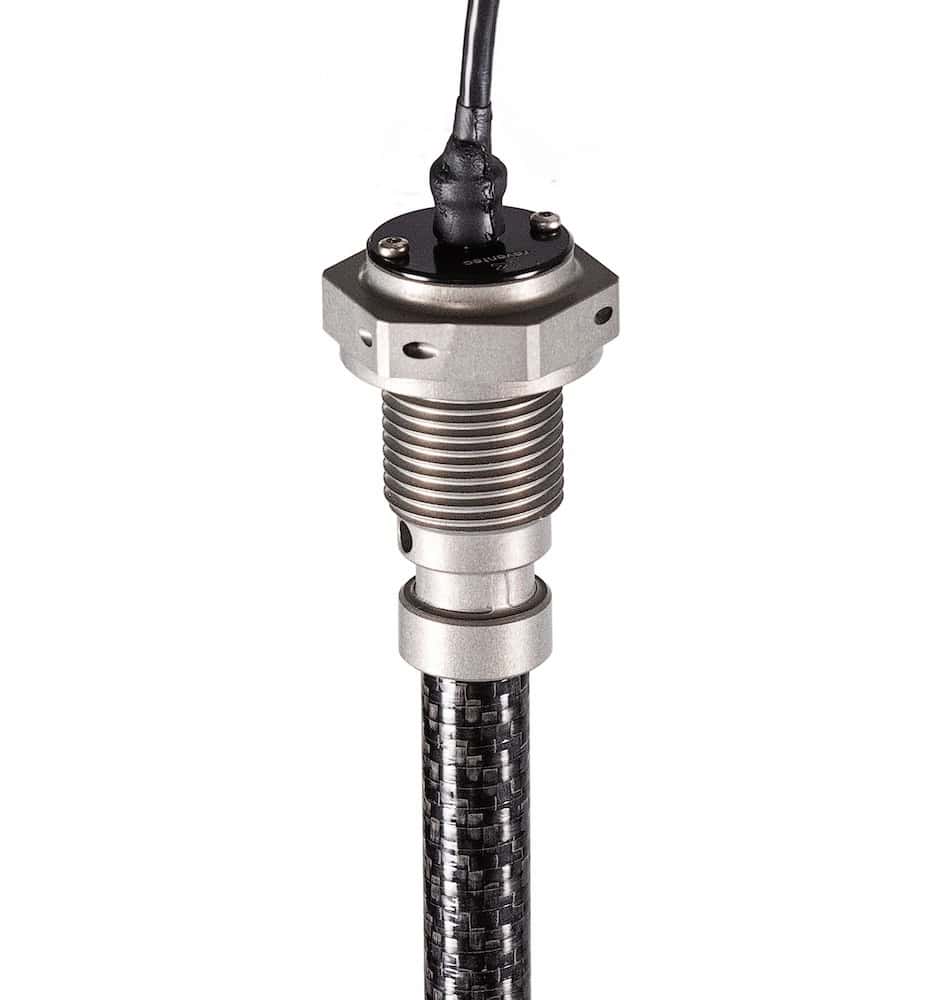
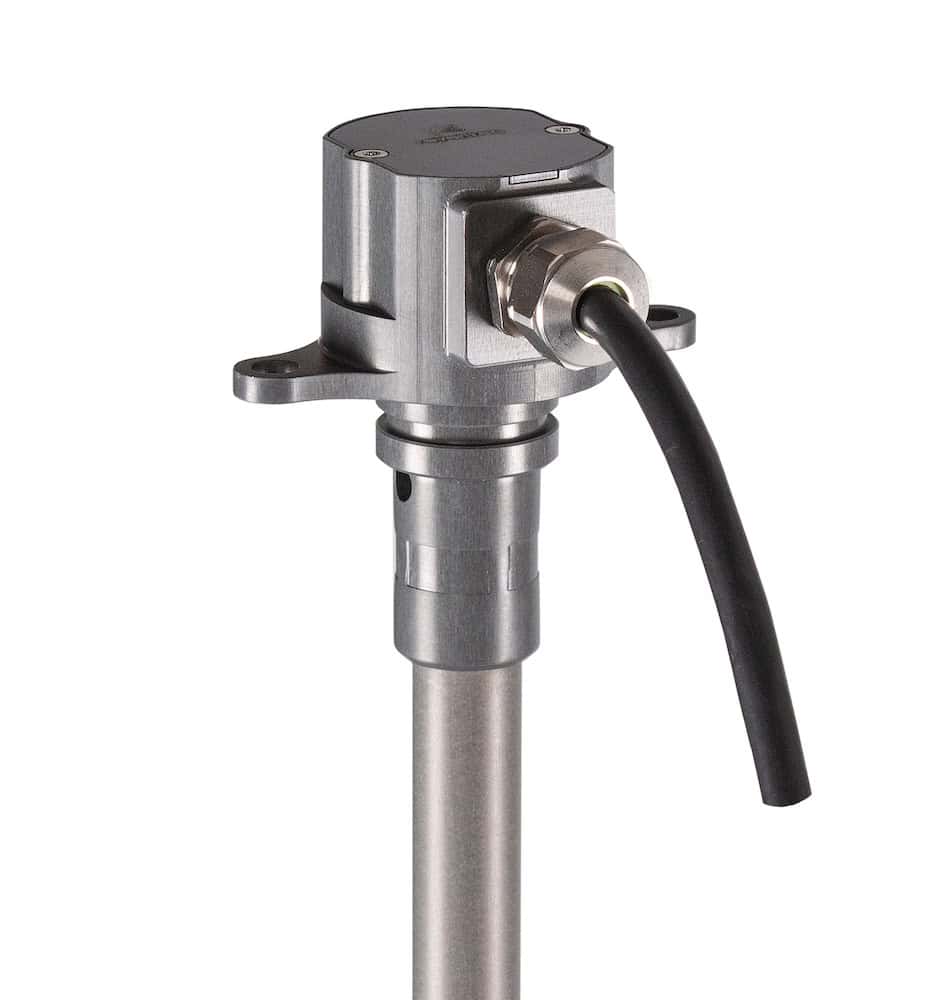
Lightweight Capacitive Fuel Level Sensors by Reventec
Precise fuel sensors are vital across a range of UAV platforms used in defense, aerospace, surveying, and industrial inspection. In surveillance and reconnaissance drones, fuel level accuracy can be mission-critical, directly affecting flight endurance and safety.
In cargo drones or high-altitude long-endurance (HALE) systems, they help maximize range and optimize energy consumption. These sensors are often embedded in systems that enable real-time data transfer to the ground control station, offering situational awareness and operational transparency to remote operators.
Modern UAV fuel level sensors do not operate in isolation. They’re integrated into fuel management systems that include components like propulsion control units, engine control units (ECUs), and flight control systems. The data they generate informs automated decisions within the flight management system, which works in tandem with the avionics system to deliver a unified operational picture. In more complex drone platforms, sensor fusion systems combine fuel data with other telemetry inputs to optimize aircraft performance dynamically.
Several sensor technologies are used in UAV fuel level monitoring, including capacitive, resistive, ultrasonic, and optical sensors. Capacitive sensors are common due to their accuracy, compact form factor, and durability. These sensors can be customized for various fuel types and tank geometries, supporting a wide range of UAV configurations. Optical and ultrasonic options may be used in environments where non-contact measurement is preferred, often for safety or environmental resilience.
UAV fuel sensors are part of a broader ecosystem that includes fuel management software and data acquisition systems. These platforms enable fleet fuel monitoring, which is especially important in military and industrial drone fleets. Advanced software tools allow operators to log, analyze, and optimize fuel consumption trends across missions while also interfacing with autonomous flight systems for real-time adjustments. This facilitates predictive maintenance and improves overall mission planning.
Although many small UAVs use electric propulsion, liquid-fueled UAVs offer greater endurance and power for large-scale or high-performance missions. Fuel sensors fill a critical gap not covered by battery management systems. While energy monitoring systems are effective for electric drones, fuel-based platforms require highly specialized tracking systems that account for fuel sloshing, pressure variation, and tank geometry—factors that these sensors are engineered to address.
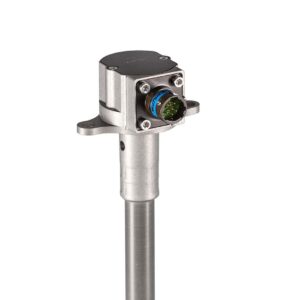
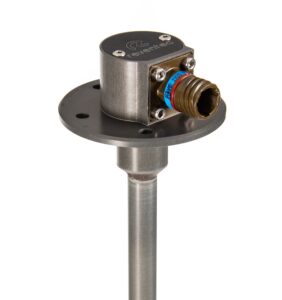
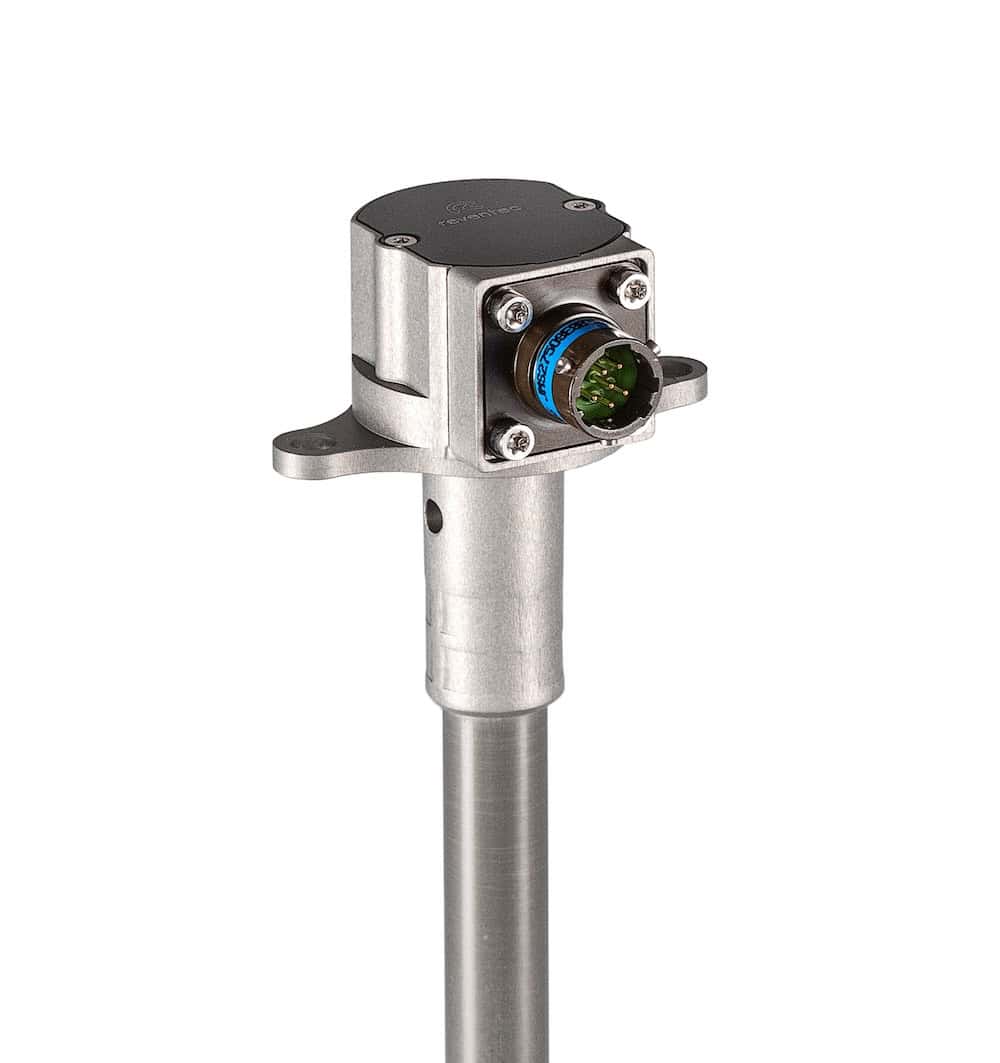
LSM200-38999 Fuel Level Sensor by Reventec
Incorporating reliable liquid level sensors into a UAV platform provides multiple operational benefits. These include enhanced mission planning through accurate fuel forecasting, reduced risk of in-flight power loss, and improved efficiency in propulsion control.
Combined with automated fuel monitoring and remote fuel data integration, operators gain the tools necessary for more predictable and longer-duration missions. These systems also support compliance with safety monitoring requirements in regulated sectors such as defense and aerospace.
Some representative applications where UAV fuel sensors provide critical value include:
UAV fuel level sensors are critical to the safe, efficient, and autonomous operation of modern unmanned aerial systems. Their integration into professional drone platforms enhances situational awareness, supports automated control, and allows operators to manage resources with precision. As UAV applications expand into more complex and high-stakes environments, reliable fuel monitoring systems become increasingly central to mission success. Through ongoing innovation in sensor design, data integration, and system interoperability, UAV fuel sensors will remain a cornerstone of advanced unmanned aviation infrastructure.


 Searching Companies & Products