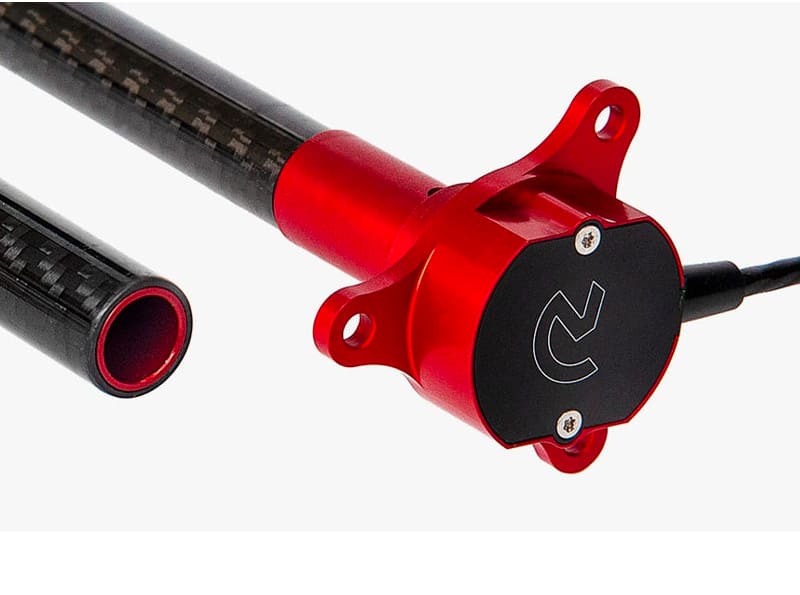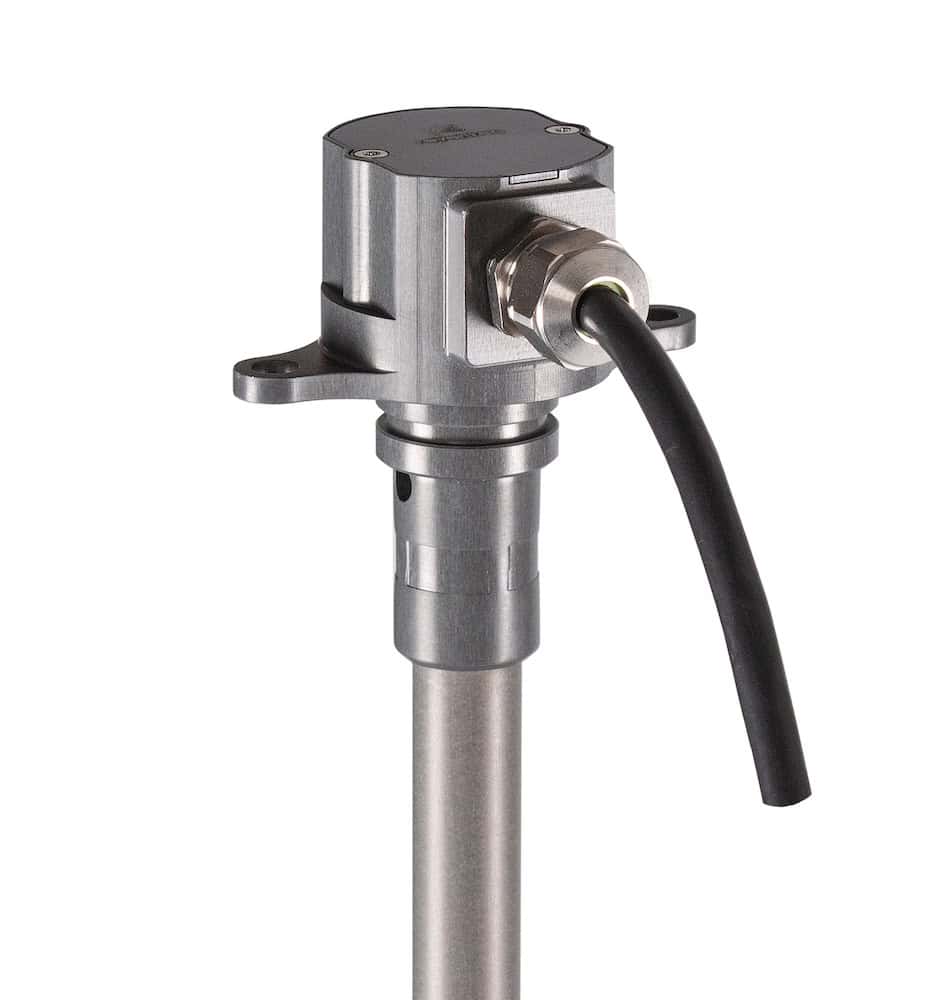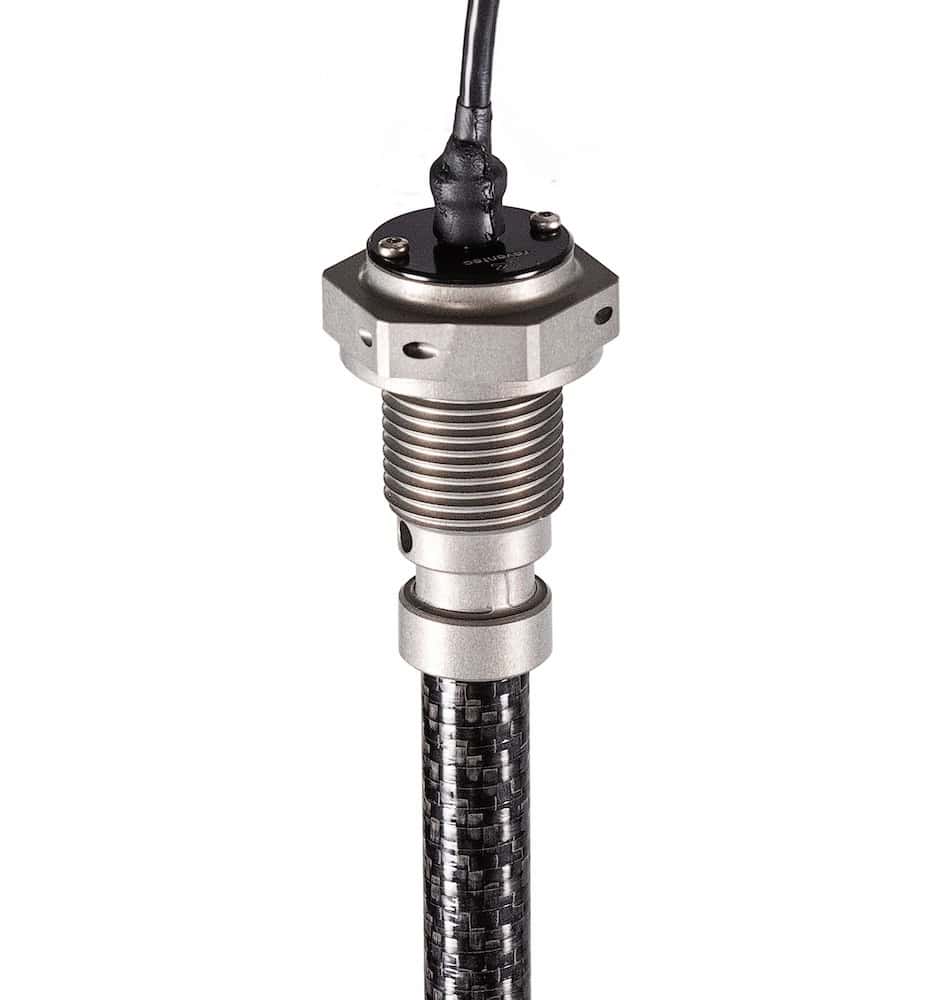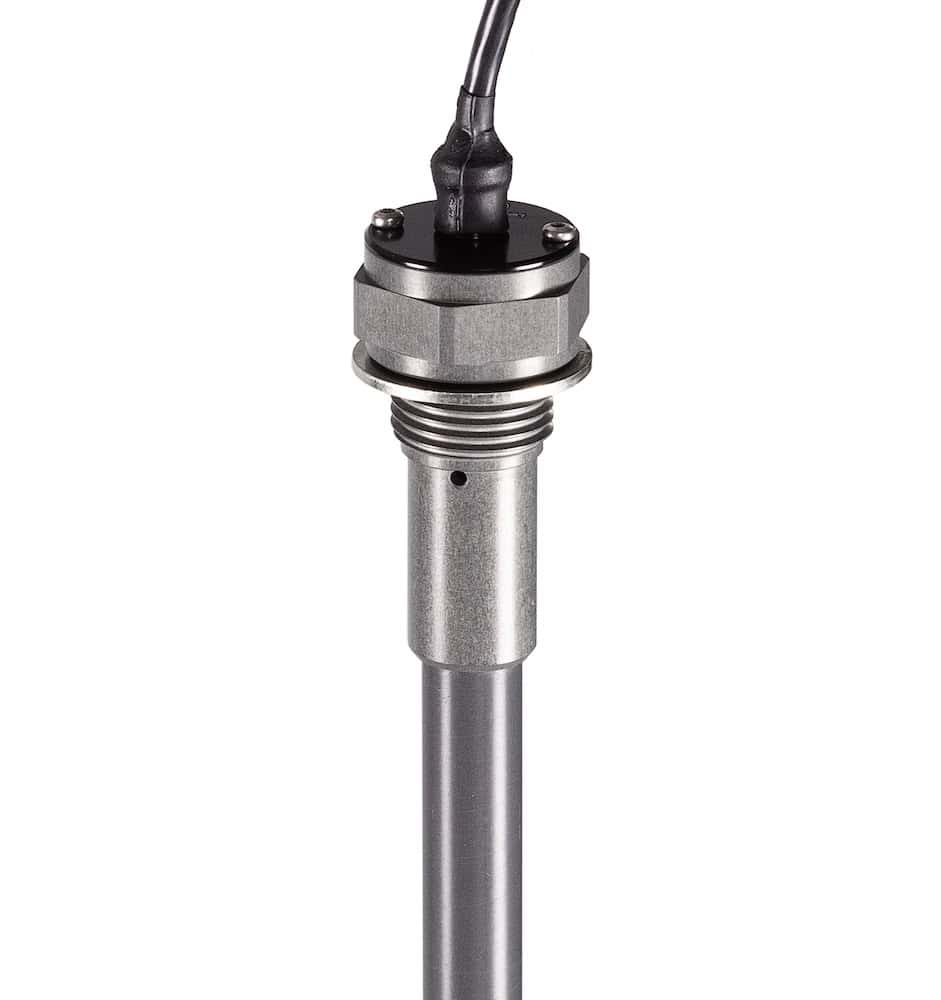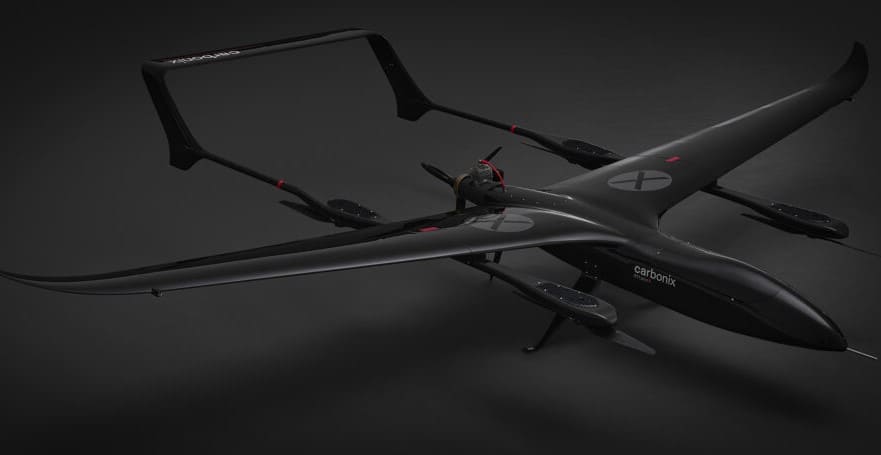

Reventec Limited, a designer and manufacturer of liquid level, position and flow sensors, for use in extreme environments, has introduced a DroneCAN protocol option for its capacitive liquid level sensor range.
This new capability allows next-generation UAVs to benefit from highly accurate, real-time fuel level monitoring with seamless system integration.
DroneCAN is the primary CAN communication protocol used by the most widely adopted UAV flight control software, including ArduPilot and PX4. With DroneCAN becoming an increasingly common requirement for commercial unmanned systems, Reventec is the first capacitive liquid level sensor manufacturer to offer native DroneCAN support on new orders.
Developed over the past six months, this feature enables Reventec sensors to integrate directly with the flight controller system. Once connected, the ECU automatically assigns unique IDs to each component, enabling direct communication across the CAN bus. Unlike a conventional CAN setup, which would require manual programming and output mapping, DroneCAN allows the ECU to immediately recognize the device as a fuel level sensor, streamlining configuration and reducing setup time.
Jack Birmingham, Senior Engineer at Reventec, said, “Reventec’s DroneCAN output format has been highly sought after by our customers and we are pleased to have met this request with a robust, high accuracy sensor. We are excited to continue seeing DroneCAN perform in the field with great success and look forward to developing more features for our customers.”
With true plug-and-play functionality, Reventec’s capacitive liquid level sensors connect effortlessly to industry-standard UAV software, simplifying integration and reducing installation complexity.
Already widely adopted across a range of UAV platforms with internal combustion engines, Reventec’s sensors are valued for their lightweight construction, rugged reliability, and industry-leading accuracy of ±0.5% of reading. These attributes make them ideal for real-time fuel monitoring, enabling operators to optimize in-flight fuel efficiency, extend mission duration, and track coolant levels with precision.