Volz Servos and Kraus Hamdani Aerospace (KHA) are expanding their collaboration around the integration of flight-control actuators into the K1000ULE Unmanned Aerial System (UAS), with a modified servo version under discussion to simplify integration into the aircraft’s production process.
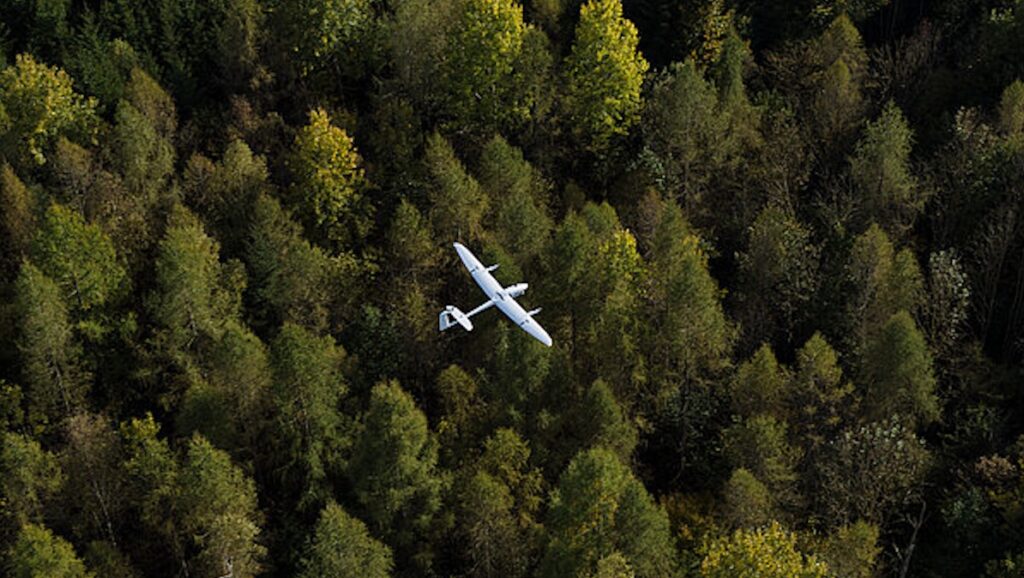
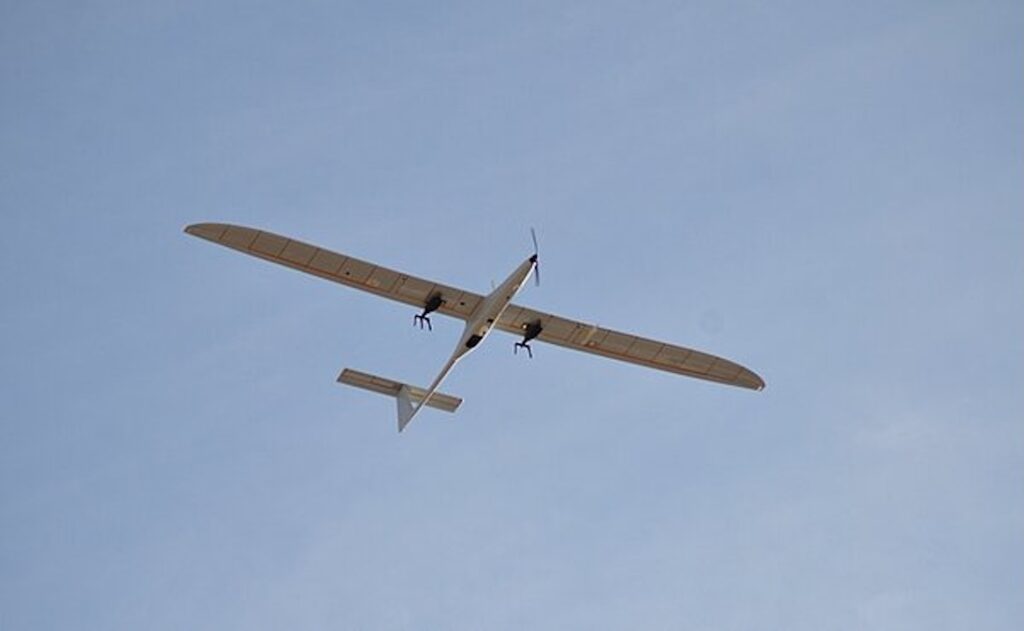
The ultra-long-endurance K1000ULE has logged more than 7,000 flight hours and over 200,000 miles in the air for the U.S. DoW. The platform supports Intelligence, Surveillance & Reconnaissance, Electronic Intelligence, Signal Relay, and other classified capabilities in highly contested and GPS-denied environments. In 2023, the K1000ULE completed a world-record-setting 75-hour 53-minute autonomous flight.
The aircraft is designed to withstand the impacts and shock loads associated with frequent handling during fast box-to-flight assembly and long-endurance flights in worldwide combat operations. Reliable and precise operation of its control surfaces, together with protection against harmful impact and vibration, is therefore an important requirement.
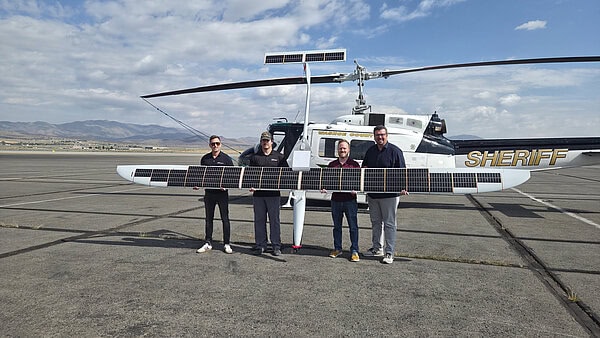
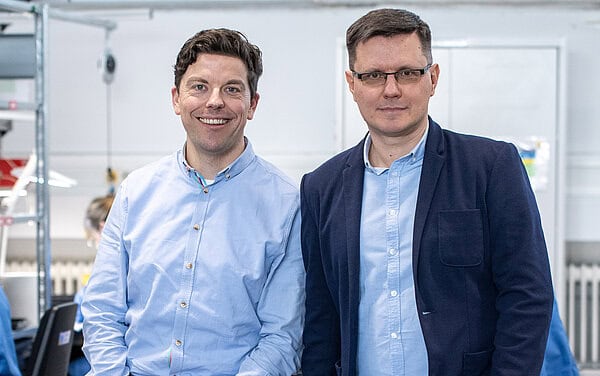
Volz Servos visited customer Kraus Hamdani in Reno. Left to right: Stefan Kraus (KHA, Co-Founder, CTO), JD Schumer (KHA, Drone Operator), Clemens Bugiel (Volz Servos), Felix Thun (Volz Servos COO). (Image credit: Volz Servos)
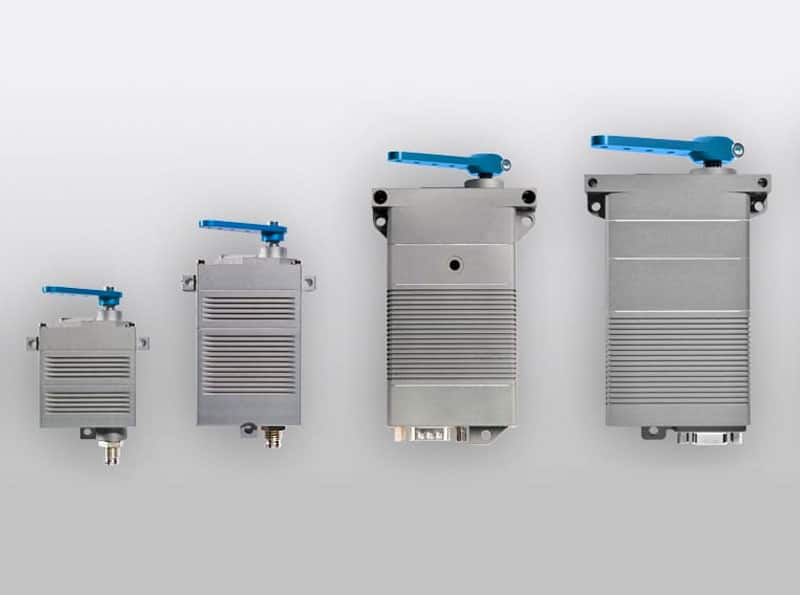
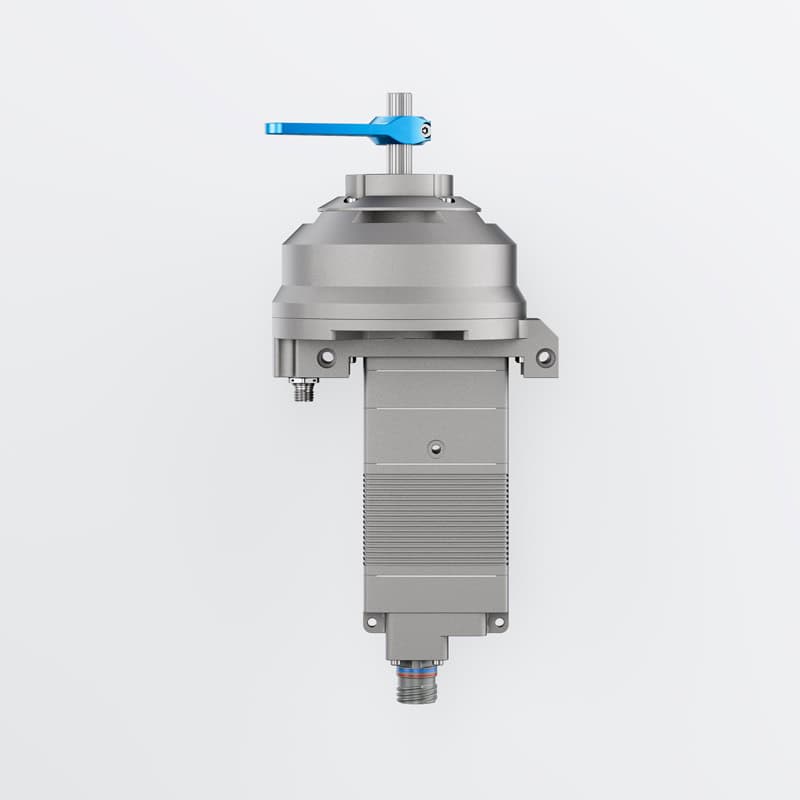
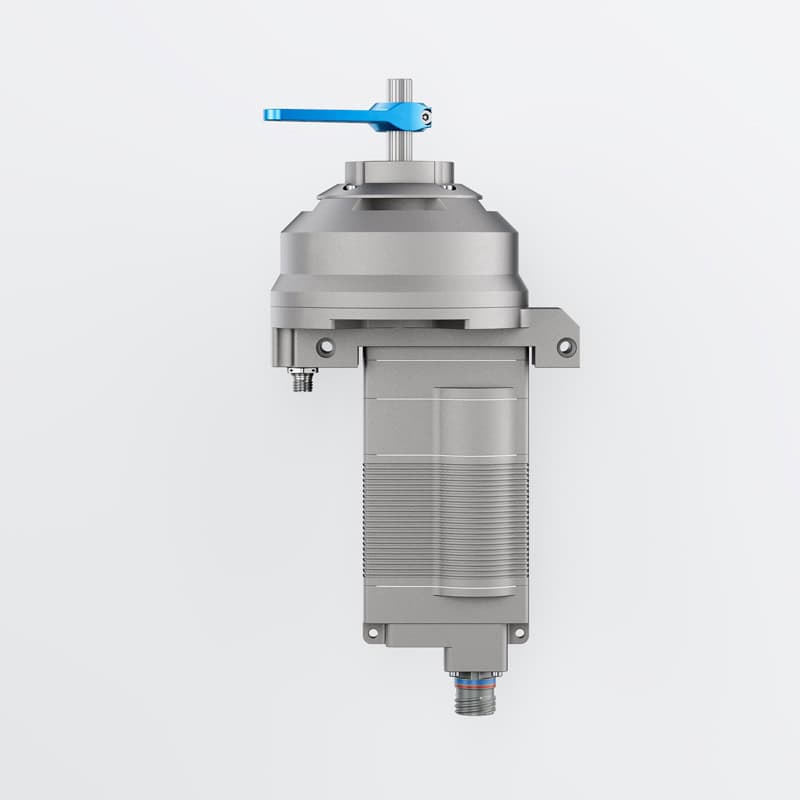
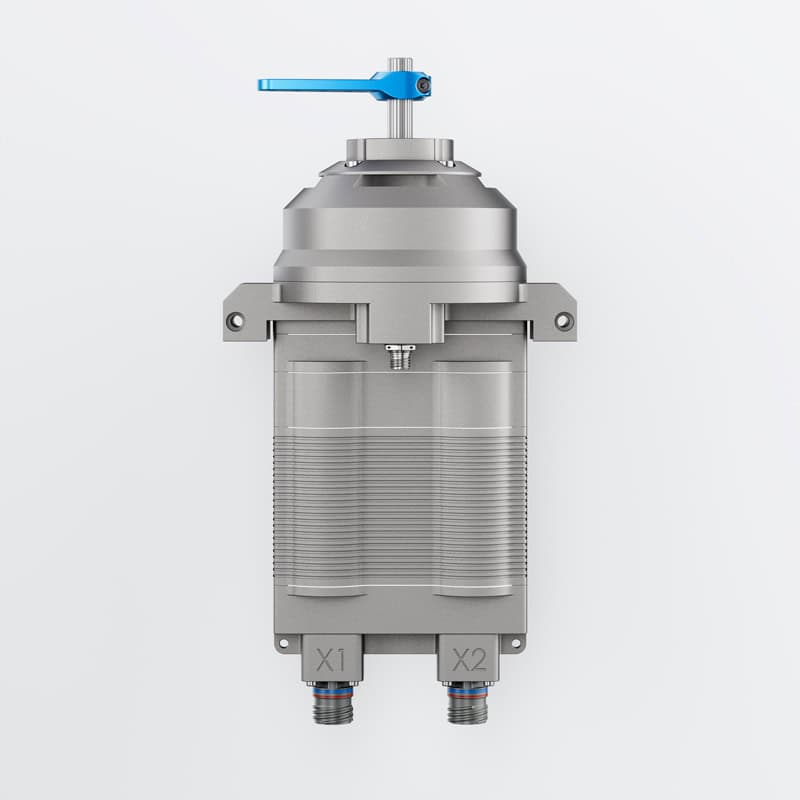
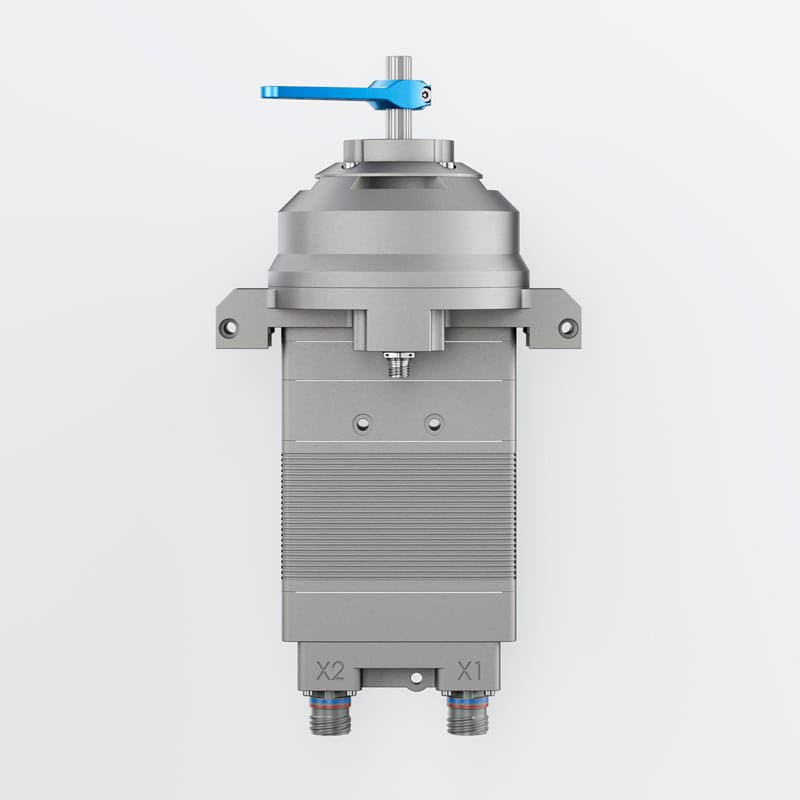
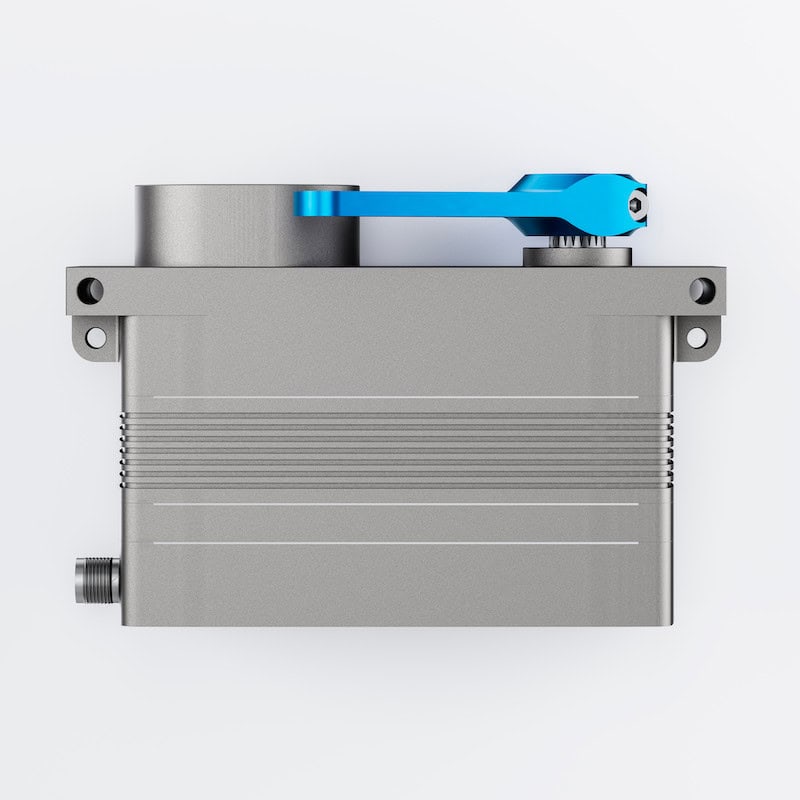
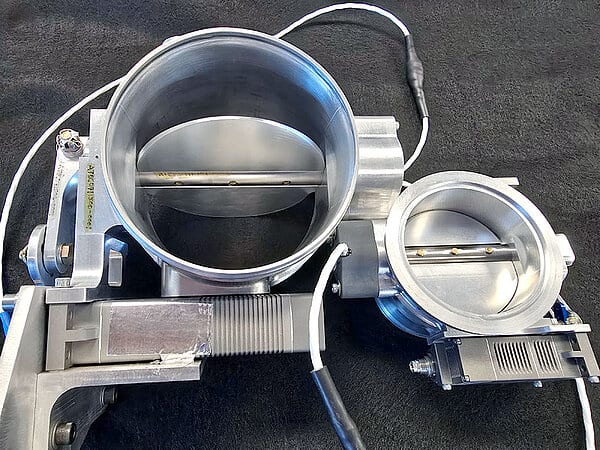
The K1000ULE uses four Volz DA 15-N.ISS actuators based on the full brushless DA 15-N and equipped with the company’s Internal Servo Saver (ISS). These actuators enable the aircraft’s ailerons, elevators, and rudders to react immediately and precisely to every command.
Felix Thun, COO of Volz, who recently visited KHA’s manufacturing facility in the Bay Area and its airborne operations and test site in Reno, Nevada, commented, “Until now, Kraus Hamdani Aerospace has been using our standard servo. However, we recently discussed supplying them with a slightly modified version designed to simplify the integration of the servos into their current production process. These Volz servos in the K1000ULE are based on the tried-and-tested full brushless DA 15-N actuator and are equipped with the Internal Servo Saver (ISS), a feature unique for its size class.”
The ISS is a mechanical gear-protection system that shields the gear set against radial shock loads exceeding a predefined limit. The conductive aluminum housing and shielded connection cable also reduce the actuators’ susceptibility to EMI/RFI noise, helping protect signal integrity. This is an important advantage for a platform built around Electronic Intelligence and sensitive sensor and communications payloads.
Thun, who first learned about the Kraus Hamdani Aerospace project five years ago during a trade show visit in London, said, “These actuators were the logical choice for the K1000ULE supporting long-endurance operations where reliability is crucial. They combine extremely low weight with robustness and power while protecting the delicate gearbox from damage caused by high shock loads. From the very beginning and throughout the thousands of flight hours since then, we can proudly say that there hasn’t been a single failure with our servos.”
The recent on-site visit has laid the groundwork for further collaboration between Volz and KHA.
Thun added, “We learned a great deal about the application and the requirements. The feedback from those who work with our products every day enables us to truly deliver a solution that meets their needs and simplifies the lives of KHA’s employees.”
Stefan Kraus, CTO and founder of Kraus Hamdani Aerospace, stated, “Every component inside the K1000ULE contributes to mission success. When our K1000ULE is supporting critical operations for the U.S. Department of War, reliability is not optional, it is foundational. From the airframe and avionics to the actuators, payloads, power systems, and communications architecture, each part must perform with precision over long durations and in demanding operational environments. Volz has been a trusted part of that reliability story helping ensure the K1000ULE can continue delivering the persistence, control, and confidence our warfighters depend on.”