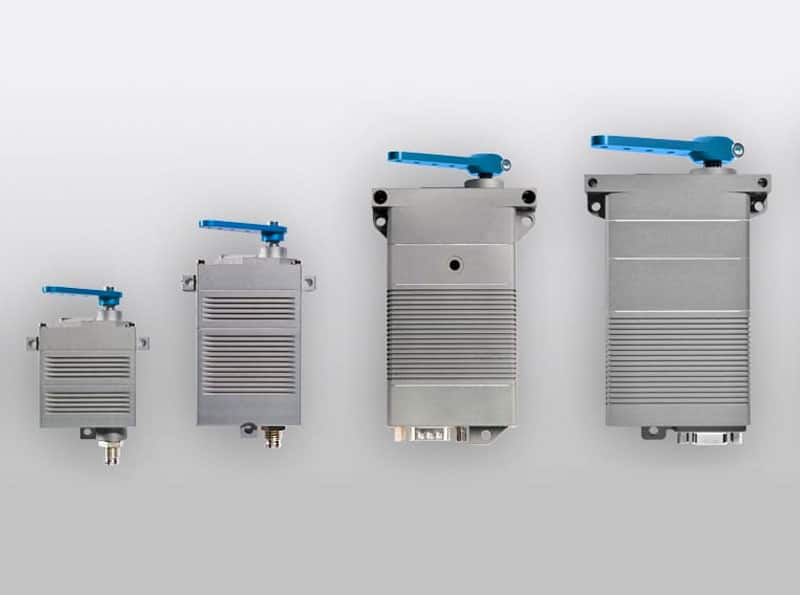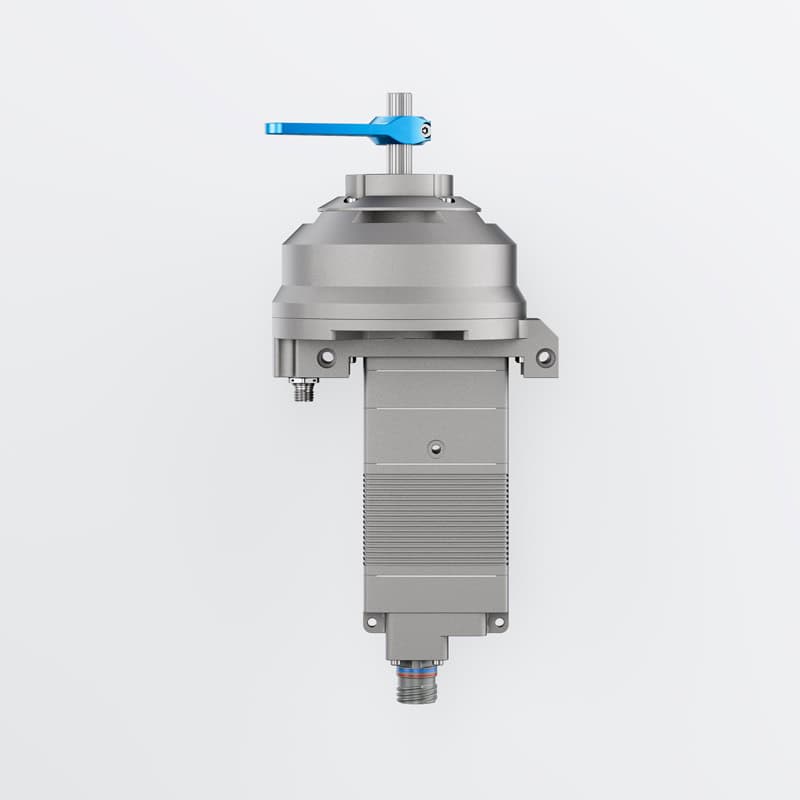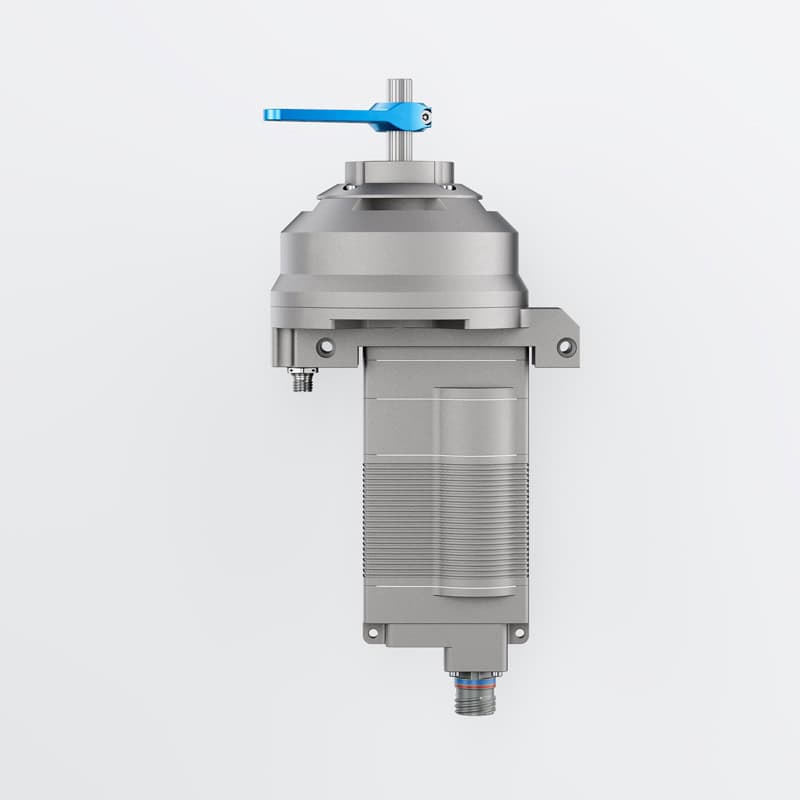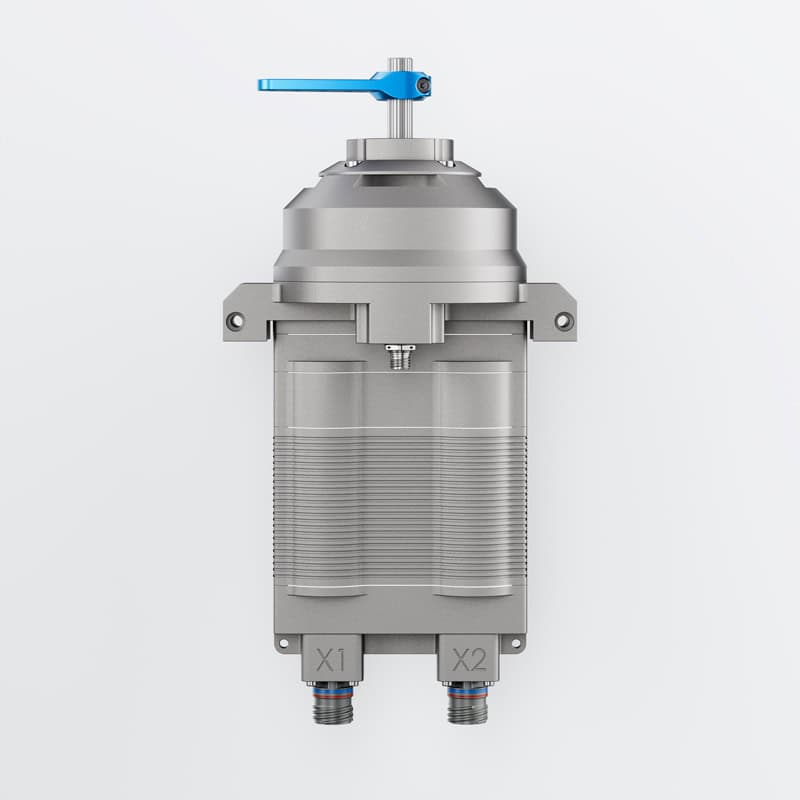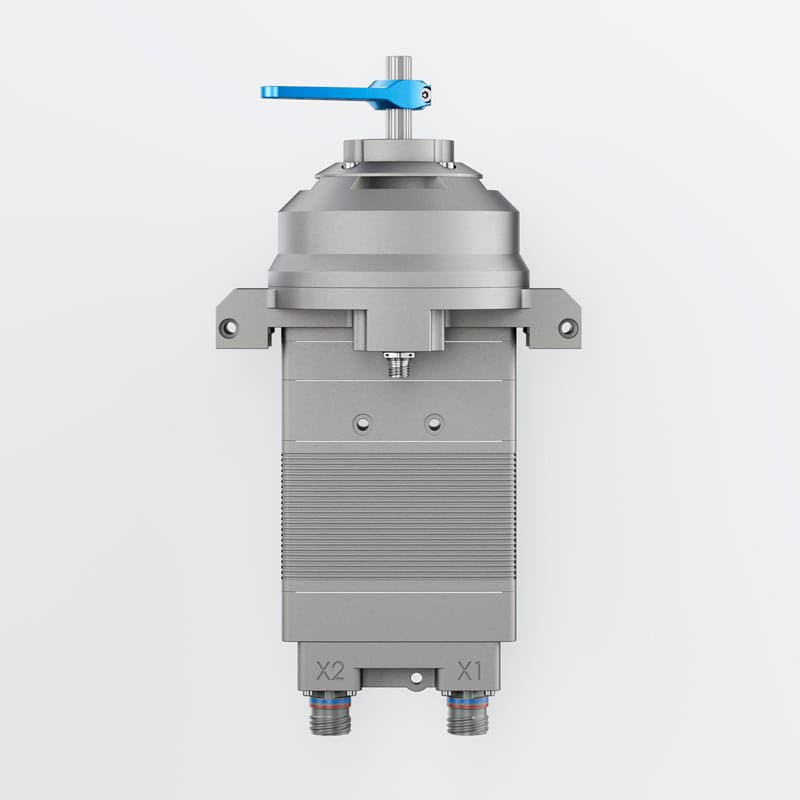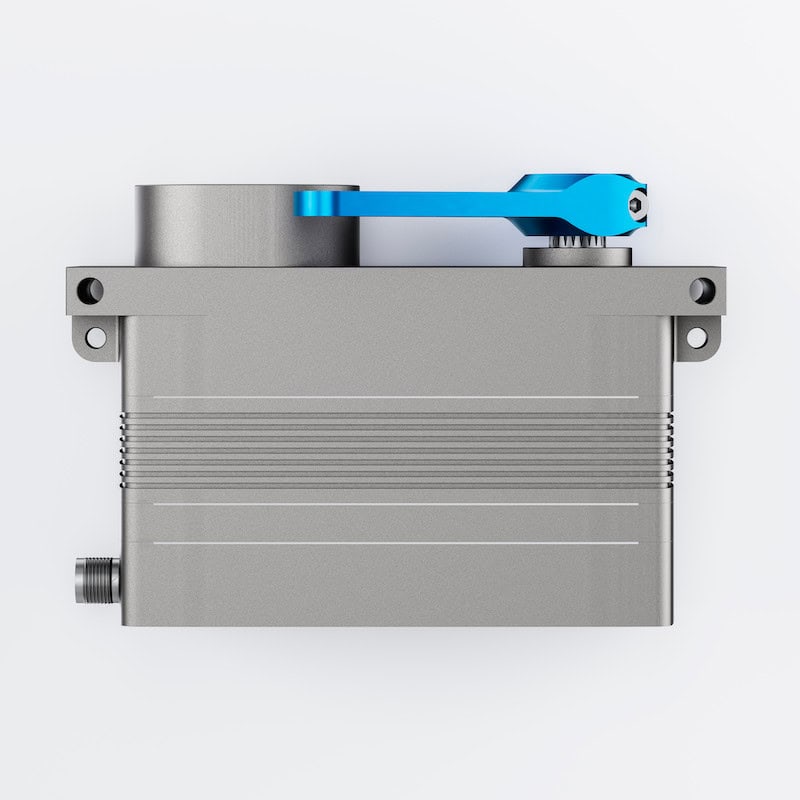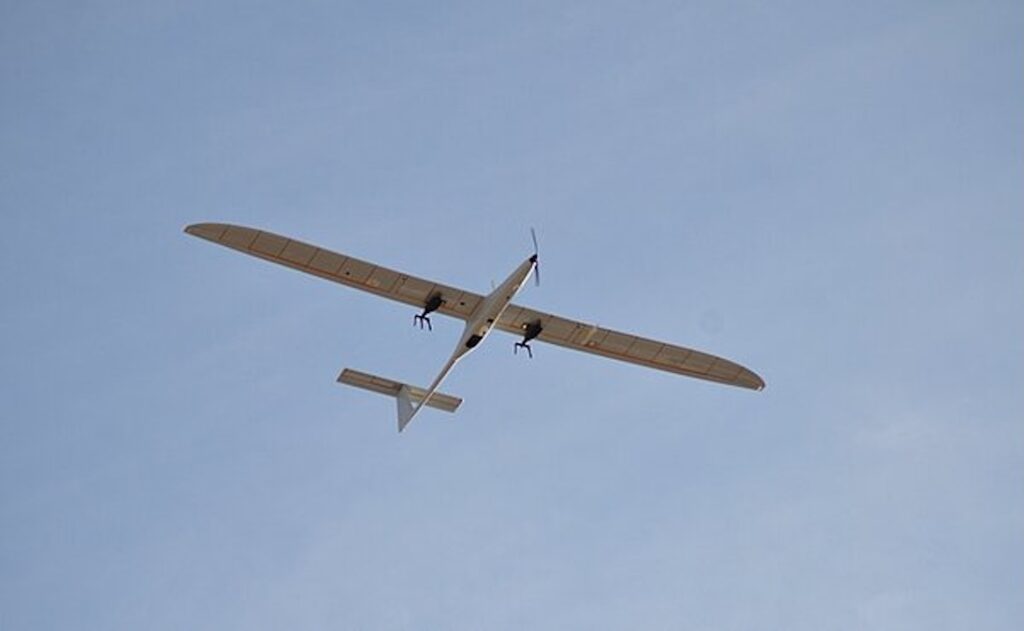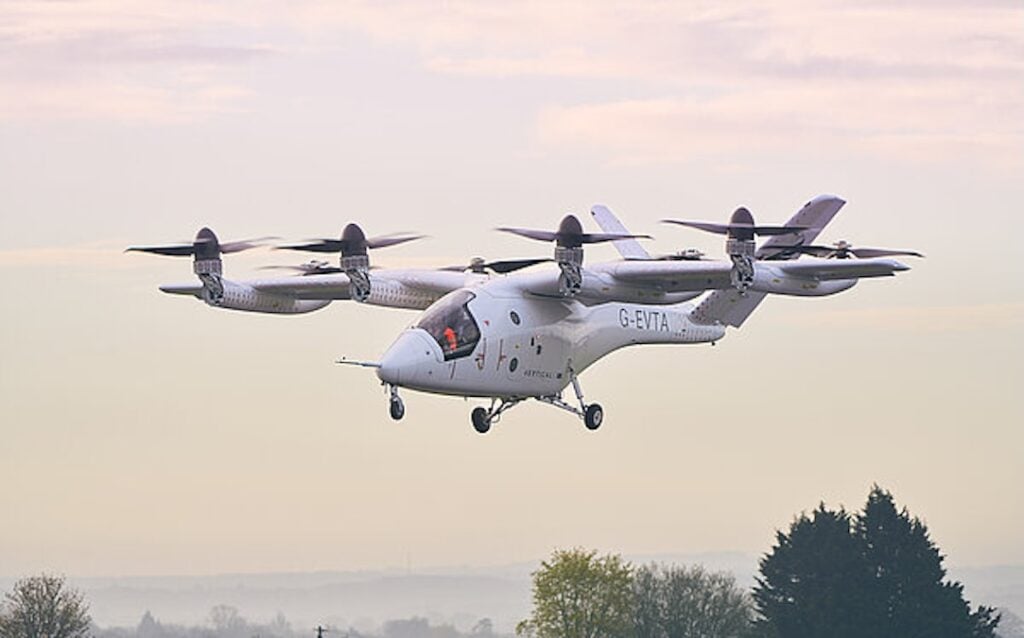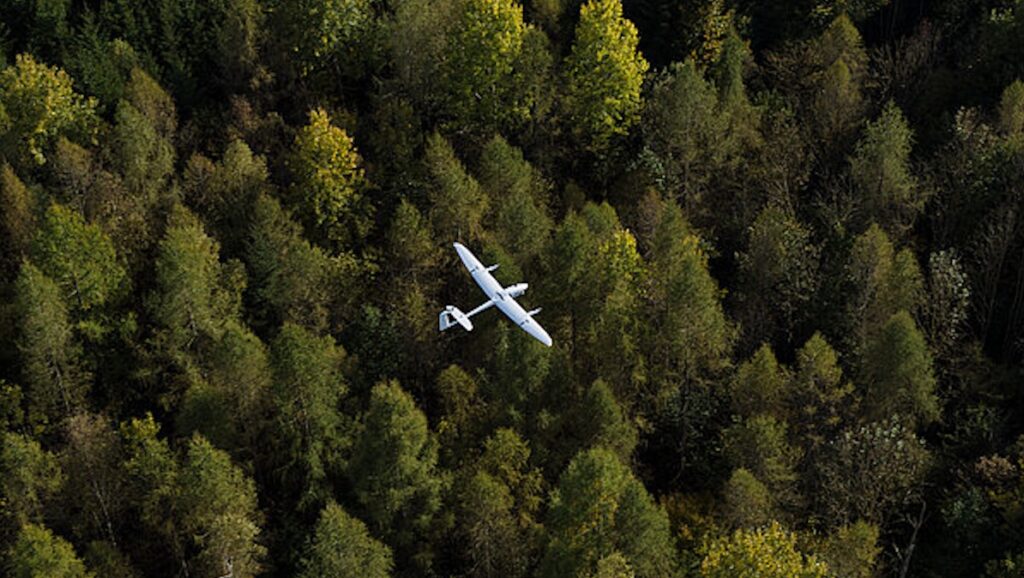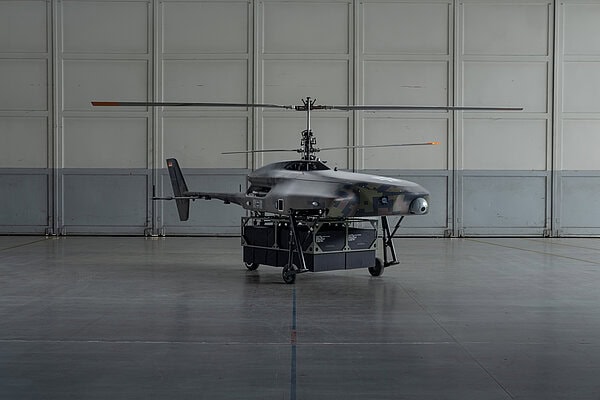



Volz Servos integrates into the Jetoptera FTC-250 powertrain to provide high-performance actuation for the aircraft’s proprietary Fluidic Propulsion System.
The propulsion system departs from conventional rotor-based designs, instead utilizing compressed air and Coandă-type thrusters to generate thrust that is quiet, powerful, and precisely controllable. For the system to function effectively during flight, the distribution of airflow and thrust-vectoring requires extremely fast and reliable response times.
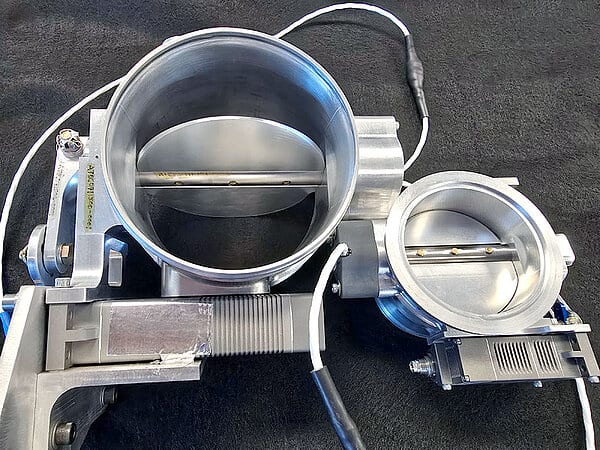
Within the FTC-250 architecture, Volz actuators manage critical control functions, including the protection of compressors and the metering of airflow. These servos precisely drive butterfly valves to manage compressed airflow to each individual thruster and operate high-speed relief valves designed to prevent compressor stall. Safety is further enhanced through the use of redundant duplex servo architectures.
The transition between vertical and horizontal flight is a key requirement for the FTC-250. Volz actuators rotate the rear thrusters approximately 100 degrees, allowing the aircraft to complete this transition in either direction within six seconds. During wing-borne flight, the actuators also shut off the forward thrusters to optimize performance.
Volz CEO Phillipp Volz said, “This fluidic propulsion is a really powerful system and we are proud that Jetoptera chose Volz for actuators. What really matched with Volz and Jetoptera was the fast response, minimal EMI and cabling, and the digital bus control with telemetry.”
The integration of a digital command interface and telemetry feedback provides Jetoptera with precise control while reducing requirements for shielding and wiring. This digital control allows the Fluidic Propulsion System to deliver stable VTOL response without the inertia-related challenges typically associated with traditional propeller-driven systems.