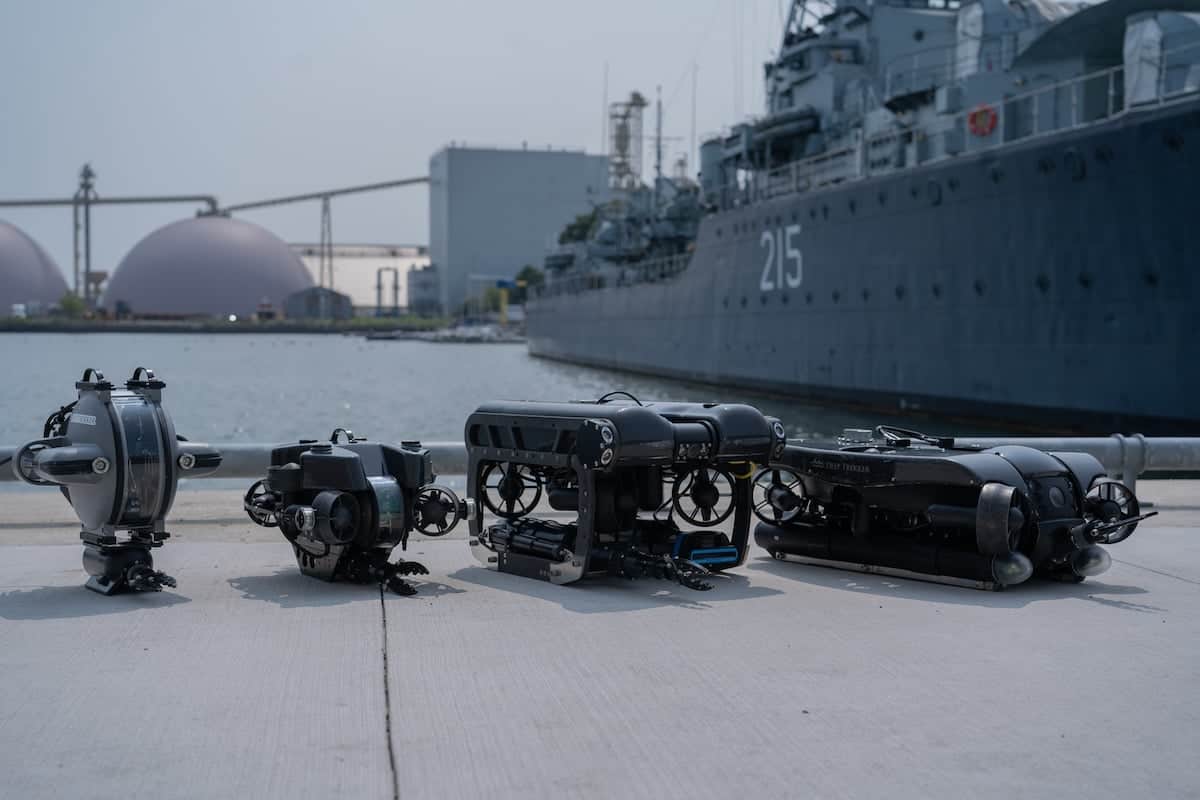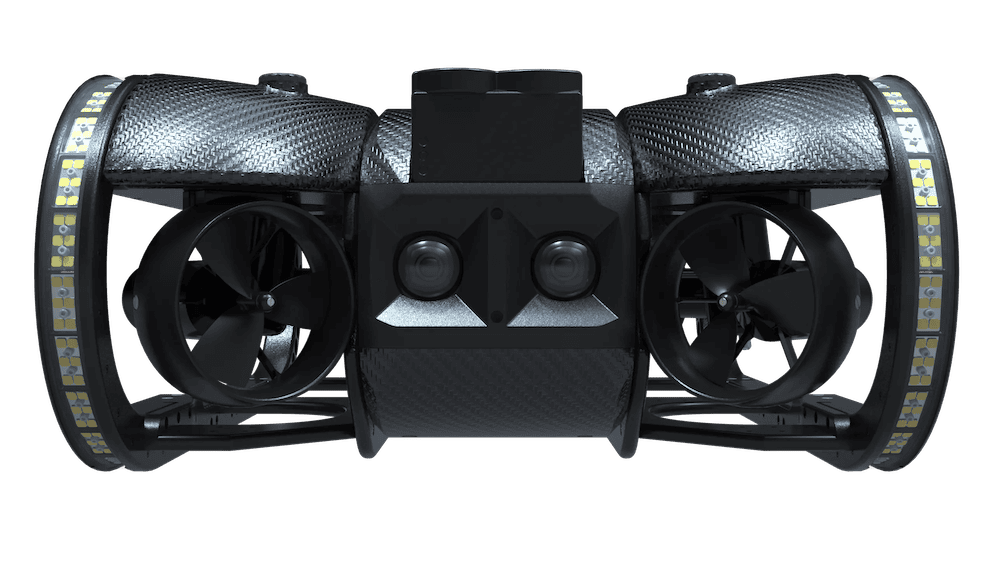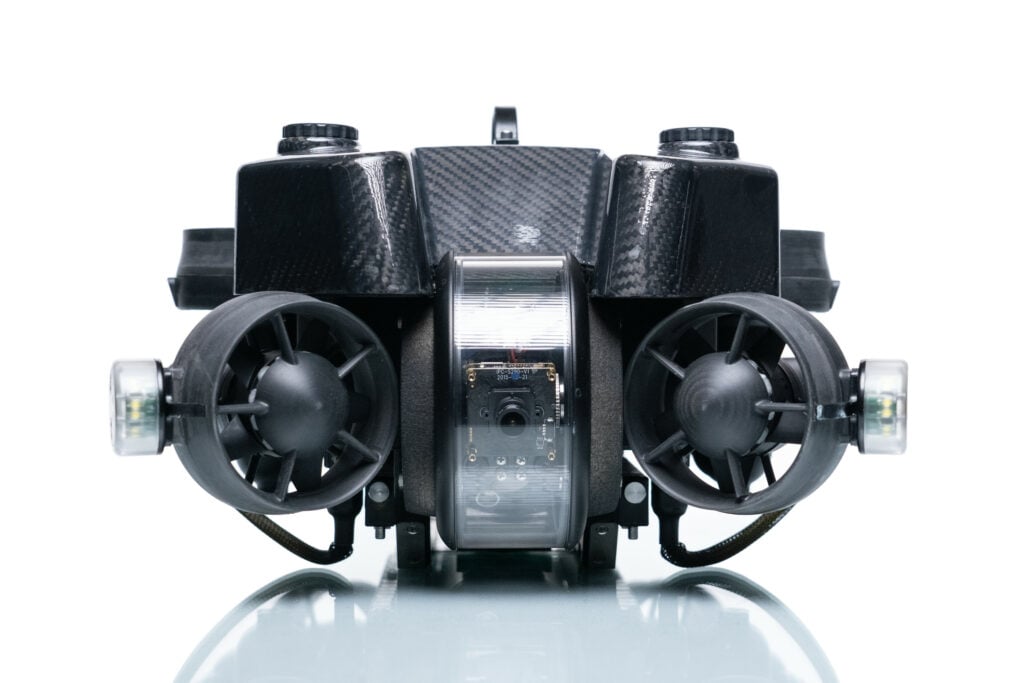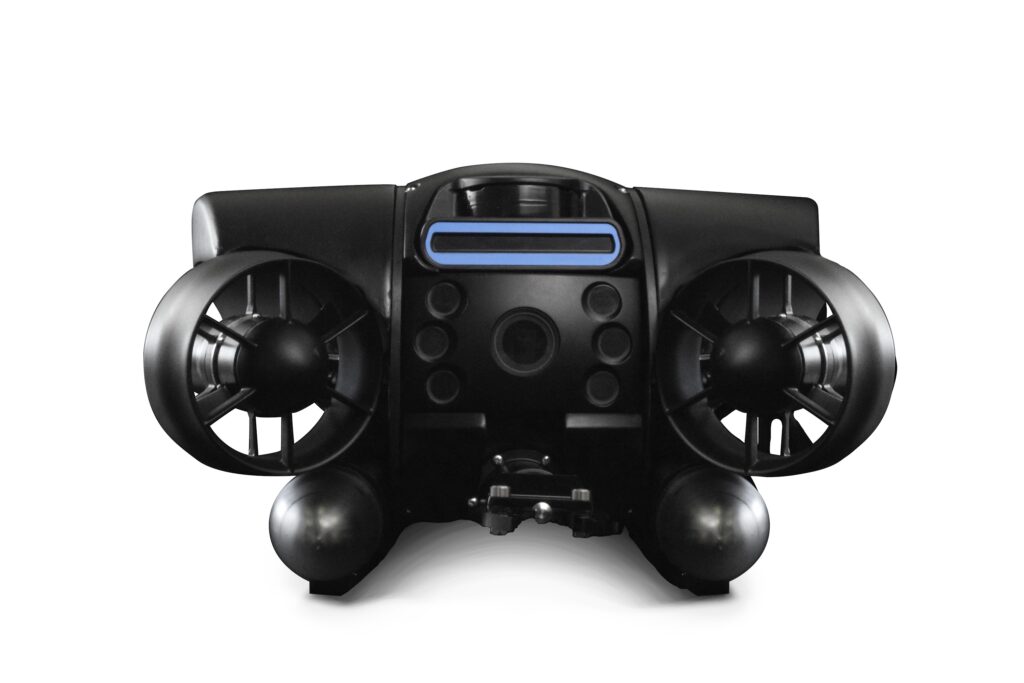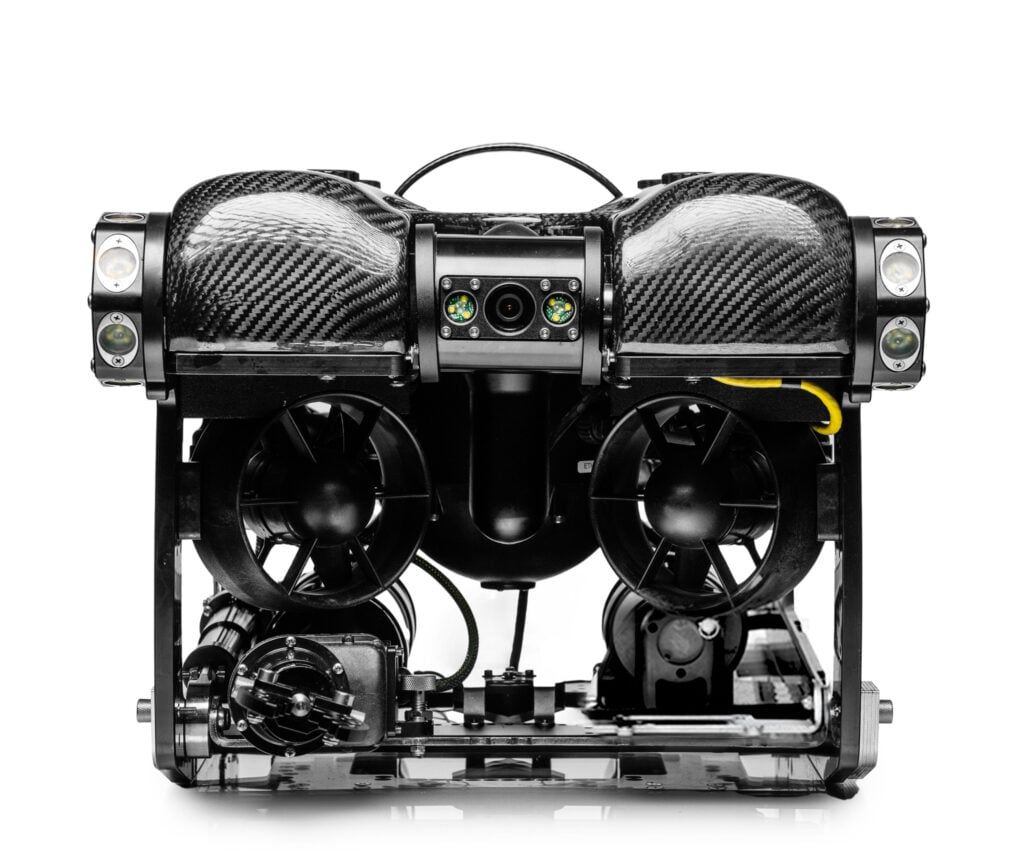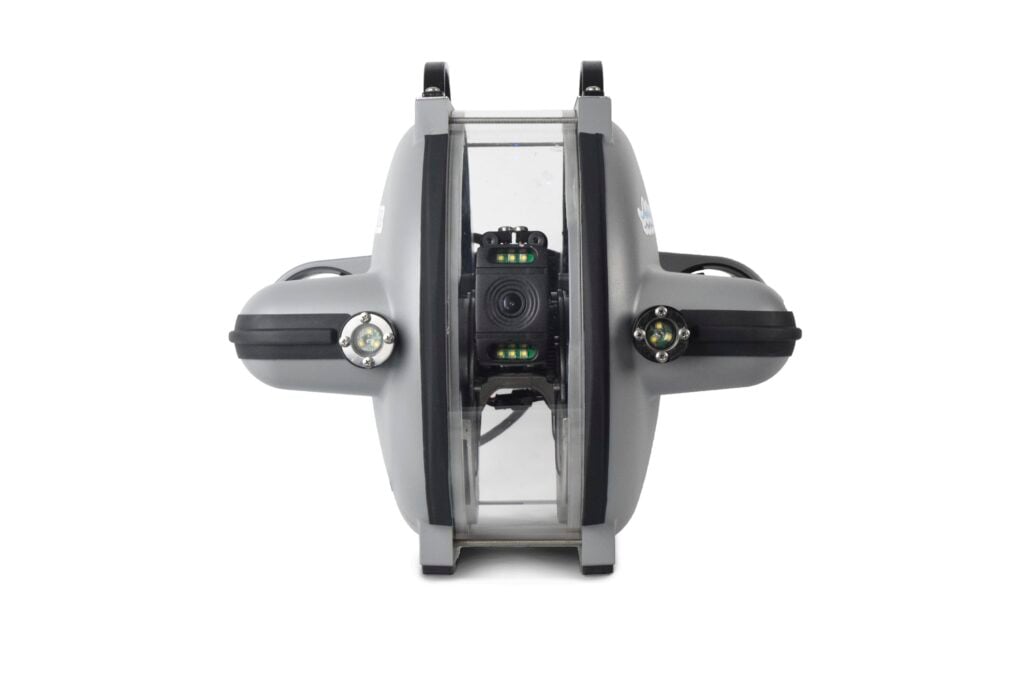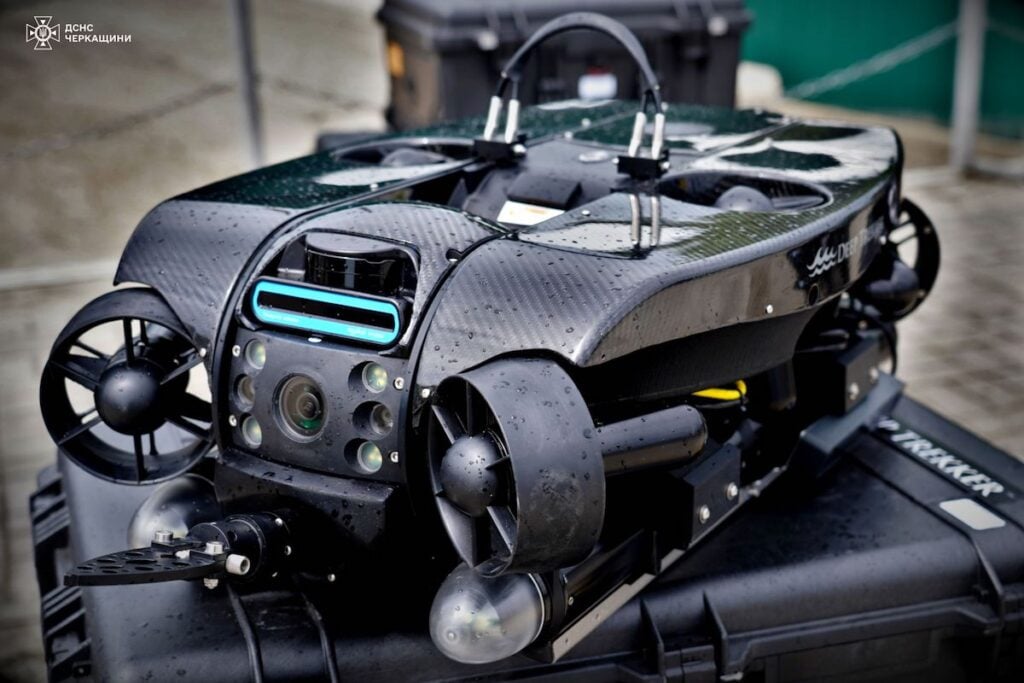



UCO has expanded its subsea operational portfolio through the acquisition of 15 Deep Trekker PIVOT ROVs.
Founded in 2017, the UK-based subsea contractor has specialized in ROV rental, tooling, and inspection solutions for aquaculture and offshore energy markets. The company has established its foundation on field-level experience within hazardous subsea environments.
Archer explains, “Mick, our Managing Director, previously worked as a commercial diver in the energy sector. During a job in Shetland, a small island off the north coast of Scotland, he was conducting fish farm diving operations, including mortality removal. While working there, he identified that ROVs were not being used in aquaculture at the time. Recognizing the potential to adapt the ROV systems he had used in oil and gas, he applied that technology to aquaculture.”
Technology Integration and Fleet Expansion
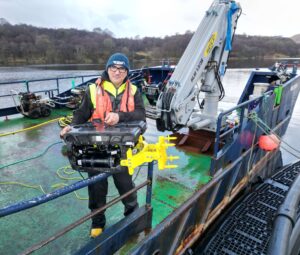
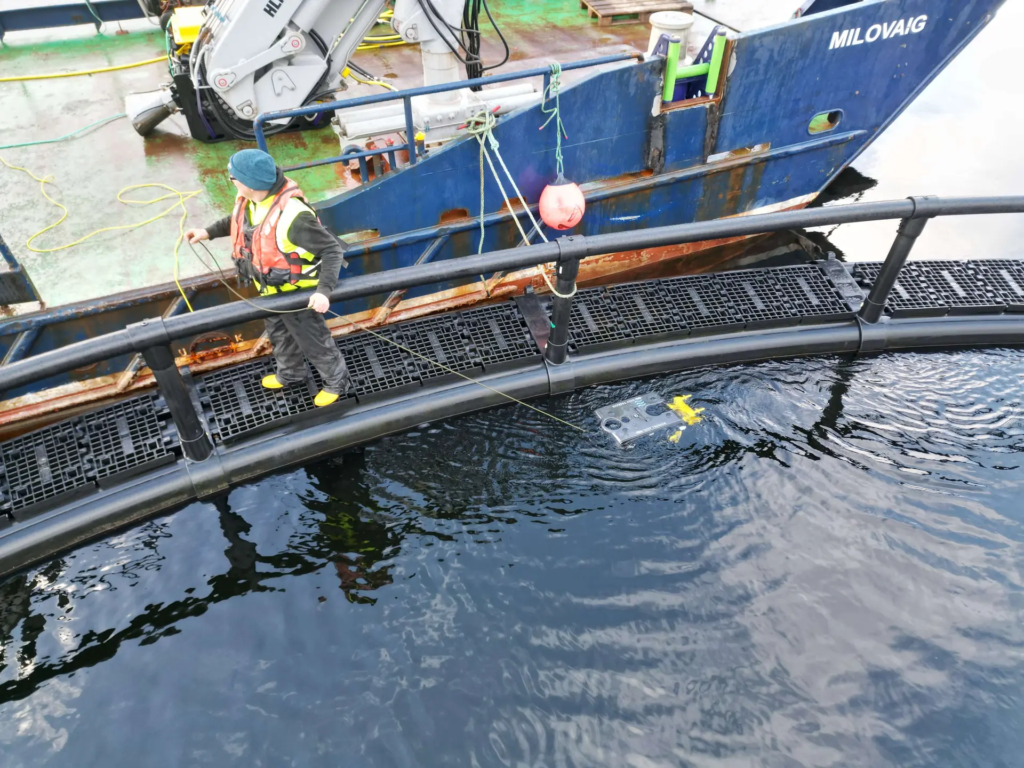
The organization has incorporated observation-class ROVs into its operations following an initial introduction to the technology at Aquaculture UK. Management identified key operational parameters that have supported rapid deployment, including a compact footprint, crane-free mobilization, self-contained battery power, and accessibility for non-specialist operators.
Archer notes, “Mick immediately was impressed by the design, the robustness, the ease of use, the mobilisation. In aquaculture, you don’t usually have trained ROV pilots… giving them something really complex to use was going to be a real struggle.”
Initial sector reservations have required demonstrable operational reliability: “How much is this going to cost? They’re really expensive. Are they difficult to use? Will we actually use it, or will it just break? Overcoming those concerns was a key challenge.”
Operational Performance and Tooling Development
The adoption of the PIVOT ROV platform has provided a stable operational baseline in complex, high-energy marine environments where conventional commercial diving encounters regulatory and safety limitations.
“Safety of divers must always come first, but ROVs allow companies to extend time in the water and broaden operational scope,” Archer explains. “Previously, they may have needed a diver for difficult-to-reach areas. Now, they can use these ROVs, and the PIVOT model performs well even in tidal waters. Unlike smaller units that can drift, it remains stable, making tasks like inspecting around propellers much easier.”
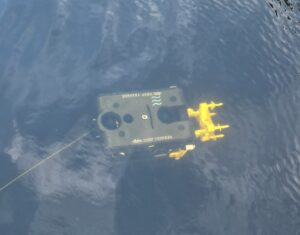
UCO has engineered specialized in-house ROV tooling to complement the base platforms, transforming the units into multi-role systems capable of inspection, retrieval, and repair tasks.
“I had a meeting last night,” Archer recalls, “And the first question they asked when we mentioned deploying the ROV was whether tooling was included. That’s when people started to see the versatility. The tooling came later than our initial use of the ROVs, but early on, it was really about getting the system out to the farm and understanding what it could do. Once we saw its capabilities and strengths, we recognized it could do more than what we had originally been communicating to clients.”
Read UCO Expands Subsea Capabilities with 15 Deep Trekker ROVs for more information.