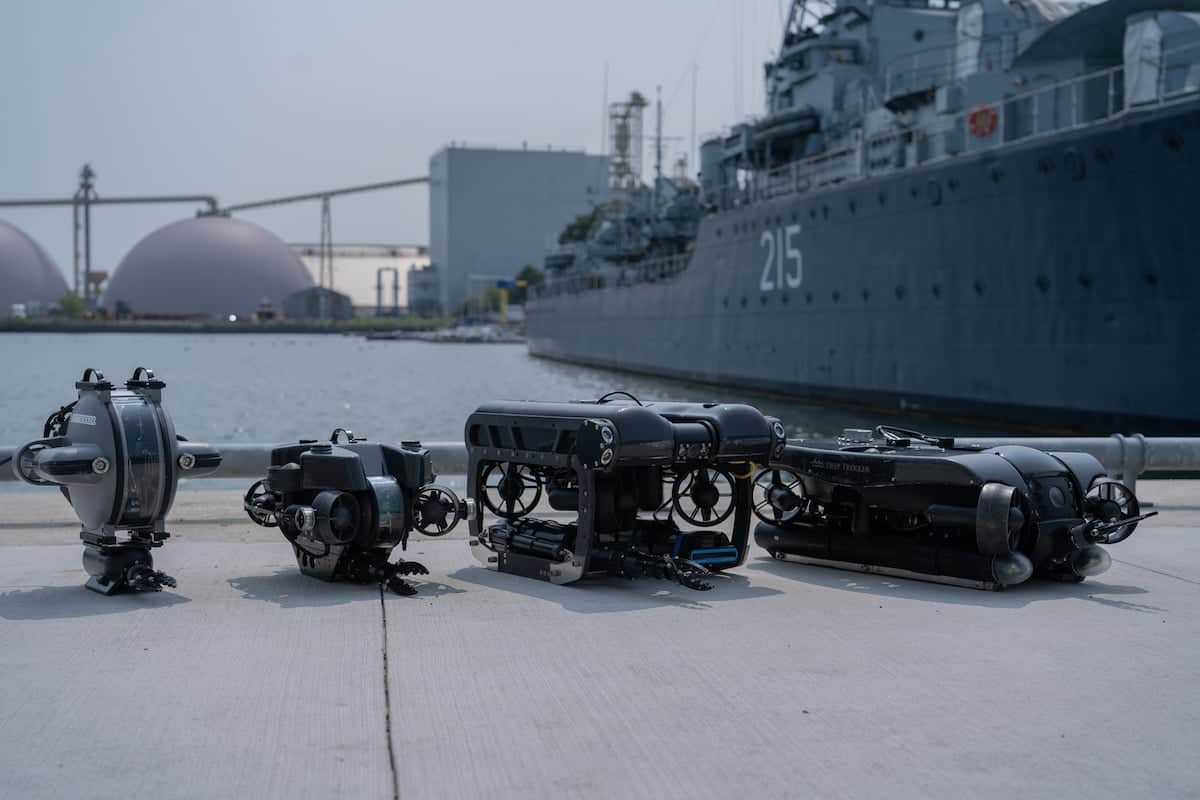
Deep Trekker is a partner in a two-day Aquatic Incident Management Systems (AIMS) training program taking place in South Lake Tahoe, California, April 11–12, 2026.
Public safety agencies across the United States are increasingly integrating underwater robotics and sonar technology into search and recovery operations. The AIMS program supports this shift by providing structured, hands-on training in operational planning, coordination, and technology integration.
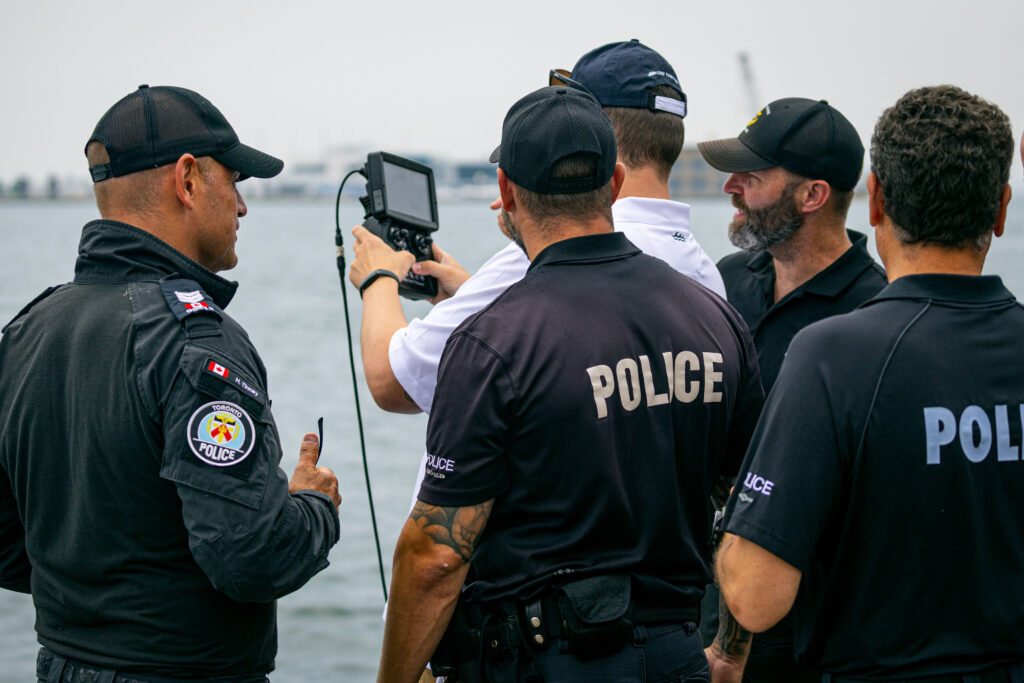
The training is free for qualified public safety professionals, including police dive teams, sheriff departments, fire rescue units, and search and recovery teams.
Delivered in partnership with Deep Trekker, SKS Solutions, the Placer County Sheriff’s Office, and the California Boating Safety Officers Association, the program combines classroom instruction with on-water exercises. Previous sessions have been successfully delivered to agencies in Florida and North Dakota.
Event Details
- Dates: April 11–12, 2026
- Time: 8:00 AM – 5:00 PM each day
- Location: 4130 Lake Tahoe Blvd, South Lake Tahoe, CA
- Note: Lunch will be provided by Deep Trekker
What Is AIMS Training?
The Aquatic Incident Management System (AIMS) is a structured framework for managing water-based search and recovery incidents, particularly those involving drowning victims or missing persons.
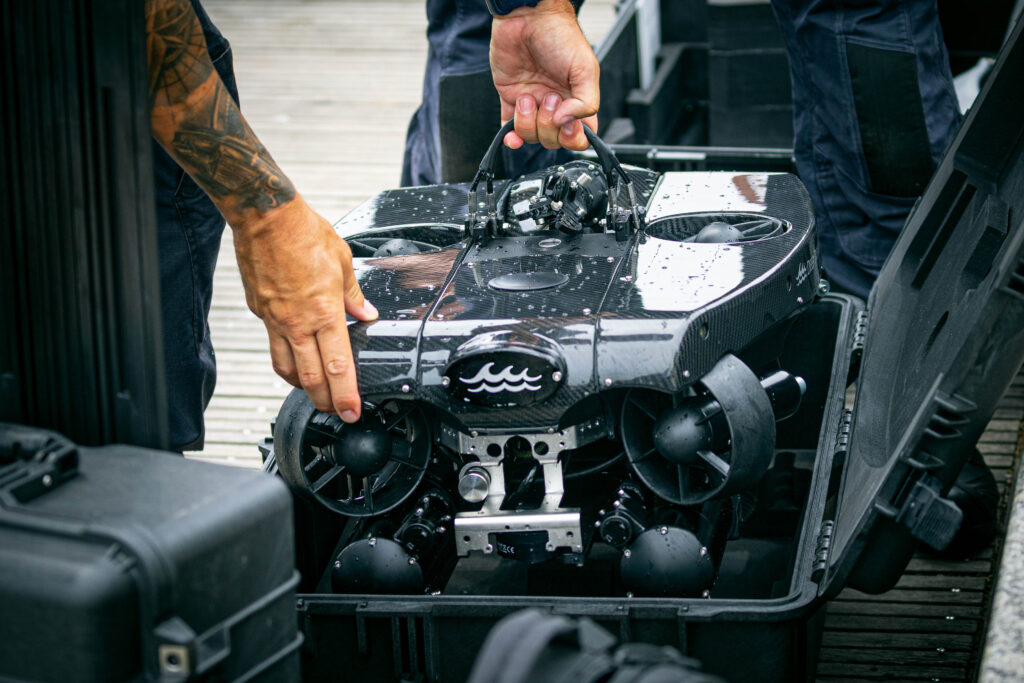
Based on the Incident Command System (ICS), it provides a standardized approach for coordinating personnel, equipment, and strategy. Participants learn how to assess incident scenes, assign resources, and manage communication between command and operational teams, with a focus on integrating Remotely Operated Vehicles (ROVs) and side-scan sonar.
Training Overview
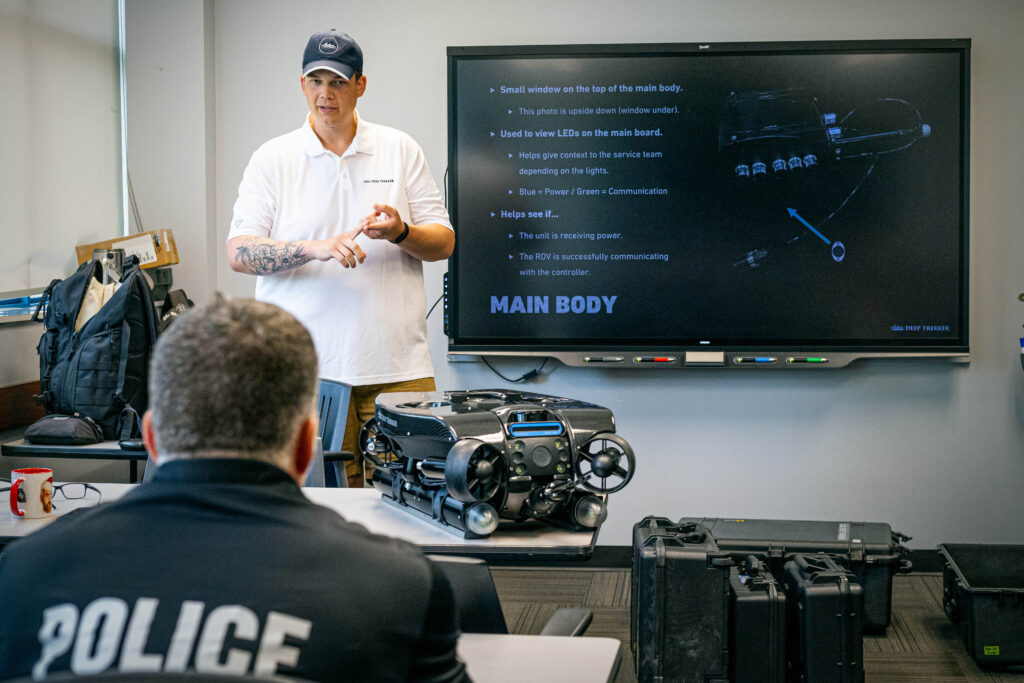
The two-day program combines technical instruction with practical application across key areas:
- Incident Scene Assessment and Management – Evaluate aquatic incident scenes, determine search strategies, and coordinate sonar operators, ROV pilots, and dive teams.
- Side-Scan Sonar Interpretation – Review real sonar data to identify objects, anomalies, and potential evidence targets.
- ROV Deployment and Recovery – Operate ROV systems during hands-on exercises, including launch procedures, maneuvering, and target verification.
- Evidence Search Planning – Apply structured search methods combining sonar scanning, ROV verification, and diver recovery.
- On-Water Scenario Training – Participate in practical exercises that simulate real response situations using operational equipment.
Who Is Leading the Training?
The program will be led by Shane Seagroves, a public safety professional with over 30 years of operational and emergency management experience. Seagroves has developed and delivered AIMS training through SKS Solutions for agencies nationwide. His background includes service as an NC Executive Emergency Manager and work with the Naval Postgraduate School Radiological Emergency Preparedness Program.
Who Should Attend the South Lake Tahoe AIMS Training?
The training is intended for public safety professionals involved in aquatic incident response, including police dive teams, sheriff departments, fire rescue units, search and rescue teams, and underwater recovery units.
Participants will gain hands-on experience with modern search technologies that support diver operations and improve operational safety. Registration is limited due to the hands-on, scenario-based nature of the training.
Technology in Aquatic Response
Underwater search environments often present challenging conditions for dive teams, with visibility in some lakes and rivers reduced to a few inches due to sediment, algae, or suspended debris. In these environments, divers frequently rely on tactile search patterns rather than visual navigation.
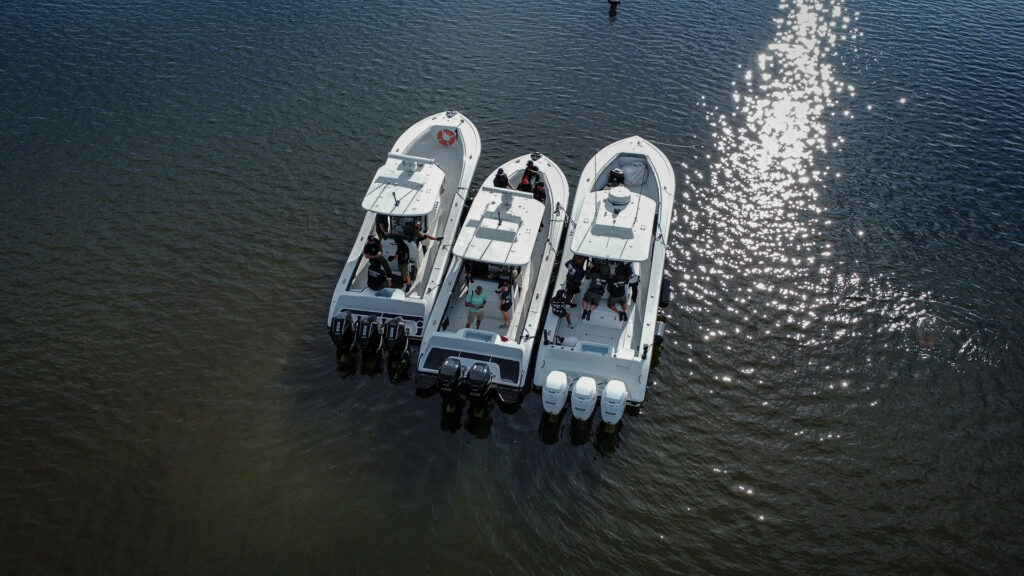
Side-scan sonar systems address these limitations by emitting sound pulses and measuring return signals to generate acoustic images of the seafloor or lakebed, enabling detection of submerged objects such as vehicles, weapons, or other items obscured by low visibility.
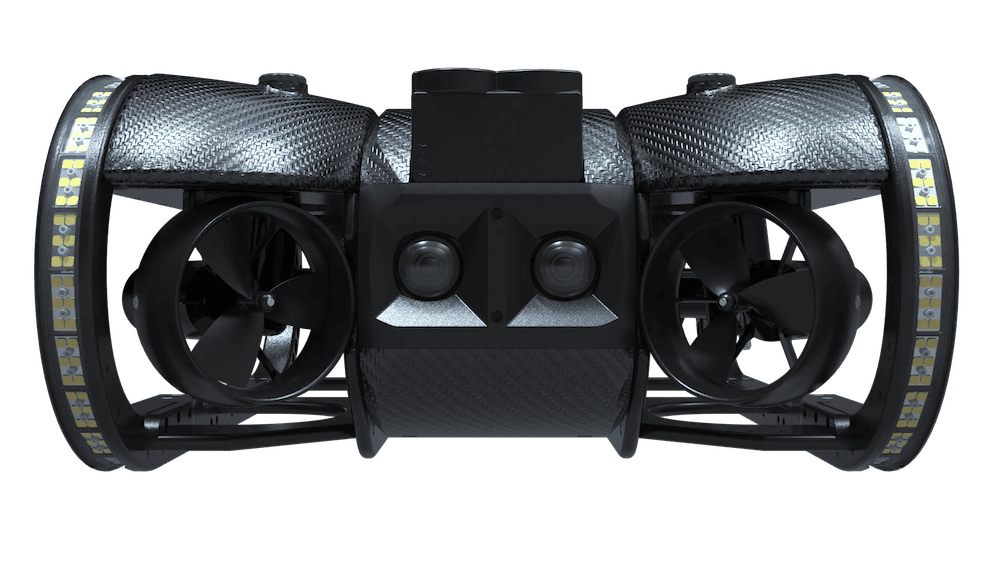
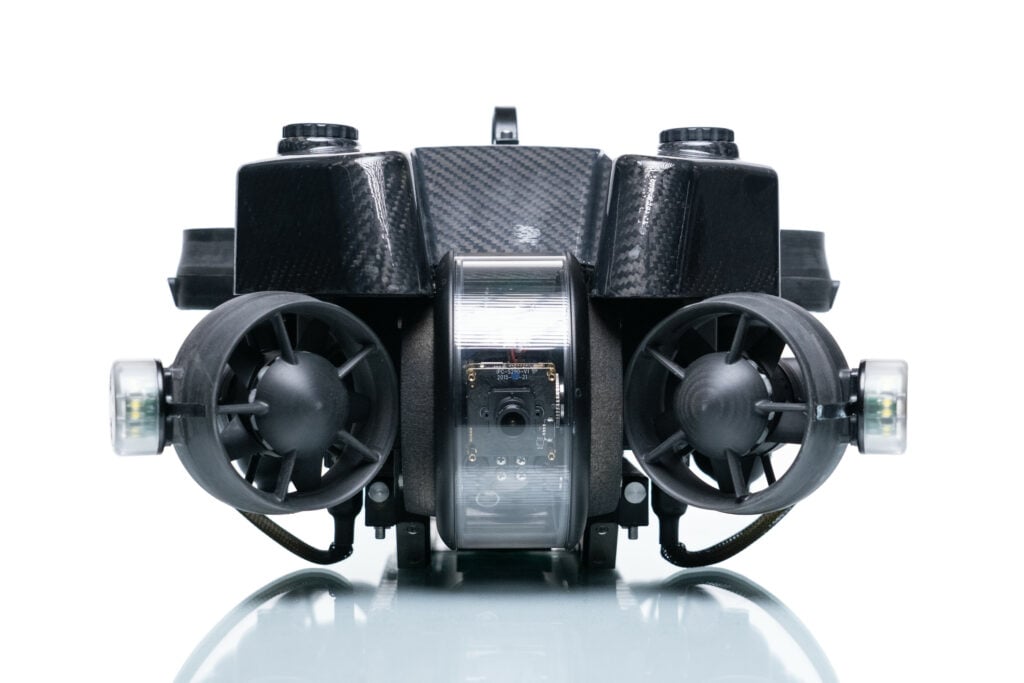
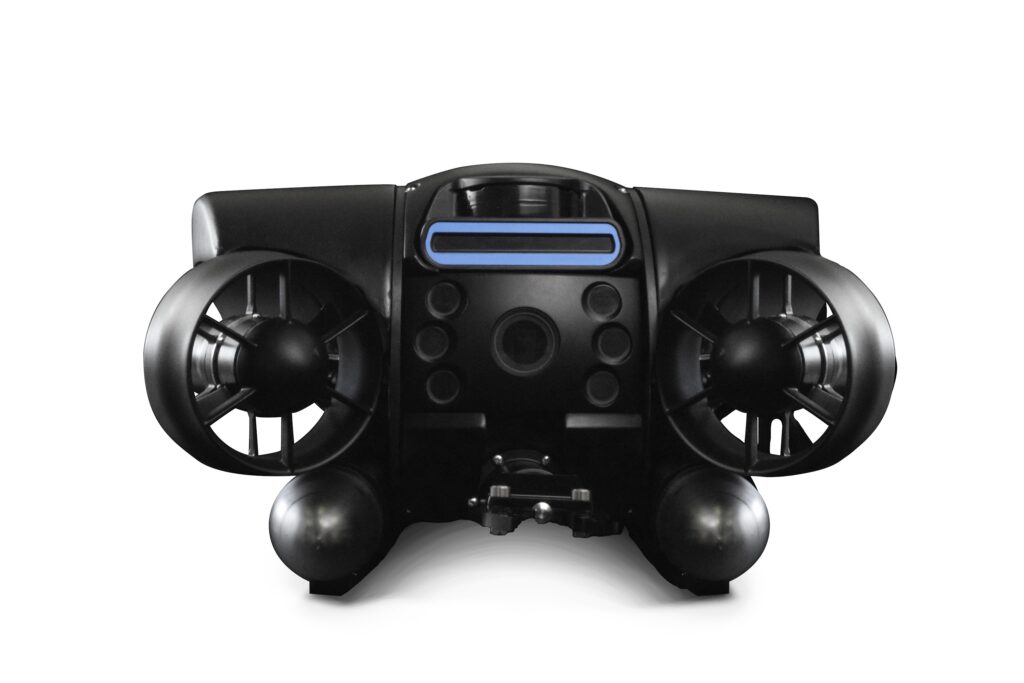
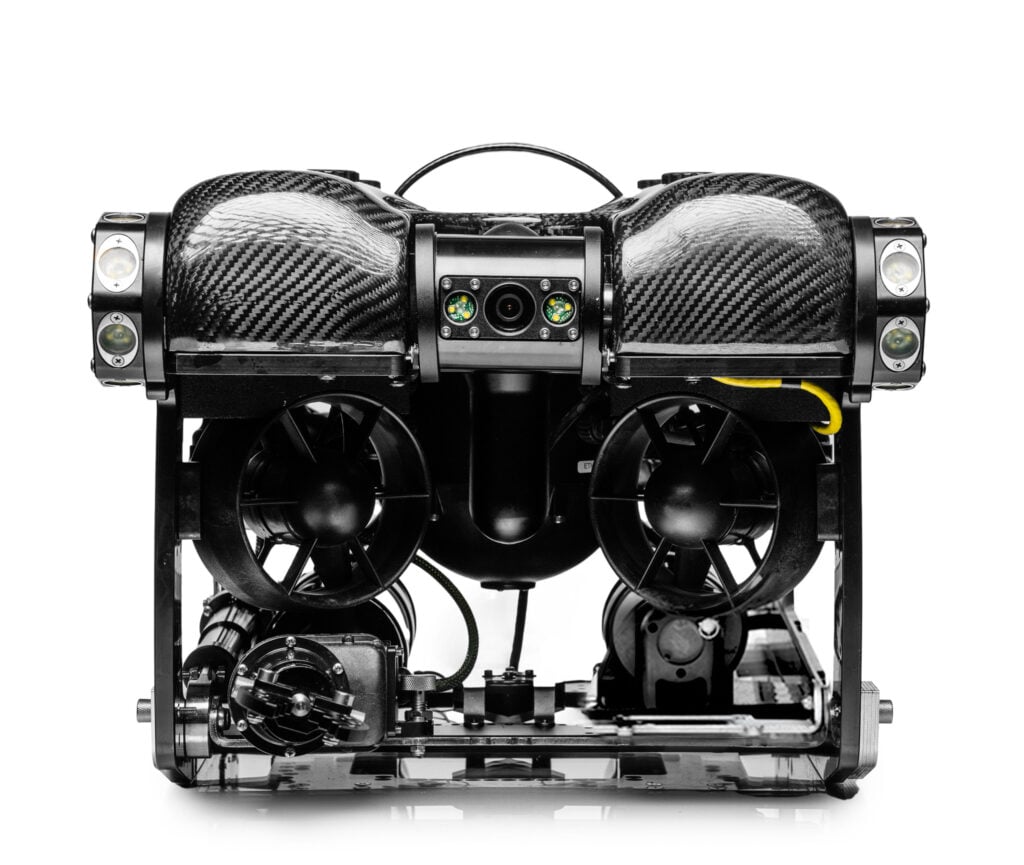
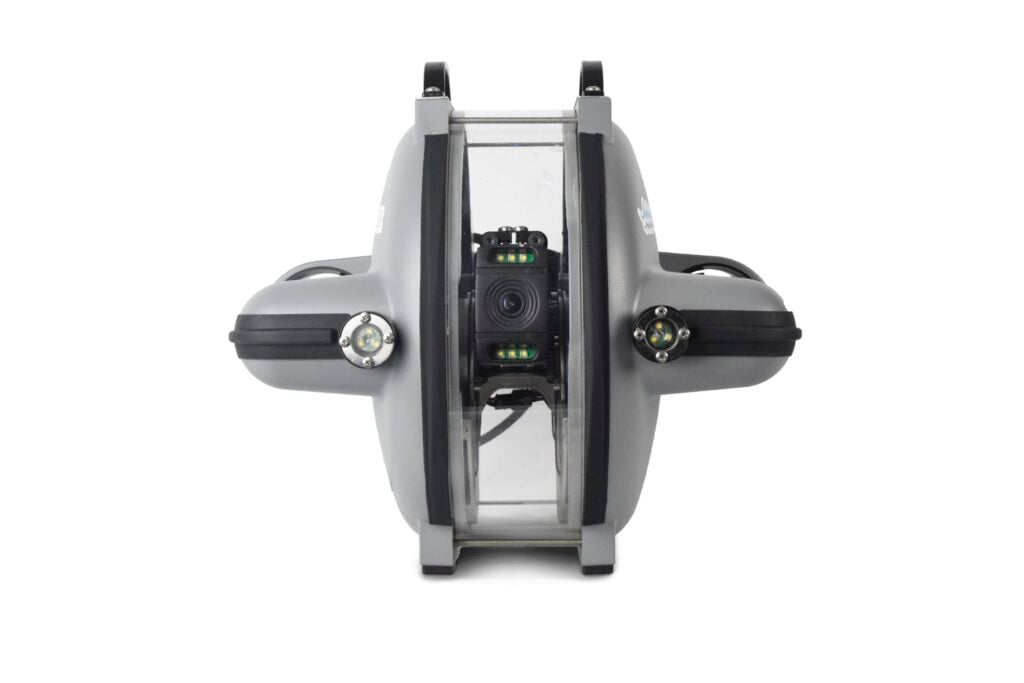
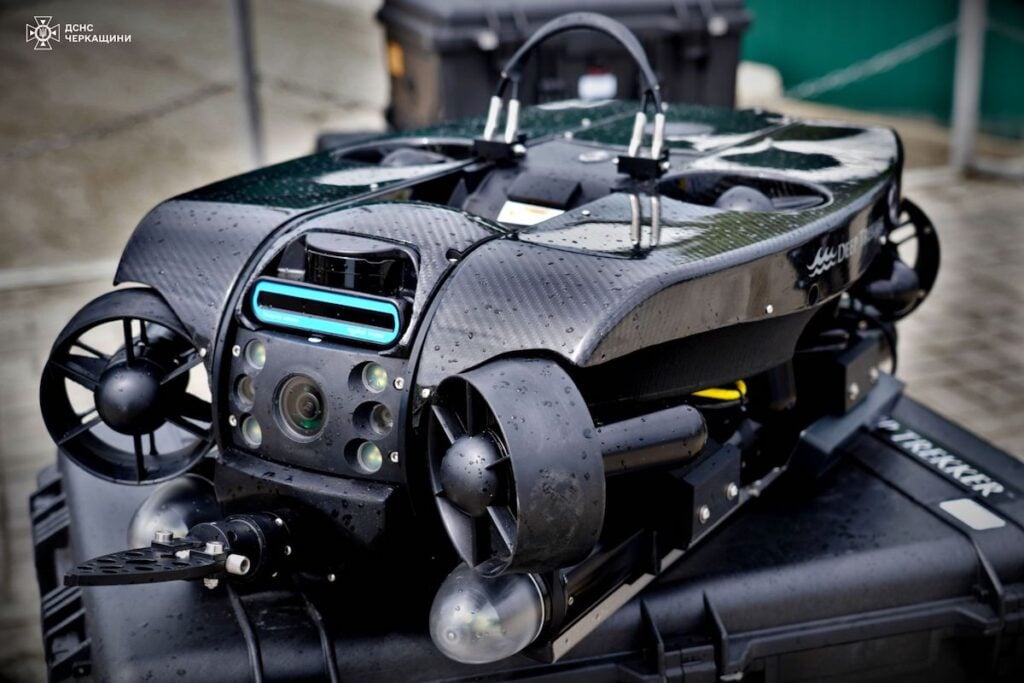
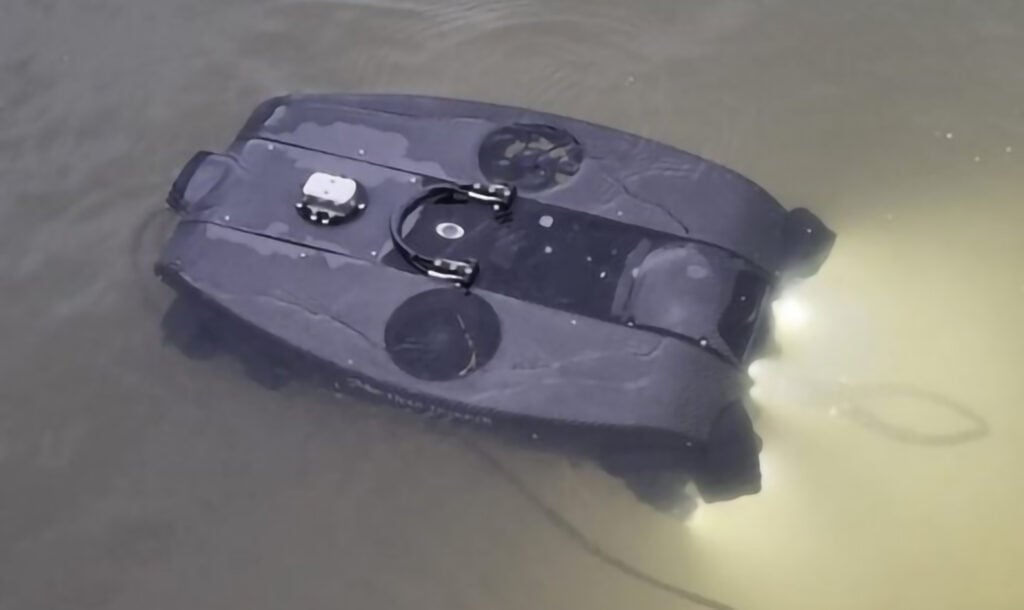
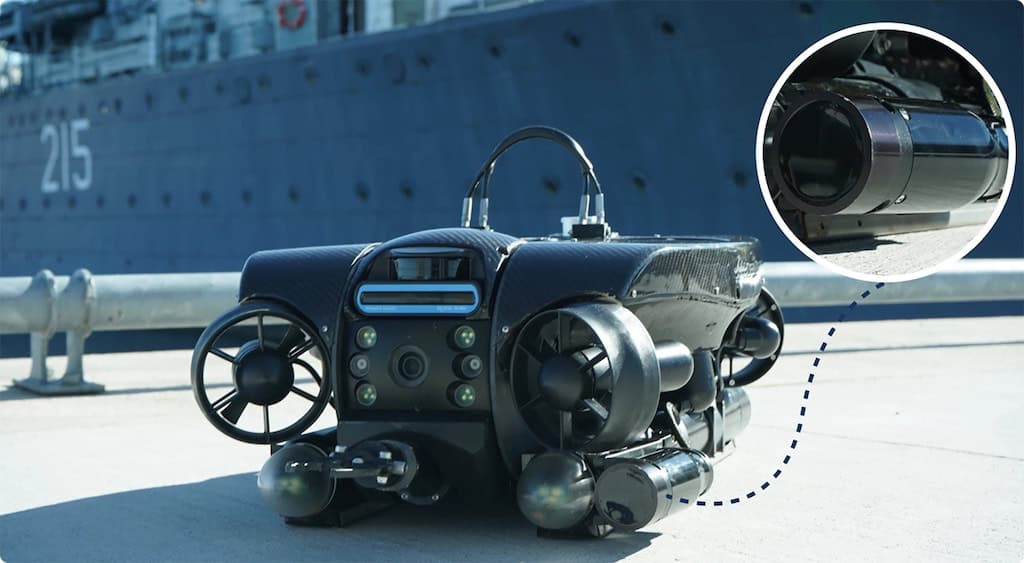
ROVs complement sonar by providing direct visual inspection and target verification, typically with live high-definition video, integrated lighting, and precise navigation for controlled positioning during search operations.
These technologies are increasingly used in aquatic search and recovery operations across North America, supporting more efficient sonar target identification and verification. The AIMS training program introduces structured workflows for integrating sonar data and ROV deployment into coordinated response operations.
Registration
Registration is open with limited availability to ensure hands-on instruction.
For SAR professionals, attending an AIMS training event offers an opportunity to build skills, use new technologies, and work alongside experienced teams.