


The widespread deployment of unmanned aerial systems (UAS) in Ukraine has highlighted the growing demands placed on operators responsible for countering airborne threats. Chess Dynamics examines how artificial intelligence (AI), automated target tracking, and integrated sensor technologies can reduce cognitive burden and support more effective counter-UAS (C-UAS) operations.
Relatively inexpensive, readily modified, and increasingly deployed in large numbers, drones have become central to modern combat operations. Recent analysis suggests that UAS may account for as much as 60–70% of the damage inflicted on Russian military equipment, illustrating a significant shift in battlefield dynamics.
Swarming tactics, pre-programmed flight paths, and multi-role configurations allow drones to approach from different directions, at any time, and in most weather conditions. Their affordability also favors the attacker, while the pace of UAS development frequently exceeds that of countermeasures. In Ukraine, the measure-to-countermeasure cycle is reported to be just eight weeks.
These developments have created a three-dimensional battlespace in which operators face increasing demands on their attention and decision-making capabilities.
Addressing Operator Cognitive Burden
C-UAS operations require personnel to perform several demanding tasks within seconds. Operators must identify small, fast-moving objects against cluttered backgrounds, distinguish friendly assets from hostile systems, assess threat levels, and determine appropriate responses.
Simultaneous or successive drone incursions, particularly during swarm attacks, further increase these demands. The resulting cognitive overload can contribute to delayed reactions, overlooked threats, and inappropriate responses.

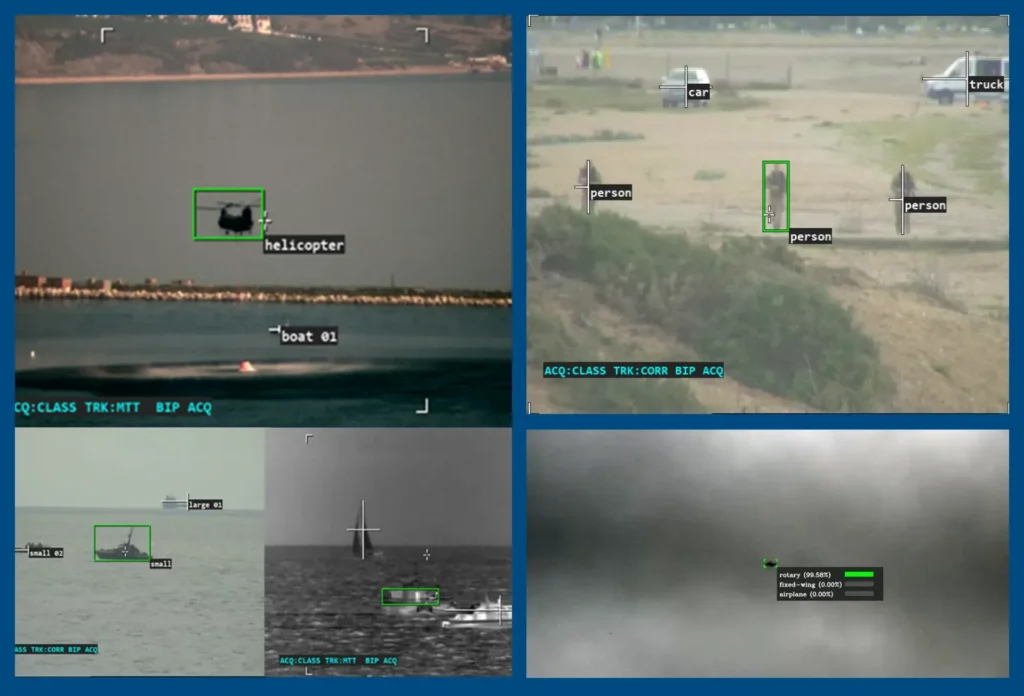
AI-enabled technologies such as Chess Dynamics’ Vision4ce Deep Embedded Feature Tracking (DEFT) address these challenges by automating the detection, classification, and tracking of multiple targets simultaneously using deep neural networks.
With minimal operator input, DEFT can maintain robust target lock below the tree line, in low-contrast conditions, and in environments containing significant foreground and background clutter.
Persistent automated tracking allows personnel to concentrate on decision-making and coordination rather than dividing their attention between searching for threats and directing countermeasures. The operator’s role consequently shifts from identifying and following individual drones toward managing an integrated defensive response.
Supporting Distributed C-UAS Capabilities
Reducing cognitive burden has implications beyond operator workload. Reduced fatigue can help personnel maintain alertness and accuracy over extended operational periods, while shorter sensor-to-shooter cycles increase the likelihood of neutralizing a drone before it completes its mission.
The extensive datasets used to train the Chess Dynamics system also support a reduction in false alarms, allowing defensive assets to be allocated to genuine threats.
Standardizing and automating elements of the detection process can additionally reduce reliance on highly trained C-UAS specialists. Generalist soldiers operating at platoon level can use detection and tracking tools with minimal additional training, supporting the wider distribution of C-UAS capabilities.
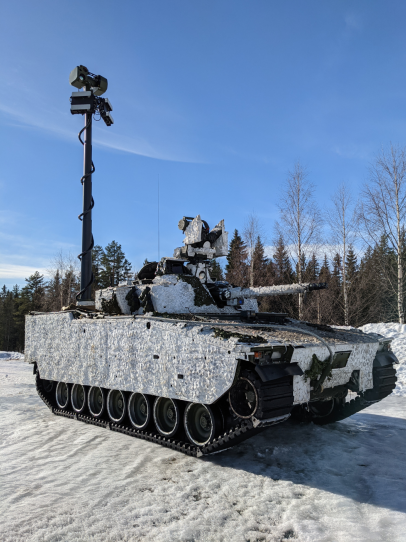
Operational experience in Ukraine has demonstrated the limitations of centralized C-UAS systems, which can become saturated or bypassed. A distributed system-of-systems approach, in which vehicles, outposts, and forward elements act as sensors capable of autonomously detecting and tracking drones, can provide greater resilience and responsiveness.
Integrating Detection, Tracking and Fire Control
Effective C-UAS operations extend beyond initial threat detection. Early identification, rapid classification, and integration with wider defensive systems are also important elements of the response.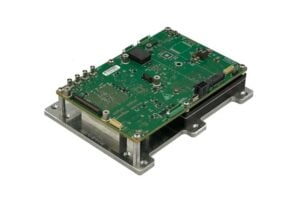
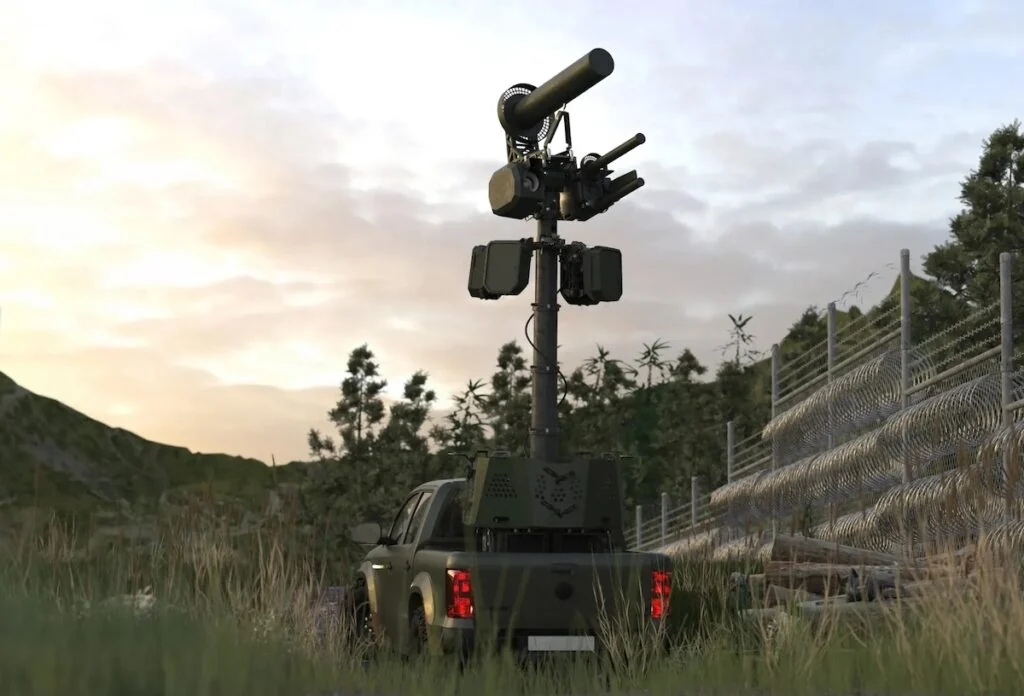
As a systems integrator, Chess Dynamics tailors solutions to individual end-user threat profiles, combining radar, optical sensors, and other inputs to support faster, informed decision-making.
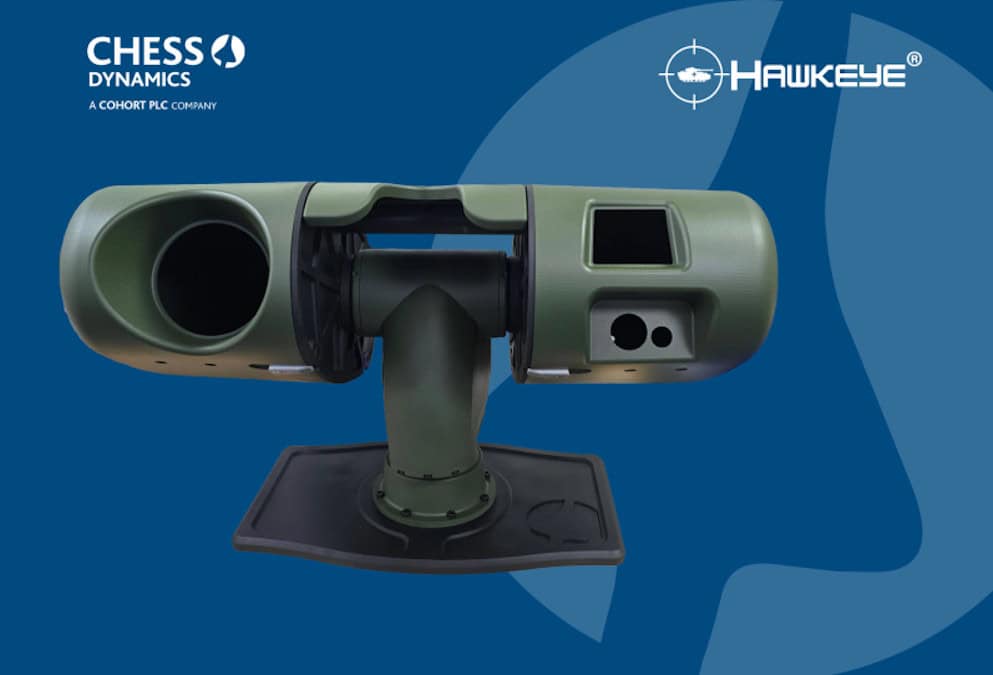
The company’s Hawkeye Air Defence (AD) fire control system combines precision tracking with AI-driven image processing to engage fast, agile targets.
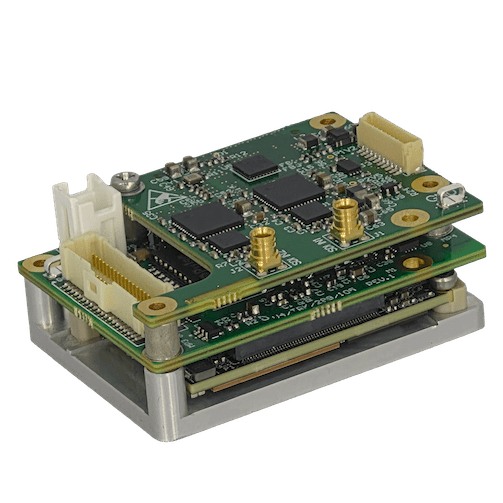
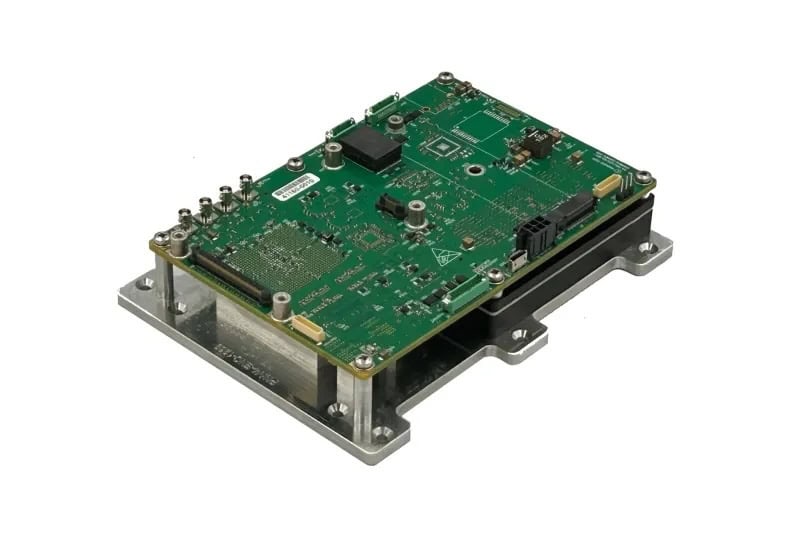
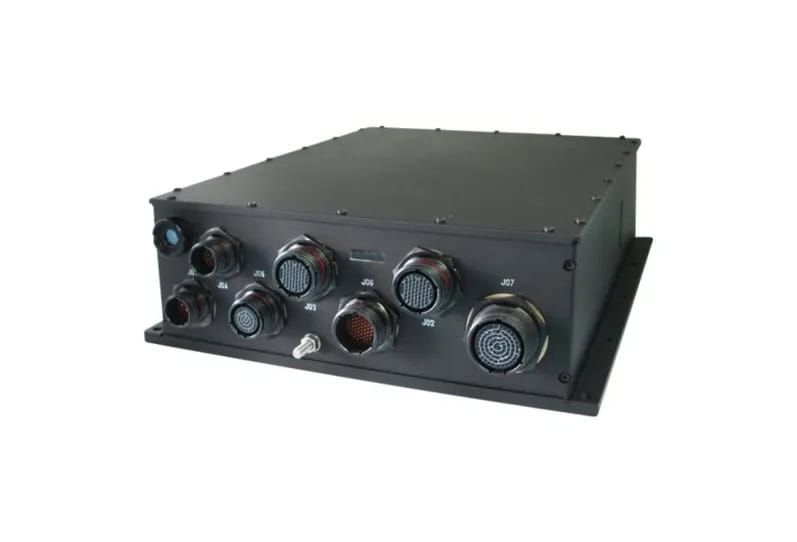
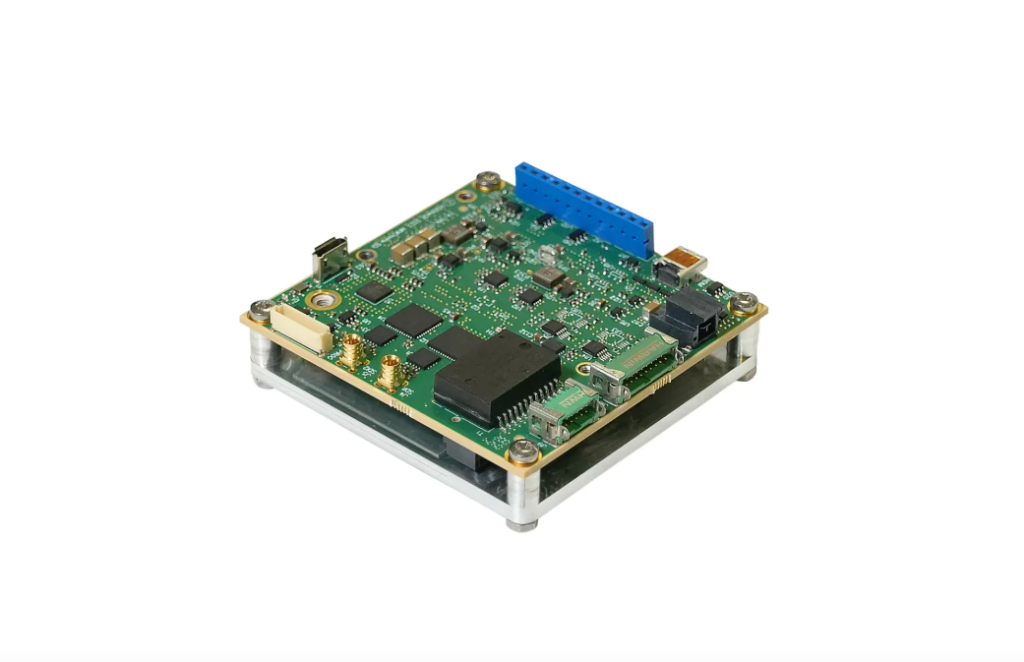
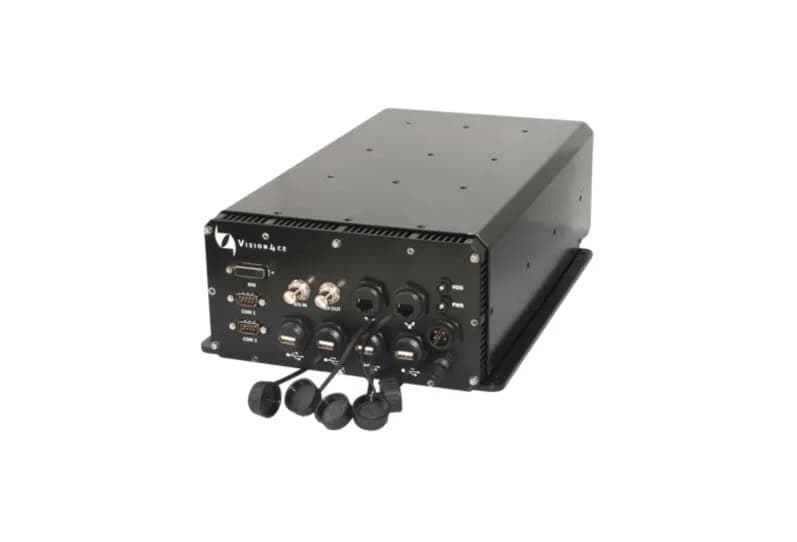
DEFT tracking algorithms run on Vision4ce’s CHARM hardware portfolio, which accommodates different processing and size, weight, and power (SWaP) requirements.
The compact Mini CHARM supports SWaP-constrained applications such as unmanned aerial vehicles (UAVs). At the upper end of the hardware range, the CHARM150AGX offers multi-channel tracking using ultra-high-resolution (4K60) cameras, with operation down to -40°C.
Adapting to Evolving UAS Threats
The speed and prevalence of emerging drone threats highlight the need to extend integrated detection and protection capabilities across vehicles, command posts, and forward positions. These capabilities must address threats ranging from individual commercial drones to coordinated swarms.
By supporting persistent surveillance, faster decision-making, and reduced cognitive burden, AI-enabled C-UAS technologies can help operators respond to evolving threats while adapting to the rapid pace of UAS development.
Read Eyes on the Sky: reducing the cognitive burden in C-UAS operations on the Chess Dynamics website.