


Trillium Engineering has demonstrated a resilient positioning and timing solution designed to operate through severe electronic warfare interference during government-organized trials in the Arctic.
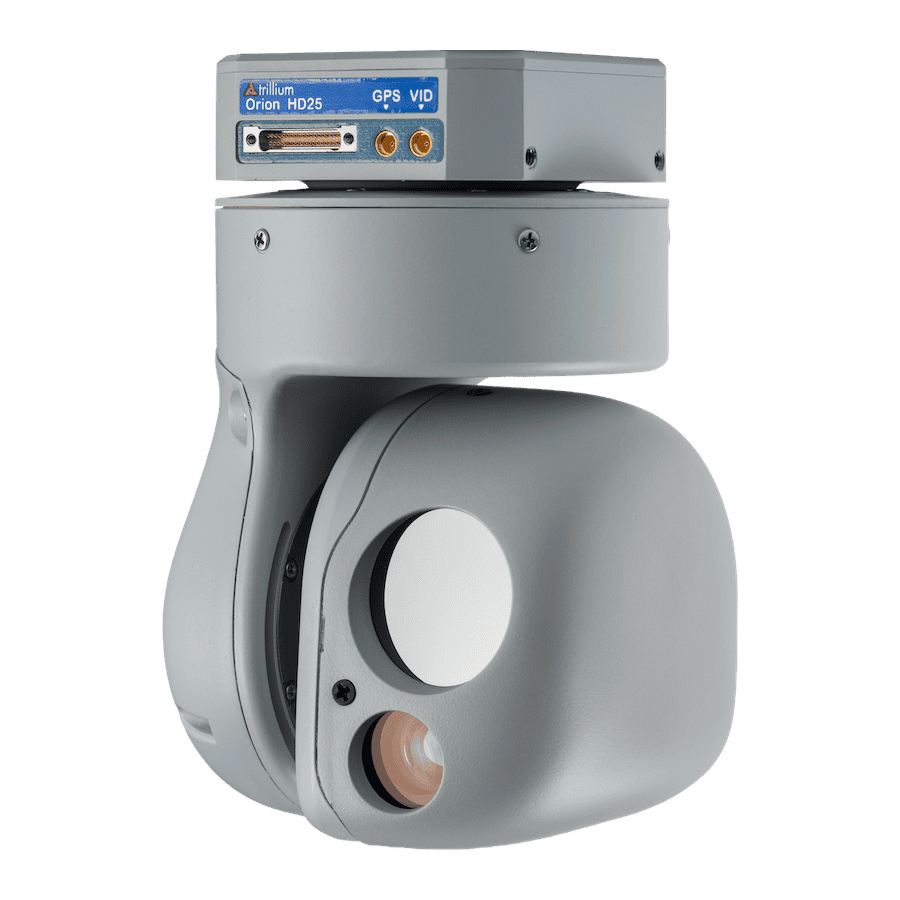
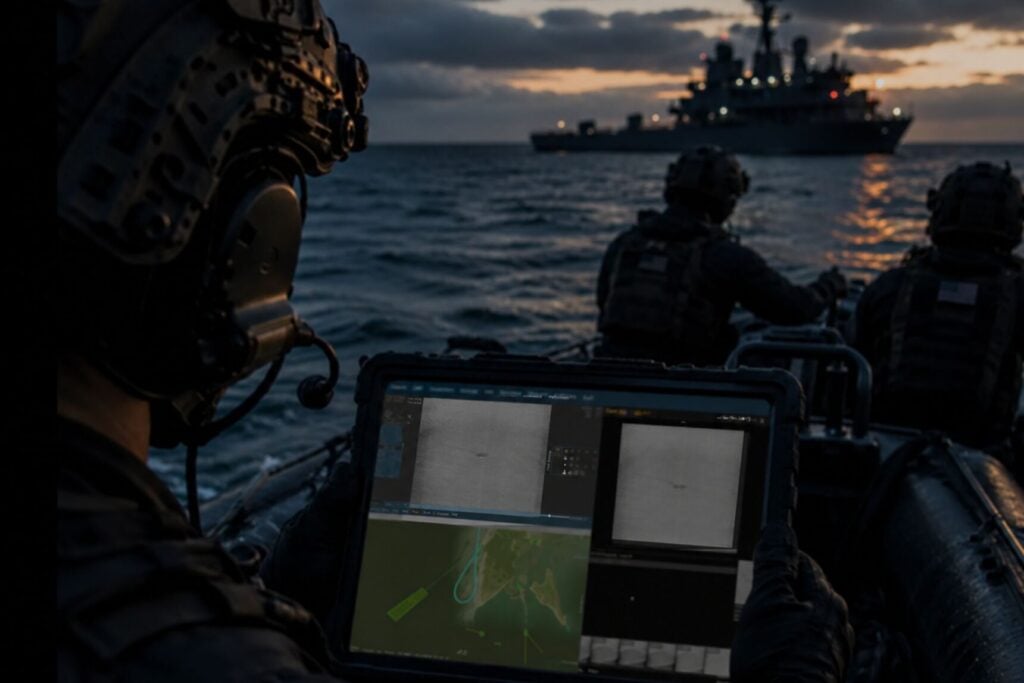
Conducted on the island of Andøya, Norway, the Jammertest 2026 event provided a demanding operational environment to test systems against broadband jamming, spoofing, and meaconing designed to disrupt and deceive satellite navigation. Over the five-day evaluation from September 14 to 18, the Trillium Labs team logged 34 hours of testing, including nighttime data collections, utilizing a configuration that featured the HD45-LV-CZ gimbal.
For uncrewed platforms operating at the tactical edge, dependable positioning is critical to mission execution. In addition to primary guidance, position and timing data support target tracking capabilities and synchronize recorded video with precise geographic coordinates at the moment of capture. When satellite signals become degraded or unavailable, systems risk losing orientation and relaying deceptive coordinates, jeopardizing mission outcomes.
To mitigate these vulnerabilities, Trillium demonstrated its GD-Nav technology as a robust alternative navigation source. Engineered for both maritime and overland operations, the lightweight package operates without requiring data input from the host platform. Beyond supporting operators of Trillium gimbal payloads, the architecture can provide secondary navigation data directly to the host platform itself, expanding system utility beyond standard sensor operations.
As uncrewed platforms take on increasingly complex operational responsibilities, incorporating resilience against electronic navigation interference is shifting from an optional upgrade to a foundational design requirement. Trillium expects to deliver customer evaluation prototypes of the GD-Nav system in the third quarter of 2027, with a commercial release slated for 2028.