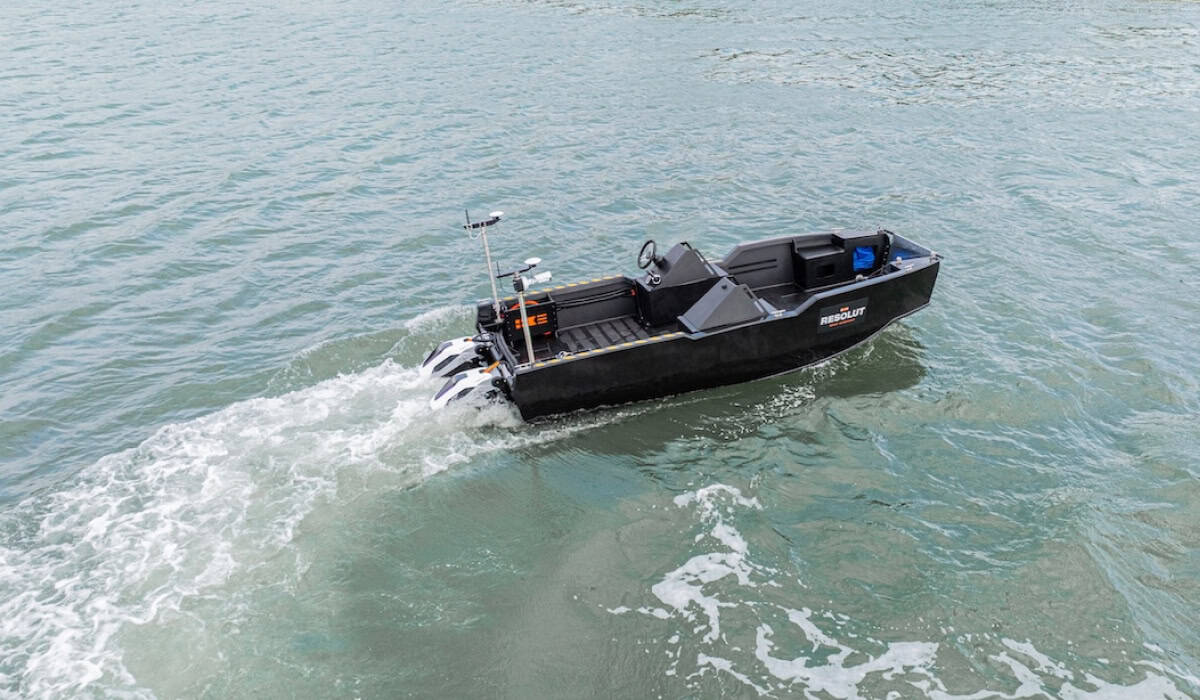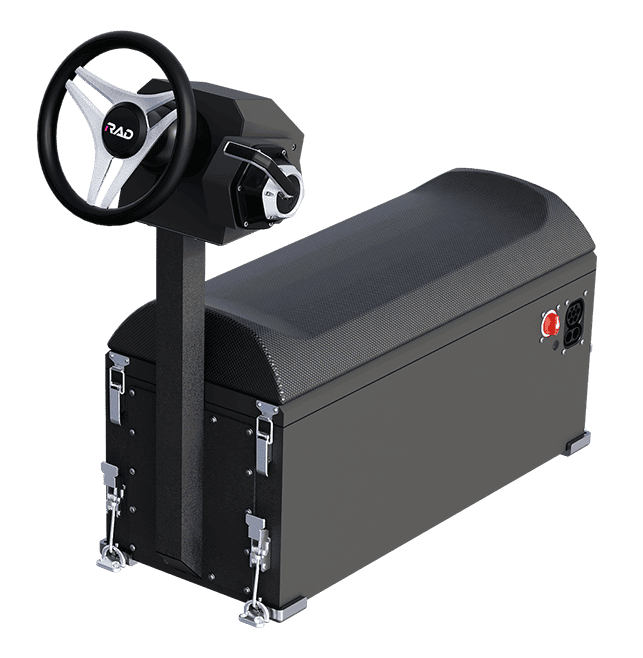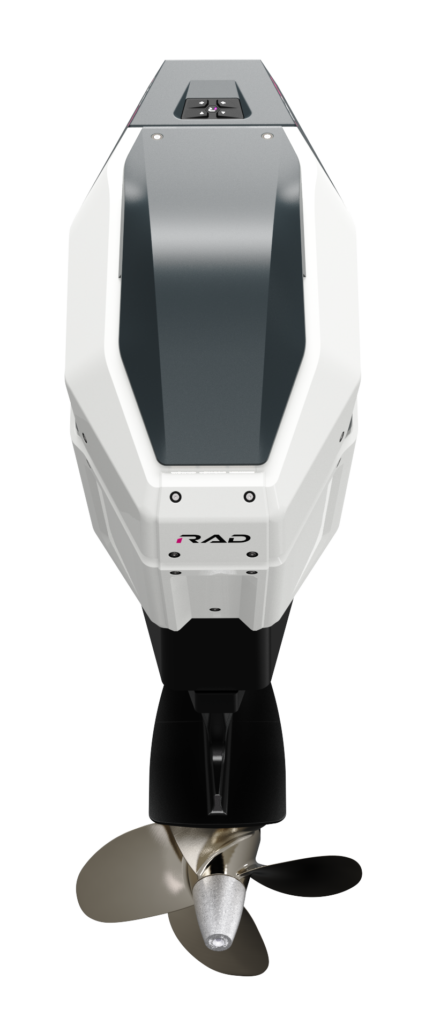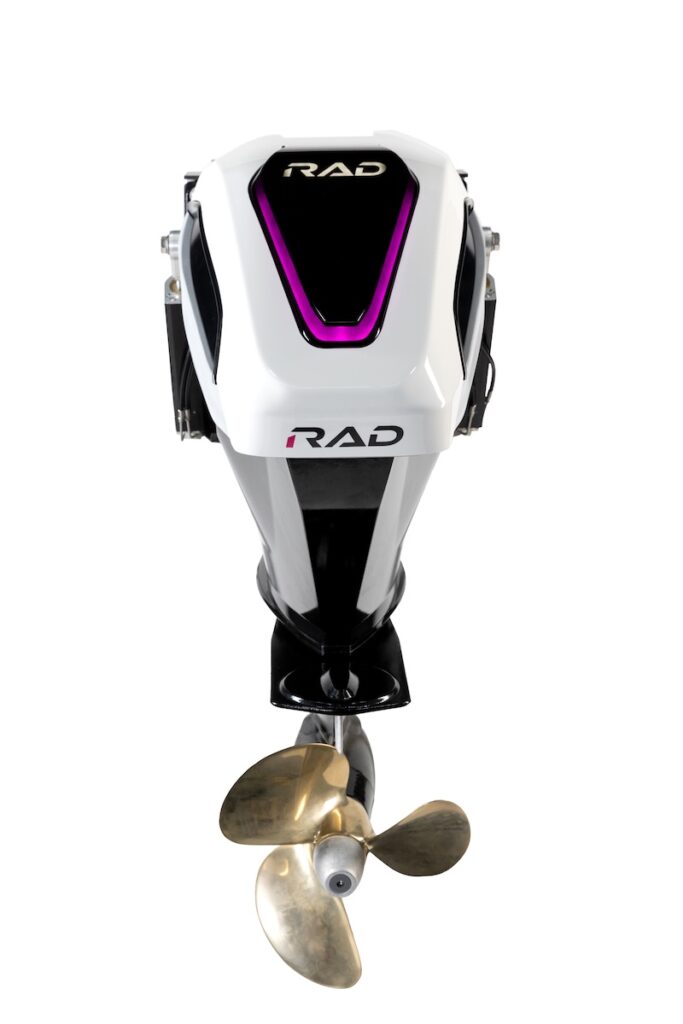




RAD Propulsion has collaborated with University College London (UCL) on a landmark peer reviewed study demonstrating that well engineered electric propulsion can significantly reduce underwater noise compared with conventional internal combustion engines (ICE).
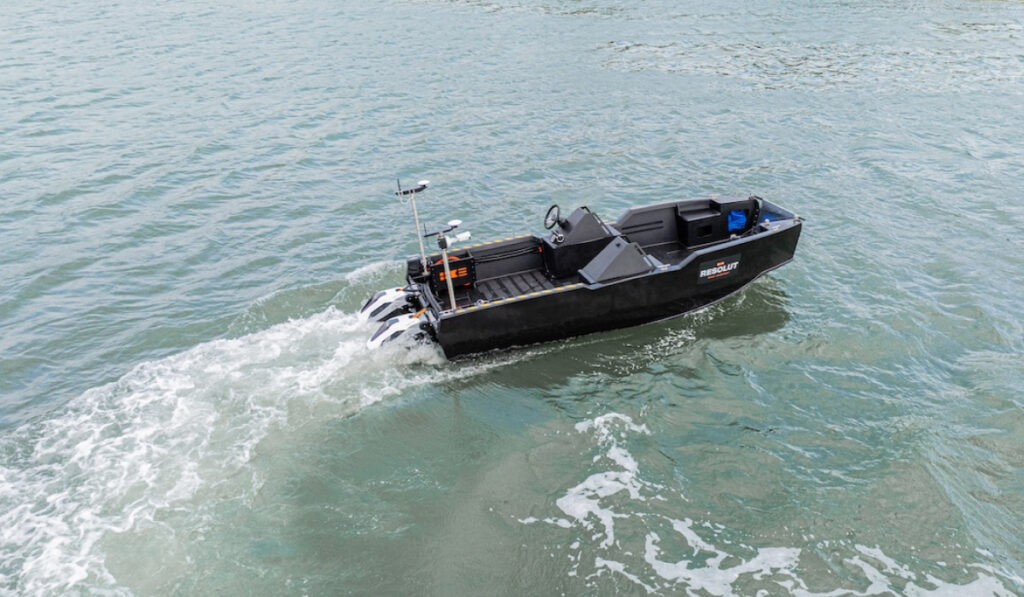
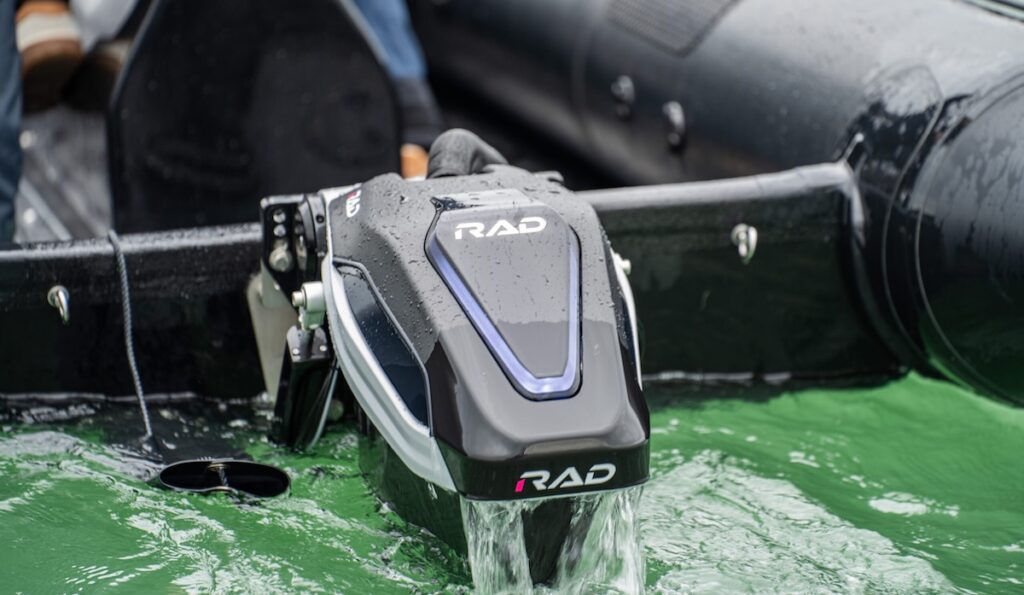
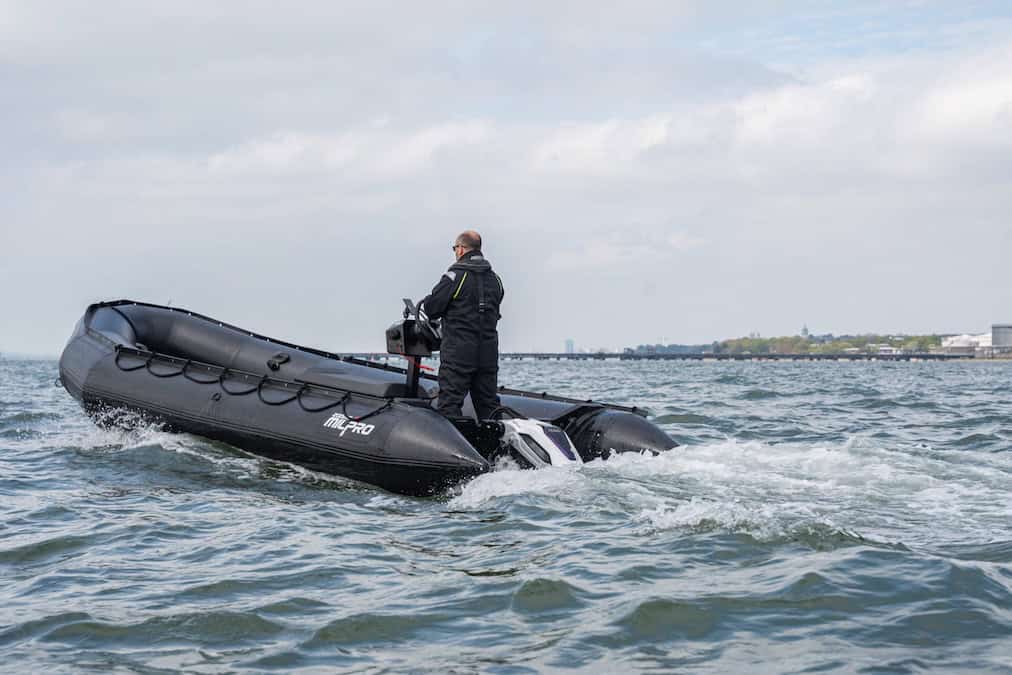
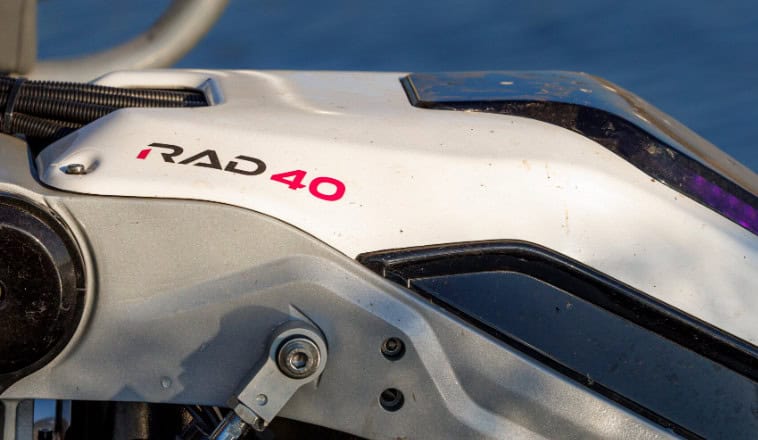
Published in the Journal of the Acoustical Society of America, the study compared a RAD 40 electric outboard with an equivalent powered ICE outboard across controlled testing conditions. Trials initially conducted on the River Hamble were followed by more extensive testing at a lake near Shrewsbury, where two identical vessels were assessed across speeds from four to 20 knots using hydrophones, underwater video and airborne noise measurements.
The results showed that the RAD powered vessel produced lower broadband underwater noise across the entire tested speed range, with a reduction of up to 43 decibels at four knots. The study also found that electric propulsion eliminates low frequency combustion and exhaust noise, while the RAD system generated lower high frequency motor and power electronics noise than other electric propulsion systems previously reported.
The research highlights the potential of quieter electric propulsion to reduce acoustic disturbance for marine species, particularly those sensitive to low frequency noise. UCL and RAD subsequently extended the research to Namibia, where RAD powered vessels operating on the Chobe River demonstrated significant real world noise reductions compared with conventional boats.
The findings provide valuable evidence for marine operators, conservationists and policymakers considering quieter, more sustainable propulsion technologies for environmentally sensitive waterways.