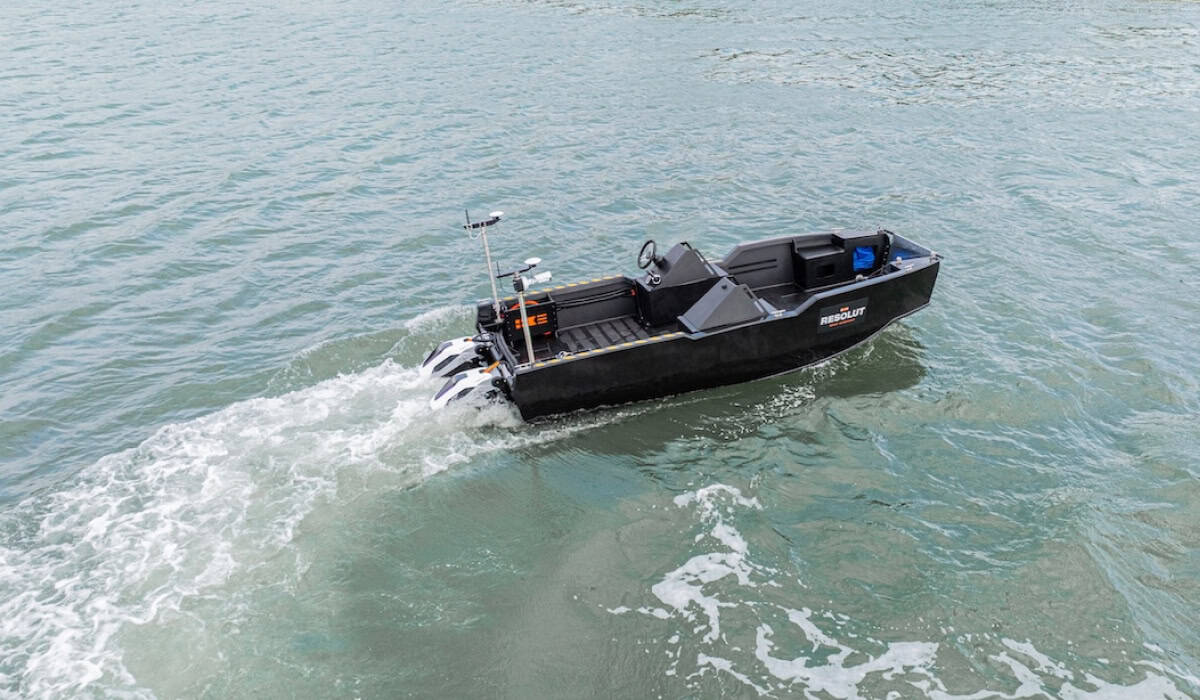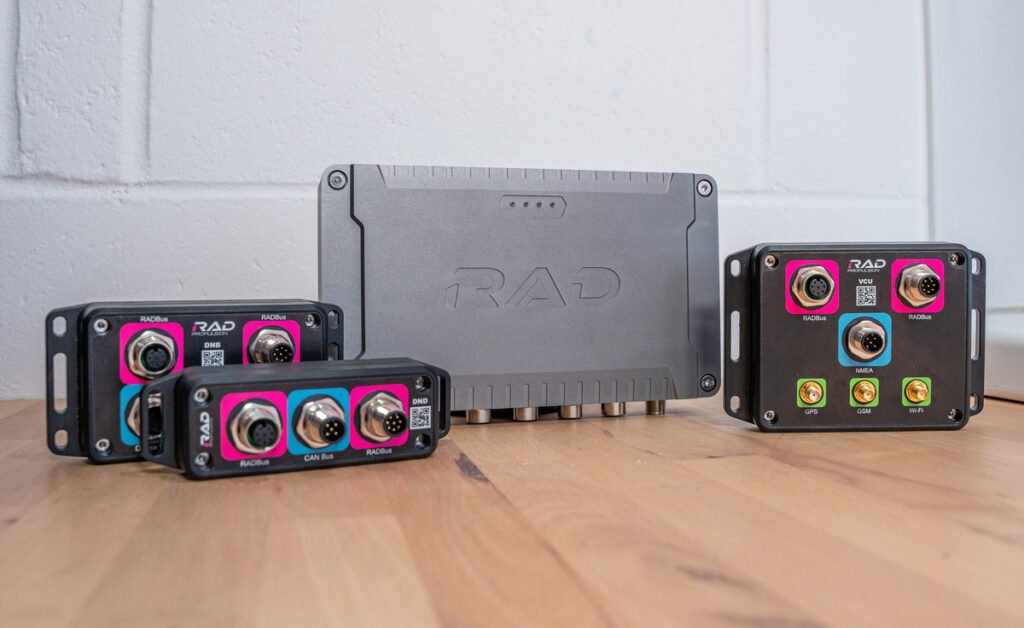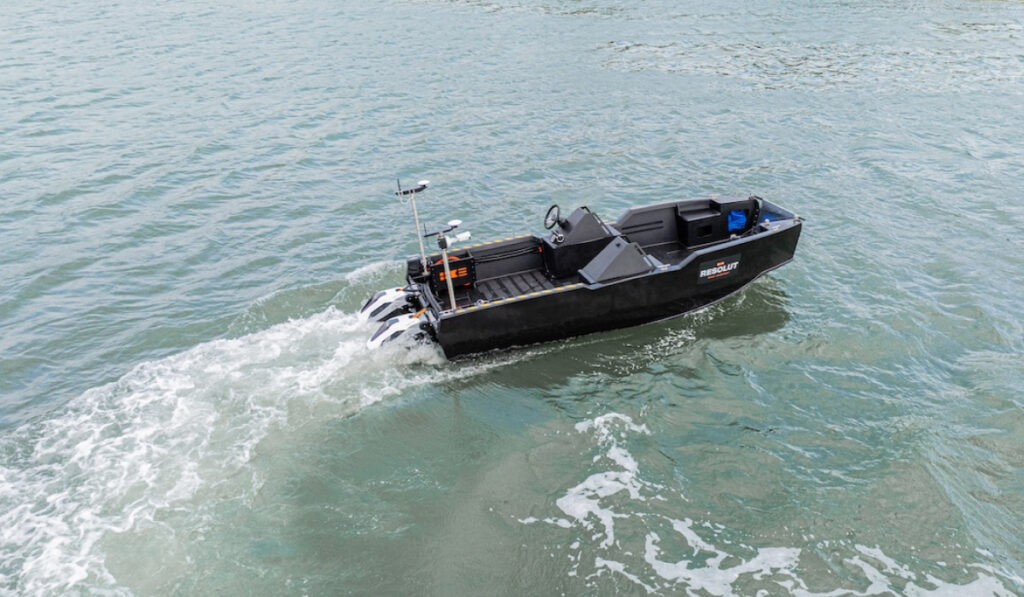
RAD Propulsion has introduced the RAD Autonomy Core, a dedicated interface layer designed to enable simple and reliable remote control for a wide variety of marine vessels.
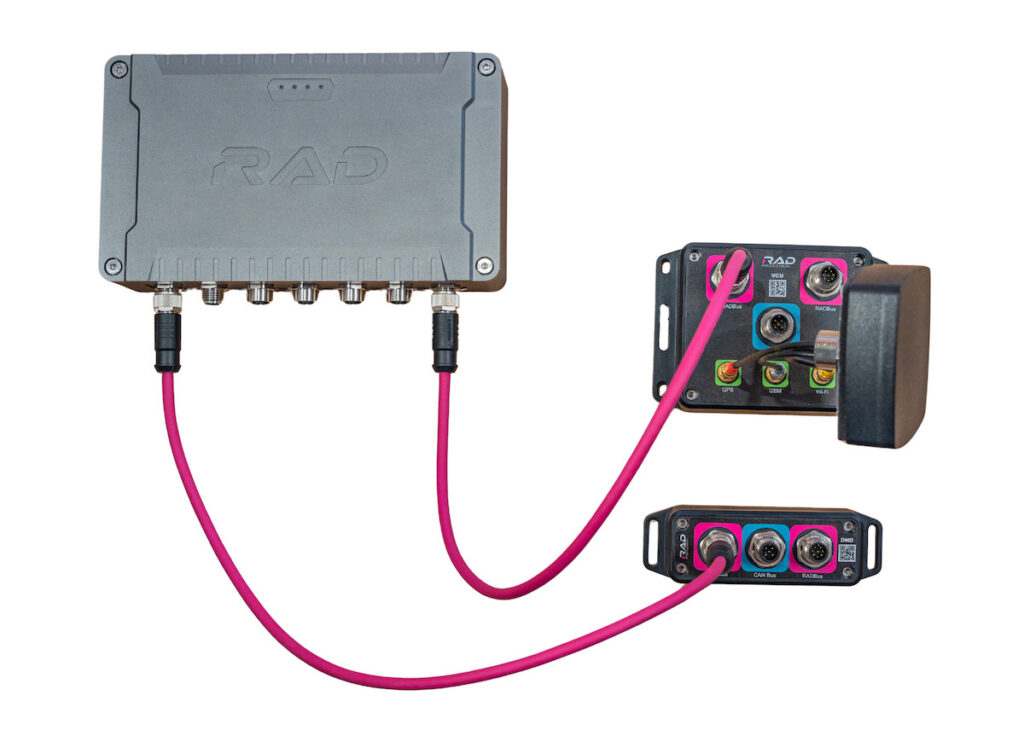
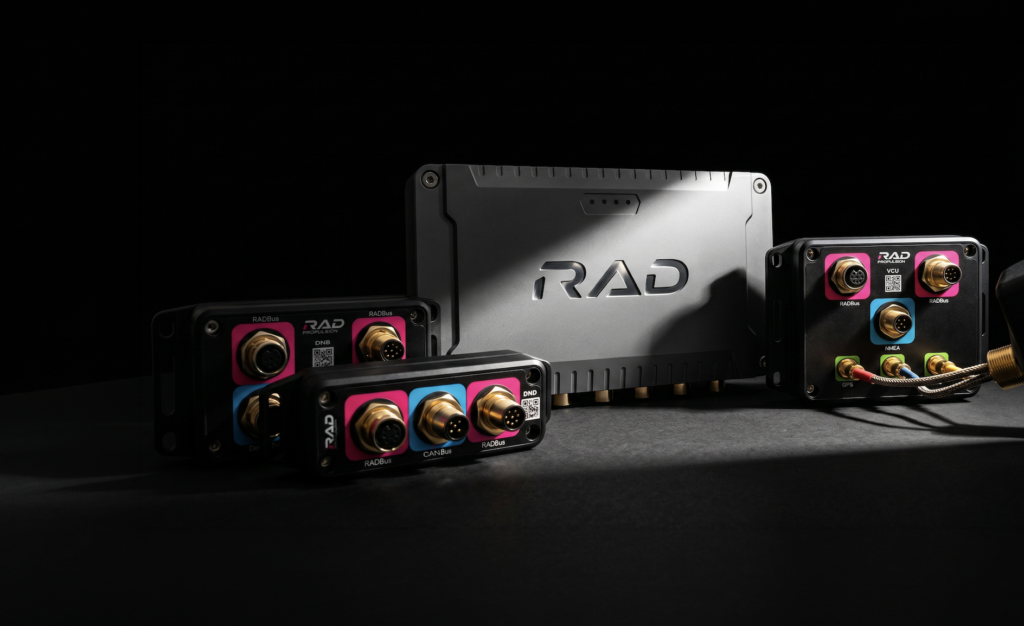
Announced at the Combined Naval Event in Farnborough, the system acts as a bridge between vessel engines and onboard systems, allowing communication over an IP network. This connectivity can be established via satellite, Wi-Fi, or cellular solutions, utilizing either RAD-specific hardware or a customer’s existing infrastructure.
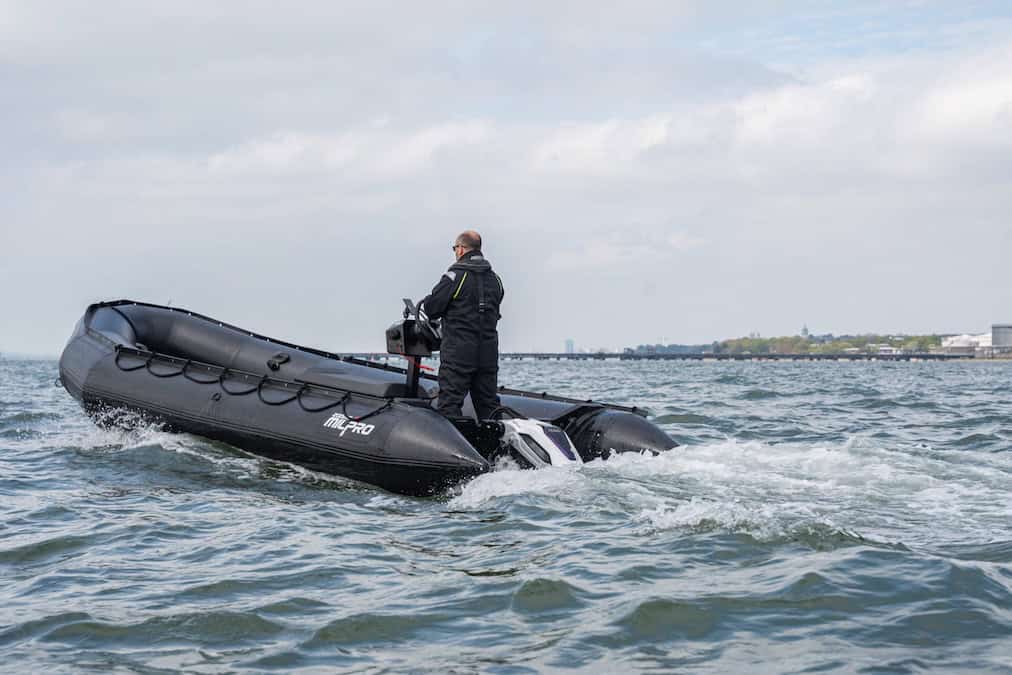
The technology is engineered to deliver Degree 3 autonomy, which allows for fully remote vessel operation without the requirement of an onboard crew. To facilitate this, the hardware includes multiple interfaces, including two RAD Bus ports, three Ethernet ports, and a DroneCAN interface for GPS and compass integration.
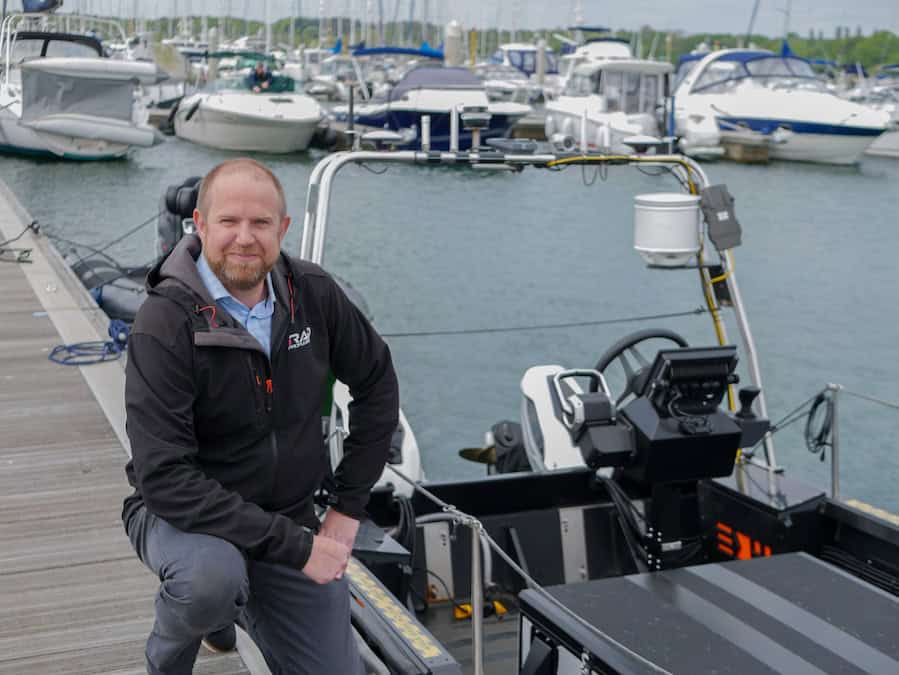
Dan Hook, CEO of RAD, said, “Autonomy in marine has been overcomplicated for too long. With the Autonomy Core, we’ve focused on what operators actually need: a system that is easy to install, works with what they already have, and guarantees control. This is about making remote operation accessible today, while keeping the door open for more advanced autonomy tomorrow.”
A central component of the design is the embedded Autonomy Gateway, which ensures interoperability with third-party systems. This allows operators to layer advanced situational awareness and decision-making tools from external partners onto the RAD platform. While RAD provides the fundamental remote control capabilities, these partnerships enable Degree 4 autonomy, where a vessel can make independent navigational decisions.
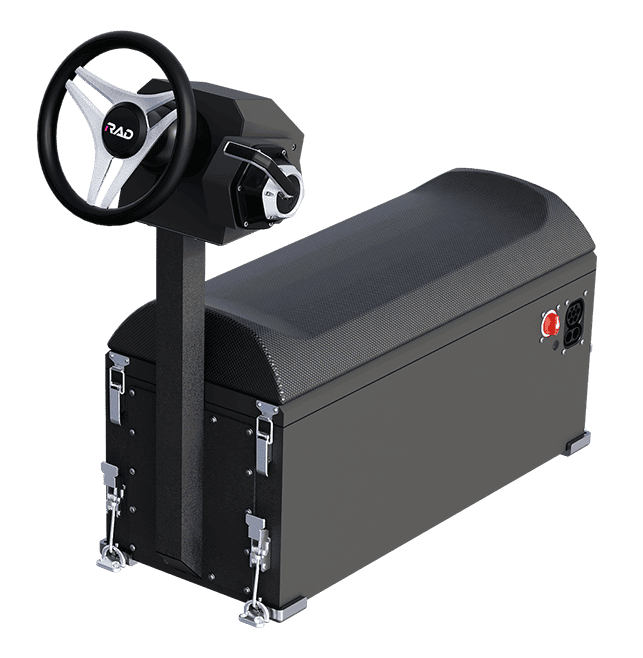
Safety protocols are integrated directly into the hardware through a dual-control mechanism. If an external autonomy system fails, the Autonomy Core provides a built-in fallback that allows a remote operator to retain manual control and initiate a “get me home” function.
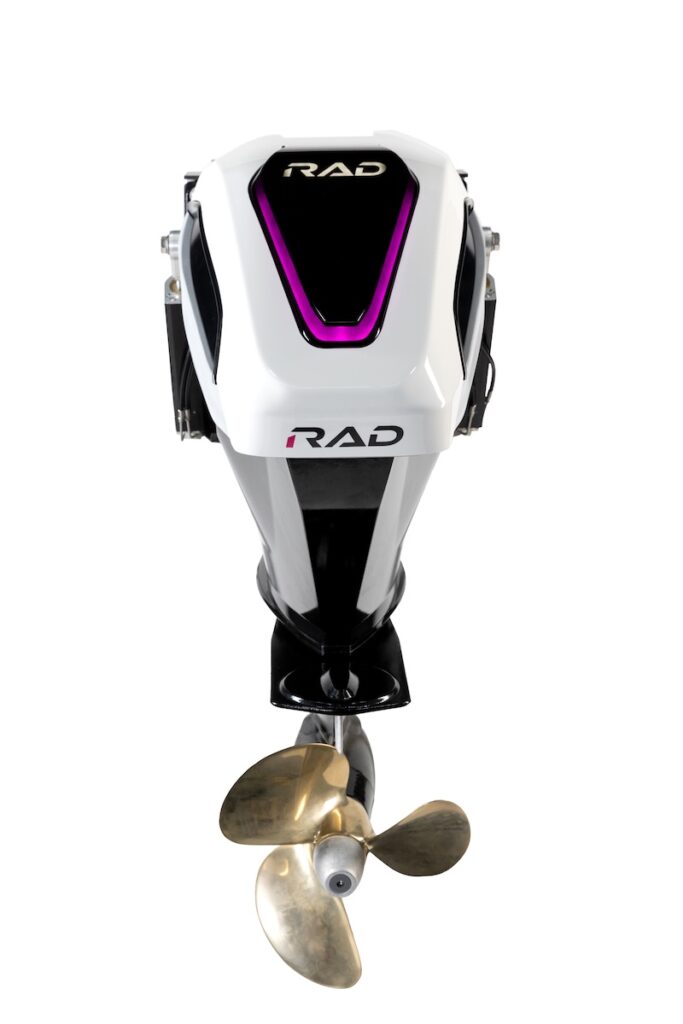
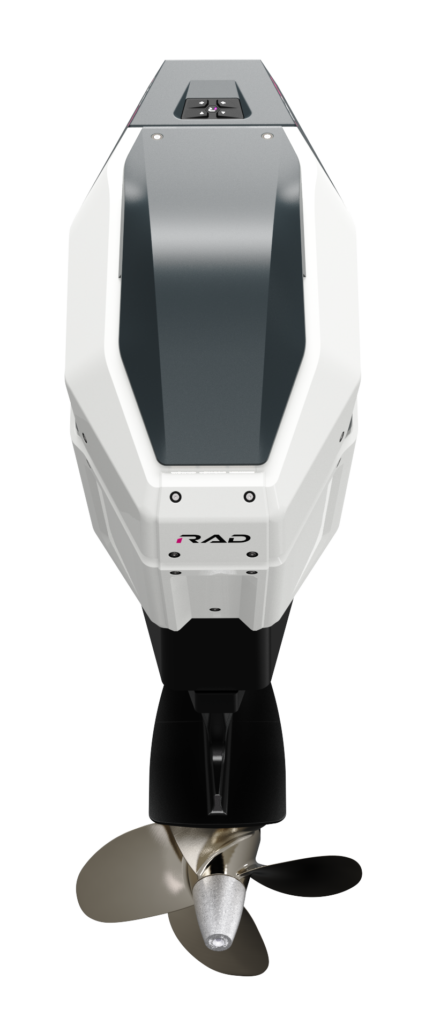
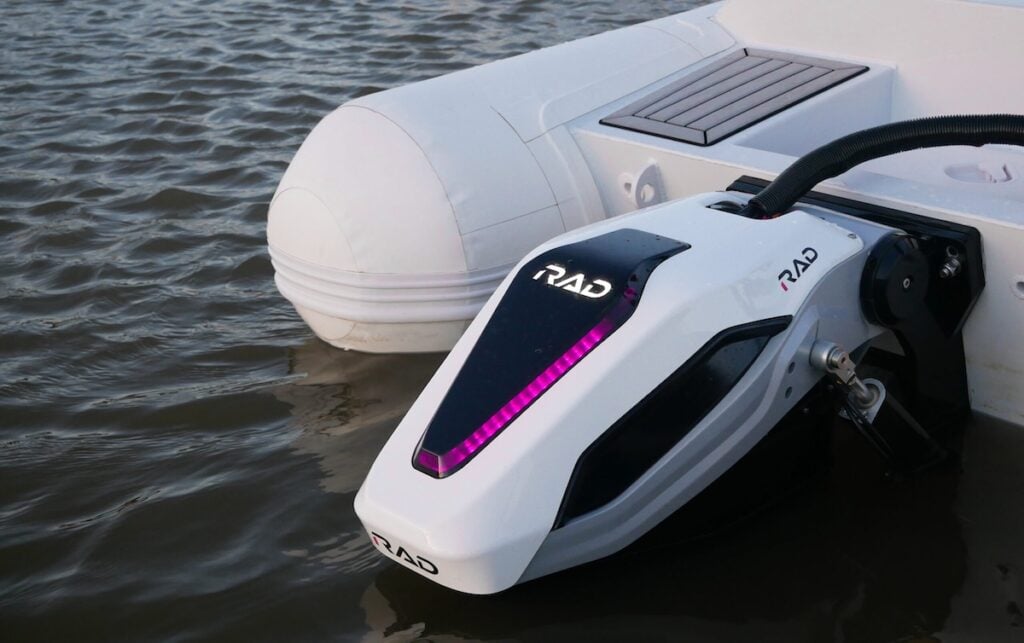
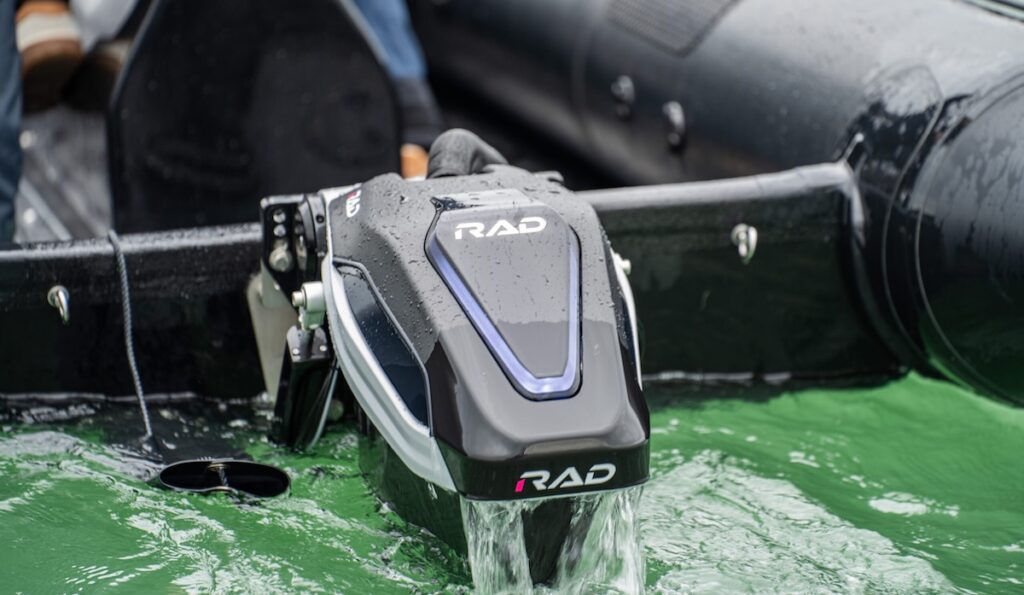
The system is propulsion agnostic and can interface with modern digital engines or legacy systems equipped with appropriate gateways. While the platform is optimized for RAD’s own drive systems, it is designed to support a broad range of third-party configurations.
Looking forward, the company is developing additional hardware and software to further streamline the integration of vessel systems, including advanced switching and situational presentation. The Autonomy Core is currently available in multiple deployment packages ranging from basic remote control to fully integrated, autonomy-ready configurations.