New Imaging Technologies (NIT) outlines how Short-Wave Infrared (SWIR) imaging can add an additional sensing layer to unmanned systems, complementing visible and thermal technologies to support perception across a wider range of operating conditions.
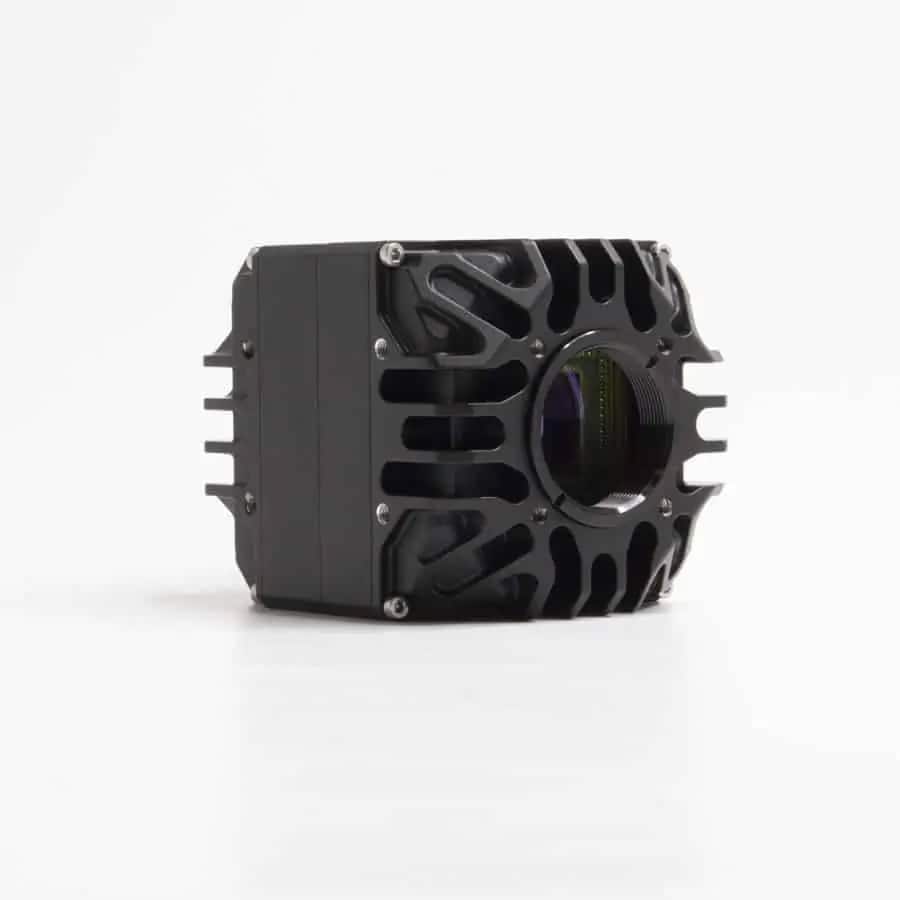
New Imaging Technologies SenS 1280 SWIR Camera
Modern unmanned systems increasingly rely on multiple sensing modalities to operate effectively across varied environments. A typical imaging architecture includes visible imaging, thermal imaging in the Long-Wave Infrared (LWIR) or Mid-Wave Infrared (MWIR) bands, and SWIR imaging. Each provides a different type of information, together supporting more robust perception capabilities.
Bridging Visible & Thermal Imaging
Visible imaging offers high spatial resolution and detailed scene information, but its effectiveness depends on ambient illumination. Thermal imaging using LWIR or MWIR detects heat signatures and is effective for detection in complete darkness, although it provides limited surface and structural detail.
NIT’s SWIR solutions bridge the gap between visible and thermal imaging by providing reflective imaging characteristics similar to visible imaging while also supporting operation in degraded weather conditions. SWIR can also improve performance where visible contrast is limited.
When paired with active illumination, a single SWIR sensor can support day, night, and all-weather operation across varying lighting conditions. SWIR wavelengths also experience reduced scattering compared with visible wavelengths, supporting improved image clarity in haze and atmospheric conditions. For material discrimination, differences in reflectivity support the identification of objects and surfaces.
SWIR imaging is relevant to a range of unmanned-system applications, including Intelligence, Surveillance, and Reconnaissance (ISR), infrastructure inspection, surveillance and security, and decamouflage. In decamouflage applications, SWIR imaging can reveal objects that blend into visible backgrounds.
SWIR Options for Unmanned Platform Integration
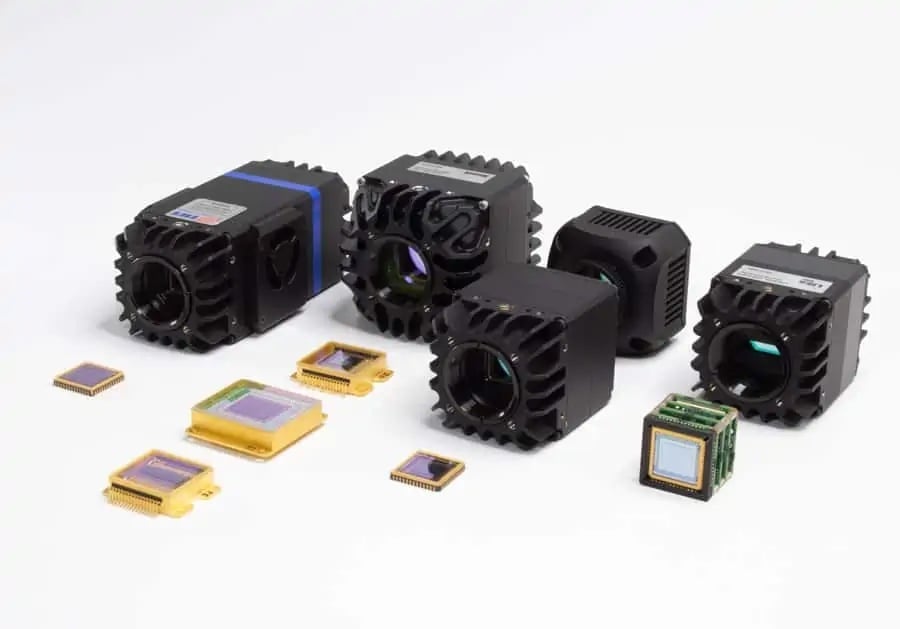
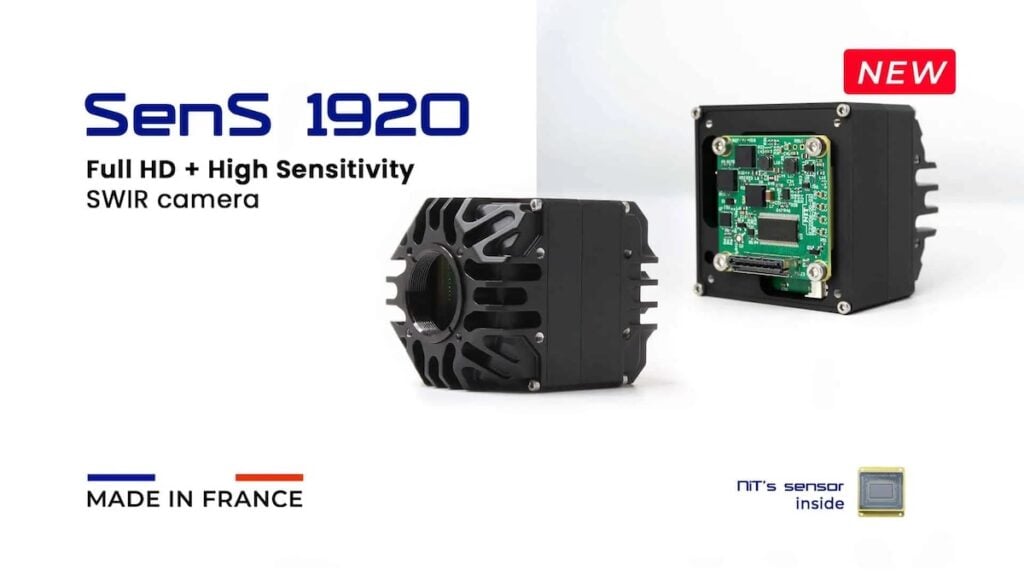
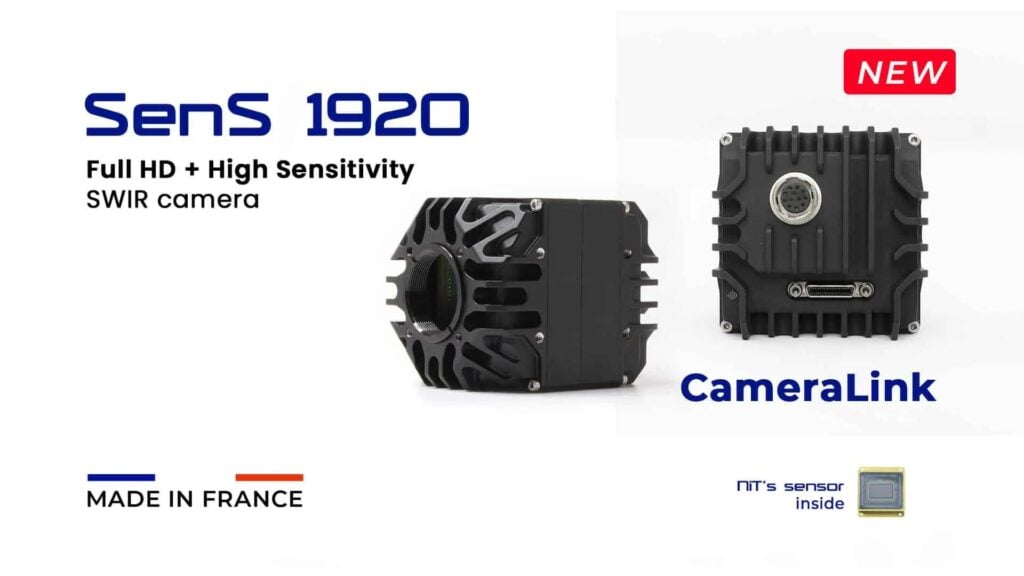
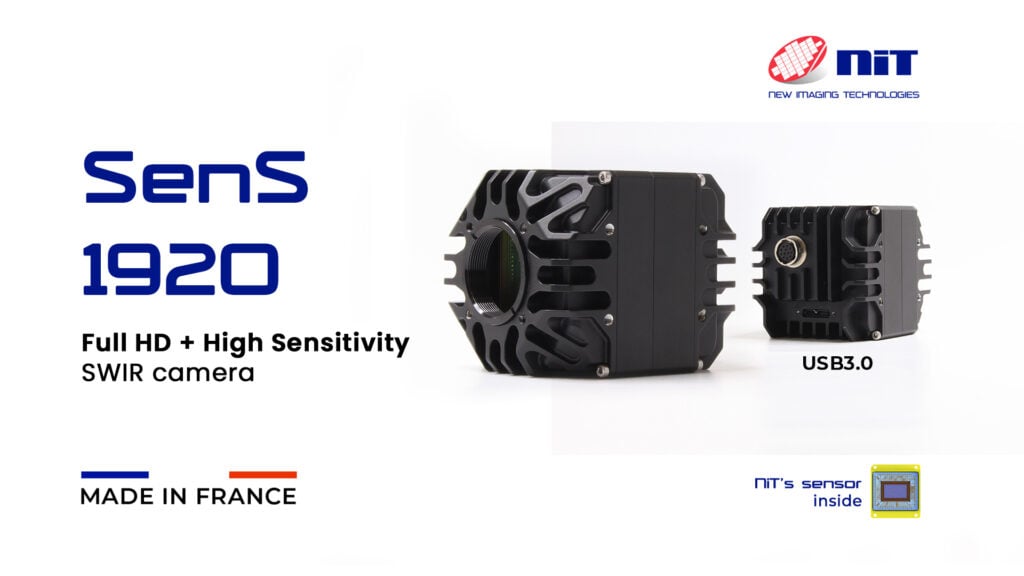
NIT develops high-performance SWIR sensors and cameras for integration into unmanned platforms. Its solutions are available with resolutions ranging from qVGA to Full HD, high dynamic range of up to 120 dB, and high sensitivity for demanding environments.
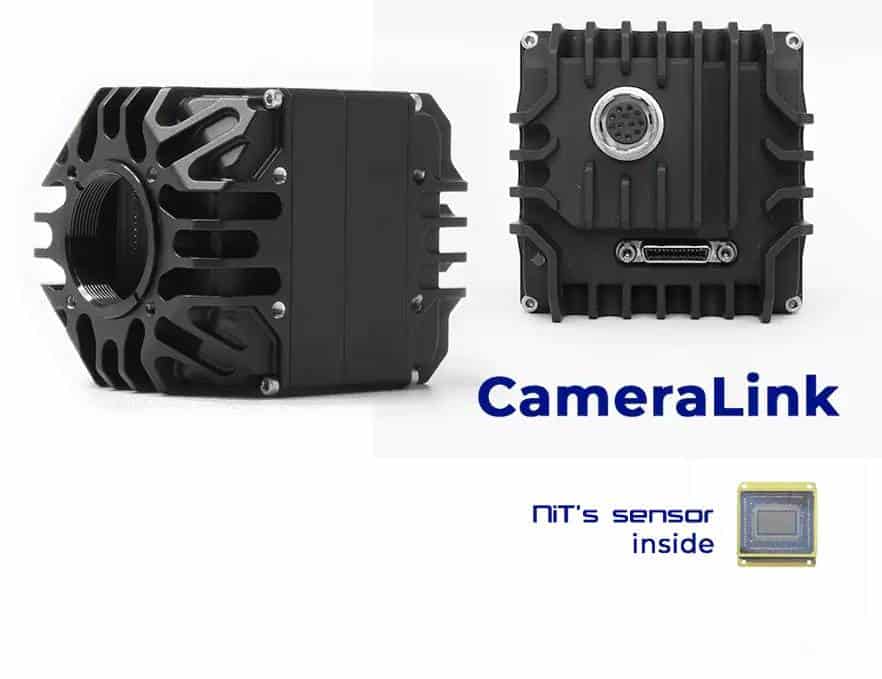
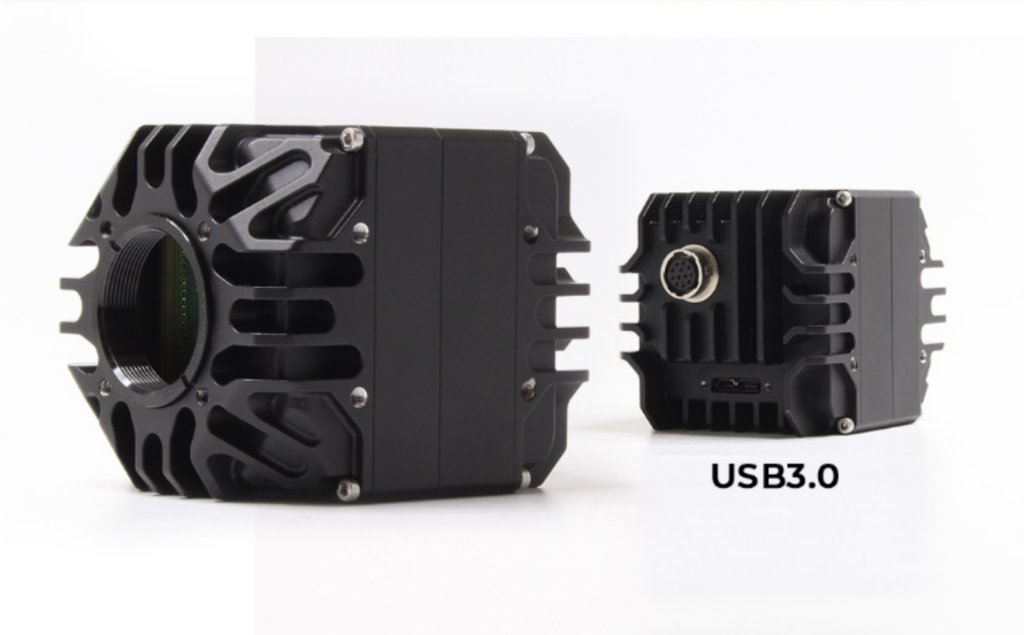
The technology is available at sensor level, board level, or as camera modules, providing different options for integration. Available interfaces include USB3.0, CameraLink, and HD-SDI.
As unmanned systems continue to evolve, reliance on a single imaging modality is no longer sufficient. SWIR is not intended to replace visible or thermal imaging. Instead, it is becoming an additional layer within multi-sensor systems, supporting improved perception, identification, and operational reliability.