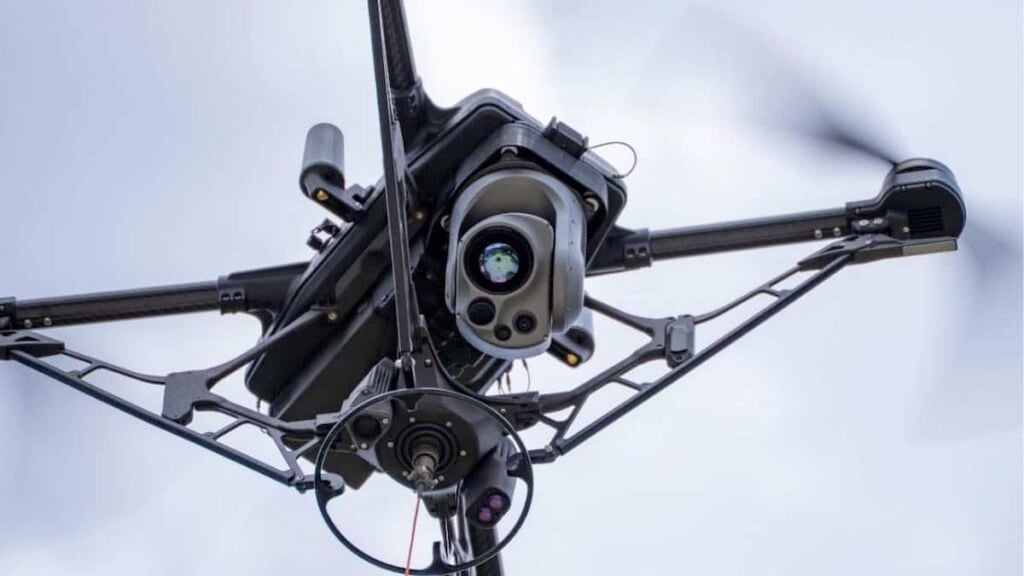
CACI International outlines how Electro-Optical (EO), Short-Wave Infrared (SWIR), Mid-Wave Infrared (MWIR) and Long-Wave Infrared (LWIR) imaging differ, and how their respective capabilities can inform sensor selection for uncrewed systems.
Choosing an appropriate imaging payload requires balancing these technologies against mission requirements, operating conditions and platform constraints.
Understanding EO, SWIR, MWIR and LWIR Imaging
Each imaging technology provides distinct capabilities, with performance influenced by lighting, target characteristics and environmental conditions.
Electro-Optical (EO)
EO captures visible-spectrum imagery, providing color, fine detail and a natural visual perspective. These characteristics make it particularly useful for positive identification and operator decision-making.
However, its effectiveness depends on lighting and contrast, with night, glare, haze and camouflage potentially reducing its usefulness.
Short-Wave Infrared (SWIR)
SWIR captures reflected energy, making it more comparable to visible-spectrum imaging than thermal imaging. Surfaces respond differently within the SWIR spectrum, allowing distinctions involving moisture, vegetation, fabrics and industrial materials that may not be apparent through EO imaging.
This makes SWIR valuable for low-light surveillance and material discrimination, although some ambient or active illumination is still required.
Mid-Wave Infrared (MWIR)
Operating within a strong atmospheric transmission window, MWIR responds particularly well to hot targets, including engines, exhausts and fires.
High-performance cooled MWIR systems provide excellent long-range sensitivity and contrast. However, the required cryogenic cooling adds size, weight, power consumption and maintenance demands.
Long-Wave Infrared (LWIR)
LWIR detects radiation from objects near ambient temperature, allowing people, vehicles and structures to remain visible in complete darkness without illumination.
Uncooled microbolometer technology has made LWIR compact, low-power and comparatively inexpensive. However, its imagery can be less intuitive to interpret, while weather conditions and reflective surfaces can affect apparent temperature.
Balancing Sensor Capabilities Against Mission Requirements
CACI highlights how combining imaging technologies within a multi-sensor payload can provide backup coverage and support clearer image interpretation.
For example, LWIR can locate a vehicle after dark, while EO can identify it once spotted. MWIR can isolate a hot engine at range, and SWIR can reveal material or moisture signatures that may not be apparent through other imaging technologies.
Determining the appropriate combination requires consideration of whether the mission involves detection, recognition or identification, alongside target characteristics, background conditions and the operating environment.
The platform’s available power, weight allowance and cooling capacity must also be considered. Sensor selection therefore depends on matching individual capabilities and limitations to operational requirements rather than relying solely on performance specifications.
Multi-Sensor Integration in CACI’s EO/IR Gimbals
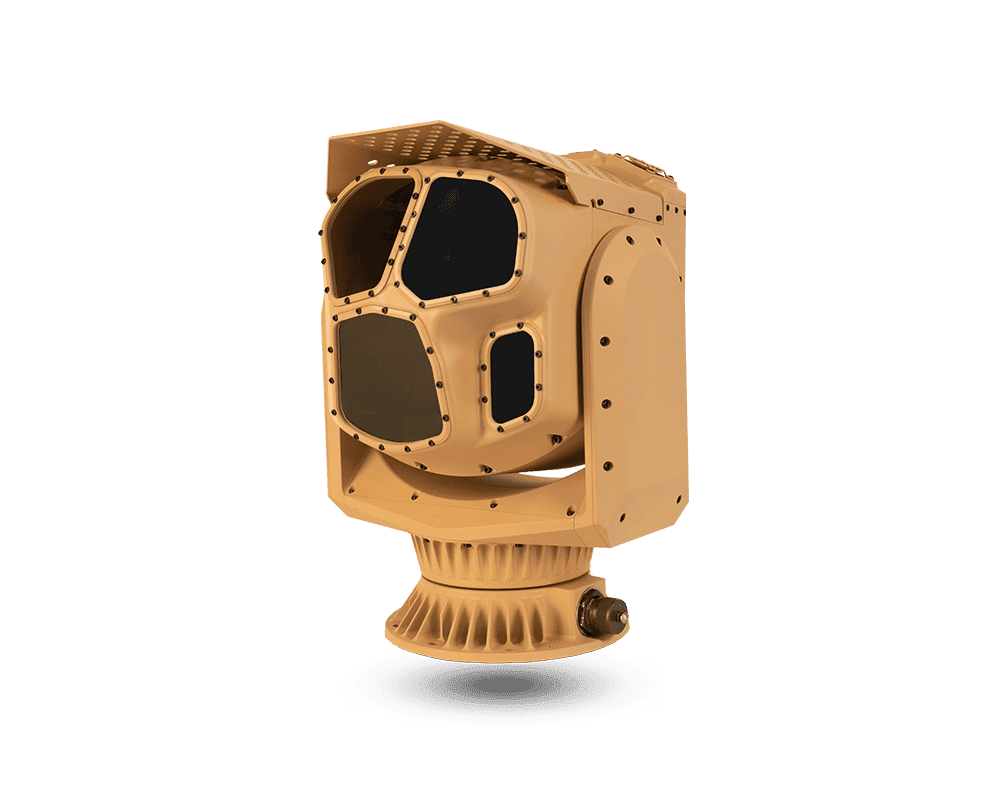
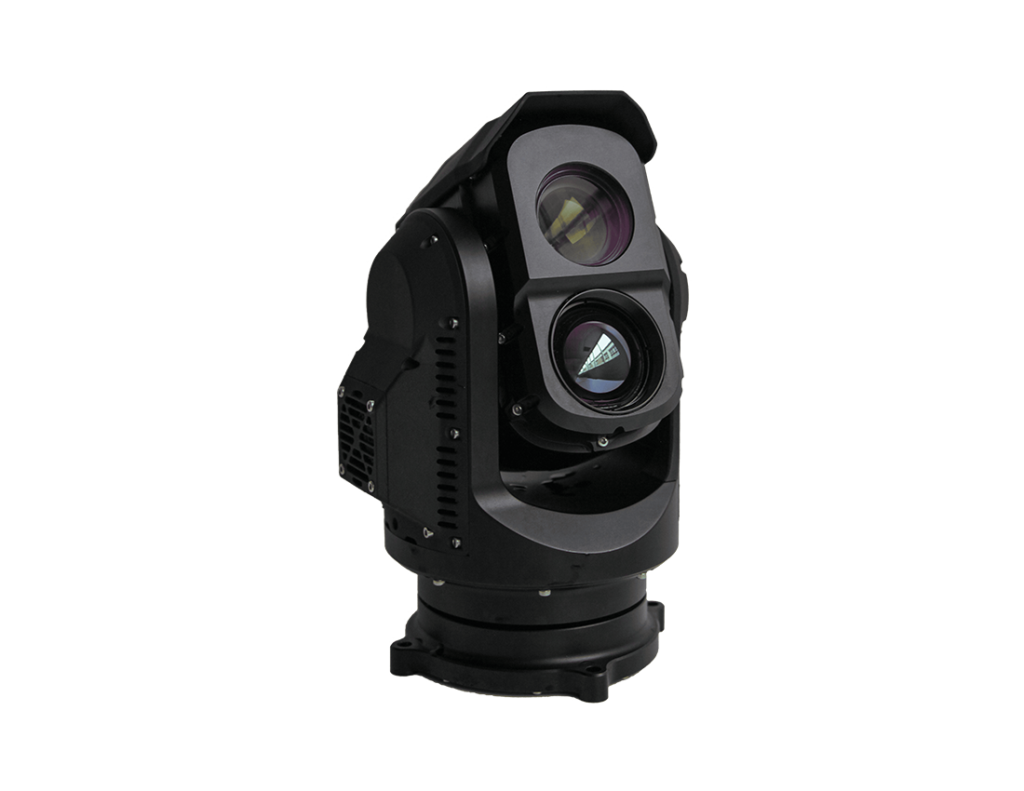
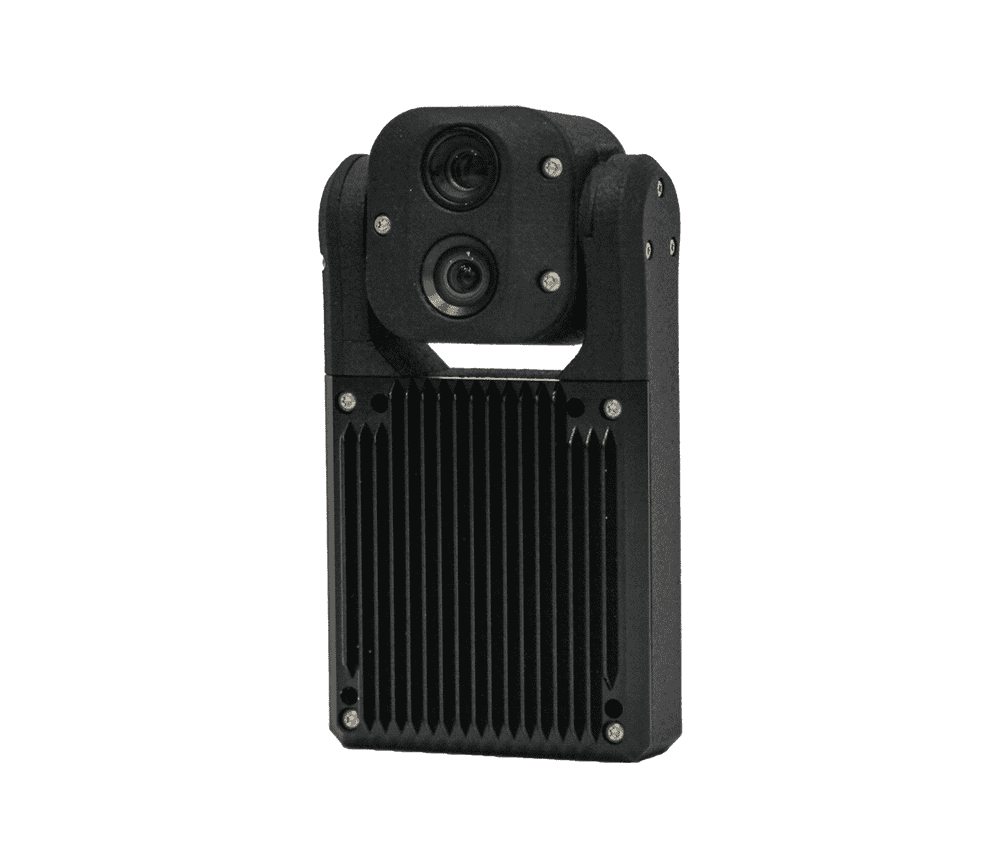
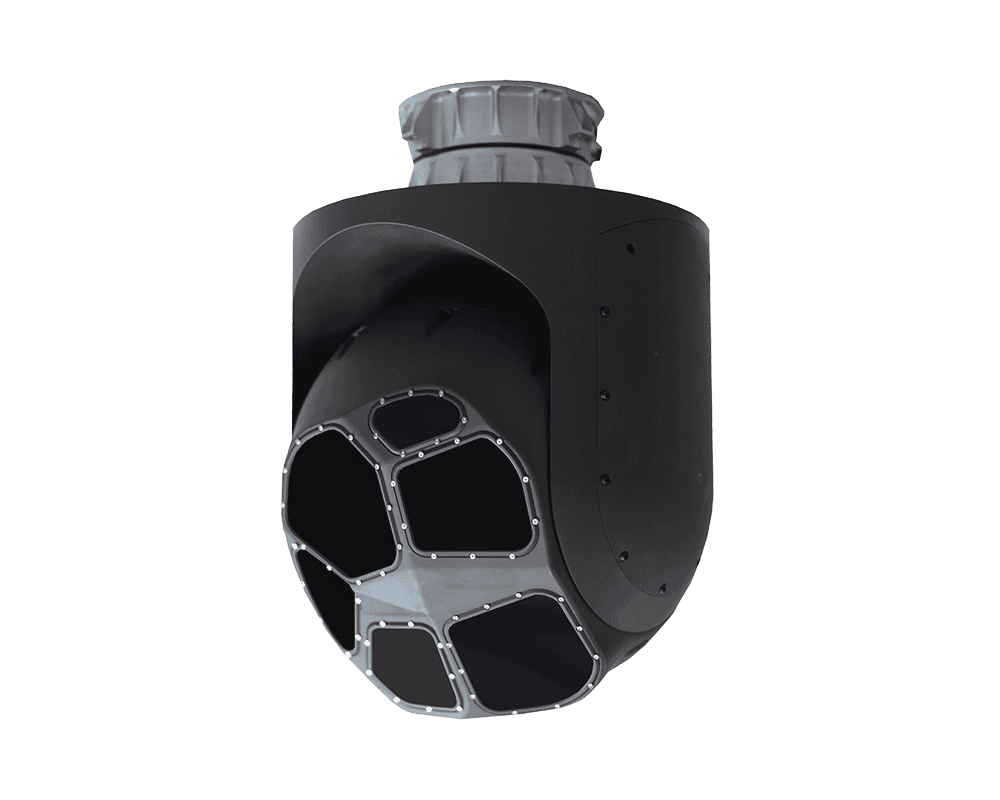
CACI’s EO/IR gimbal range demonstrates how different imaging technologies can be incorporated into individual payload configurations.
The CM62 Micro Gimbal combines high-definition EO imagery with a custom LWIR core in a compact, 260-gram system, delivering high-performance Intelligence, Surveillance and Reconnaissance (ISR) for small uncrewed aerial system operations.
The CM102 pairs EO imaging with long-range infrared in a two-axis gyro-stabilized system.
The larger CM234 gimbal integrates high-definition EO, MWIR and SWIR sensors alongside a laser range finder, laser target designator and laser pointer within a single four-axis stabilized payload.
These configurations illustrate different approaches to combining complementary imaging technologies, from compact EO/LWIR systems to payloads incorporating multiple imaging bands and laser components.
Matching Imaging Capabilities to Operational Needs
No single imaging technology addresses every operational requirement. Combining complementary sensors can provide backup coverage and support clearer image interpretation.
The appropriate configuration ultimately depends on the mission, operating environment and the platform’s available power, weight and cooling budget.