Xsens outlines the role of inertial sensing in Unmanned Aerial Vehicle (UAV) flight control and navigation, detailing how high-rate orientation data helps maintain stable attitude during turbulence, rapid maneuvers, and interruptions to satellite positioning.
The company also examines sensor output rates, module dimensions, synchronization, environmental robustness, and software integration considerations.
Combining Inertial Sensing with GNSS and RTK
Xsens explains how Inertial Measurement Units (IMUs) and Attitude and Heading Reference Systems (AHRS) complement Global Navigation Satellite System (GNSS) and Real-Time Kinematic (RTK) positioning.
While GNSS/RTK provides absolute position information, it operates at lower update rates and can experience signal degradation or loss. An IMU/AHRS supplies high-rate orientation data to the flight control loop, helping maintain stable attitude during turbulence and rapid maneuvers while supporting vehicle controllability and responsiveness when GNSS/RTK signals are disrupted.
Depending on the model, Xsens orientation outputs are available at rates of up to 400 Hz. Internal sensor sampling takes place at higher rates to preserve fast motion dynamics through Xsens strapdown integration and sensor fusion.
Compact Modules and Navigation Synchronization
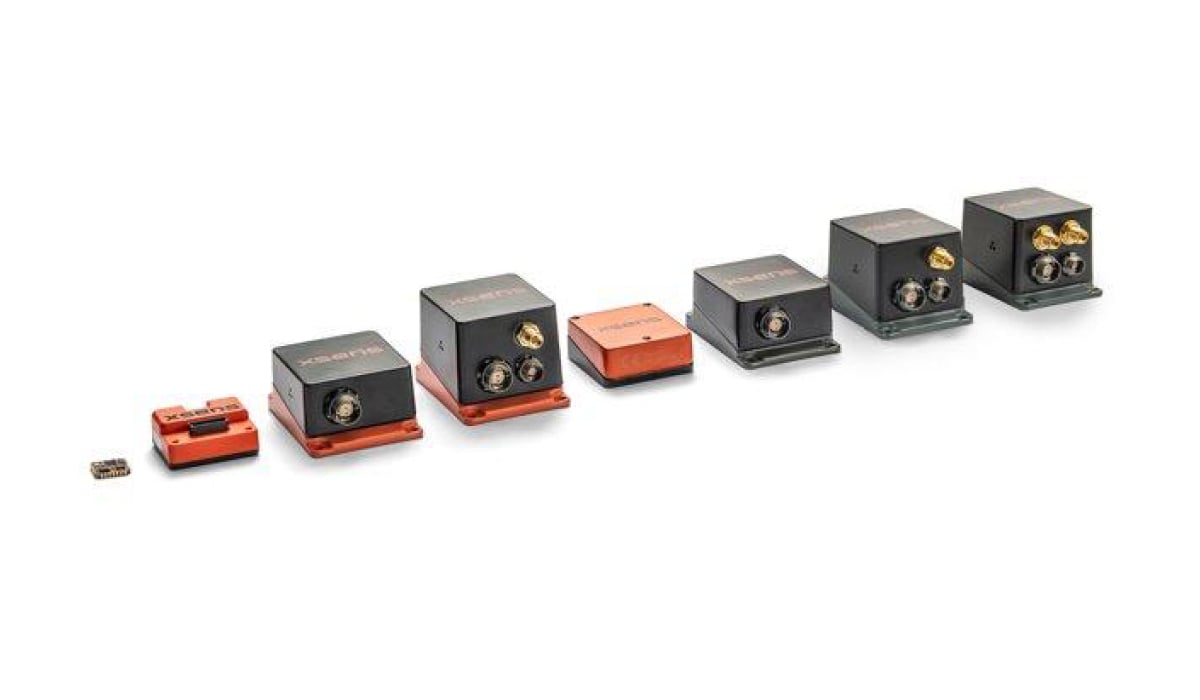
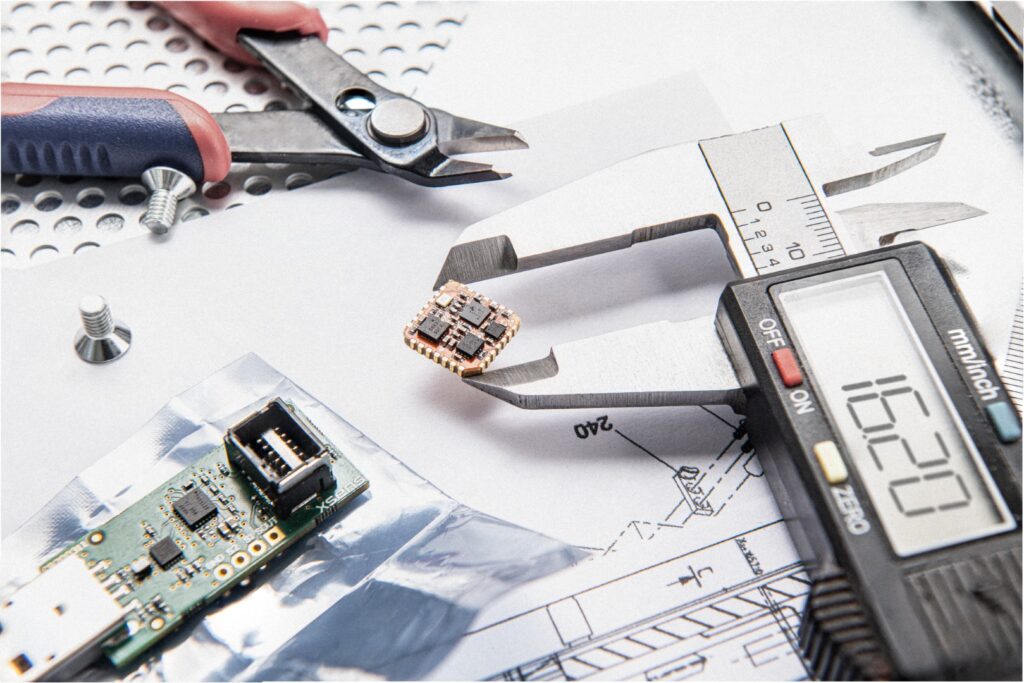
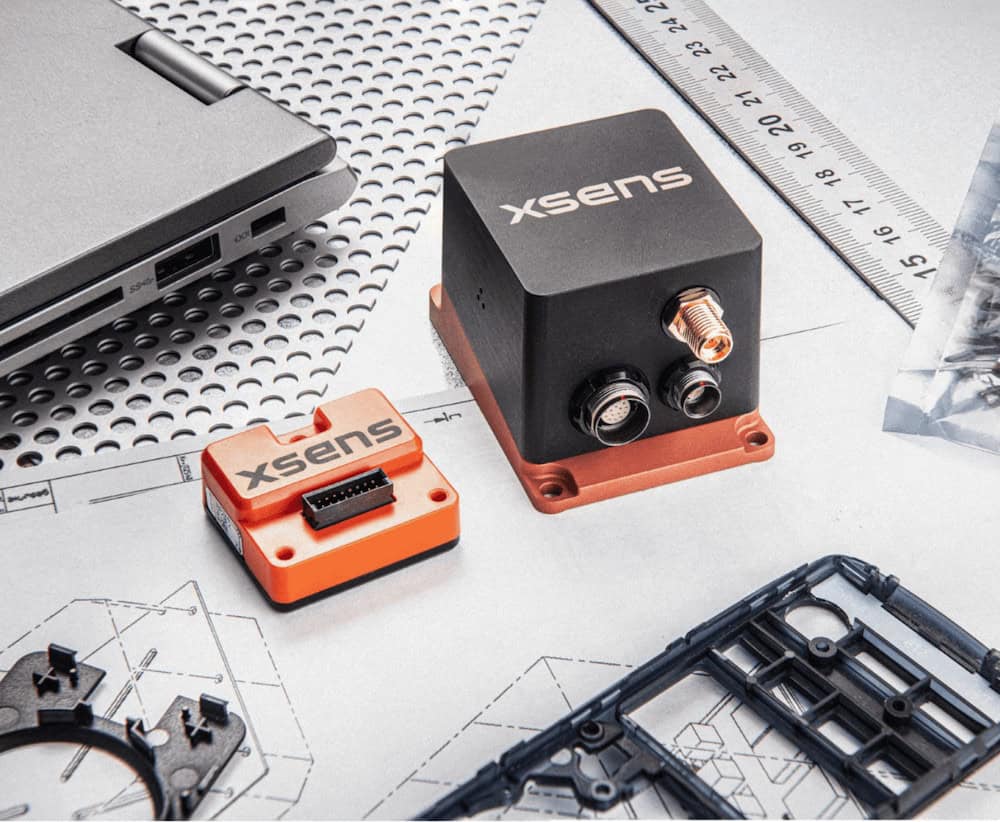
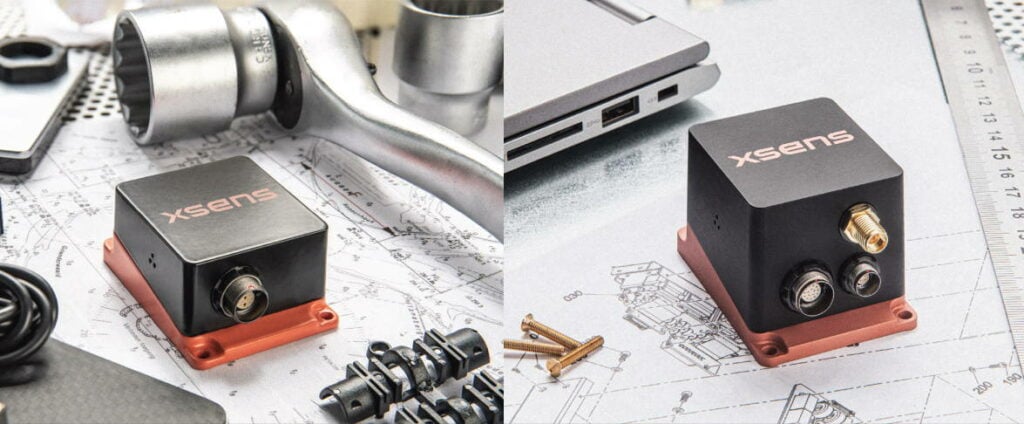
For space-constrained UAV designs, Xsens identifies its MTi 1-Series, featuring a 12 × 12 mm Surface-Mount Device (SMD) form factor, as a suitable option.
The series offers IMU, Vertical Reference Unit (VRU), and AHRS options that can be paired with external GNSS/RTK receivers at the system level.
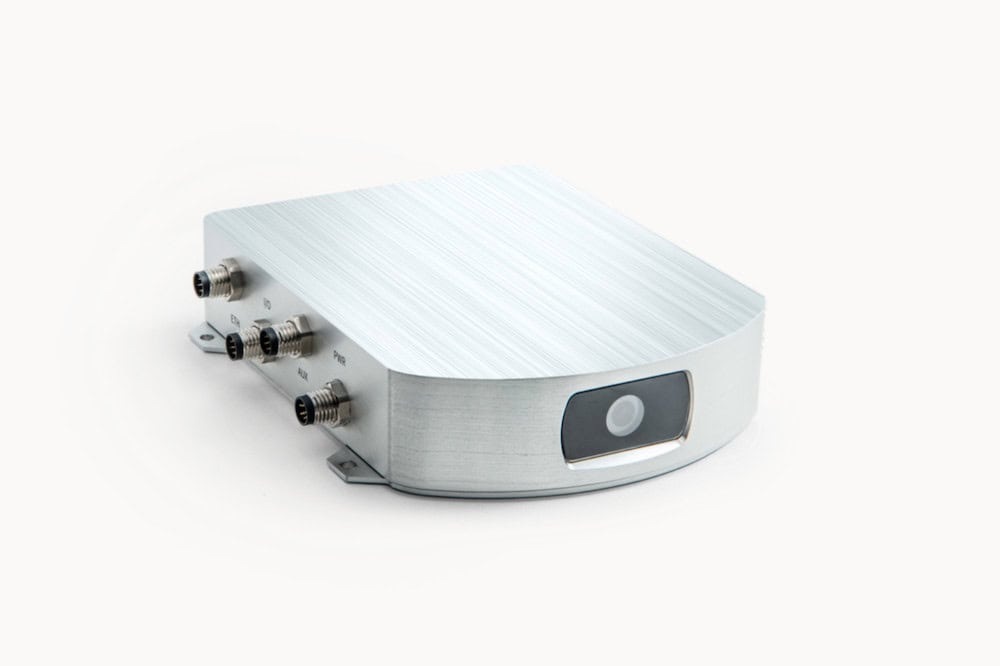
For applications requiring synchronized navigation measurements, Xsens GNSS/Inertial Navigation System (GNSS/INS) modules provide a single, time-aligned source of orientation, position, and velocity data.
The company also provides software and hardware synchronization options for integration with external receivers or controllers.
Maintaining Accuracy Under Challenging Conditions
Xsens details how its inertial modules address vibration, shocks, temperature changes, and magnetic disturbances.
The modules are factory-calibrated and incorporate filtering and sensor fusion techniques to maintain accuracy under these conditions. Rugged and Ingress Protection (IP)-rated options are also available on selected models.
Software Integration and UAV Prototyping
Xsens provides Software Development Kits (SDKs) and drivers for Robot Operating System (ROS) 1 and ROS 2, while compatibility with Pixhawk and ArduPilot remains in active development.
For initial UAV prototyping, Xsens development kits include cross-platform C, C++, and Python examples, open libraries, ROS drivers, and integration guides.
These resources support sensor integration and performance validation, allowing developers to evaluate Xsens inertial sensing solutions within their UAV systems.
For more information about inertial sensors for drones, visit the Xsens website.