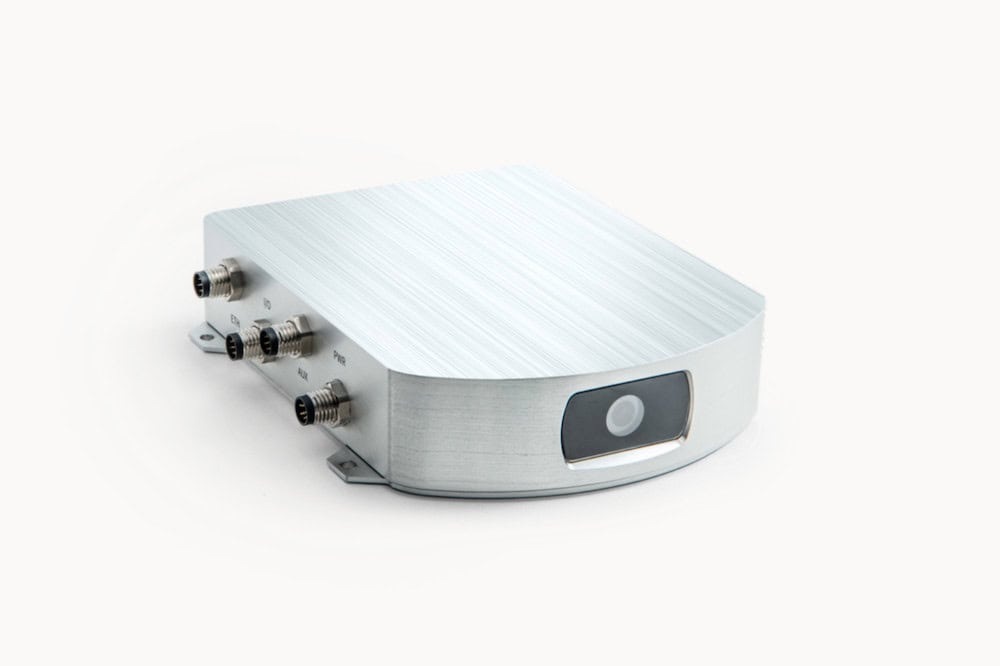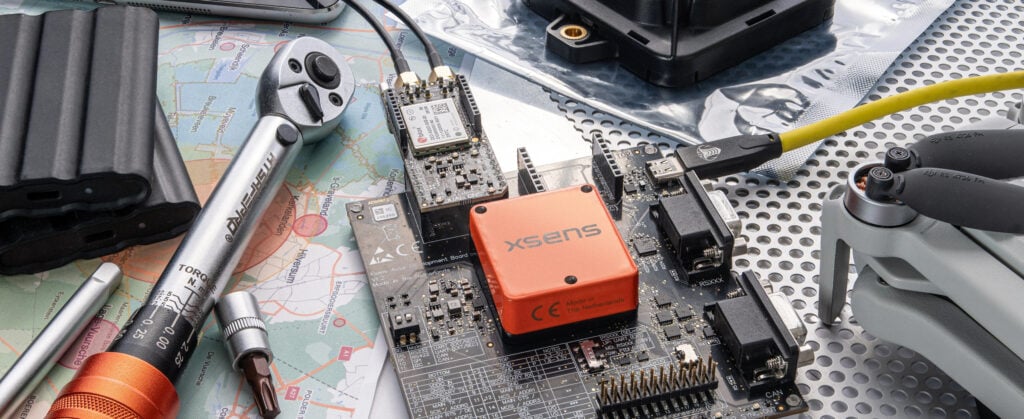
Xsens has introduced a dual-antenna RTK GNSS/INS solution designed to provide accurate position, orientation, true heading, and heave from startup without requiring platform motion.
Conventional single-antenna and magnetometer-based navigation systems often depend on movement to determine heading or suffer from interference caused by nearby metal, electrical equipment, and motors. This creates operational challenges for machinery, robotics, marine vessels, and stabilized platforms that operate at low speeds or from a complete standstill. By integrating the u-blox ZED-X20D all-band high-precision GNSS receiver with advanced sensor fusion technology, the new sensor module delivers centimeter-level positioning and motion-independent heading data.
Martijn van den Linden, Product Manager at Xsens, said, “This is an important addition to the Xsens portfolio. By combining Dual Antenna GNSS with our advanced sensor fusion, we can deliver even greater heading accuracy and centimeter-level positioning to applications that need dependable navigation data from startup. We see a particularly strong fit in slow-moving and stationary applications, where knowing both position and direction without waiting for motion can make integration and operation significantly faster and more reliable.”
The release strengthens the ongoing collaboration between Xsens and u-blox, whose positioning technologies are deployed across multiple products in the Xsens inertial sensor lineup.
JunJun Lu, Principal Product Manager at u-blox, added, “At u-blox, we know that strong technology partnerships are essential to turn high-precision positioning into successful customer solutions. Xsens is a trusted, long-standing partner with whom we already collaborate across other parts of its sensor portfolio. By integrating reliable and out-of-the-box ZED-X20D all-band heading solution, we are combining complementary expertise to help our shared customers shorten development time, deploy with confidence, and maximize the success of their applications.”
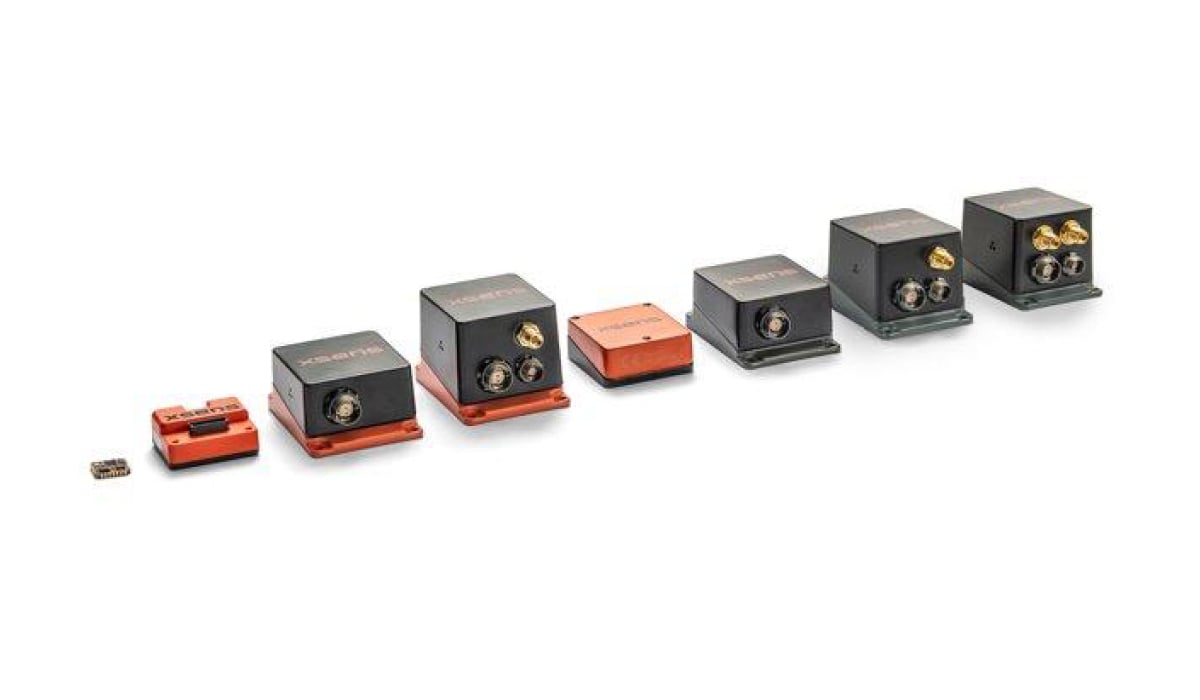
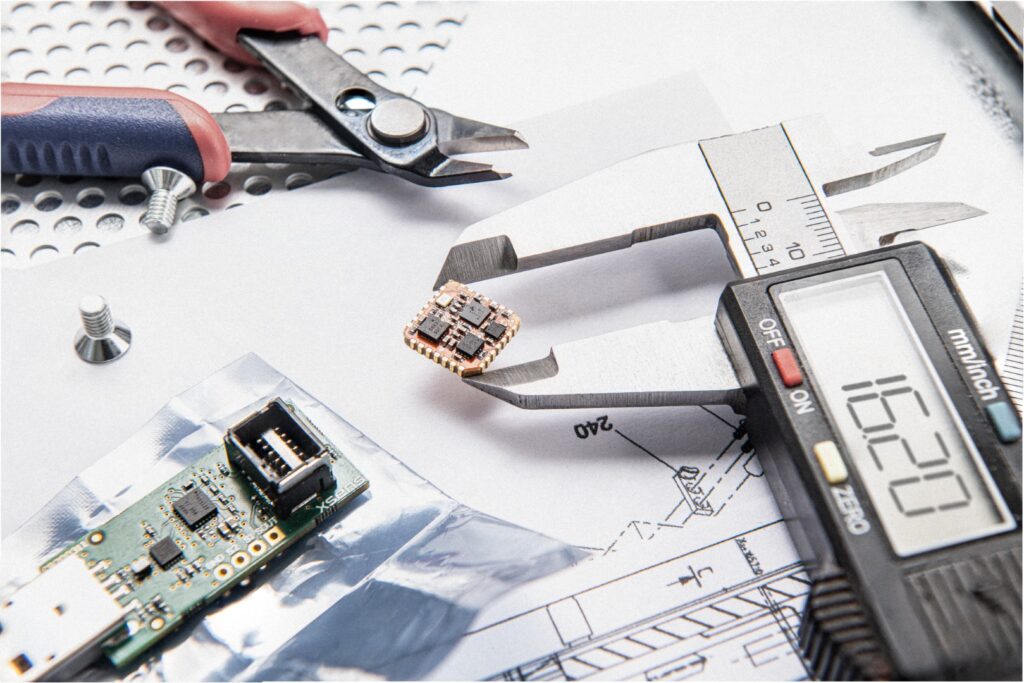
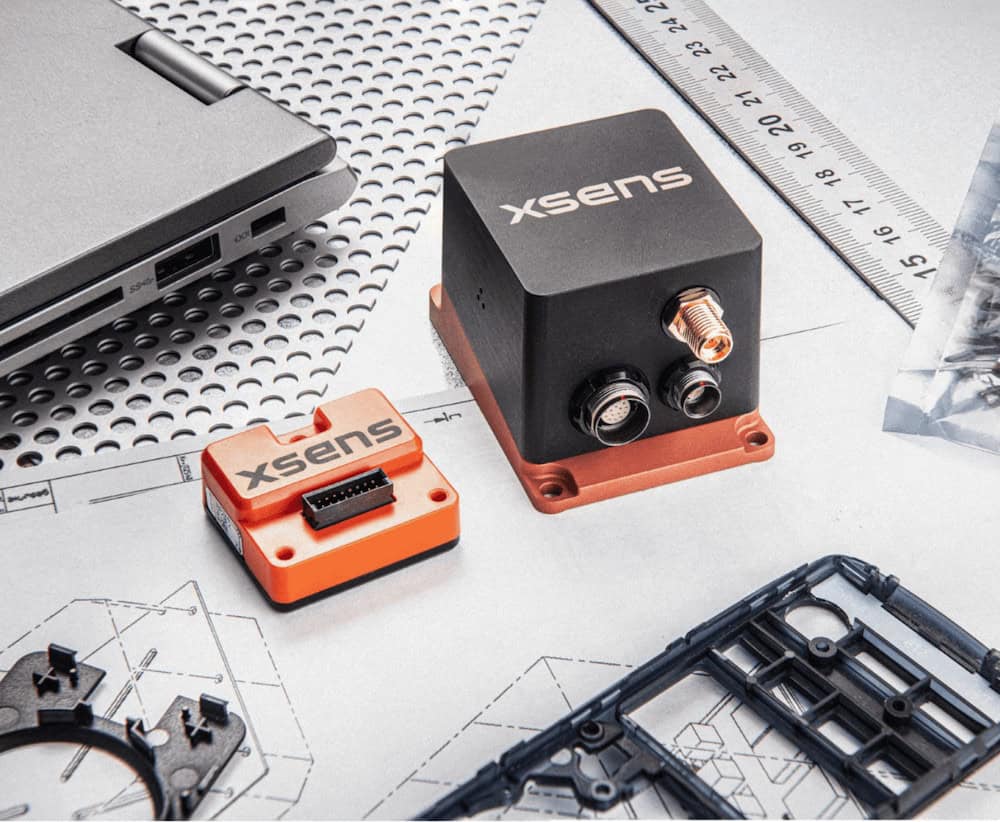
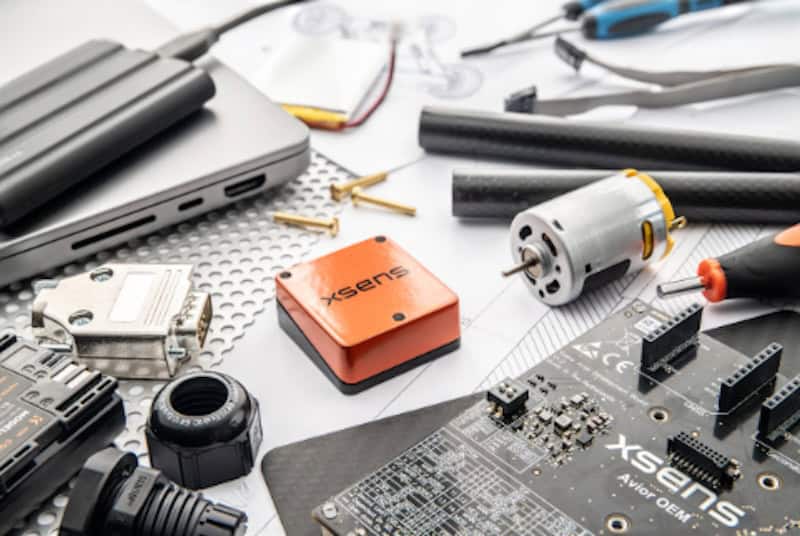
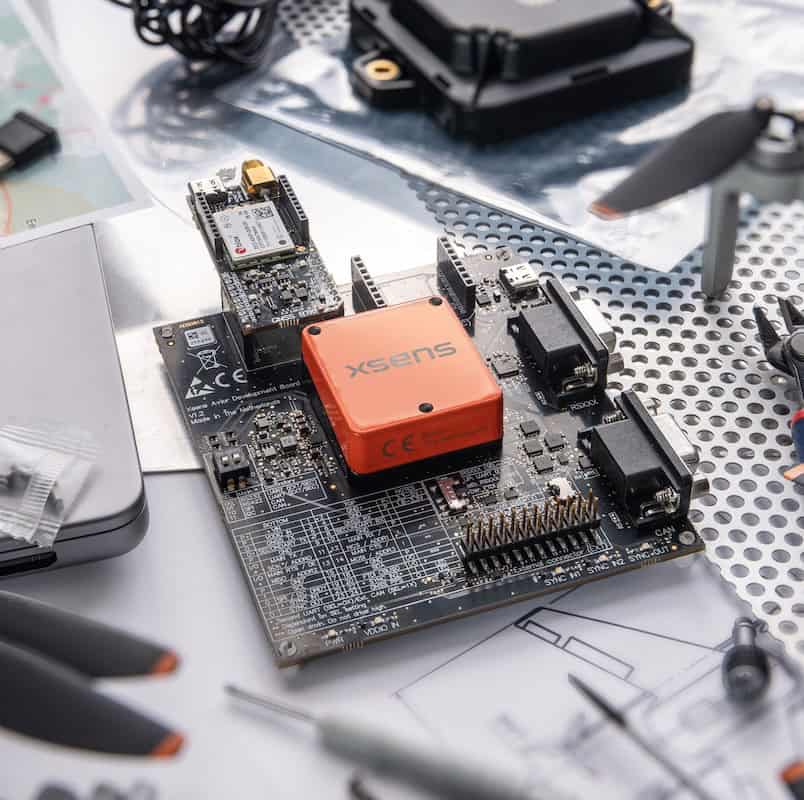
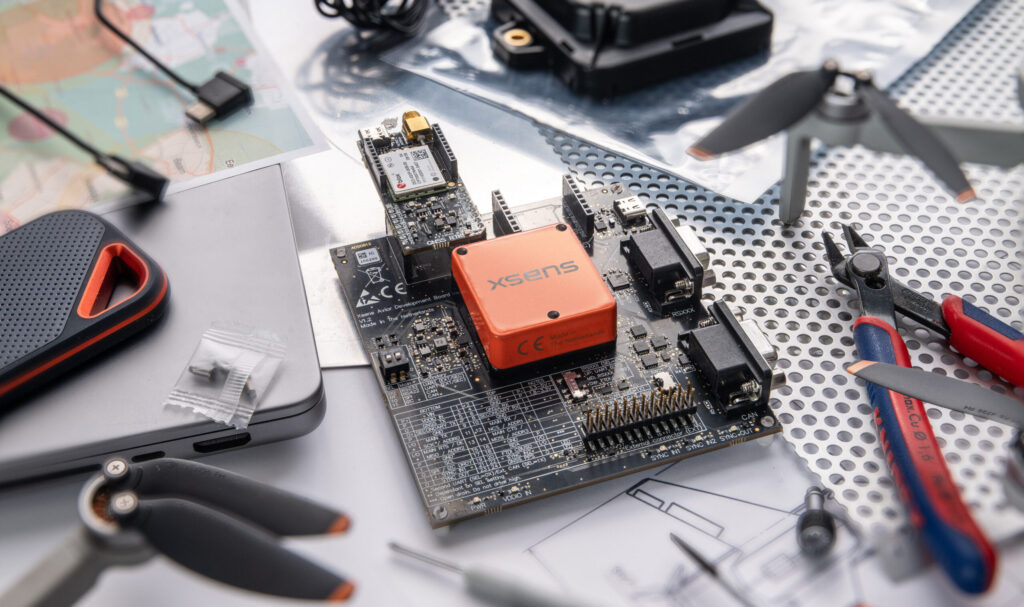
The system will be released in two distinct hardware configurations to meet different integration needs. The Avior Dual Antenna is a compact, lightweight module designed for original equipment manufacturers requiring embedded integration and scalability. It supports integration with various external GNSS receivers for flexible design architectures.
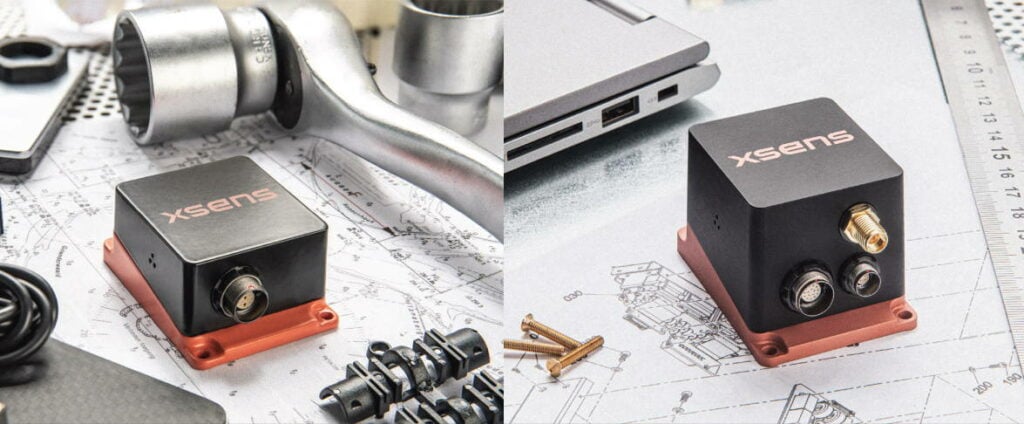
For harsh environments, the Sirius Dual Antenna offers the same underlying navigation capabilities within an IP68-rated aluminum enclosure. Built to withstand environmental exposure, the Sirius unit is tested to MIL-STD-202 standards for shock and vibration, operates across a temperature range of -40°C to +85°C, and supports RS232, RS422, CAN, and CAN-FD communication interfaces.
The Xsens Dual Antenna RTK GNSS/INS solution debuts in September 2026 and will be showcased at INTERGEO 2026, with full availability and order processing to follow.