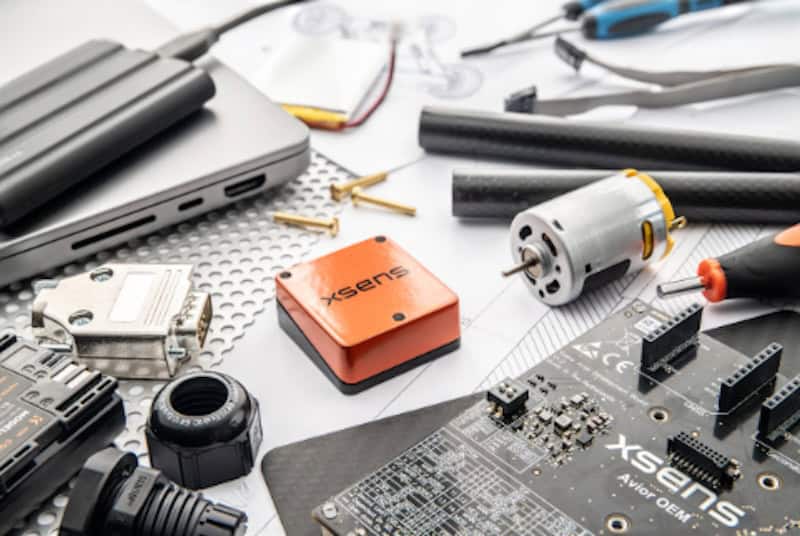
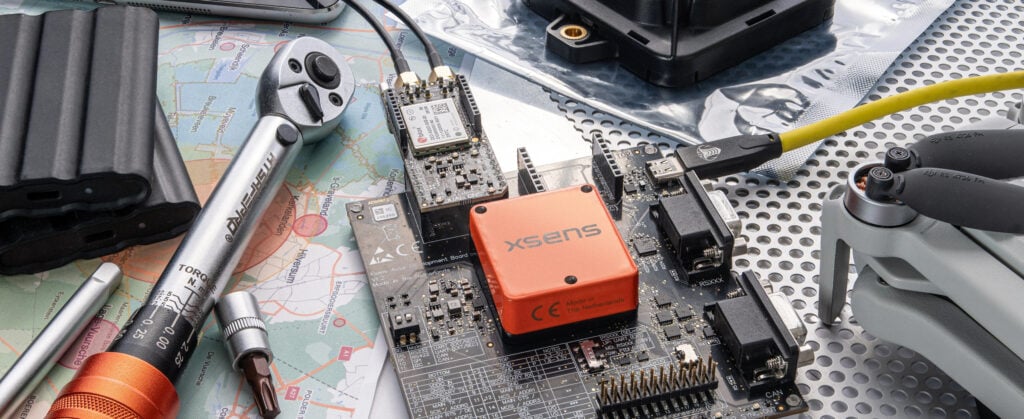
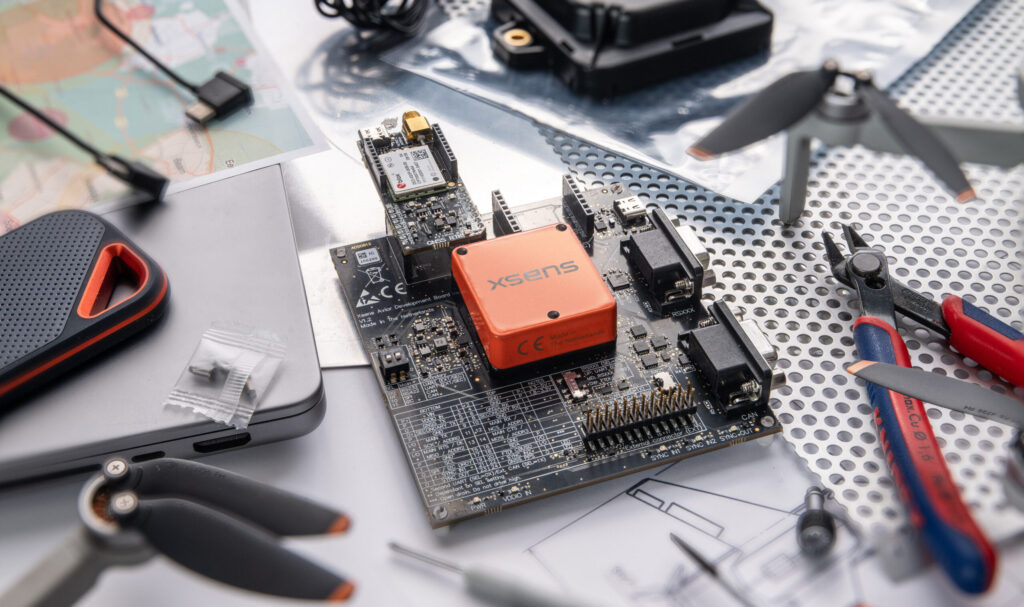
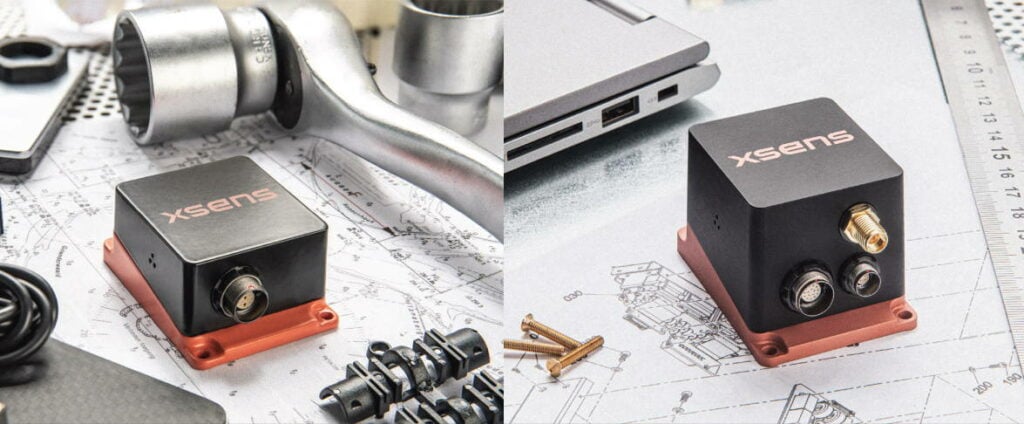
Xsens is a leading developer of compact, high-performance inertial sensing modules with advanced sensor fusion for precise navigation, orientation and stabilization in unmanned and autonomous systems.
Unmanned Systems Technology (UST) is pleased to announce the addition of Xsens to our global supplier ecosystem. As a Gold package member, the company is showcasing its portfolio of low-SWaP inertial sensing solutions, which are ideal for a wide range of platforms in all domains.
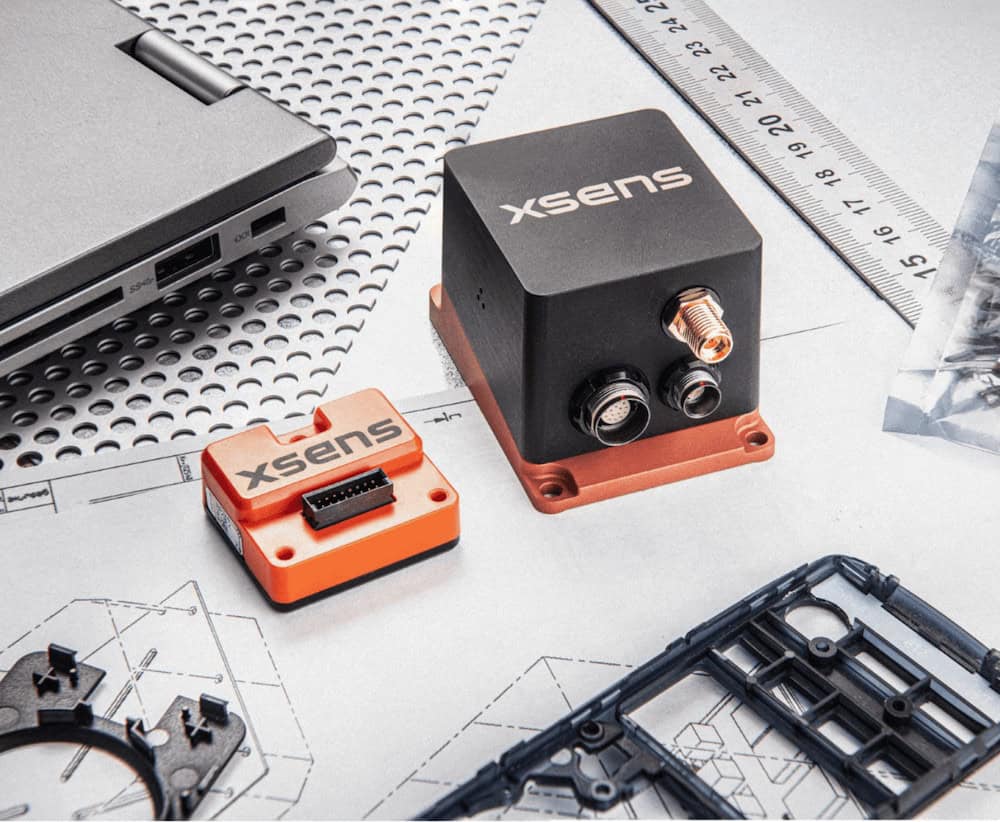
Xsens’ industrial-grade modules combine compact form factors with advanced onboard sensor fusion, eliminating the need for external processing while ensuring robust and reliable data output. Individually factory-calibrated and designed with strong magnetic immunity, the company’s solutions are compatible with Pixhawk/Ardupilot and ROS for seamless integration.
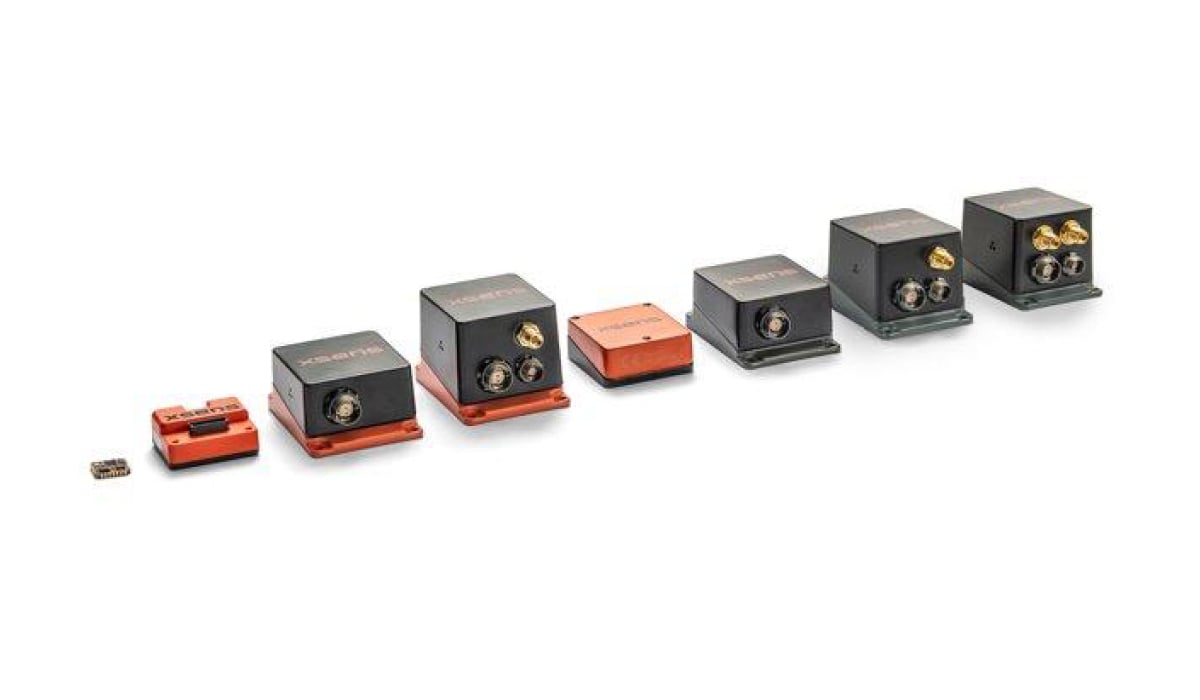
The company’s product portfolio includes:
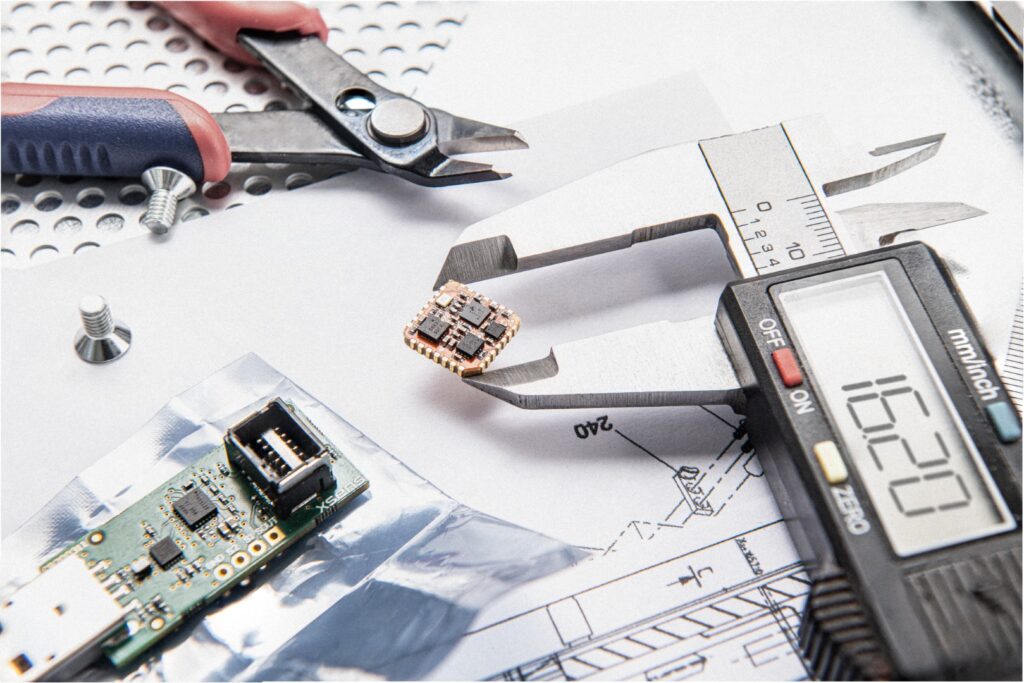
 MTi 1-Series – Ultra-compact 12 x 12 mm modules with built-in sensor fusion, offering up to 0.5° RMS roll/pitch accuracy and RTK-enabled positioning down to 1 cm + 1 ppm CEP.
MTi 600-Series – Industrial-grade IMU through to RTK GNSS/INS product line with rugged and OEM options, delivering up to 0.2° RMS roll/pitch and 0.5° RMS yaw/heading accuracy.
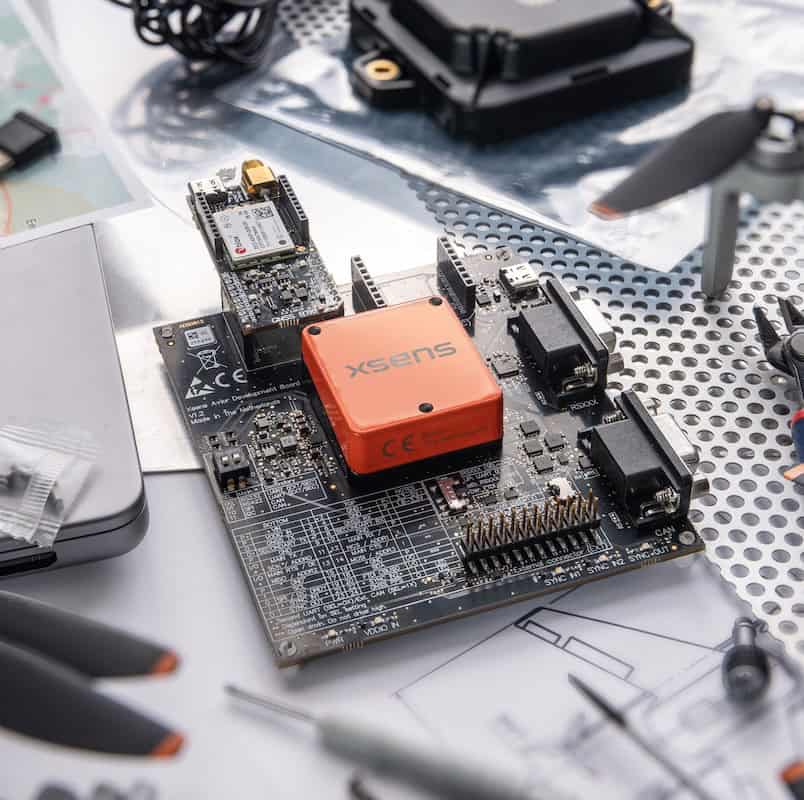
 Avior Series – Next-generation OEM inertial sensors with low SWaP-C footprint, enhanced gyroscopes and analog filtering, and flexible interface options including UART, RS-232/422 and CAN.
Sirius Series – MIL-STD and IP68-rated rugged modules for harsh environments, providing high-accuracy stabilization and navigation for demanding aerial, ground and subsea applications.
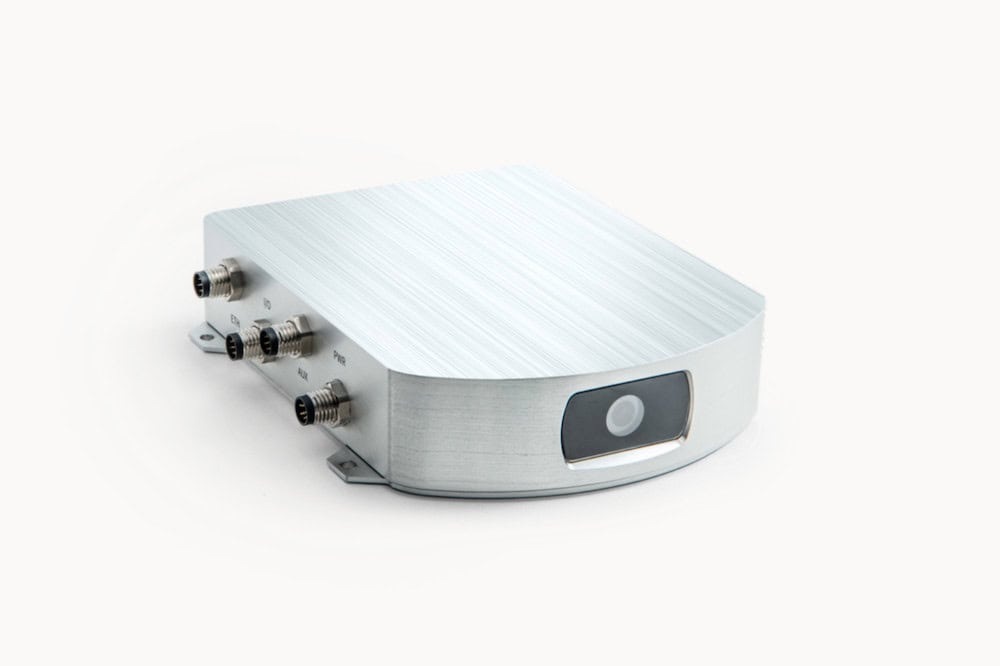
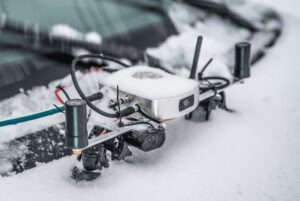 Vision Navigator – A combined dual-RTK GNSS, IMU and visual-inertial odometry solution delivering resilient, distance-dependent positioning accuracy even in GNSS-denied environments.
With solutions spanning IMU, VRU, AHRS, GNSS-INS and RTK GNSS-INS capabilities, Xsens supports system integrators and OEMs seeking reliable, compact and cost-effective inertial sensing technologies. The company’s portfolio enables accurate flight stabilization, mapping, and autonomous navigation across a variety of challenging operational requirements.
To learn more about Xsens’ low-SWaP inertial sensing solutions for unmanned systems, visit their full profile on Unmanned Systems Technology.