
UAV Propulsion Tech outlines the component requirements involved in developing Unmanned Aerial Vehicles (UAVs) for Intelligence, Surveillance, and Reconnaissance (ISR) missions, where endurance, payload stability, sensing performance, and system availability are influenced by multiple onboard systems.
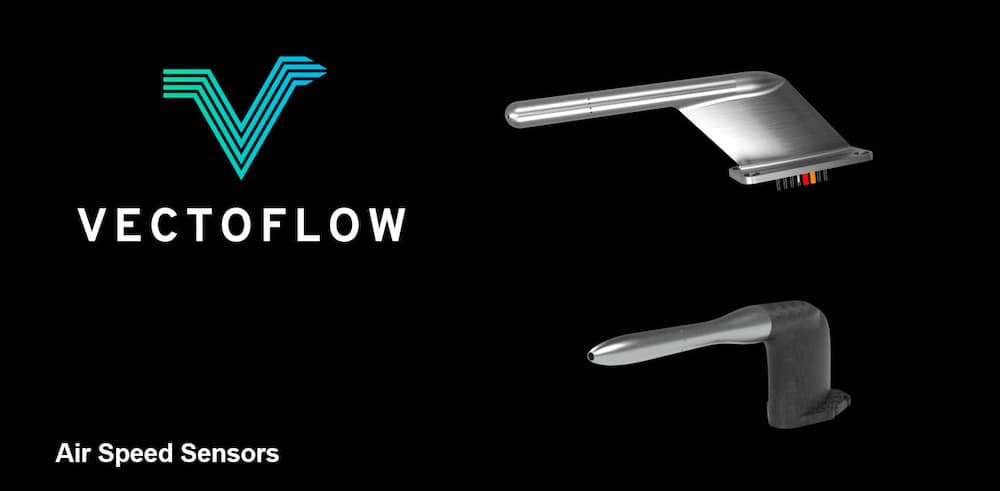
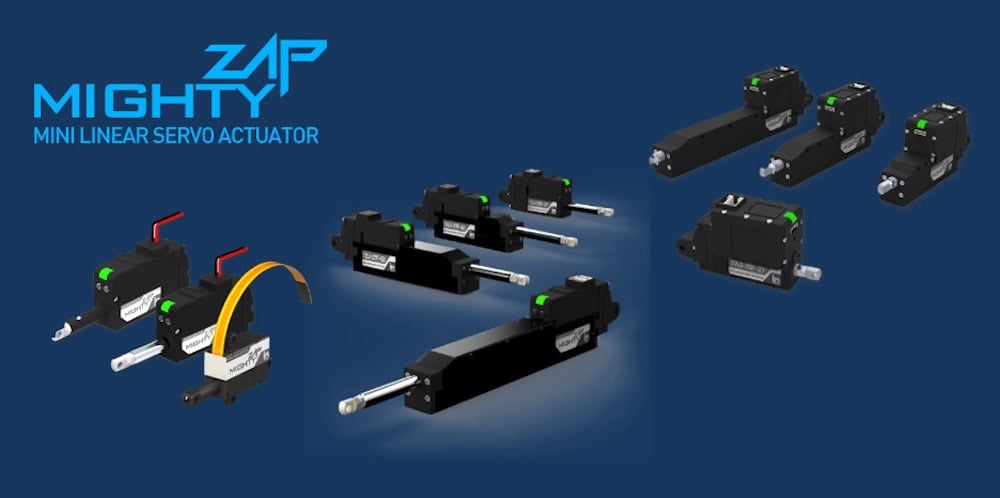
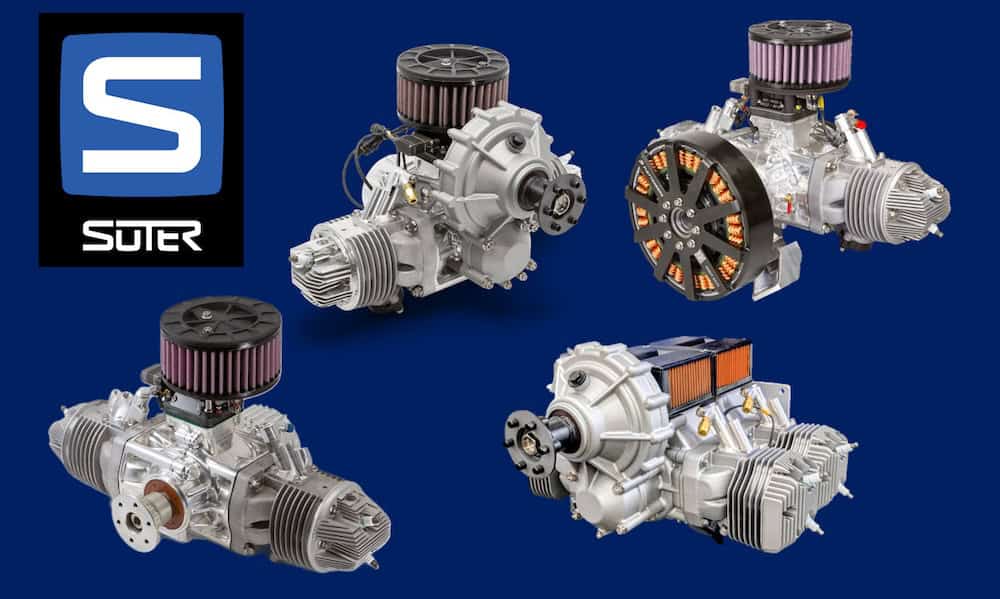
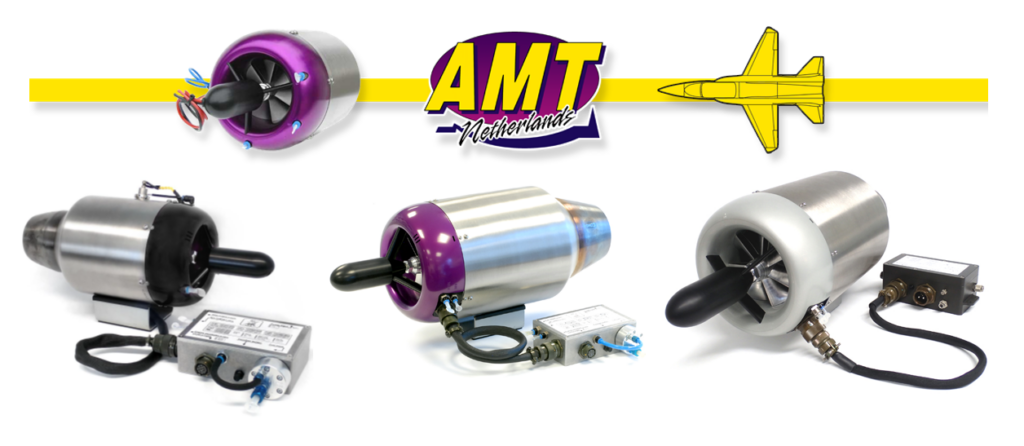
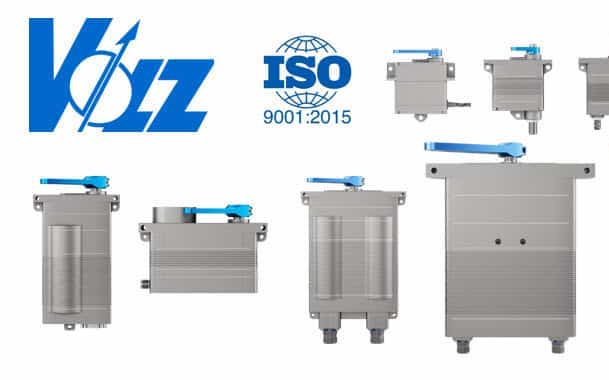
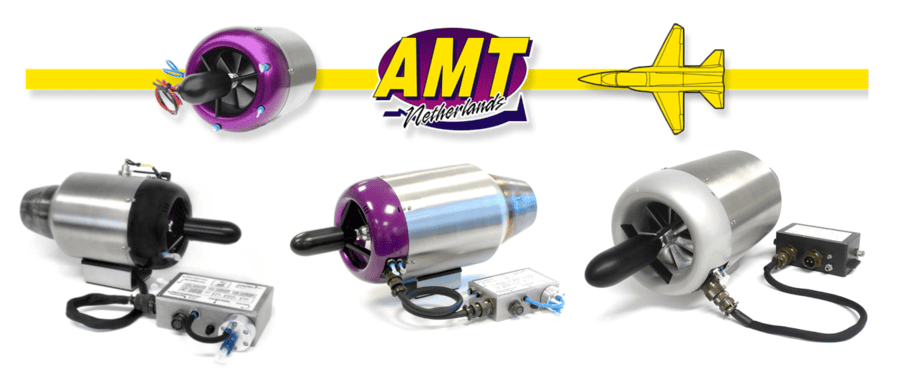
The company supplies Commercial Off-The-Shelf (COTS) and custom UAV technologies including propulsion and engines, fuel and engine sensors, navigation systems and autopilots, servos, fuel systems, propellers, fuel cells, transponders, EO/IR gimbals, sensors, launch systems, and recovery parachutes.
Component requirements are shaped by the aircraft’s mission and operating duration. A platform intended for short visual reconnaissance may require a different architecture from one designed for persistent surveillance, operation across changing environmental conditions, or the combination of several intelligence sources.
Small amounts of vibration can affect imagery, temperature changes can alter sensor performance, communications faults may interrupt intelligence flow, and component failure can make an otherwise capable aircraft unavailable. Selection therefore needs to account for more than acquisition cost alone.
Propulsion and Payload Integration
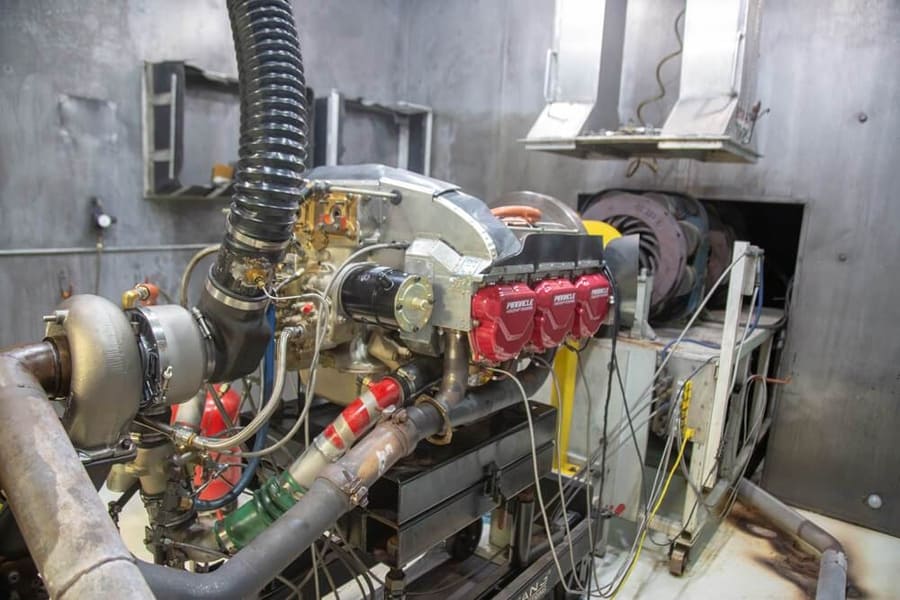
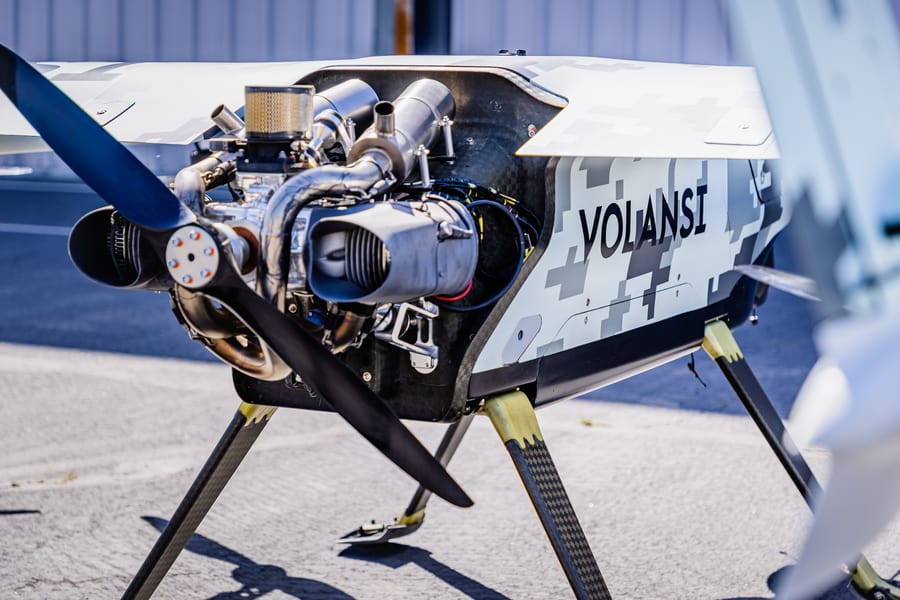
Propulsion systems must provide sufficient power while supporting payload capacity, endurance, thermal stability, and reliability. In some architectures, the propulsion system can also provide electrical power for avionics and payloads.
For long-endurance ISR UAVs, the relationship between power, weight, fuel consumption, reliability, and electrical requirements can be more important than maximum horsepower alone.
Vibration control is also important. Reducing vibration transmission to the payload can help protect camera performance, creating a close relationship between propulsion integration and sensing quality.
EO/IR payloads rely on imaging sensors, lenses and optical assemblies, stabilization mechanisms, processing electronics, thermal management systems, and supporting avionics. Their requirements depend not only on resolution, but also on maintaining consistent performance under vibration, temperature changes, and extended operation.
Power, Processing, and Electronic Payloads
SAR and moving-target-indicator systems, signals intelligence and electronic sensing capabilities, communications relay equipment, and tactical processing systems can place substantial demands on power, thermal management, data processing, timing, antennas, and communications infrastructure.
ISR engineering therefore involves managing interactions between components rather than optimizing each one independently.
Power regulation, thermal control, flight computers, navigation systems, data buses, storage, and processing hardware also play an important supporting role. Failure in these systems can prevent the primary payload from operating effectively.
As payloads become more capable, aircraft must also manage increasing quantities of information while maintaining predictable performance over the intended service life.
Matching Components to ISR Requirements
UAV Propulsion Tech supports UAV programs with both COTS and custom hardware, allowing component sourcing to begin with established solutions and progress toward more tailored systems as requirements become more specific.
The company has more than 20 years of UAV industry experience and works with an international supplier network spanning Europe, Israel, India, and other markets.
The most suitable ISR component is not necessarily the one with the strongest specification in isolation. Weight, power, environmental requirements, endurance, integration, and reliability must all be considered in relation to the complete aircraft.
For more information, visit the UAV Propulsion Tech website.