


Showcase your capabilities
If you design, build or supply Remote ID Receivers, create a profile to showcase your capabilities and connect with visitors who have an active requirement for your solutions.




Remote ID receivers are wireless detection devices that receive and decode identification and flight data broadcast by drones and Unmanned Aerial Vehicles (UAVs), supporting drone tracking, identification, and airspace situational awareness. Available as portable drone ID scanners, fixed monitoring stations, vehicle-mounted systems, and embedded receiver modules, these devices can support Bluetooth and Wi-Fi Remote ID broadcast protocols.
This page features suppliers of Remote ID receivers for Unmanned Traffic Management (UTM), Counter-Unmanned Aircraft Systems (C-UAS), airport monitoring, critical infrastructure protection, and public safety.
Read the Technology Overview

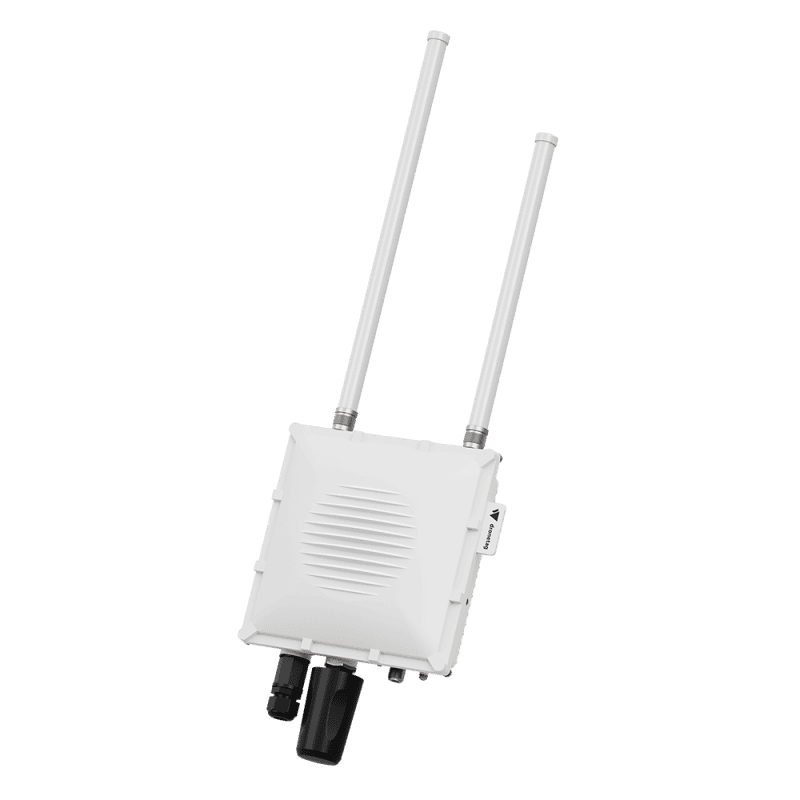
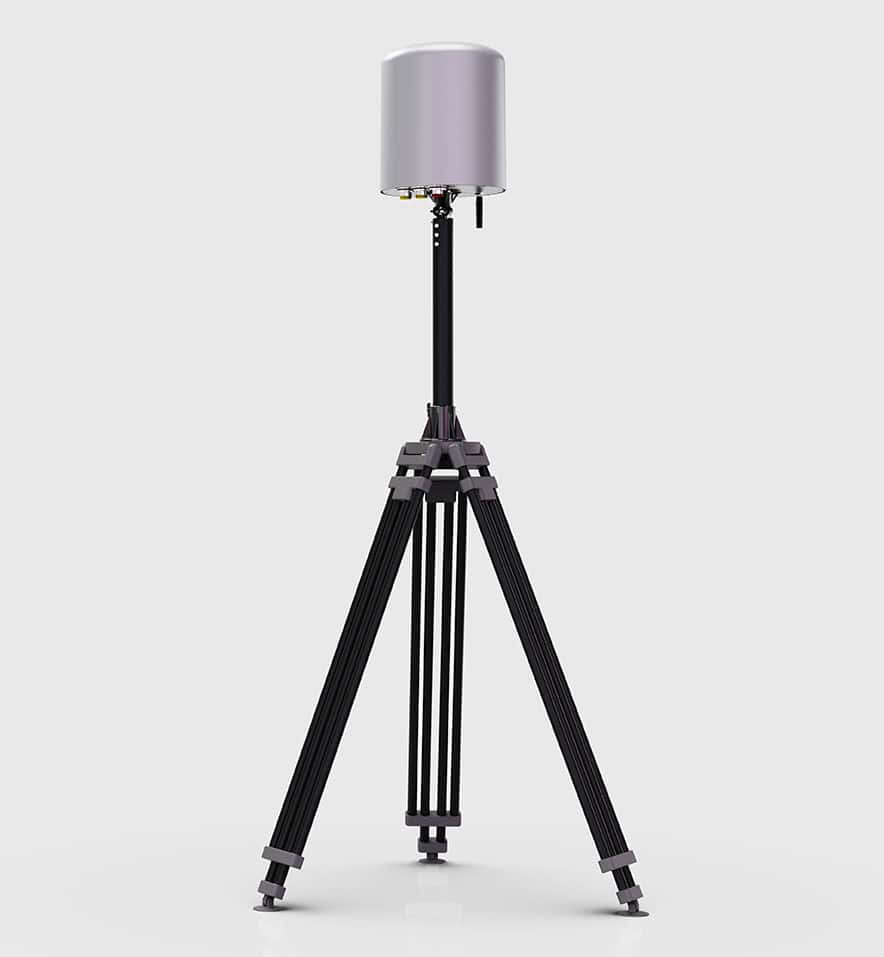
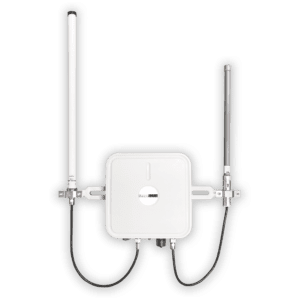
| Overview | Products | Link | ||
|---|---|---|---|---|
| LZ Tech | China | Cutting-Edge Low-Altitude Counter-Drone Solutions |
|
View Profile |
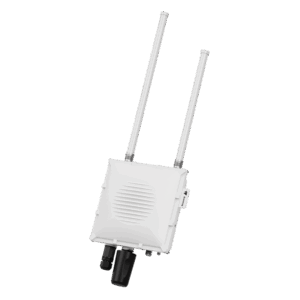
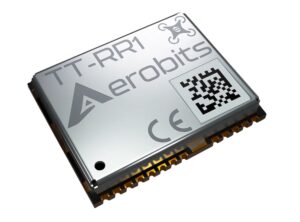
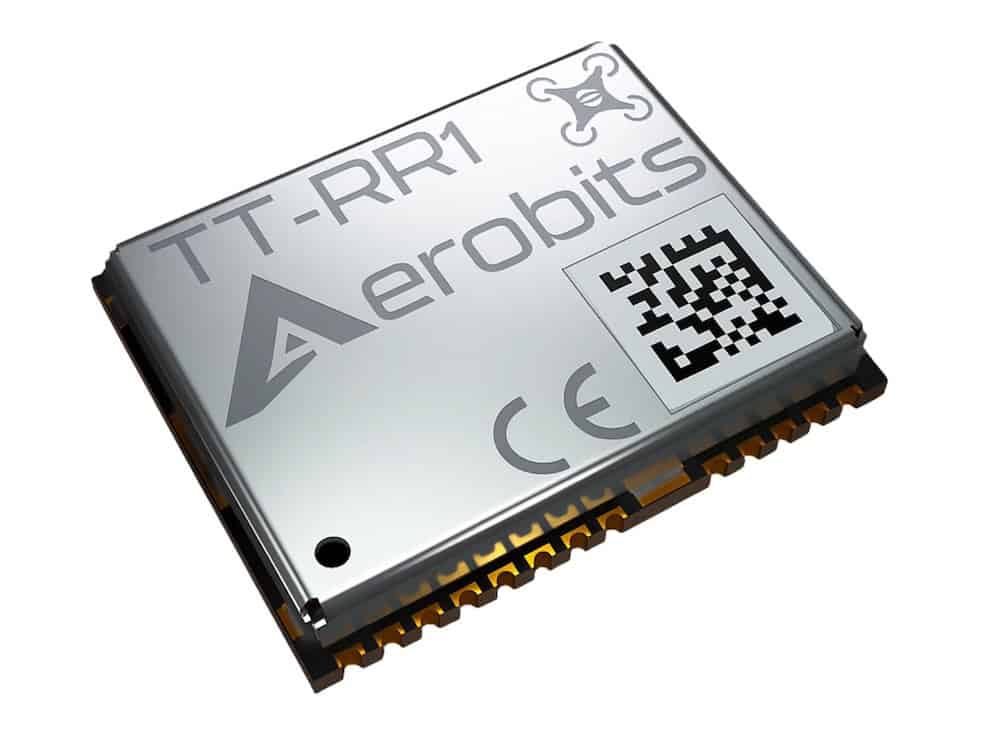
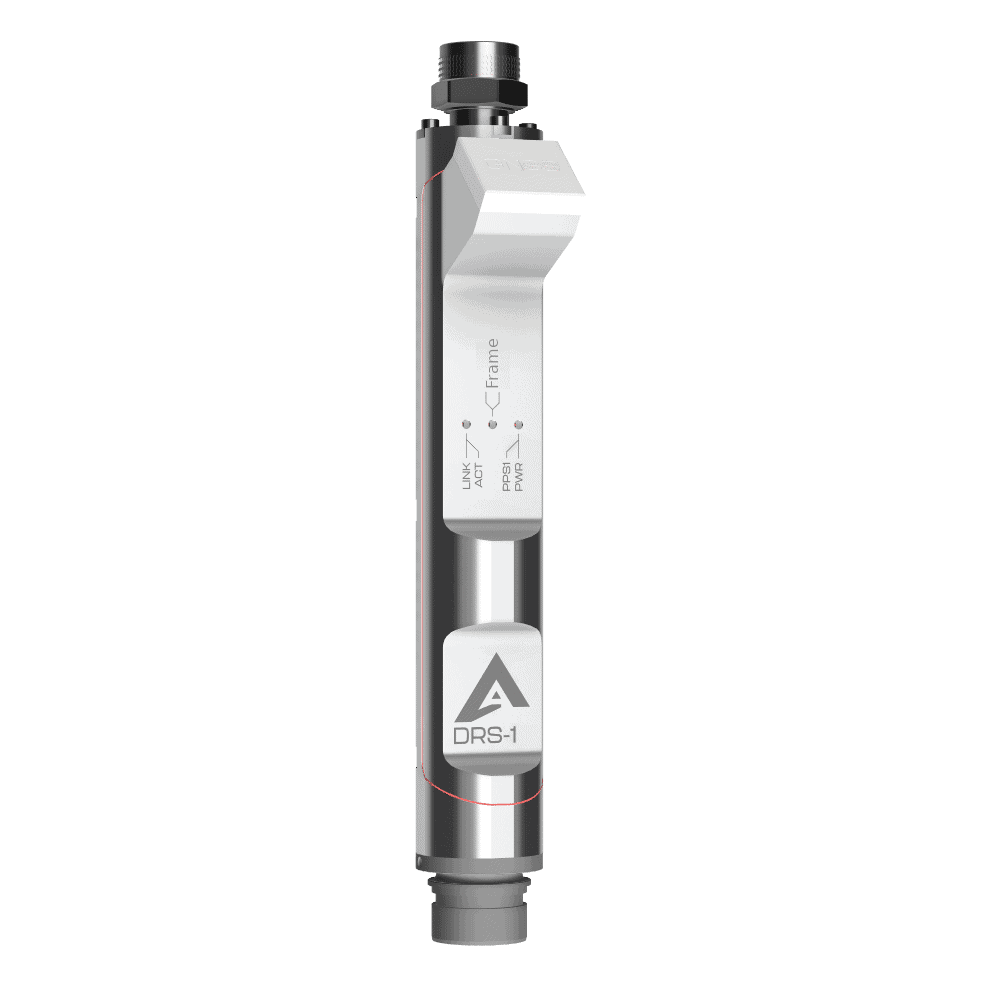
| Aerobits | Poland | Miniature OEM Remote ID Modules, UAV Identification Transceivers & Tracking Systems |
|
View Profile |
| Dronetag | Czech Republic | Remote ID & Airspace Awareness Solutions for UAV Pilots, Drone Manufacturers & Law Enforcement Units |
|
View Profile |
If you design, build or supply Remote ID Receivers, create a profile to showcase your capabilities and connect with visitors who have an active requirement for your solutions.

Remote ID receivers are wireless detection devices designed to receive and decode identification and flight data broadcast by Unmanned Aerial Vehicles (UAVs). These devices incorporate antennas, wireless receiver hardware, and processing electronics to extract aircraft identifiers, positional information, and other broadcast data, supporting drone tracking, identification, and airspace situational awareness.
Remote ID receivers are available as portable drone ID scanners, fixed monitoring stations, embedded receiver modules, and networked detection systems for Unmanned Traffic Management (UTM), Counter-Unmanned Aircraft Systems (C-UAS), critical infrastructure protection, and public safety applications.
Remote ID receivers are available in several hardware configurations and deployment architectures to suit different operational and monitoring requirements:
Fixed-site and mobile receivers can also operate as part of a wider networked monitoring infrastructure.
Broadcast Remote ID uses wireless communication protocols that enable receivers to collect identification messages without establishing a paired connection with the aircraft. Supported broadcast mechanisms can include:
Multi-protocol Remote ID receivers can provide compatibility with a broader range of aircraft broadcast configurations, operating frequency bands, and regional technical requirements. Direct reception of broadcast Remote ID messages does not require internet connectivity.
A drone ID scanner passively monitors wireless communication channels for compatible Remote ID transmissions. Depending on the applicable standard and broadcast configuration, received messages can contain aircraft serial numbers, session identifiers, and operator registration identifiers. Establishing the identity of an operator may require access to authorized registration records.
Remote ID receivers decode aircraft-reported flight and positional data, enabling monitoring software to display aircraft locations, altitude, velocity, and flight trajectories. Control station, remote pilot, or takeoff location information may also be available, depending on the Remote ID implementation. Positional information is derived from broadcast data rather than independent measurements performed by the receiver.
Receivers with sufficient processing capacity can collect and decode messages from multiple UAVs operating within the same airspace. Monitoring software associates incoming messages with individual aircraft identifiers, maintaining separate tracks for concurrent drone monitoring.
Integrated or external monitoring software can display aircraft information on digital maps, record historical flight activity, and export received data. Timestamped identification and positional records support operational analysis, incident investigation, and reporting.
Remote ID monitoring platforms equipped with geofencing functionality can compare reported aircraft positions against predefined geographical boundaries. Automated notifications can alert personnel when detected drones enter or approach designated monitoring zones.
Distributed Remote ID receivers can provide supplementary aircraft identification and positional data to UTM platforms, contributing to cooperative drone traffic awareness and low-altitude airspace monitoring. Networked receiver infrastructure can also support monitoring around designated UAV operating corridors.
Remote ID receivers complement radar, Radio Frequency (RF) detection, and electro-optical sensors within integrated C-UAS architectures. Broadcast identification and positional data can be correlated with observations from other sensors to improve situational awareness. Remote ID receivers cannot independently detect aircraft that do not transmit compatible messages, and received data may be susceptible to spoofing.
Fixed-site and networked drone Remote ID receivers support monitoring around airports, airfields, and designated flight zones. Received identification and positional data provide visibility of broadcasting drones within reception range, supplementing existing airspace surveillance infrastructure.
Remote ID monitoring systems support security operations around energy facilities, ports, industrial sites, and other sensitive locations. Integration with wider surveillance and security infrastructure enables personnel to monitor the activity of broadcasting aircraft around protected areas.
Portable and vehicle-mounted receivers enable personnel to monitor nearby drone activity, assess reported aircraft positions, and obtain available control station, remote pilot, or takeoff location information. These capabilities support incident response, event security, and investigations involving UAV operations.
Remote ID receiver interoperability depends on compatibility with applicable aircraft broadcast specifications and regional regulatory requirements. Relevant standards and regulations include:
These regulatory requirements primarily govern aircraft Remote ID broadcasting capabilities rather than establishing dedicated receiver certification requirements. Receiver compatibility should be evaluated against the broadcast protocols, frequency bands, message formats, and standard revisions implemented by aircraft within the intended operating environment.
Engineers, system integrators, and procurement teams should consider the following technical and operational requirements when sourcing Remote ID receivers:
Distributed receiver architectures may be preferable where the coverage of individual receivers is restricted by terrain, buildings, or other environmental obstructions, while compact standalone receivers can provide localized monitoring with minimal supporting infrastructure.


 Searching Companies & Products