
Showcase your capabilities
If you design, build or supply Loitering Munitions, create a profile to showcase your capabilities and connect with visitors who have an active requirement for your solutions.




Explore leading loitering munitions manufacturers and suppliers providing autonomous strike systems, ISR-enabled platforms, and integrated solutions for precision engagement across defense and security operations. Buyers can compare products, systems, and services based on endurance, payload capability, guidance, deployment methods, and integration with broader unmanned systems architectures.
Read the Technology Overview
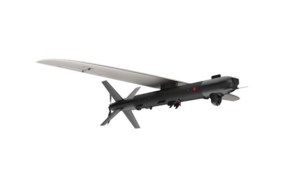
Tactical Hybrid VTOL UAS & Loitering Systems for Multi-Domain Operations

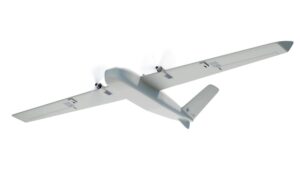
Advanced UAV & Unmanned Systems for Challenging Missions in Government, Defence & Commercial Applications

If you design, build or supply Loitering Munitions, create a profile to showcase your capabilities and connect with visitors who have an active requirement for your solutions.

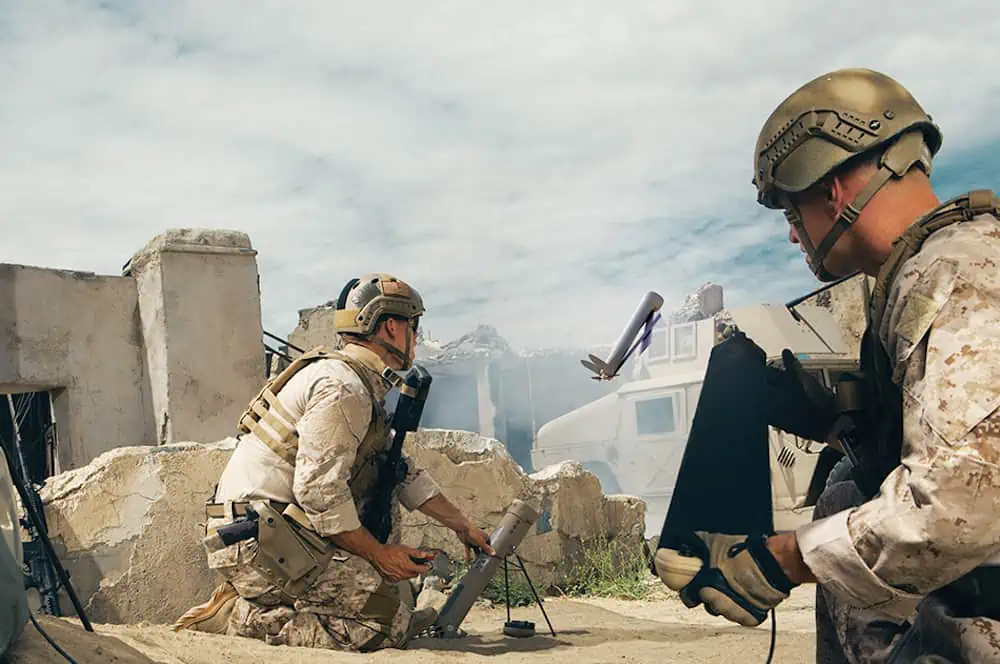
Industry-leading loitering munitions manufacturers and vendors offer a range of systems spanning man-portable units to vehicle-launched and long-endurance platforms. These systems combine ISR sensors, guidance technologies, and precision warheads into a single deployable solution.
Loitering munition systems vary by size, range, and operational role, which directly impact supplier selection and platform suitability.
Suppliers differentiate their loitering munition products through payload flexibility and mission-specific effects.

SpyX loitering munition by BlueBird Aero Systems.
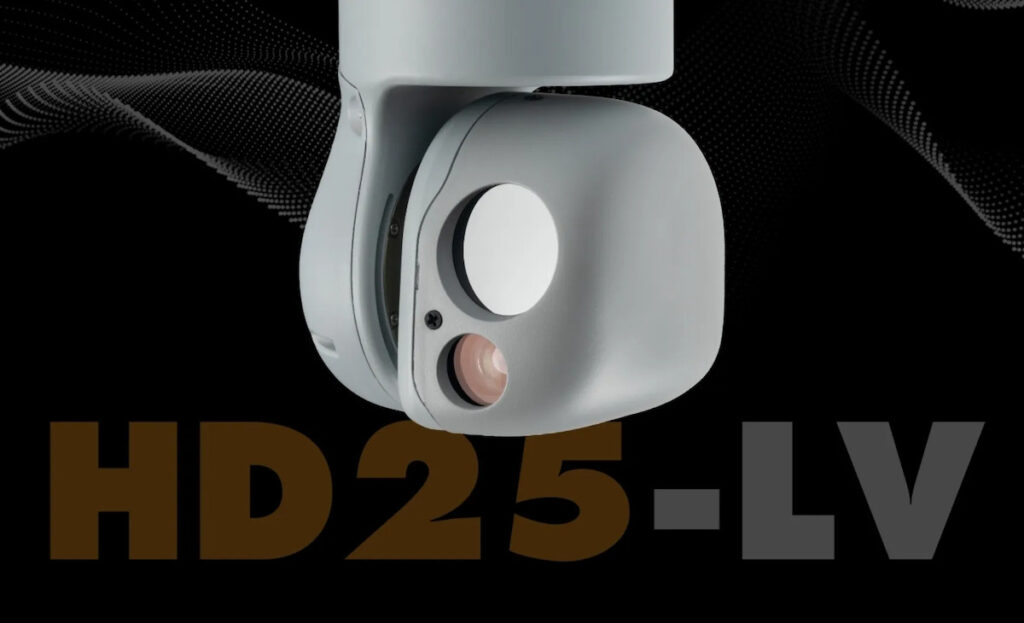
Guidance systems are a critical evaluation factor when comparing loitering munitions manufacturers.
Selecting the right loitering munition suppliers requires structured comparison across performance, integration, and lifecycle factors.
| Criteria | Procurement Considerations | Impact on Supplier Selection |
| Endurance and Range | Determines mission duration and operational reach | Critical for ISR-strike missions and deep targeting |
| Payload Capacity | Defines lethality and mission flexibility | Influences multi-role capability and logistics |
| Launch Method | Tube, rail, or vertical launch systems | Affects deployment speed and platform compatibility |
| Guidance and Control | GNSS, EO/IR, autonomous capabilities | Impacts precision, resilience, and operator workload |
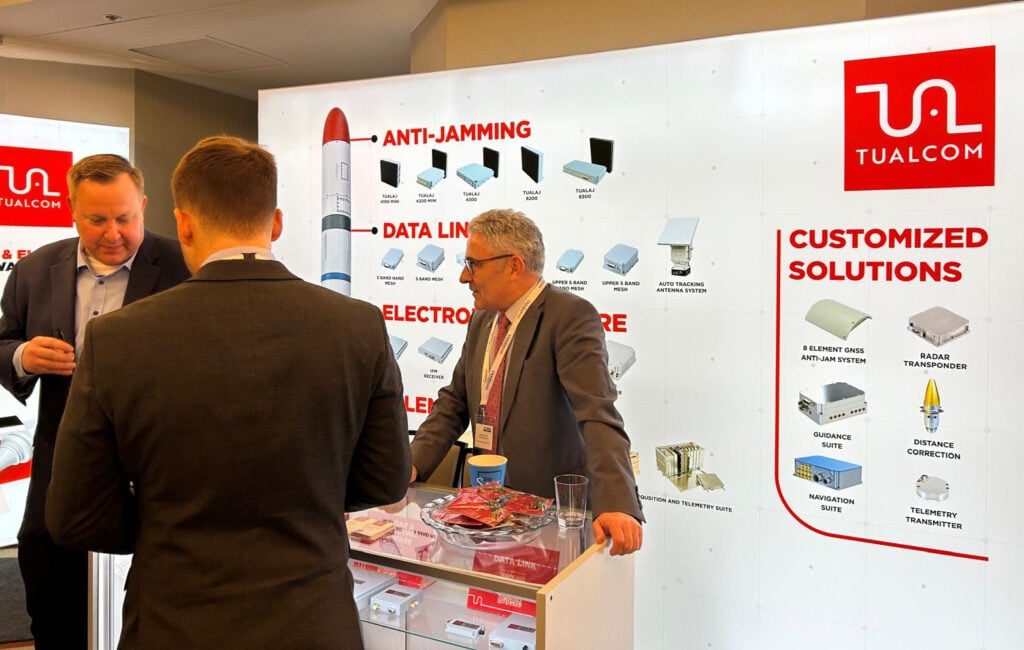
| Communications | Data link range, encryption, anti-jam features | Essential for contested environments |
| SWaP (Size, Weight, and Power) | Platform footprint and portability | Key for dismounted and mobile operations |
| Integration | Compatibility with C4ISR and UAS ecosystems | Enables networked operations and data sharing |
| Compliance and Export | ITAR, export controls, and certifications | Affects procurement eligibility and deployment scope |
| Lifecycle Support | Training, maintenance, and upgrade paths | Influences total cost of ownership |
Each of these criteria should be evaluated in the context of mission requirements, operational environment, and integration with existing defense systems.
Loitering munition systems are typically sourced based on deployment requirements and operational scenarios.
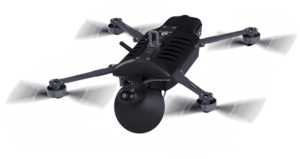
These systems emphasize portability, rapid deployment, and intuitive operation, typically incorporating small fixed-wing or quadcopter configurations. Buyers prioritize lightweight designs, minimal setup time, and reliable communications in complex terrain.
Vehicle-integrated loitering munition solutions support extended operational range and higher payload capacity. Procurement teams typically assess integration with armored platforms, anti-tank capabilities, launcher systems such as tube-launched loitering munitions, and onboard power availability.
Certain aerial loitering munition platforms are optimized for engaging airborne targets. These loitering drones may incorporate autonomous tracking and guidance capabilities. Buyers should evaluate detection integration, response time, and engagement accuracy against moving targets.

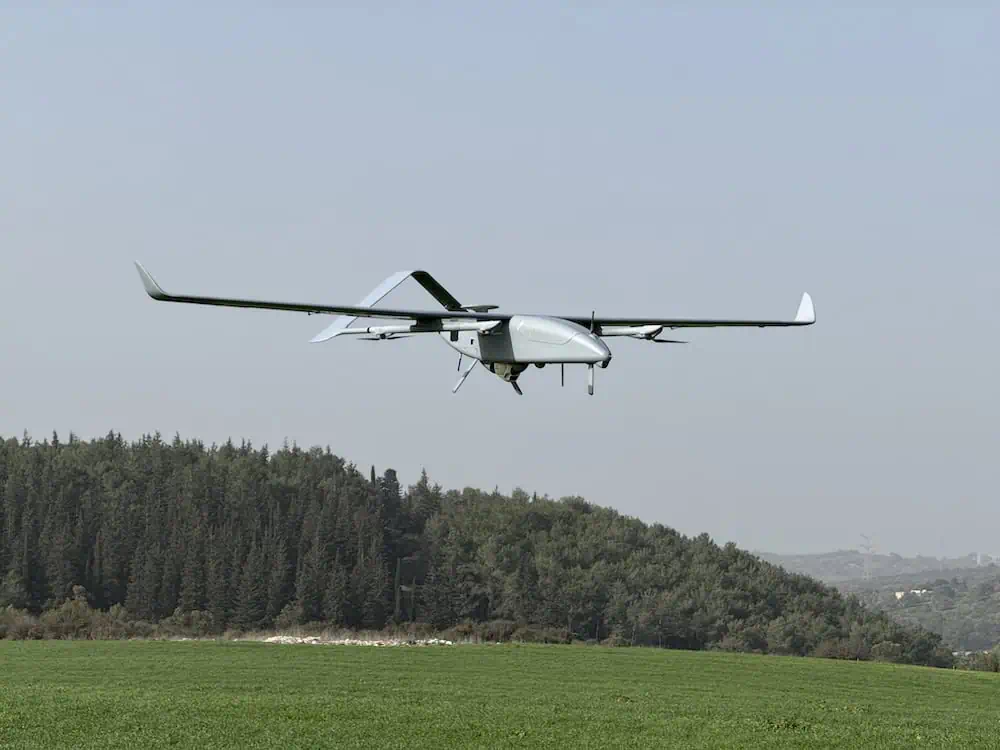
Peregrine UAS dual-use loitering munitions platform by Arctic Horizons.
Long-endurance loitering munitions provide persistent ISR and strike capability over large areas. Suppliers in this segment are assessed on endurance, sensor quality, and interoperability with command systems.
Loitering munitions systems must integrate with broader unmanned systems and defense architectures. Suppliers and vendors are evaluated on their ability to support interoperability across platforms.
Integration considerations include:
Specifiers often prioritize suppliers offering modular and open systems to reduce integration risk and future-proof deployments.
Selecting a loitering munitions manufacturer or vendor involves assessing both technical capability and program support.
A qualified supplier should demonstrate proven system performance in relevant operational environments, supported by validated test data or deployment history. Buyers also evaluate the supplier’s ability to deliver scalable production, meet delivery timelines, and provide ongoing support.
Key supplier evaluation factors include:
Long-term support, including maintenance and software updates, is a critical factor for sustained operational readiness.
Suppliers offer man-portable, vehicle-launched, and long-range loitering munition systems. Each type is designed for specific mission profiles, with trade-offs in range, payload, and deployment method.
Buyers compare manufacturers based on endurance, payload flexibility, guidance systems, integration capability, and lifecycle support. Compliance and export considerations also play a key role.
Integration with C4ISR systems, UAS platforms, and communication networks is critical. Buyers should assess interoperability, data link compatibility, and open architecture support.
Certain tactical loitering munition systems are designed for counter-UAS roles, offering rapid response and precision targeting of aerial threats. Buyers should evaluate detection integration and engagement performance.
Suppliers should offer training, maintenance, software updates, and upgrade options. Strong lifecycle support reduces downtime and ensures long-term system effectiveness.


 Searching Companies & Products


 Subscribe to the Weekly eBrief
The latest engineering and technical developments straight to your inbox - join thousands of engineers who receive it.
Subscribe to the Weekly eBrief
The latest engineering and technical developments straight to your inbox - join thousands of engineers who receive it.