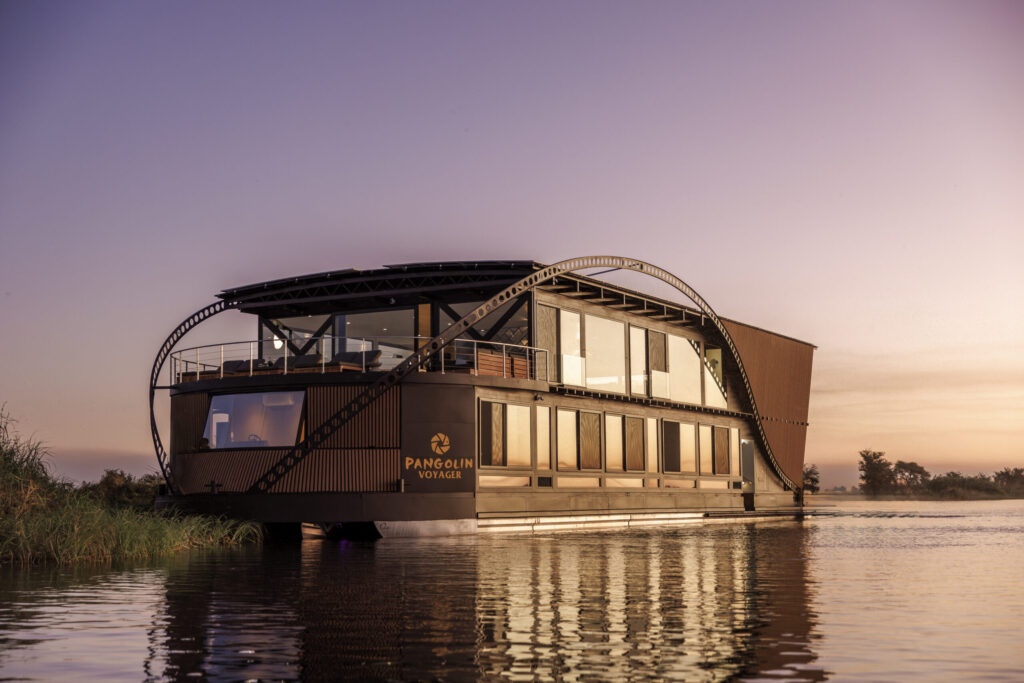
A new collaboration between British developer RAD Propulsion and wildlife photography specialist Pangolin Photo Safaris has deployed advanced electric drive technology to power the Pangolin Voyager, a fully self-sustaining luxury houseboat operating on the Chobe River.
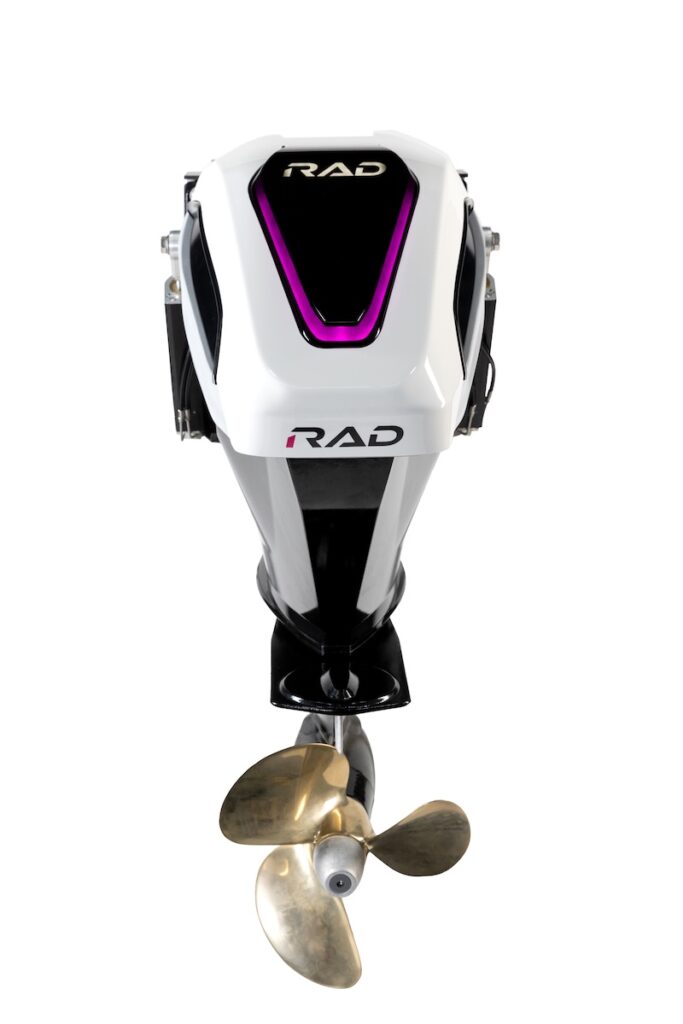
Operating along the waterway that forms the natural border between Namibia and Botswana, the vessel sets a new benchmark for eco-conscious marine tourism in one of Africa’s most wildlife-rich environments. The houseboat is equipped with four 40kW RAD 40 electric outboard drives and two RAD battery packs, drawing all operational energy directly from onboard solar panels. Capable of accommodating up to 10 guests across five en-suite cabins configured as doubles or twins, the self-sustaining vessel navigates between three distinct mooring locations over the course of guest stays.
Toby Jermyn, Co-owner of Pangolin Photo Safaris, commented, “The Pangolin Voyager represents the culmination of our vision to create truly sustainable wildlife experiences without compromising on comfort or photographic opportunities. By harnessing solar power and incorporating electric propulsion, we’re not only reducing our carbon footprint but actually enhancing the safari experience through quieter cruising, allowing our guests to get closer to the amazing wildlife.
“We conducted an extensive search for the right partner to solve the propulsion question during the build and were delighted when we found RAD Propulsion. Their drive design was like nothing else we found and was complemented by the “can-do” attitude from their engineers. Choosing RAD Propulsion to partner with us on this build was an easy decision.”
Selecting an appropriate marine powertrain was a critical focus during the construction phase of the vessel.
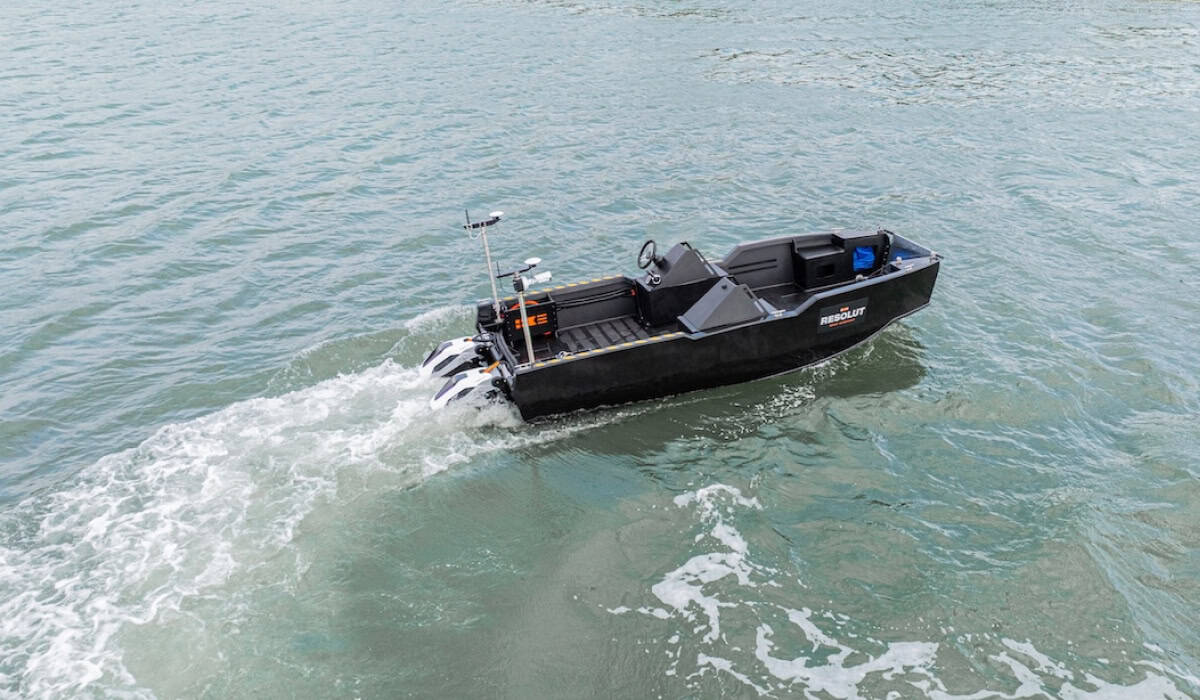
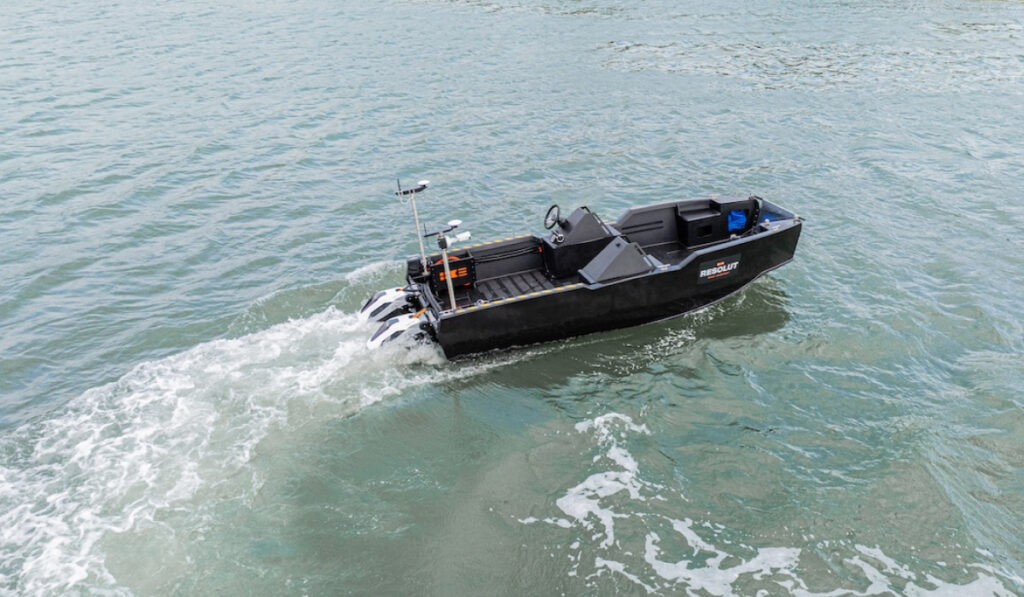
To support dedicated game viewing and photographic excursions, the houseboat works alongside an eight-seater photo boat that is also driven by RAD electric propulsion. This auxiliary tender recharges directly from the main houseboat, allowing guides to operate during optimal lighting conditions without engine noise or vibration disturbing wildlife subjects.
“The Chobe River offers some of the best game viewing and photographic opportunities in Africa, particularly for elephant photography,” explains Jermyn. “Alongside the houseboat, our new electric photo boat, also powered by RAD, recharges from the main houseboat and operates during optimal lighting conditions without worrying about engine noise and vibrations disrupting our subjects.”
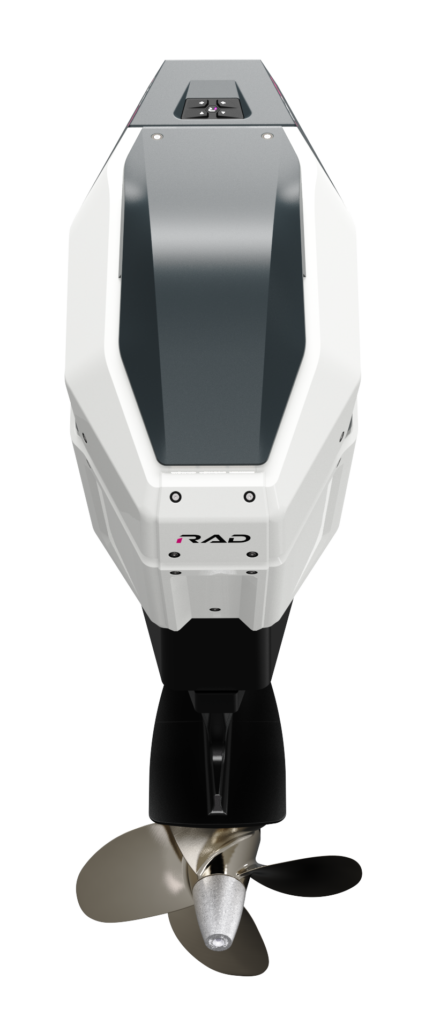
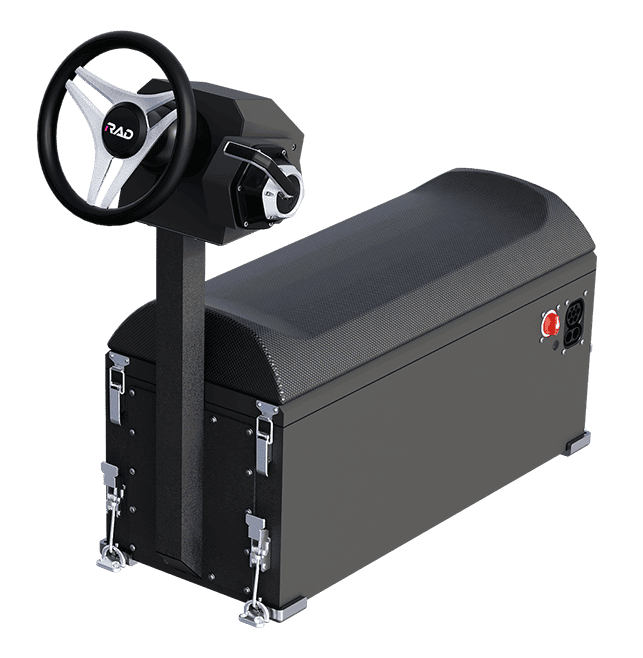
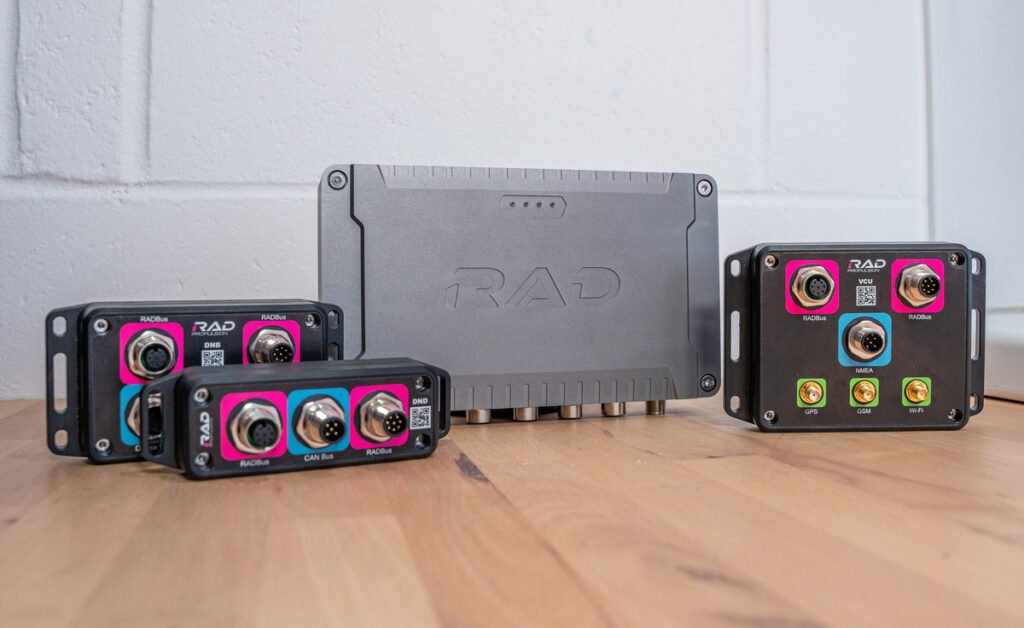
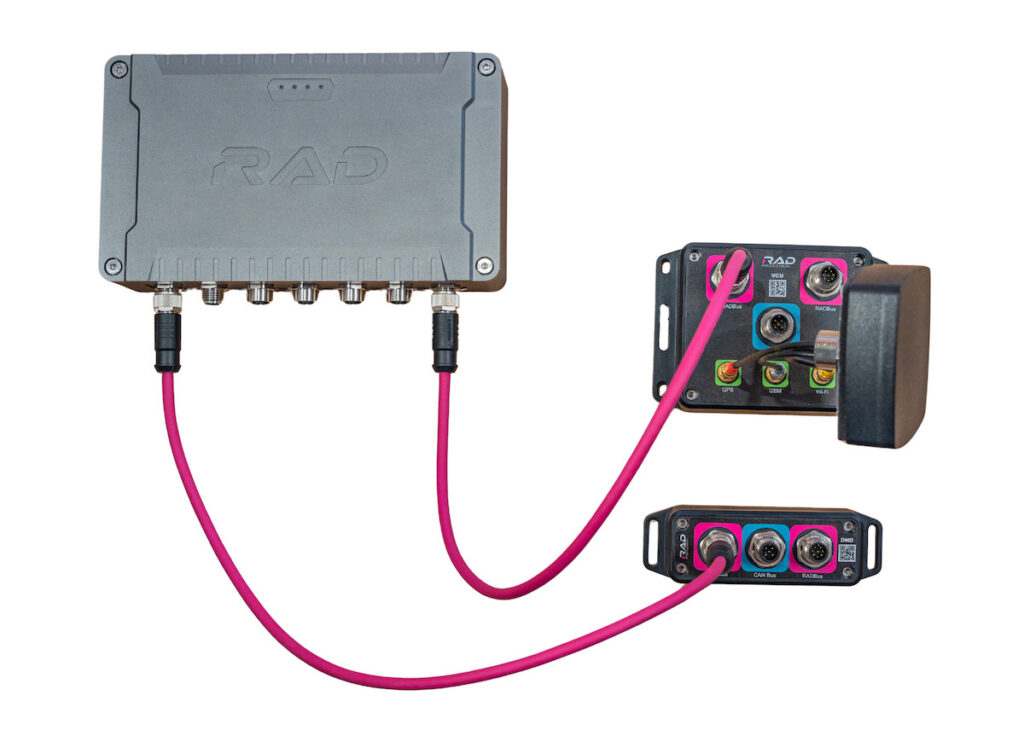
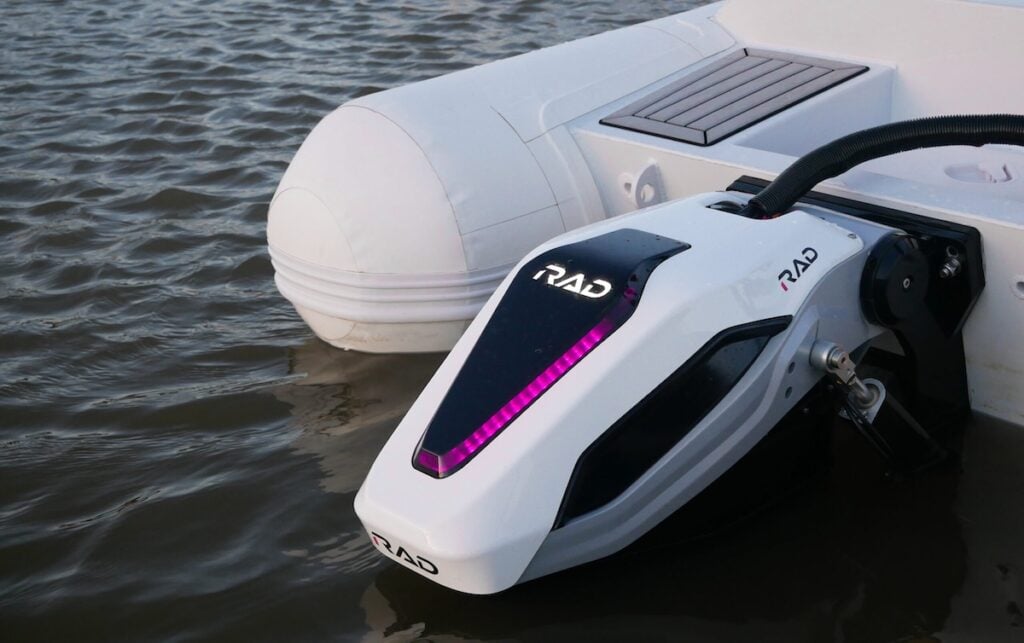
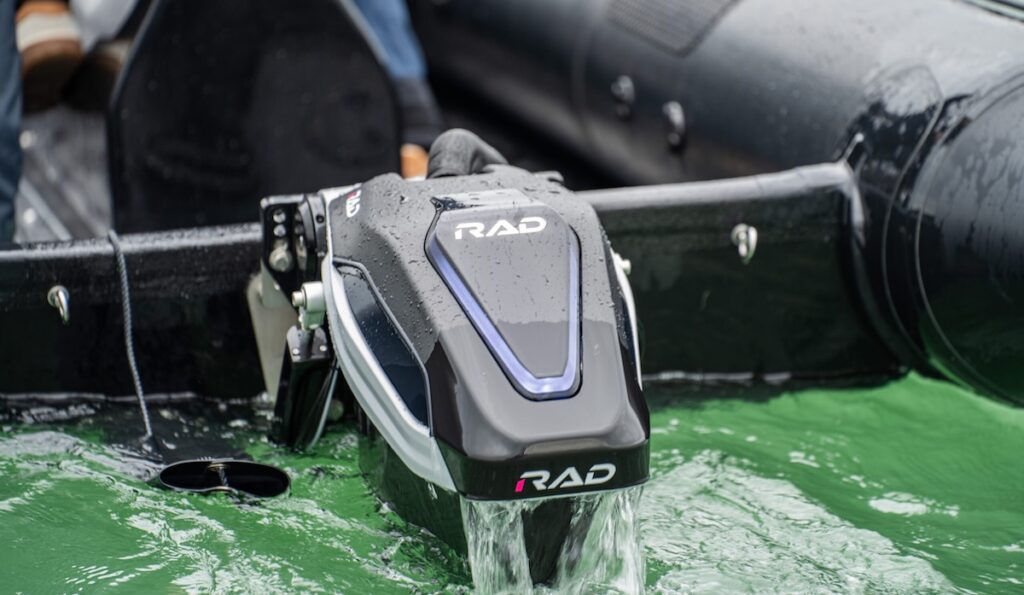
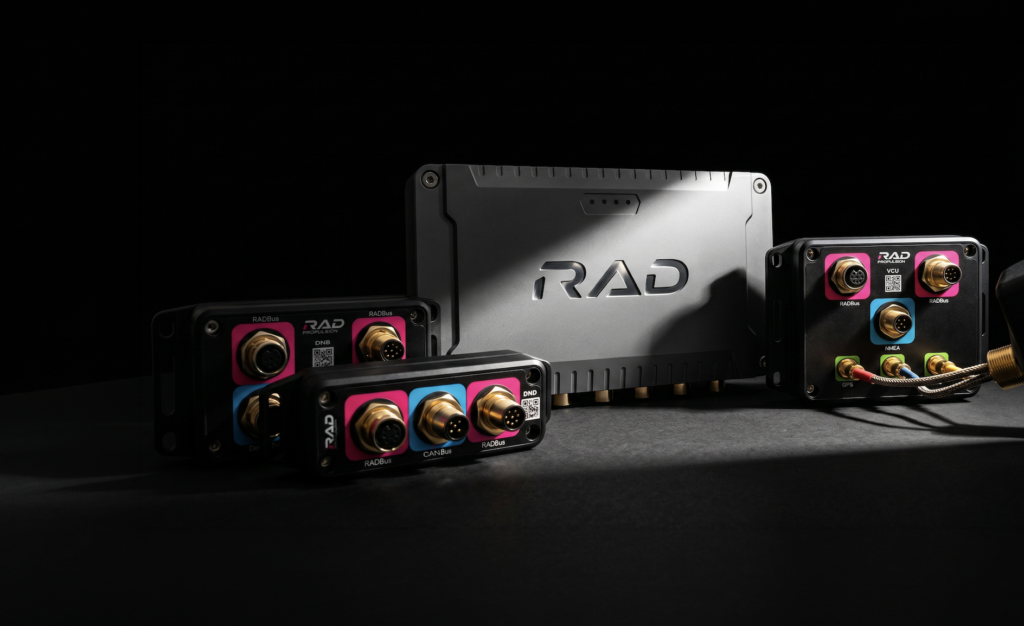
Engineered specifically to maximize the advantages of electric marine propulsion, the RAD 40 system provides a complete plug-and-play architecture. The compact, lightweight design delivers greater thrust than an equivalent internal combustion engine while freeing up valuable onboard spatial footprint. Navigational control is managed via independently controlled front and rear 180-degree steering, granting the vessel high maneuverability for precise docking and traversing narrow channels. Beyond eliminating emissions, the near-silent, low-vibration system reduces maintenance overhead, saving tens of thousands of pounds per year in fuel costs while increasing reliability during extended safari operations.
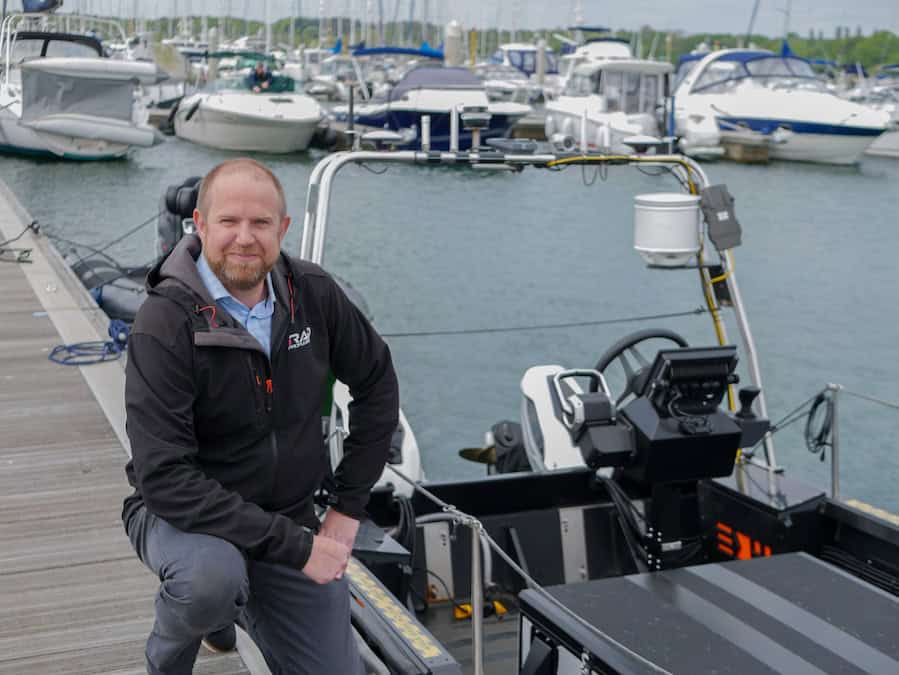
Peter Byford, Chief Technology Officer at RAD Propulsion, added, “Partnering with Pangolin Photo Safaris on the Pangolin Voyager demonstrates how electric propulsion can transform the environmental footprint of marine tourism and the quality of the guest experience. Our RAD 40 system delivers the precision and quiet needed for wildlife photography, and we’re proud to be powering a project that aligns so closely with our mission to accelerate the shift to smarter, cleaner marine travel.”