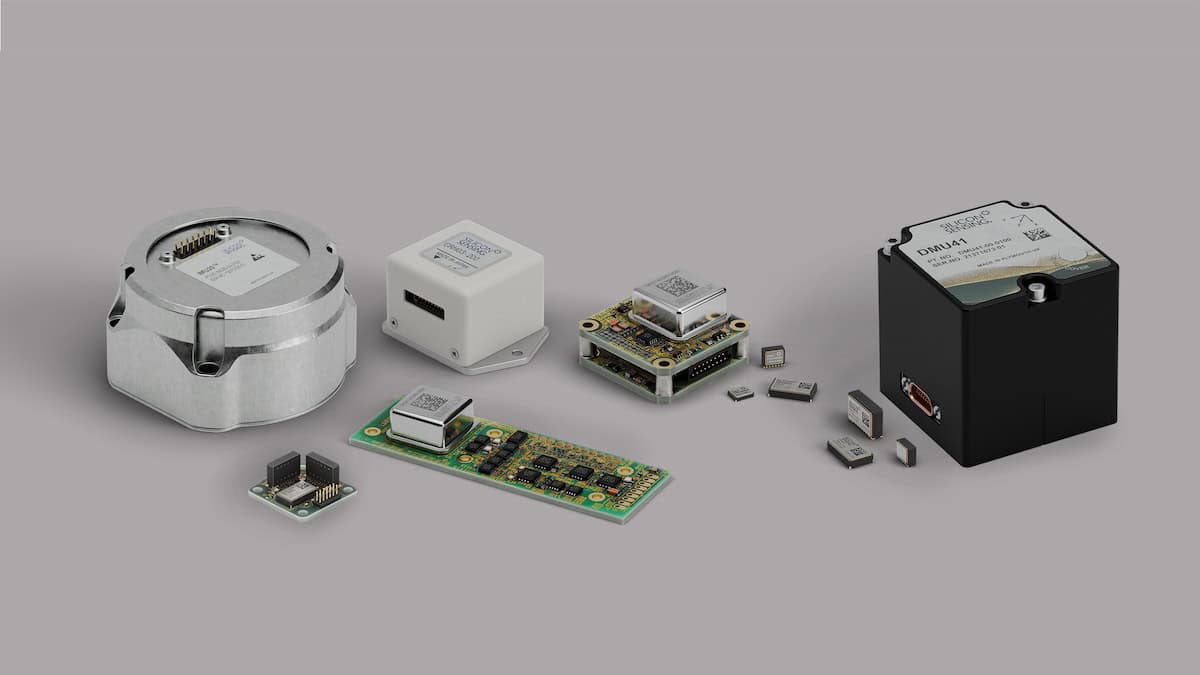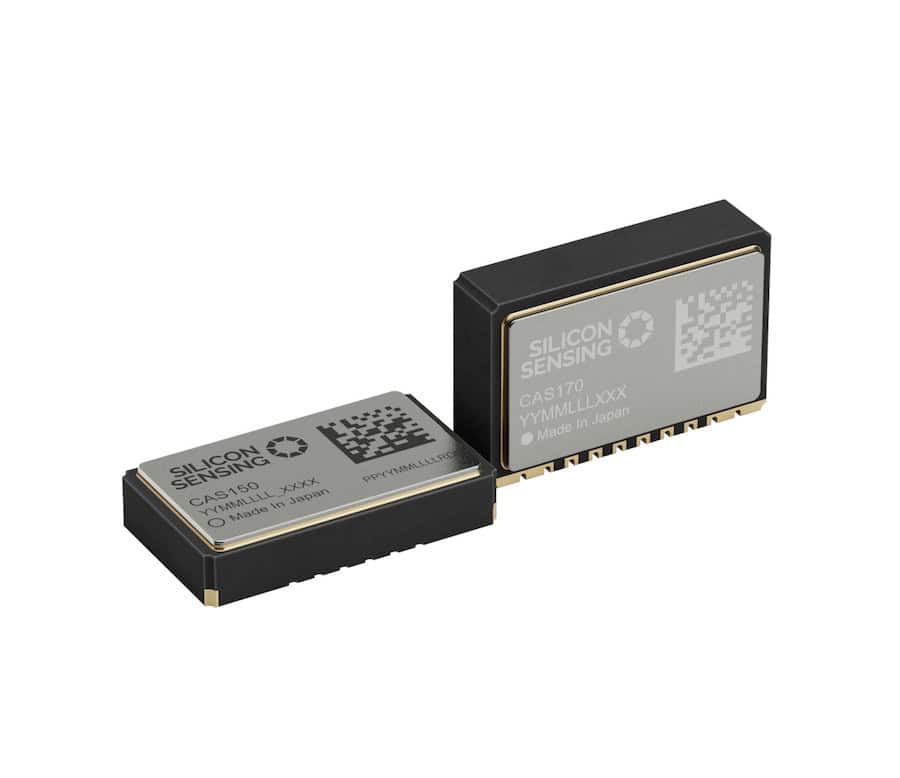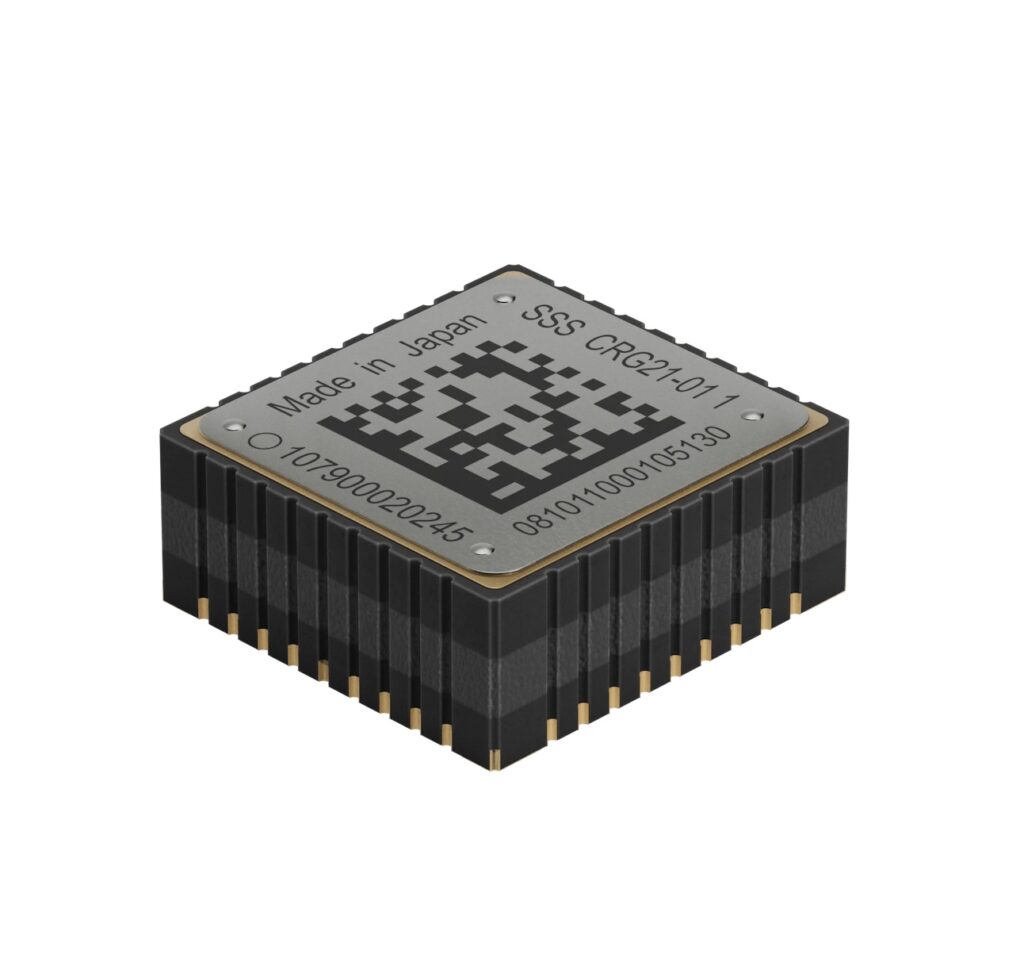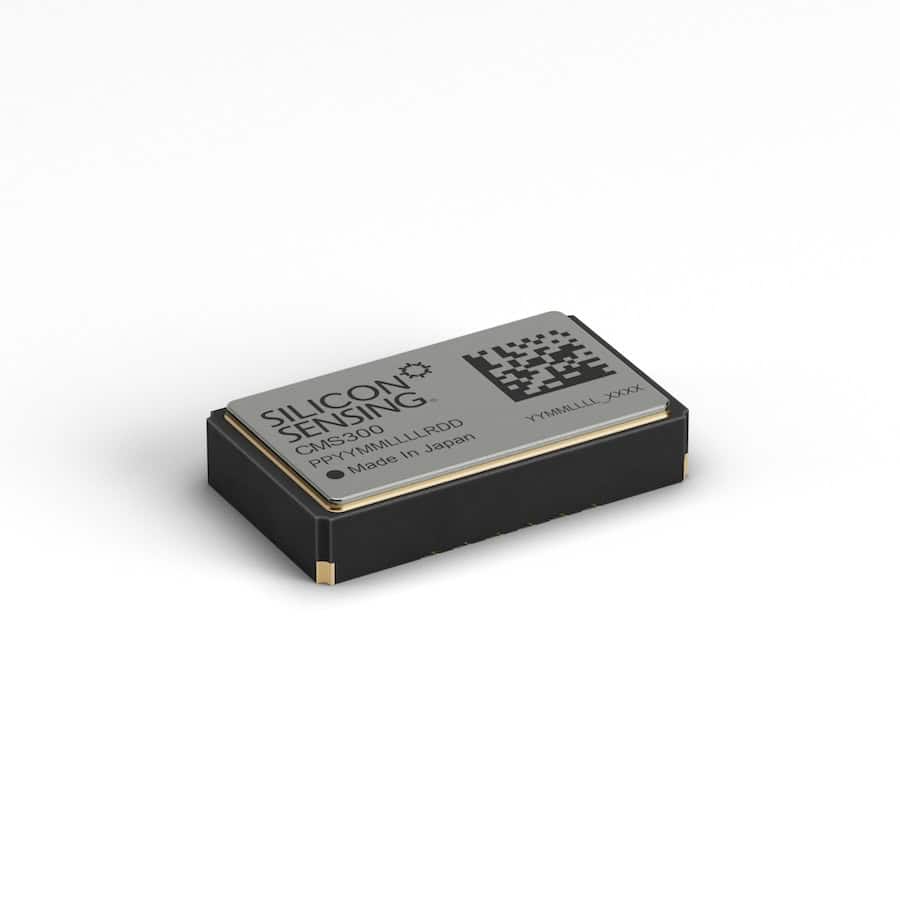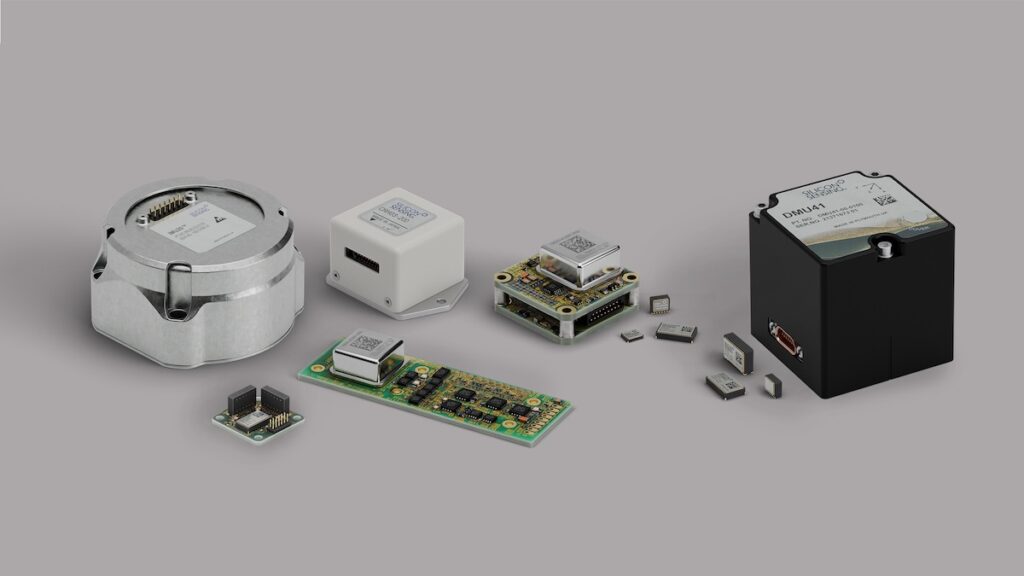
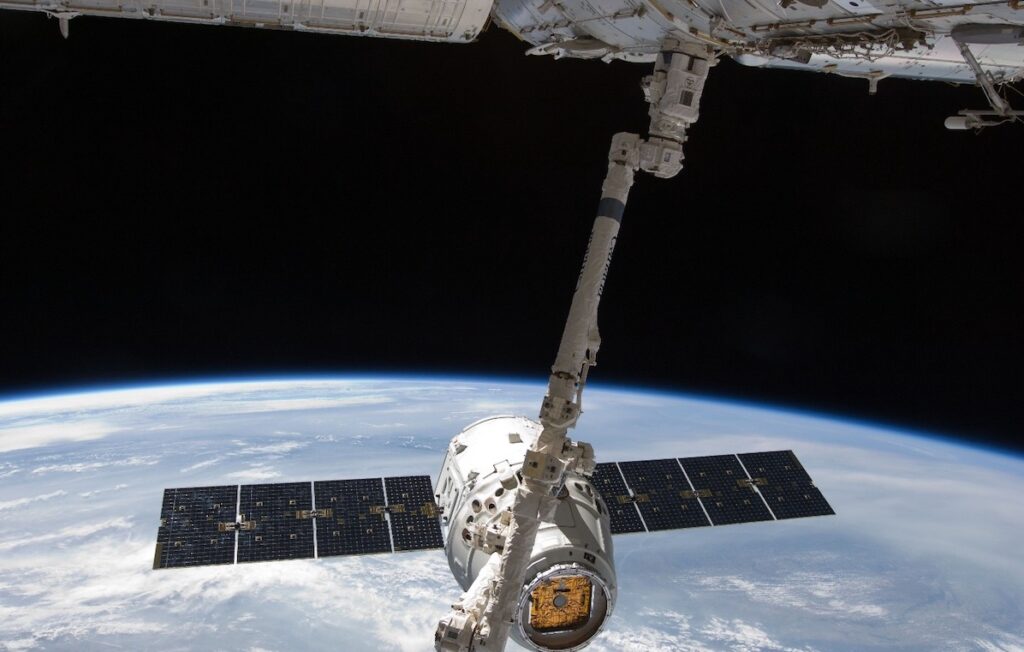
Silicon Sensing is highlighting the importance of looking beyond headline radiation ratings when assessing Inertial Measurement Units (IMUs) for space missions, with its DMU41 testing showing how test conditions, observed effects, recovery and post-test performance provide a fuller picture of how the device responded during and after radiation testing.
A datasheet stating “10kRad TID” confirms that a device has been tested against radiation, but does not show what occurred during testing or whether the unit continued to perform once the dose was applied.
Radiation testing for space hardware addresses two distinct failure mechanisms. Total Ionizing Dose (TID) measures cumulative degradation over a mission’s lifetime, while Single Event Effects (SEE) testing examines how a device responds to occasional high-energy particle strikes that can immediately disrupt operation.
Together, the tests provide information on both cumulative radiation effects and responses to individual high-energy particle strikes.
DMU41 Radiation Testing
Silicon Sensing subjected eight DMU41 units to SEE testing at 50, 100, 150 and 200 MeV.
At 50 MeV, testing recorded a drop in current consumption while normal operation continued, with no power cycle required. One instance was also recorded in which communication stopped and a power cycle was needed to restore it.
At 100, 150 and 200 MeV, a similar pattern was observed. Some events required power cycling to recover, but normal operation resumed afterward in every case.
Following testing, the Acceptance Test Procedure (ATP) confirmed no significant drift in performance, with all units remaining within performance limits throughout.
For TID, the units were tested to 30kRad(Si), three times the 10kRad benchmark typically associated with Low Earth Orbit (LEO) missions. Based on these results, Silicon Sensing indicated that the DMU41 was suited for LEO missions with 10kRad exposure, or for Geostationary Earth Orbit (GEO) missions with additional shielding applied.
Recovery Following Radiation Events
No sensor operating in orbit is immune to particle strikes. For a program manager, the relevant question is therefore not simply whether an event occurred, but whether the device remained fully functional afterward.
Silicon Sensing points to the DMU41’s reset architecture in explaining how these events are managed. A watchdog continuously monitors the main processor and triggers an internal reset if it detects a lockup, the most common effect of a high-energy strike.
Critical silicon not controlled by the processor, including the communication chip, main regulators and power to the processor itself, is hardwired active by design. According to Silicon Sensing, this means the unit is able to re-establish operation, including in the rare case where a full power cycle is required to clear an event.
Across every energy level tested, the DMU41 returned to normal operation, while the subsequent ATP confirmed no significant drift in performance.
Looking Beyond the Radiation Rating
A radiation figure on a datasheet is a starting point rather than proof of reliability. Silicon Sensing’s DMU41 testing provides additional detail on the test conditions, observed effects, recovery requirements and confirmed post-test performance.
The complete DMU41 radiation testing report sets out the SEE and TID results behind these figures and is available from Silicon Sensing on request.
For a copy of the report or further information on the results, contact Silicon Sensing.