San Francisco Circuits examines the distinctions between IPC Class 2 and Class 3 Printed Circuit Boards (PCBs), including the implications of the selected classification for PCB design, fabrication, testing, inspection, and acceptance. Read more >>
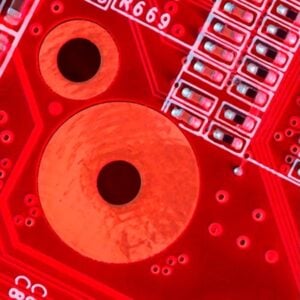
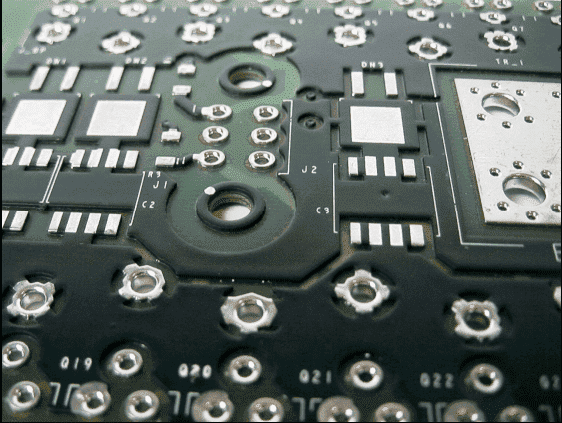
Annular rings
The central distinction concerns the amount of variation permitted by the applicable standard during manufacturing and inspection, rather than how the boards themselves are built. The selected classification can also affect cost, lead time, and the number of fabricators capable of producing the board. IPC classes therefore align manufacturing requirements with the reliability demands of the end product rather than representing a ranking of PCB quality.
IPC-6012 divides products into three classes. Class 1 covers general electronic products for which basic functionality is the primary requirement and long service life is not critical. Class 2 applies to dedicated service electronic products expected to provide reliable, continuous performance throughout their intended service life. Class 3 covers high-reliability electronic products where continued performance is essential because failure could have significant operational, financial, or safety consequences.
Manufacturing Tolerances & Reliability
Most commercial PCB projects fall into Class 2 or Class 3. Class 2 is used for most commercial and industrial electronics, with applications including industrial control systems, telecommunications equipment, networking hardware, commercial electronics, office equipment, test and measurement equipment, security systems, and many general medical devices. It allows limited process variations that do not affect electrical performance or long-term reliability.
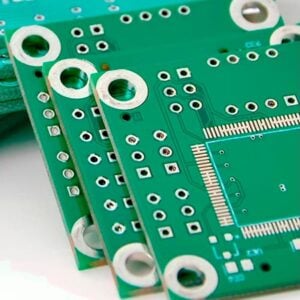
Copper plating thickness
Under IPC-6012, Class 2 boards require a minimum plated through-hole copper thickness of 20 μm (0.787 mil). Internal-layer annular ring breakout is permitted in certain situations, provided the electrical connection remains intact. These allowances give manufacturers greater flexibility while meeting the reliability requirements of most commercial applications. For many products, Class 2 provides a balance of performance, manufacturability, and cost.
Class 3 is intended for products where continued operation is critical and failure cannot be tolerated. Applications include aerospace systems, military and defense electronics, critical medical and life-support equipment, transportation safety systems, critical industrial controls, oil and gas equipment, and emergency communications infrastructure. Compared with Class 2, Class 3 introduces tighter manufacturing tolerances and stricter acceptance criteria, together with additional inspection requirements and enhanced process controls.
For Class 3, IPC-6012 increases the minimum plated through-hole copper thickness to 25 μm (0.984 mil). Annular ring requirements are also more stringent, with far less tolerance for breakout, while tighter limits on board bow and twist are intended to reduce the risk of assembly issues and long-term mechanical stress on solder joints. These additional requirements increase manufacturing effort while providing greater confidence that the PCB will continue performing reliably throughout its intended service life.
Read ‘IPC Class 2 vs. Class 3 PCBs: What’s the Difference?’ for more information.