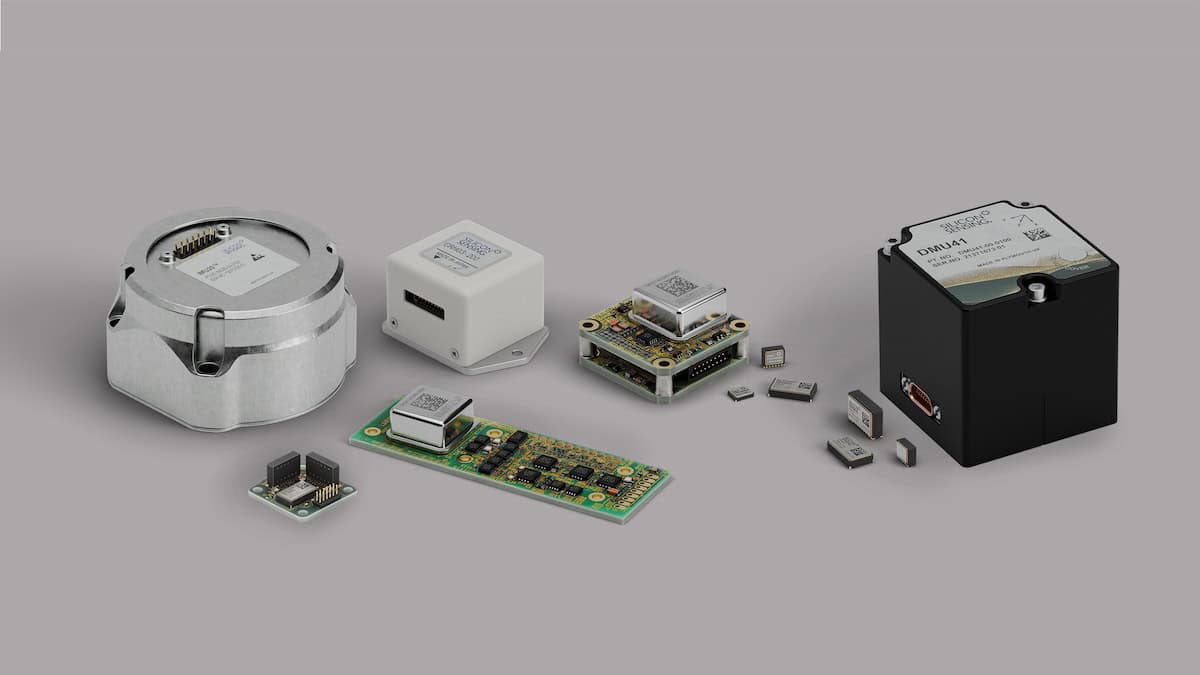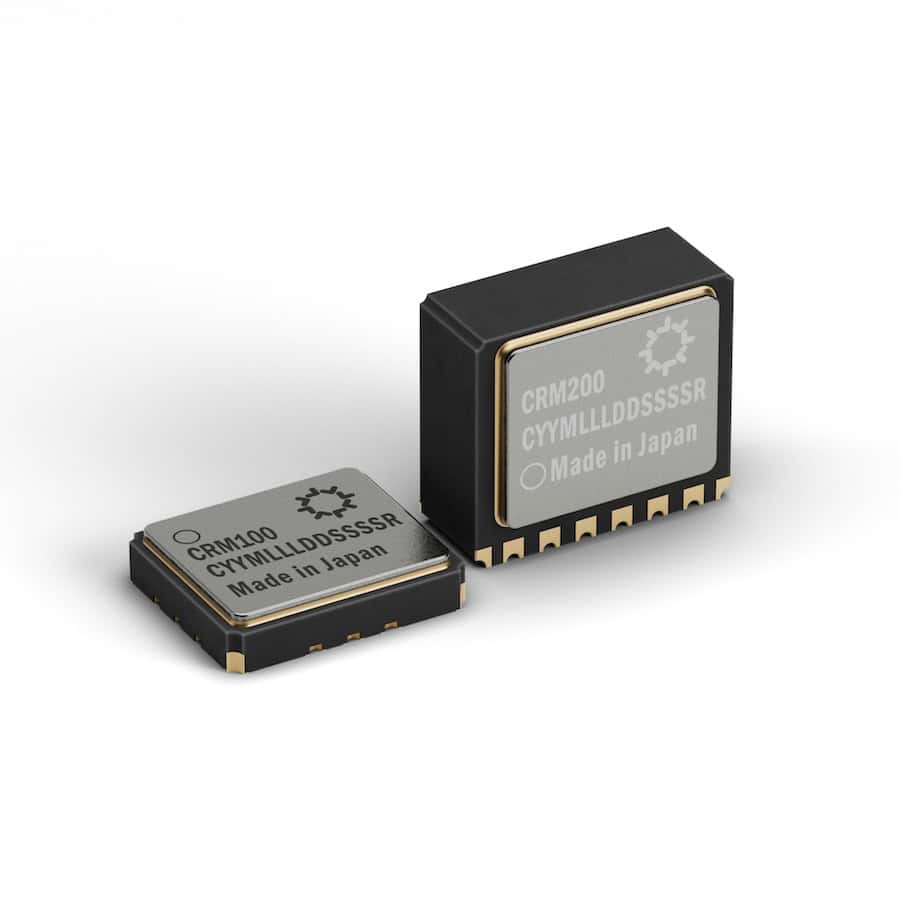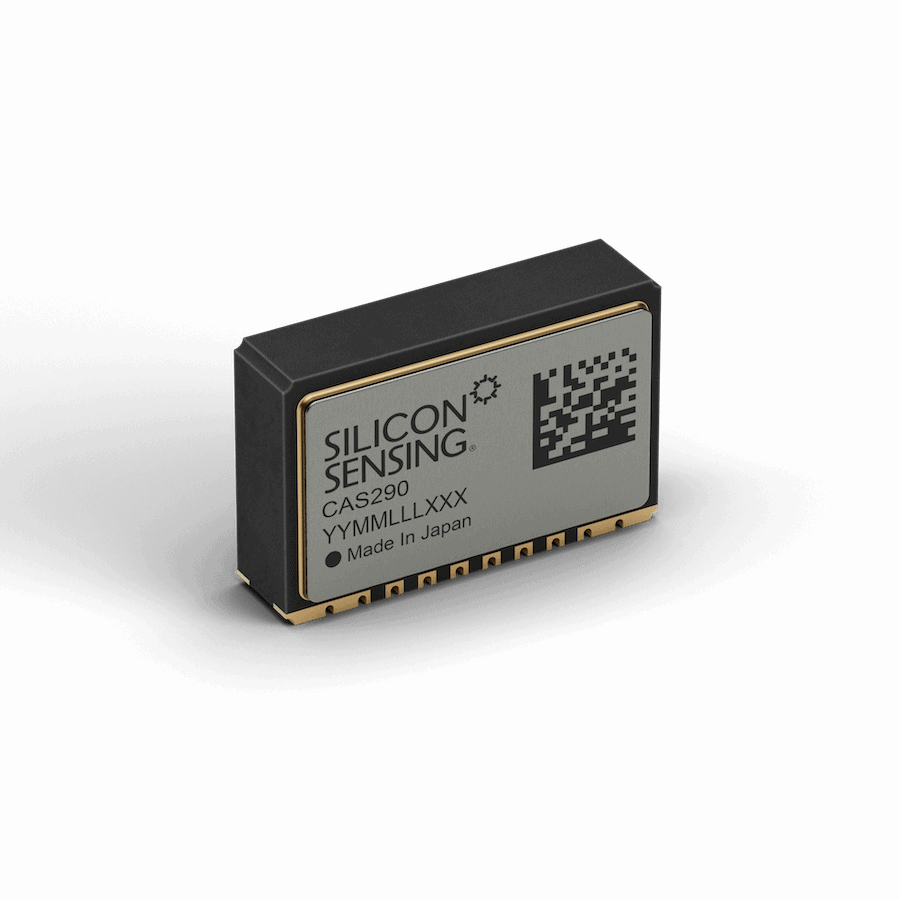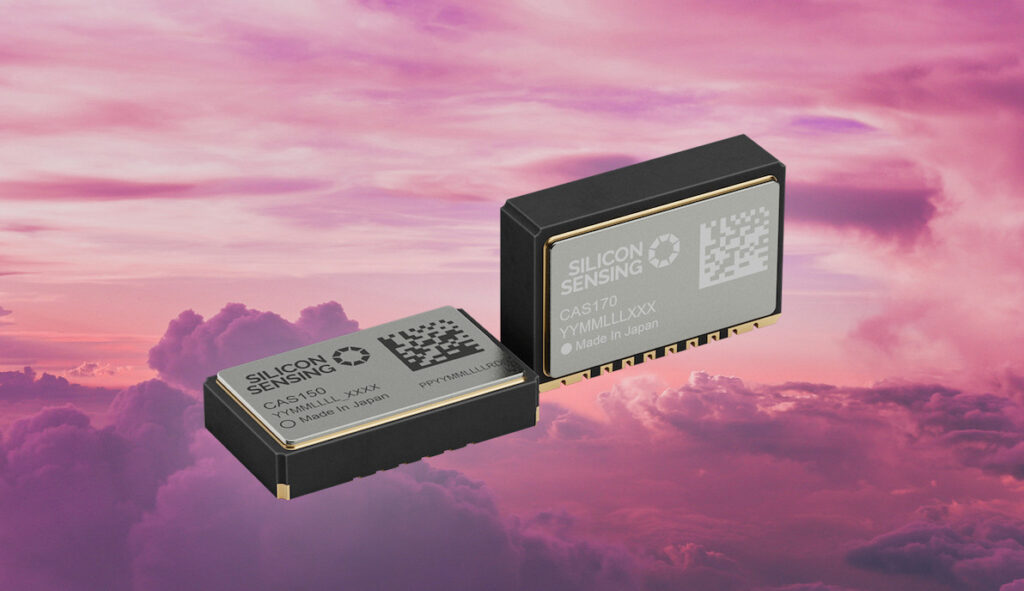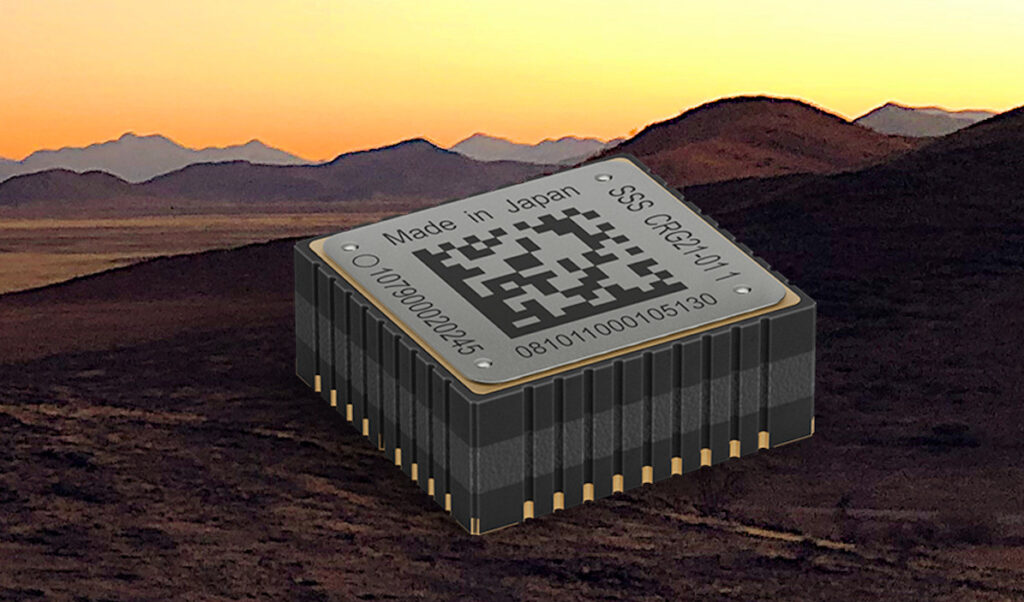
Silicon Sensing outlines how high-performance tactical MEMS inertial sensors can support Position, Navigation, and Timing (PNT) resilience when Global Navigation Satellite Systems (GNSS) are disrupted or unavailable.
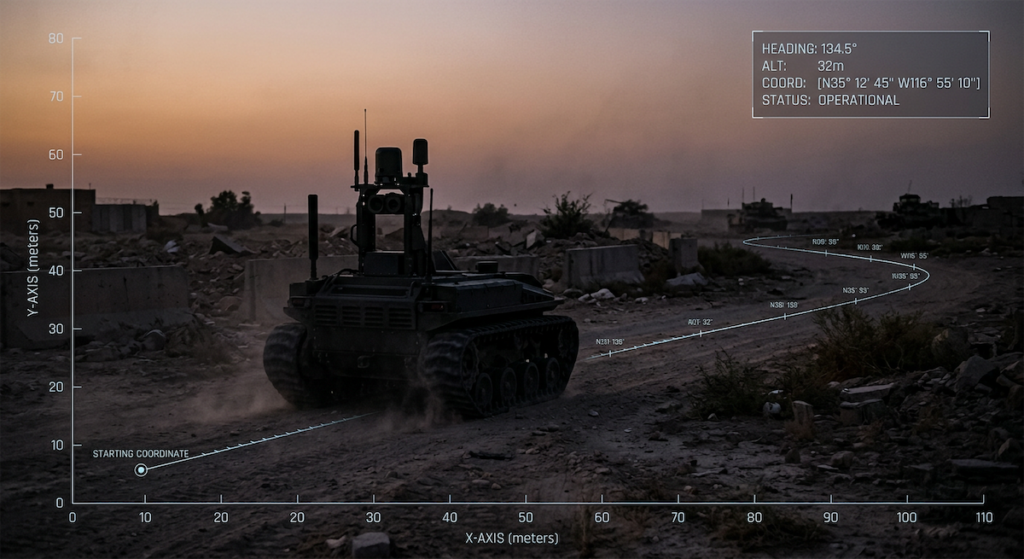
In contested multi-domain operations, jamming and spoofing are routinely deployed to disrupt the PNT of uncrewed platforms, guided munitions, and tactical ground vehicles. This is shifting the focus for system developers from optimum performance toward maintaining navigation when external positioning signals cannot be relied upon.
Maintaining PNT Without GNSS
Inertial navigation provides an alternative by measuring a platform’s own motion and calculating position relative to a known starting point, without depending on an external reference.
Traditionally, the accuracy required for these missions has relied on Ring Laser Gyroscopes (RLGs) or Fibre-Optic Gyroscopes (FOGs). While highly precise, systems based on these technologies can be heavy, bulky, power-hungry, and costly, creating integration challenges for modern autonomous platforms.
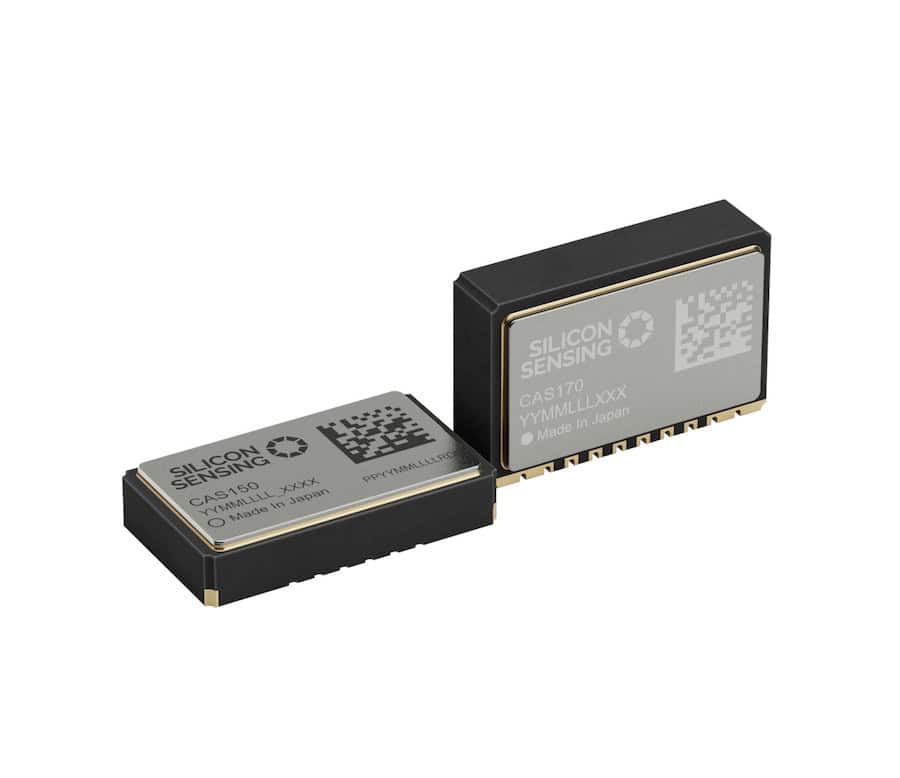
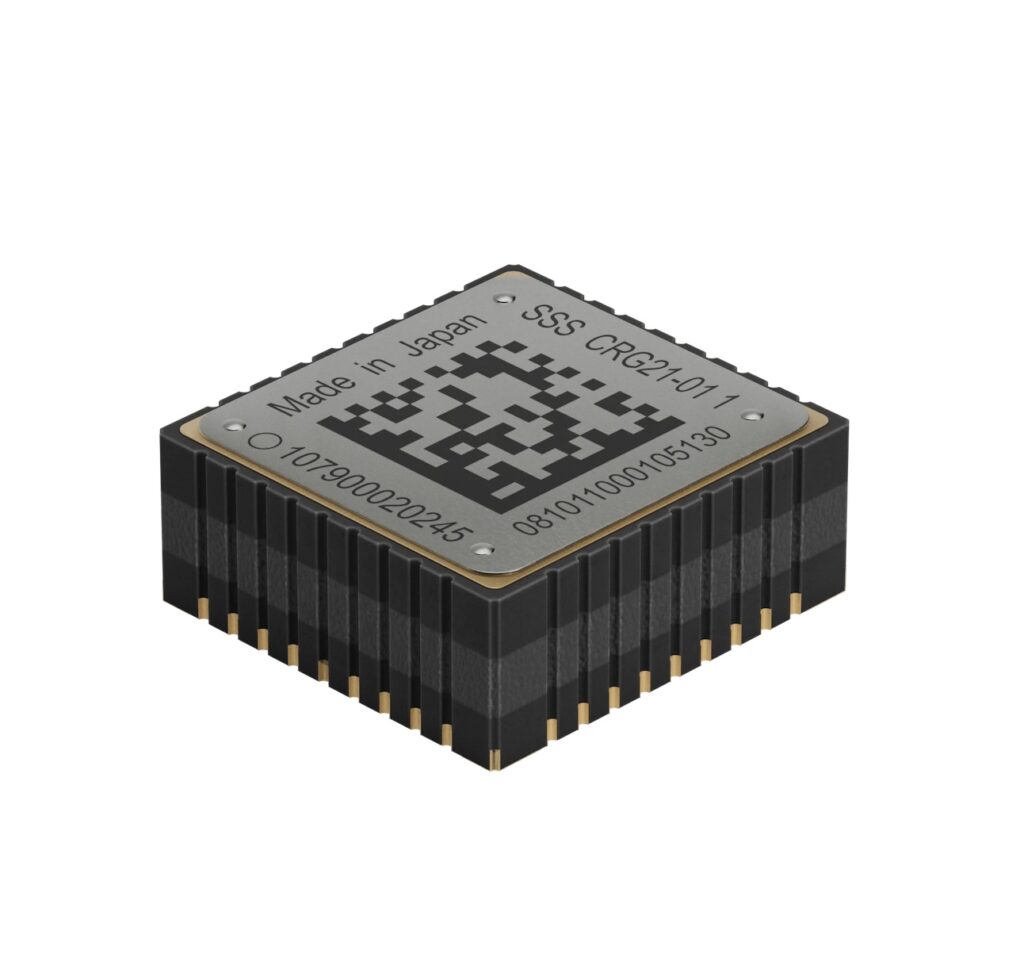
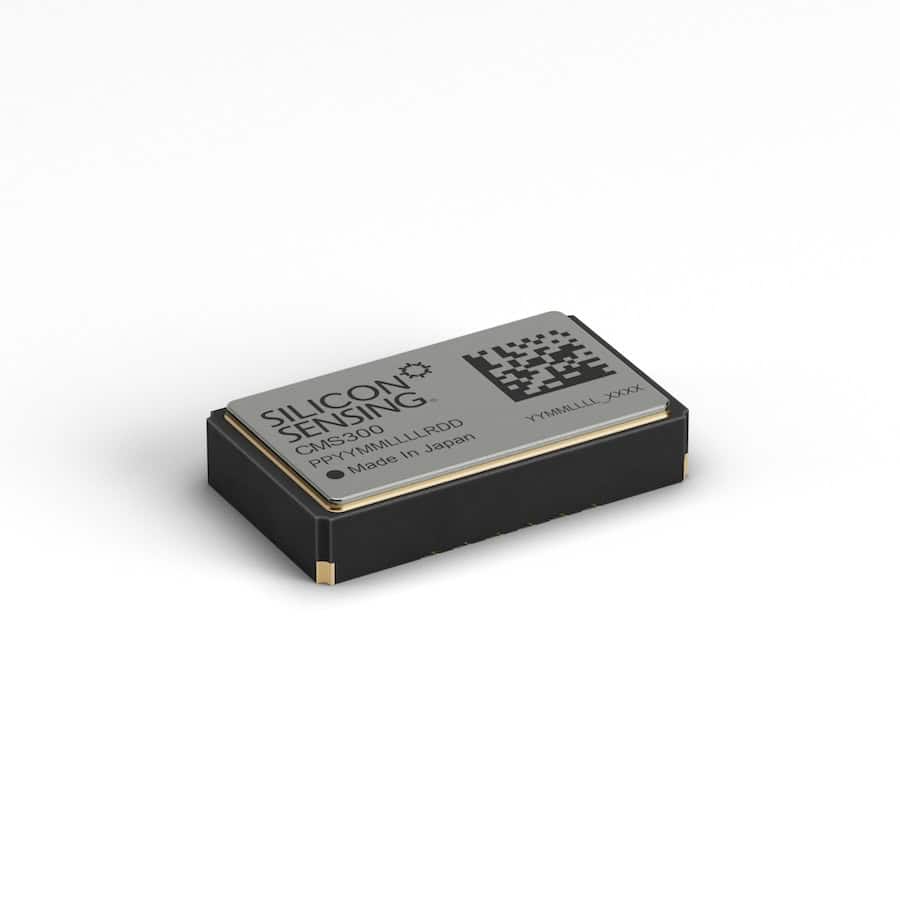
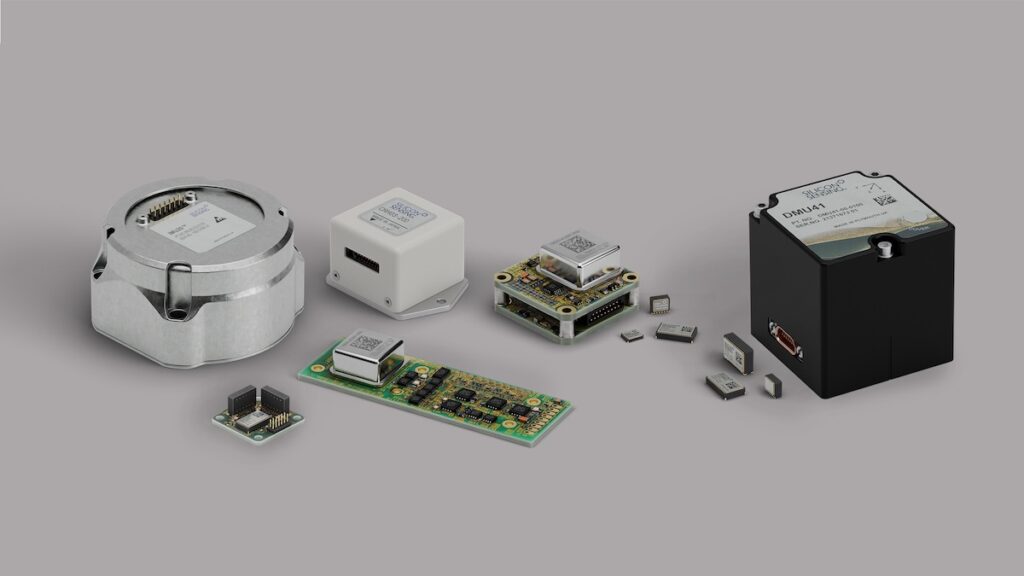
High-performance tactical MEMS sensors are helping to close this gap. Advances in silicon architecture allow them to achieve bias instability and Angle Random Walk (ARW) performance that can rival traditional FOG systems, while reducing size, weight, and cost.
This means sensors compact enough to fit inside a guided munition can now deliver navigation-grade performance previously associated with much larger systems.
Because inertial sensors neither emit nor receive Radio Frequency (RF) signals, they are immune to jamming and spoofing by design, supporting dead reckoning when GNSS is unavailable.
Mechanical and Thermal Stability
Silicon resonating ring structures can offer advantages over traditional tuning-fork designs. Their symmetrical geometry provides resistance to linear shock and high-frequency vibration, helping to reduce Vibration Rectification Error (VRE).
This limits the impact of mechanical noise from engines, rotors, or rough terrain on navigation data.
Thermal calibration can span the full military temperature range of -40°C to +85°C as a minimum, with certain sensors and systems qualified well beyond these limits where required by the operational environment. This keeps scale factor and bias characteristics predictable and can eliminate the need for complex, power-heavy external thermal stabilization systems.
Reducing the SWaP-C Trade-Off
Compact tactical MEMS form factors can simplify interface design, free space for mission-critical payloads, and ease integration within constrained enclosures. For project managers, simpler integration can also reduce overall program risk by shortening development timelines.
As silicon architecture continues to mature, tactical MEMS inertial sensors are reducing the traditional trade-off between performance and SWaP-C, supporting resilient navigation where GNSS availability cannot be guaranteed.