Oceanbotics details how operating depth, ocean currents, and payload capability can be used to select an appropriate Remotely Operated Vehicle (ROV) for different subsea missions. Read more >>
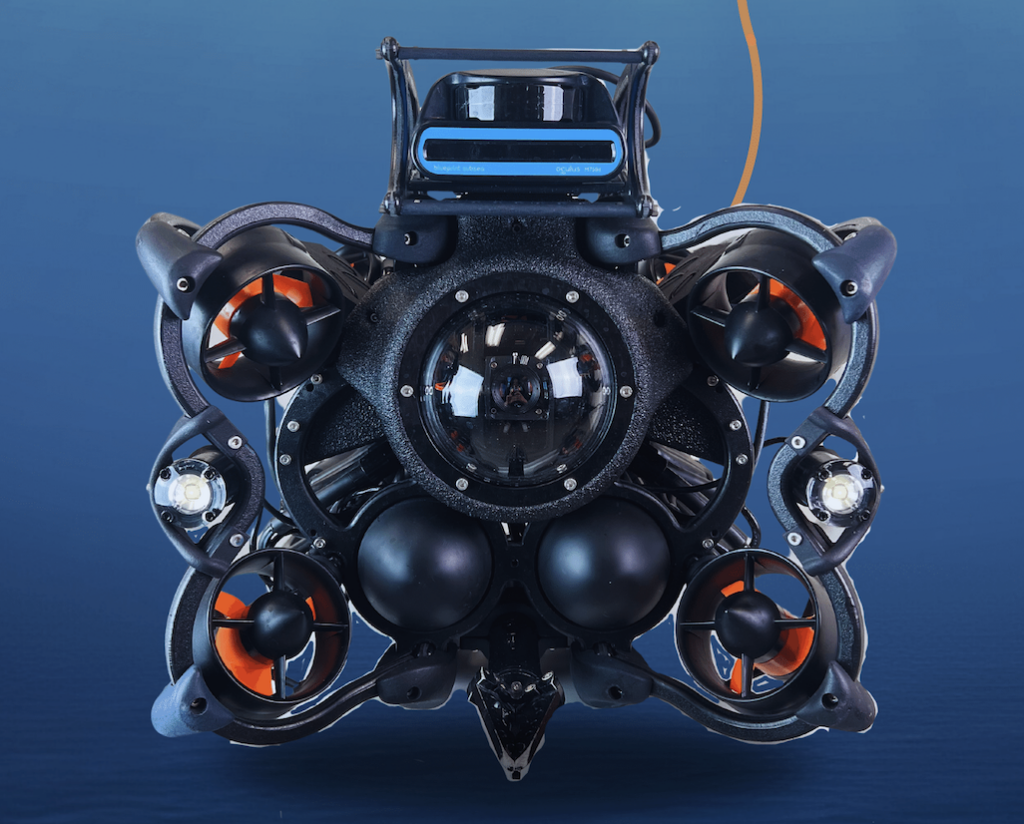
These factors apply across operations ranging from shallow infrastructure inspections and object recovery to deep-water surveys and oceanographic research, with the SRV-8 Series offering different operating depths, station-keeping capabilities, payload capacities, and levels of portability.
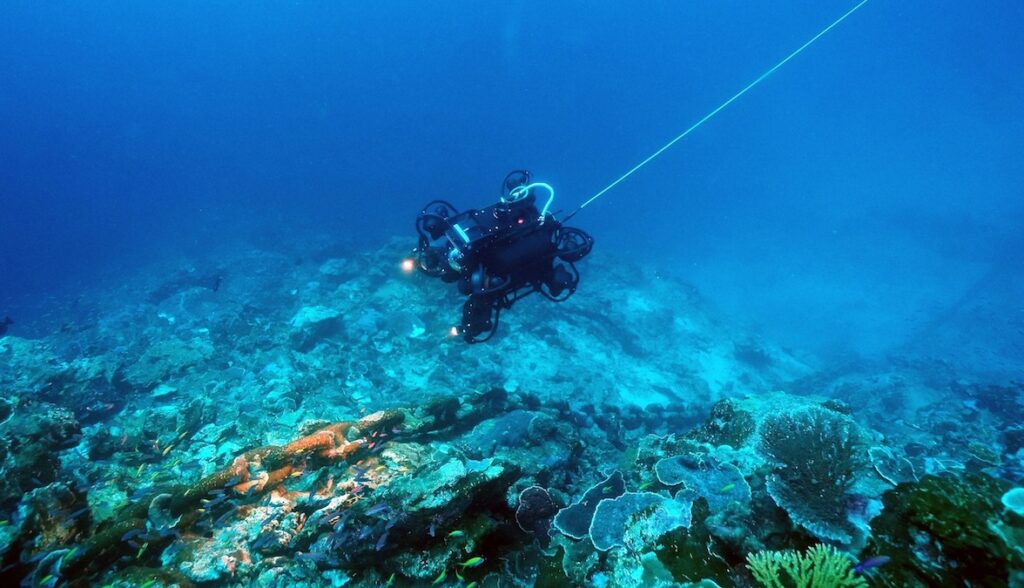
Operating depth provides the first consideration. Shallow and surface operations from 0 to 100 m can include ship hulls, sunken objects, dock pilings, and harbor infrastructure, while operations from 100 to 500 m can involve pipeline and culvert access, bridge footings, and submerged intake pipes. At depths from 500 to 1,200 m, applications include subsea pipelines, oceanographic research, and extreme-depth surveys.
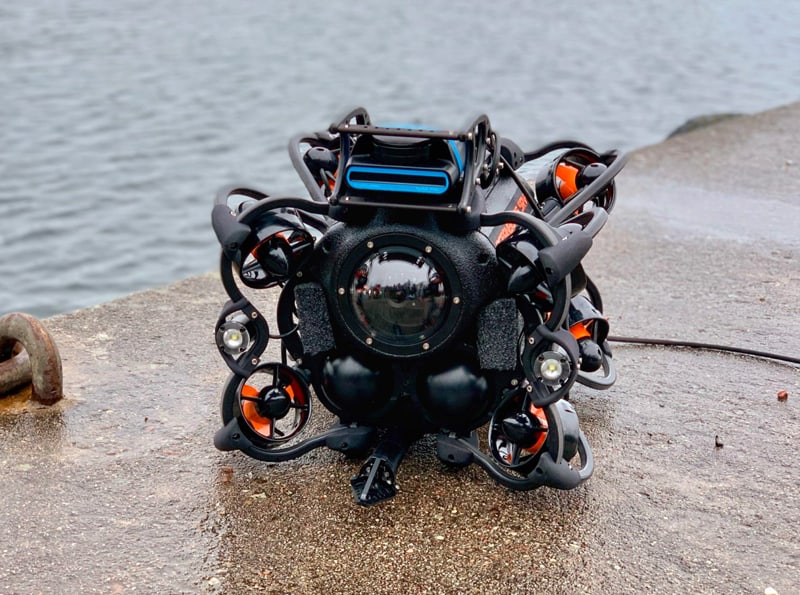
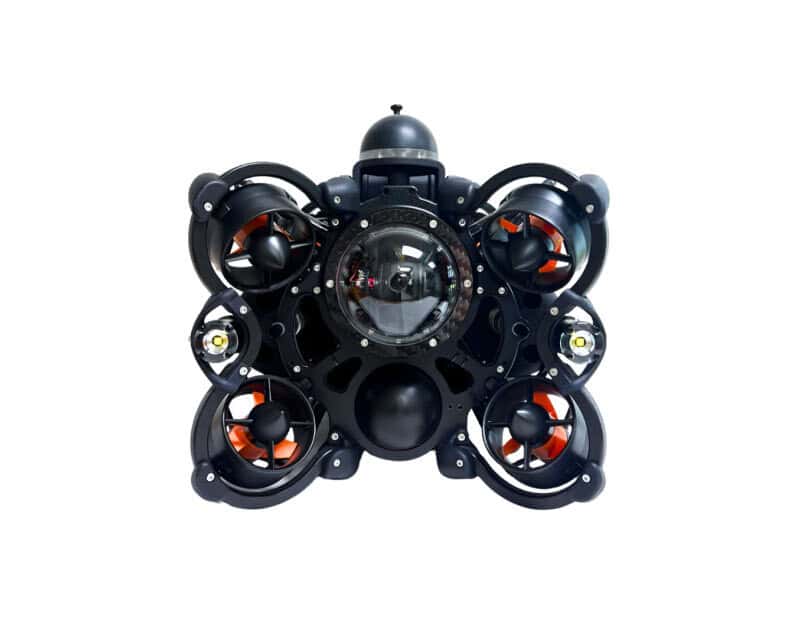
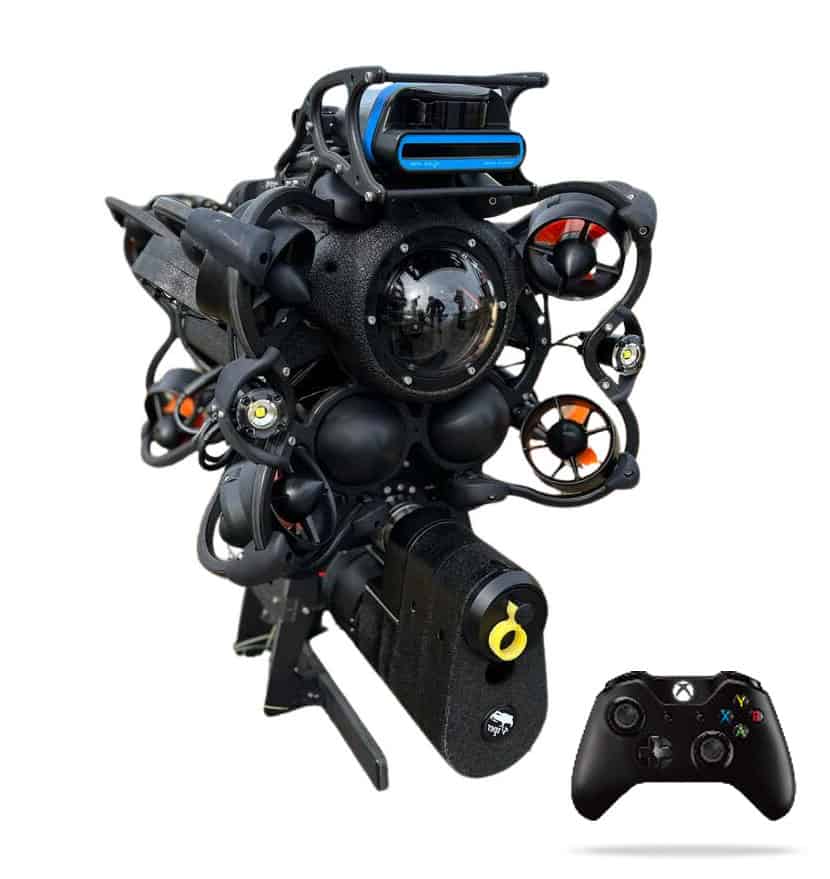
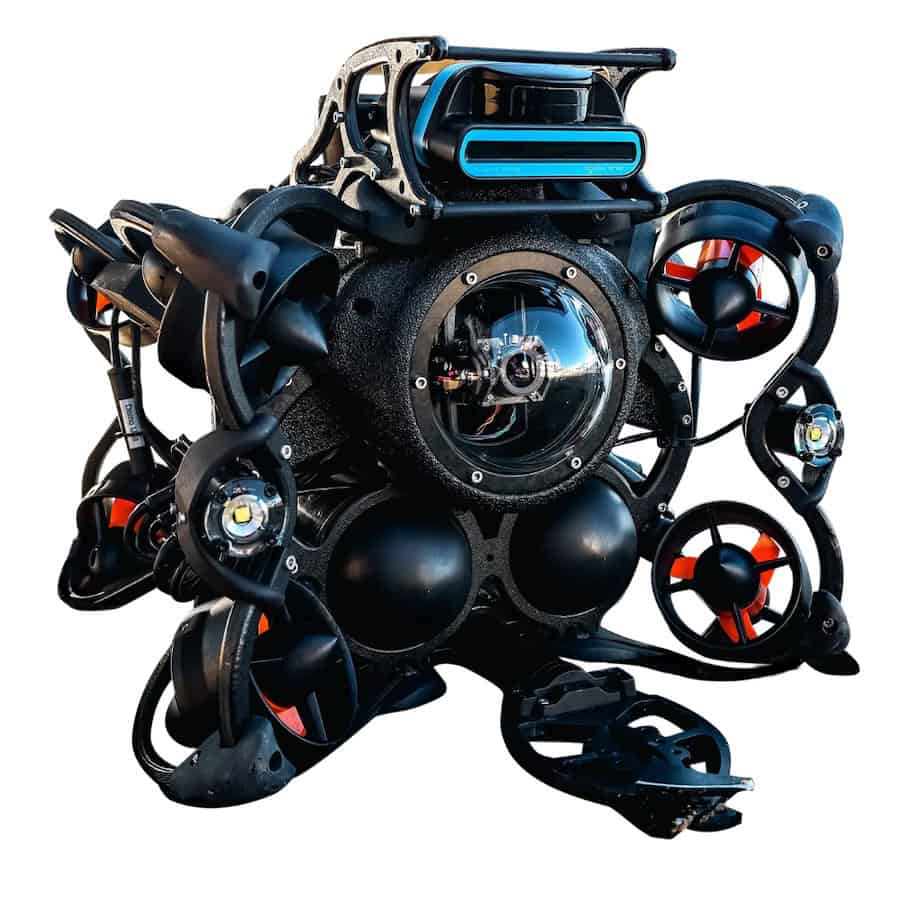
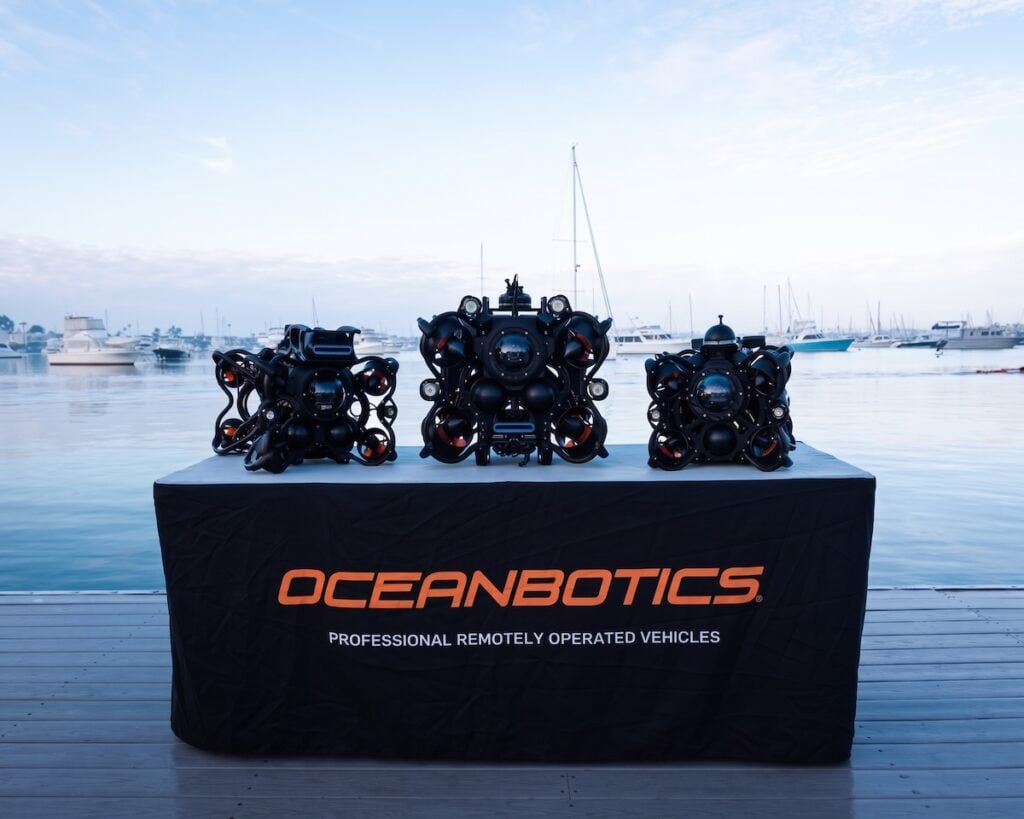
SRV-8 Series from left to right: SRV-8, SRV-8C, and SRV-8X
Water conditions also vary from calm marinas, lakes, and reservoirs with no current, through coastal waters, tidal pulls, and river systems with some current, to open-ocean environments, deep offshore structures, and low-temperature operations with strong currents that require maximum station-keeping power.
Payload and the type of work required form the third consideration. Observation missions can involve visual assessments, security checks, and high-definition video surveillance, while light intervention covers object recovery, manipulation, basic site mapping, and localized deployment for investigations. More demanding work can include complex manipulation, deep-water surveys, and multi-sensor payload integration.
Comparing the SRV-8 Series
Within the Oceanbotics SRV-8 Series, both the SRV-8C and SRV-8 are rated to depths of up to 350 m and support multisensor payloads. The SRV-8C provides standard station-keeping capability and packs into one compact transport case, supporting single-operator, rapid-deployment observations and inspections such as ship hull inspections, shallow dock pilings, evidence recovery, and immediate look-and-see observations.
The SRV-8 provides enhanced station-keeping capability and uses two transport cases, with applications including intervention, object recovery, site mapping, dam inspections, bridge footings, pipe maintenance, and mid-depth search and recovery. Its architecture can also integrate add-ons including imaging sonar and robotic grabbers.
For deeper and more demanding operations, the SRV-8X is rated to depths of up to 1,200 m and provides maximum station-keeping capability, extreme multisensor payload capacity, and transport in two cases. It provides stronger thrust and expanded payload capacity designed to power and carry simultaneous advanced integrations. Applications identified for the SRV-8X include subsea energy infrastructure, multi-beam sonar surveying, USBL tracking, heavy deep-water manipulation, complex subsea surveys, and demanding expeditions.
Read ‘How to Choose the Right ROV: A 3-Step ROV Selection Guide for Subsea Missions’ for more information.