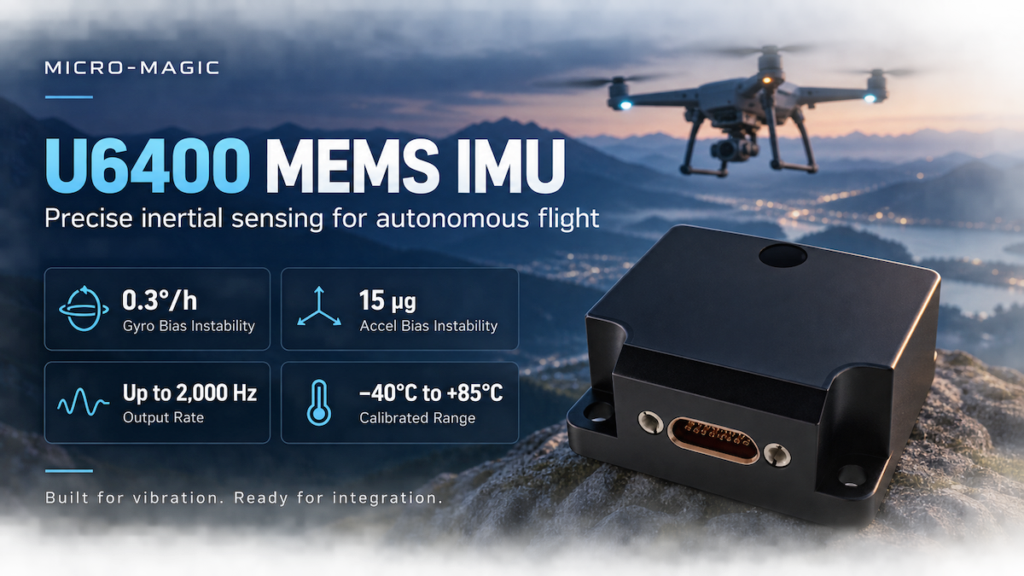

Micro-Magic explains the factors affecting MEMS Inertial Measurement Unit (IMU) performance in rotorcraft Unmanned Aerial Vehicles (UAVs) operating without reliable GNSS, including high dynamics, rotor vibration, signal interruption, and Size, Weight, and Power (SWaP) constraints.
When GNSS is lost in locations such as canyons or built-up areas, or because of interference, the aircraft must rely on inertial navigation and IMU integration, causing navigation errors to increase rapidly over time. Gyroscope bias produces linearly growing attitude error, which can lead to cubic growth in position error. Bias levels of 1°/h to 10°/h generally support interruptions measured in seconds, while 0.1°/h to 1°/h may sustain navigation for several minutes. Bias stability better than 0.05°/h can typically support interruptions lasting more than ten minutes.
These specifications are generally measured under ideal conditions, and actual flight performance may degrade severalfold because of vibration and temperature changes. Angle Random Walk (ARW) also affects high-frequency control, as elevated ARW can cause flight-control oscillations and create a reinforcing cycle of vibration and noise. Full-temperature scale-factor variation is similarly important, with products rated at 100 to 500 ppm and those rated at 2,000 to 5,000 ppm potentially showing orders-of-magnitude differences in performance during cross-regional missions.
Vibration & Navigation Error Compensation
Rotor vibration can degrade attitude estimation when the IMU raw sampling rate is insufficient, resulting in signal aliasing. When the sampling rate satisfies the Nyquist criterion, digital low-pass filtering can remove high-frequency vibration before downsampling. If the sampling rate is too low, high-frequency vibration can alias into lower-frequency measurements and potentially cause the integrated navigation system to fail.
Raw sampling rate should therefore be assessed alongside bias stability, ARW, full-temperature scale-factor stability, and demonstrated performance under vibration. At the algorithm level, an Extended Kalman Filter (EKF) can estimate bias while GNSS is available and retain the latest estimate during an outage, although its linearization assumption may become less effective under nonlinear noise during extended interruptions.
Visual-inertial navigation (VINS) can tightly couple visual feature points extracted from cameras with IMU data to provide stable velocity corrections in texture-rich environments. Recurrent neural networks, including Long Short-Term Memory (LSTM) networks, can also learn temporal error patterns and compensate for bias when satellite and visual signals degrade.
Micro Magic MEMS IMU Options
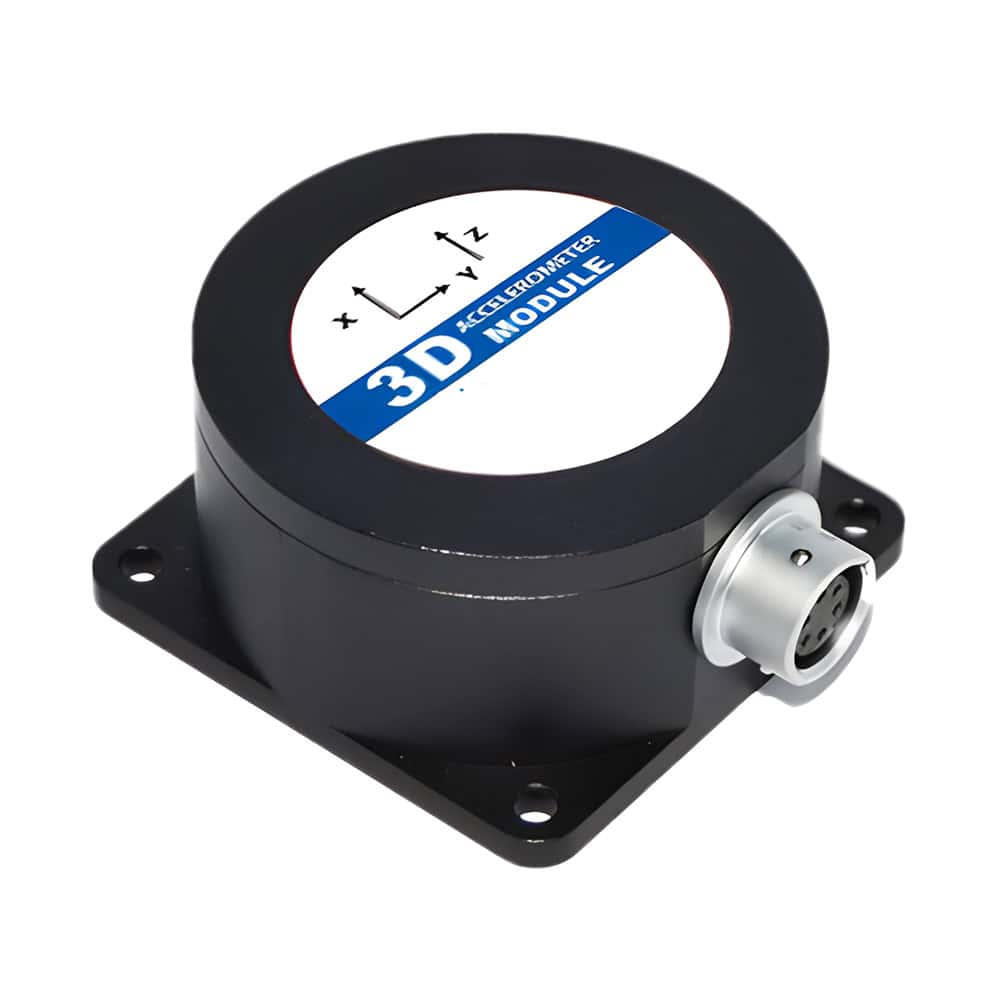
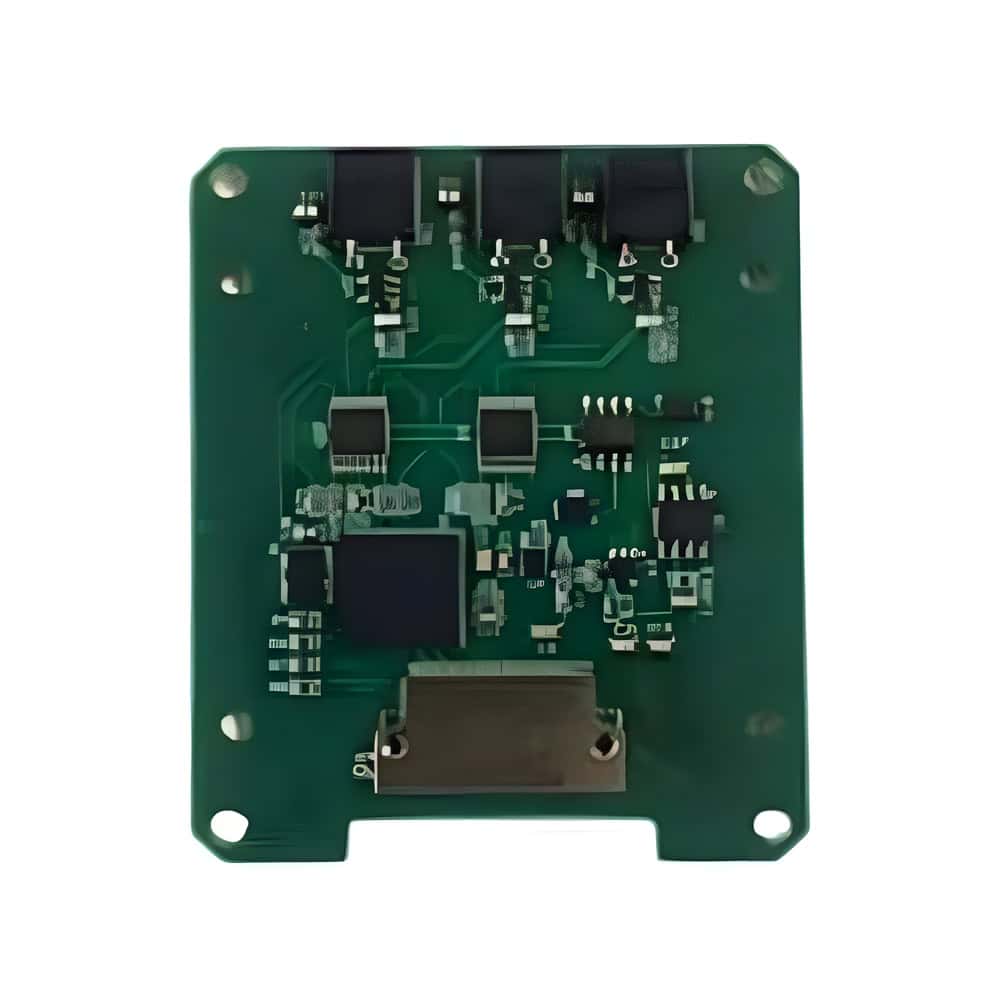
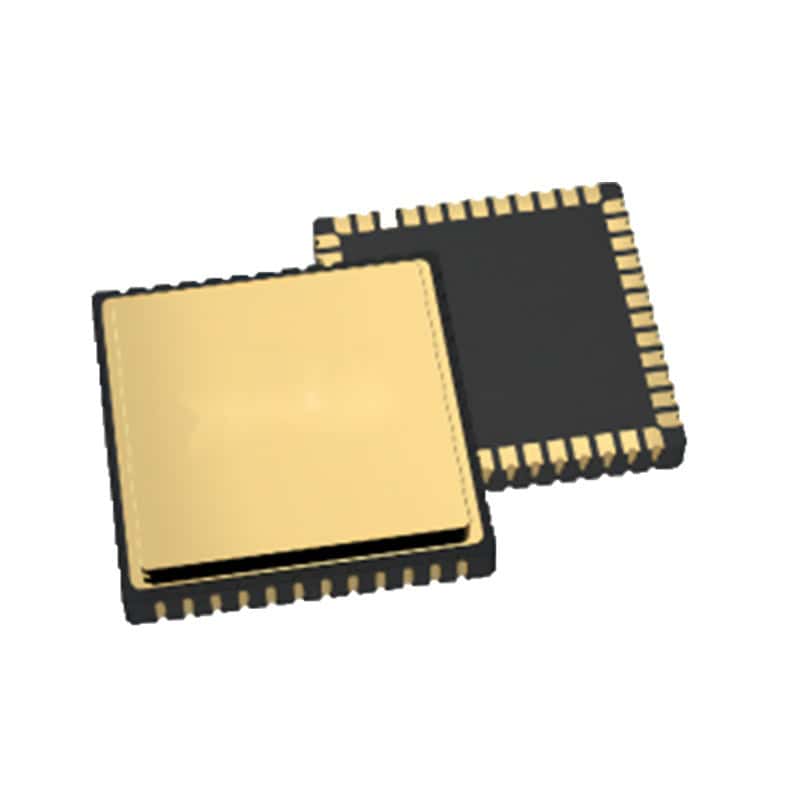
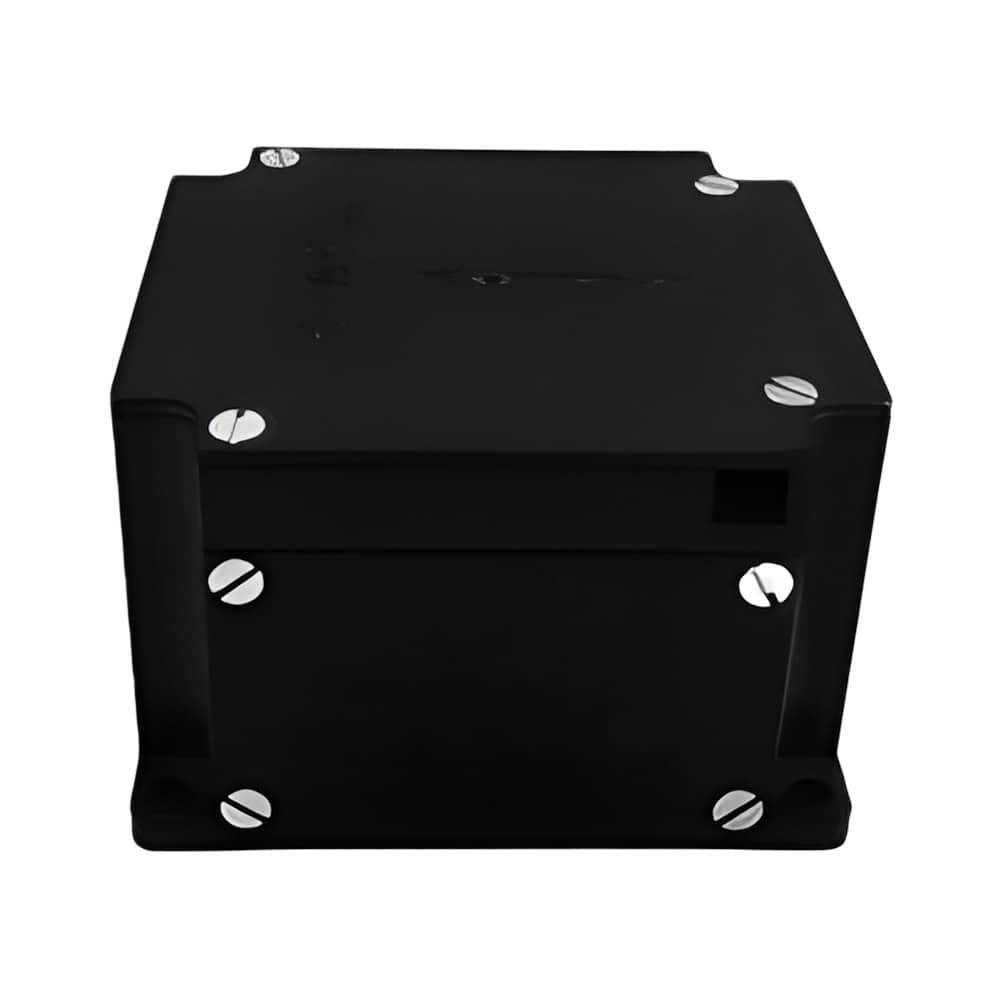
The Micro-Magic U6488 High-Precision MEMS IMU provides gyroscope bias stability of 1°/h based on Allan variance, ARW of 0.065°/√h, accelerometer bias stability of 30 μg, and velocity random walk of 0.01 m/s/√h. Its SPI output rate is up to 2,000 Hz, and the unit measures 47 × 44 × 14 mm and weighs 50 g. The 2,000 Hz SPI output rate is intended to help reduce the risk of vibration aliasing, while its 50 g weight makes it suitable for small UAV platforms with tight SWaP constraints. Its 1°/h bias stability and 0.065°/√h ARW are sufficient for minute-level pure inertial navigation.
The U6300 High-Precision MEMS IMU offers gyroscope bias stability of 0.1°/h, accelerometer bias stability of 10 μg, data output at up to 1,000 Hz, and compensation across the full temperature range from -40°C to 85°C. It measures 38.6 × 44.8 × 10 mm and weighs 50 g. Its gyroscope bias stability is one order of magnitude better than that of the U6488, helping reduce position-estimation error during GNSS interruptions and supporting longer autonomous navigation periods.
The choice between the two IMUs depends on the required autonomy period, available payload capacity, and expected vibration environment. The U6488 represents a high-output-rate, lightweight MEMS approach for applications where vibration and SWaP constraints are primary considerations. The U6300 emphasizes higher gyroscope precision and supports longer periods of pure inertial navigation, making it suitable for missions involving GNSS denial lasting from several minutes to approximately ten minutes, particularly where tolerance for navigation drift is lower.
Selecting the appropriate device also requires an understanding of the relevant error mechanisms, differences between the two products, and practical performance verification when balancing performance against cost.
Visit the Micro-Magic website for more information on the U6488 and U6300 High-Precision MEMS IMUs.