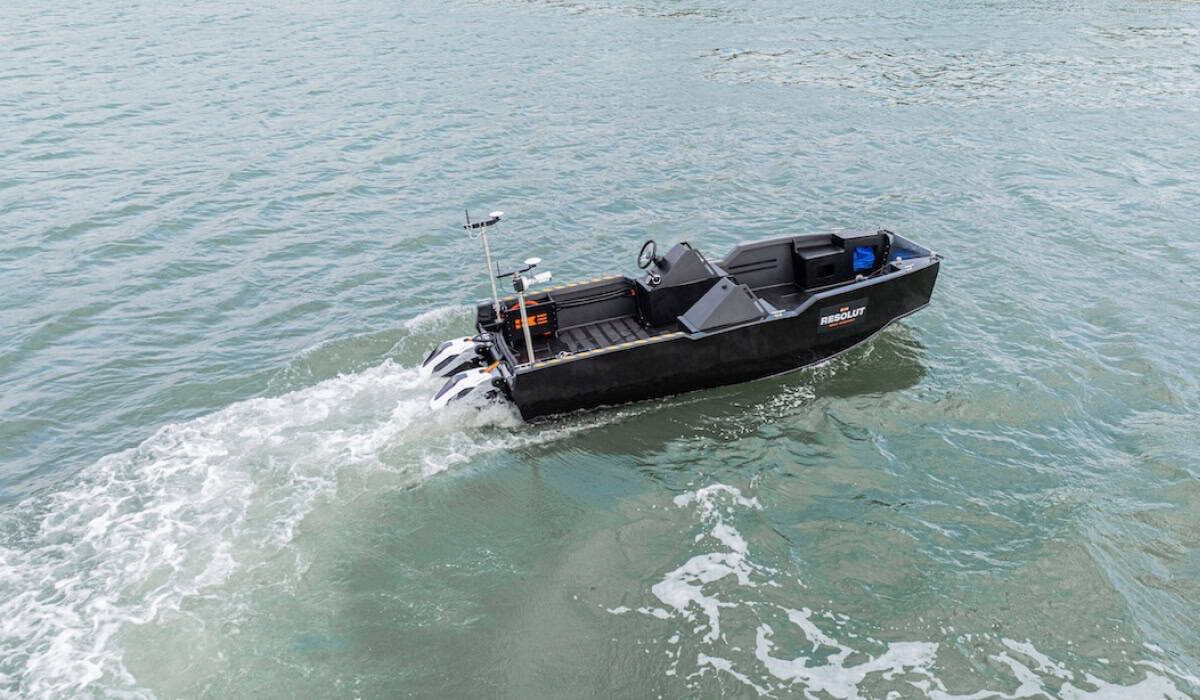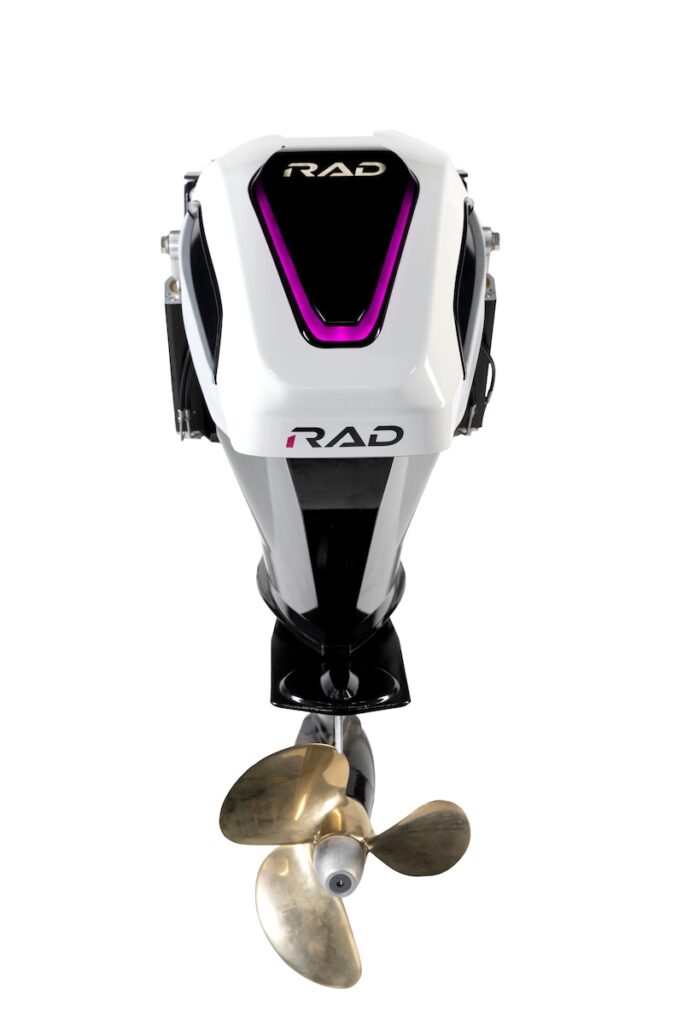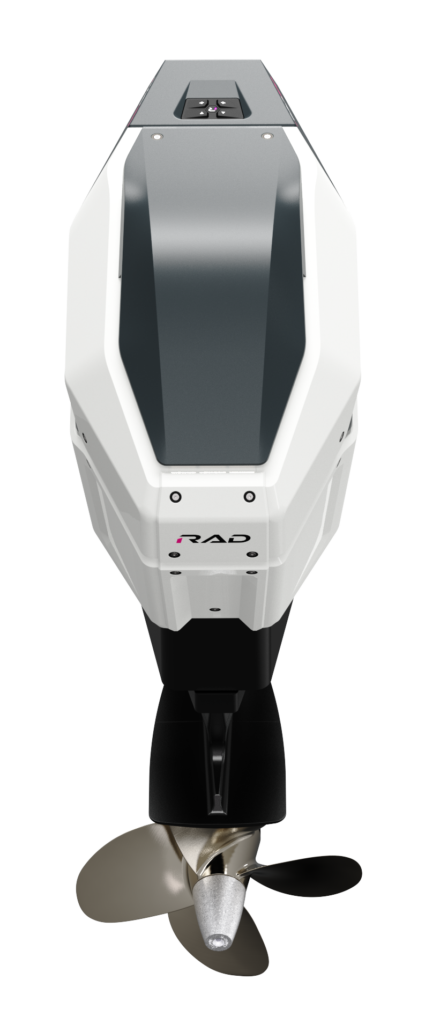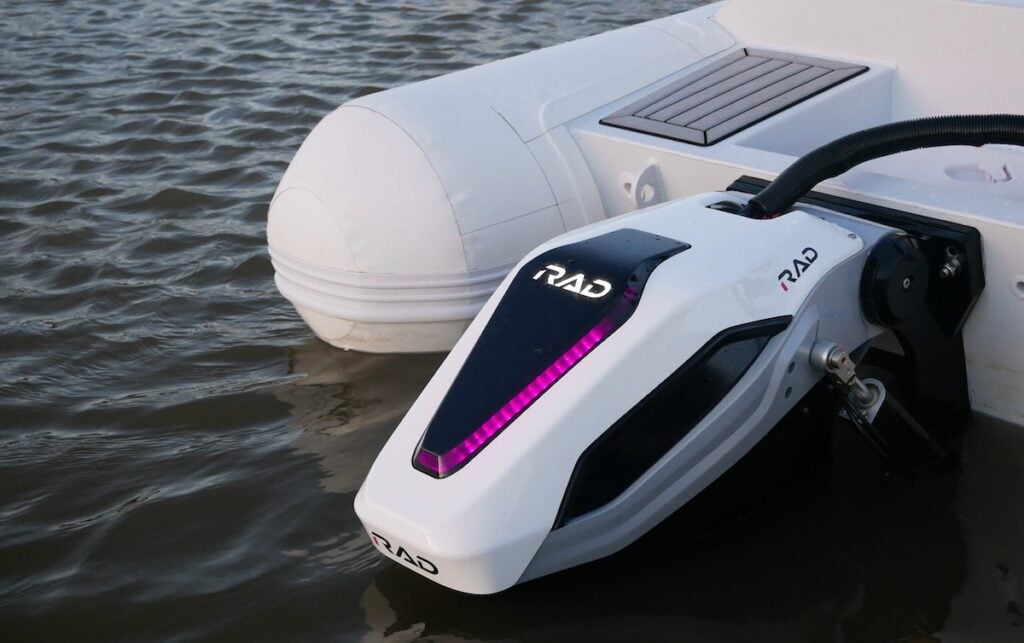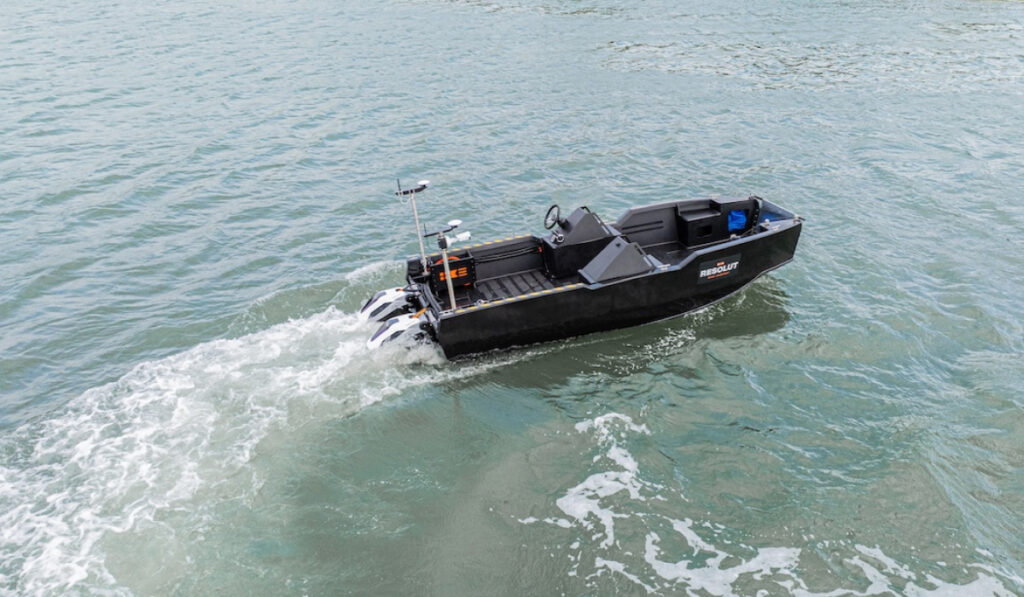



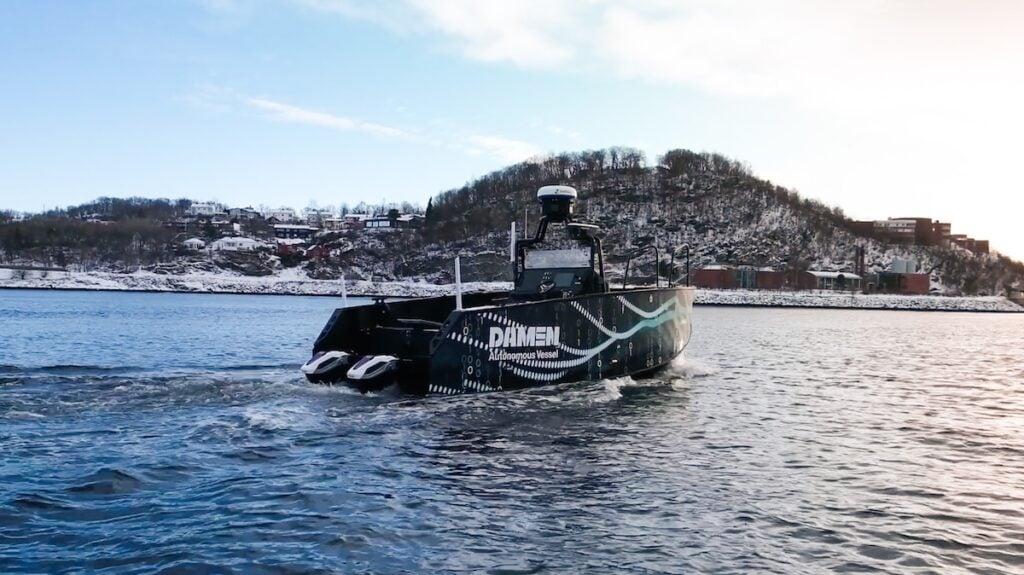
Converting a conventional boat into an Uncrewed Surface Vessel (USV) can require extensive engineering work, and RAD Propulsion highlights how digitally controlled electric propulsion architectures can simplify this process by integrating propulsion, control and vessel data systems from the outset.
Traditional boats are typically built around human operation, with propulsion systems relying on mechanical or hydraulic controls for functions such as throttle adjustment, gear selection and steering. Adapting these systems for autonomous or remotely operated use can require additional actuators, control interfaces and bespoke electronics to replicate the physical actions normally carried out by a crew member.
Further integration challenges can arise from managing engine functions including starting, stopping, idling and fuel monitoring, while ensuring compatibility with navigation systems, communications equipment and mission payloads.
Although modern electronically controlled engines can reduce some of these challenges, their underlying architecture remains focused on operation from a conventional helm.
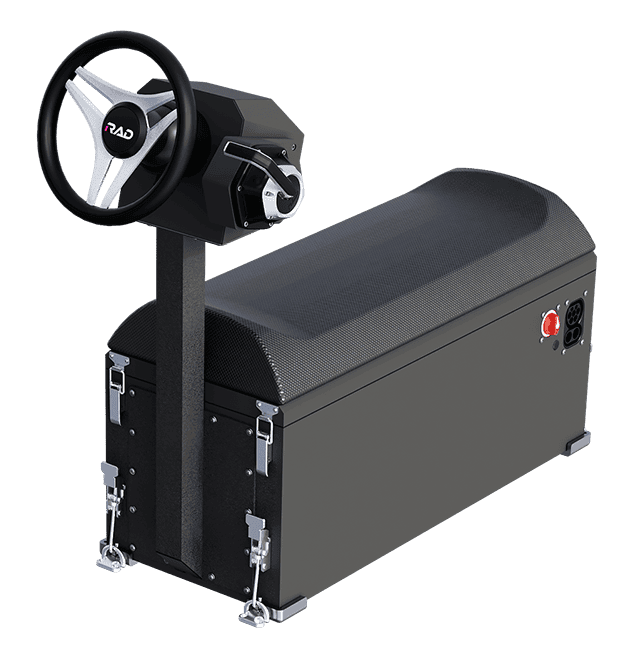
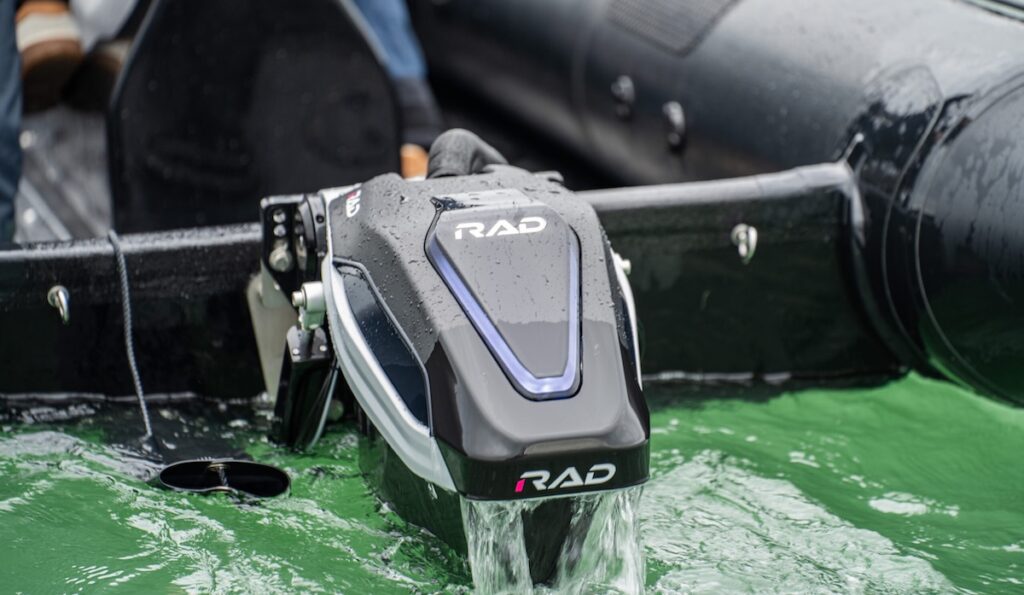
RAD Propulsion’s electric propulsion approach is based around digital control from the beginning. The proprietary system enables throttle, steering and system data to be communicated electronically, reducing the mechanical complexity often associated with converting conventional propulsion systems for uncrewed operation.
Rather than adapting a propulsion system originally designed for human-operated controls, vessel builders can integrate propulsion, control and monitoring functions into a connected digital architecture.
AXON Provides a Digital Integration Layer
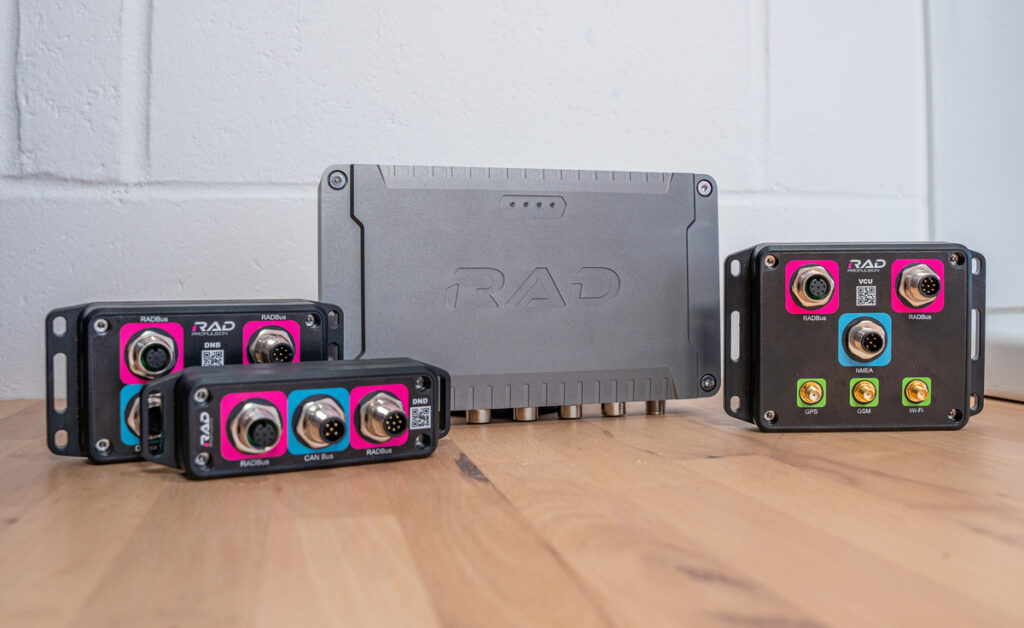
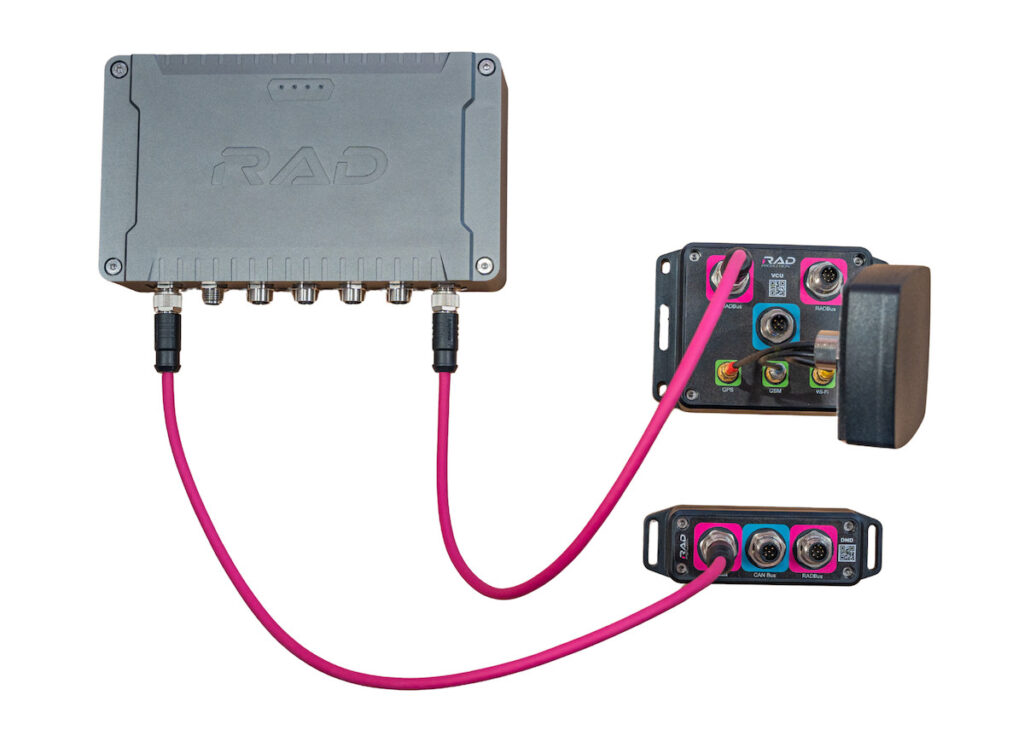
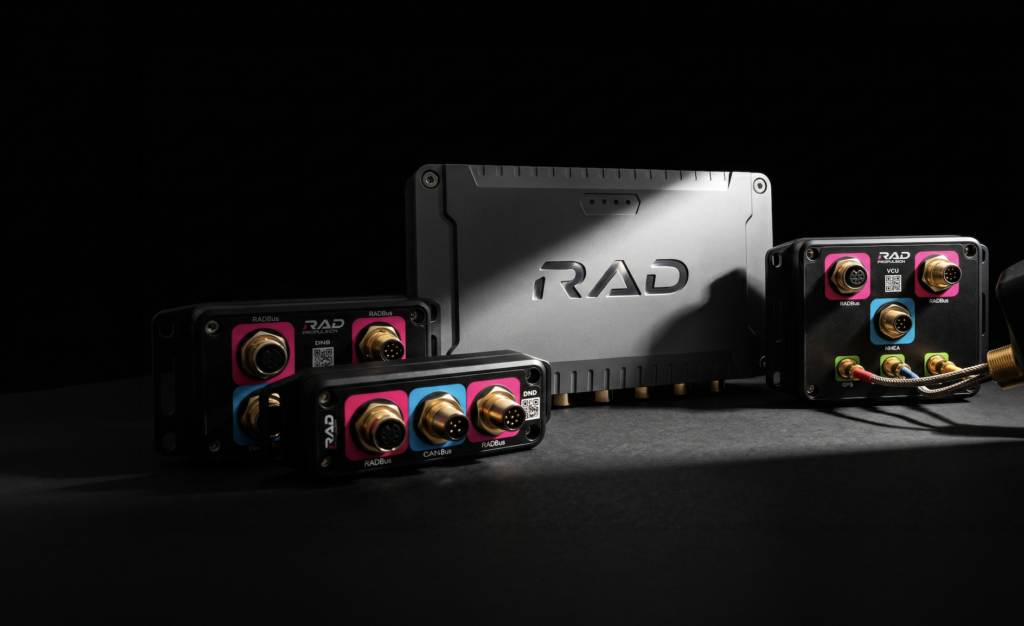
At the centre of this ecosystem is AXON, an onboard integration platform designed to connect propulsion, energy storage, navigation, sensors, mission equipment and third-party systems through a vendor-agnostic framework.
The platform provides a standardised approach for integrating onboard systems, reducing the requirement for bespoke interfaces during vessel development and simplifying future upgrades as technologies evolve.
By creating a common communication framework between onboard components, AXON can translate commands from remote operators or autonomous navigation software into electronic propulsion and steering inputs. The platform also provides access to real-time system health, performance and energy data, allowing operators to monitor vessel operation throughout a mission.
This creates a more direct digital control architecture by reducing reliance on several traditional engine-related interfaces, including:
- Mechanical throttle or gear controls
- Engine starting, idling and warm-up procedures
- Separate physical interfaces between propulsion and control systems
- Complex integration pathways between propulsion, sensors and mission equipment
Instead, the system provides electronic control of thrust and steering, access to propulsion and battery information, and a simplified route for integrating navigation, sensing and mission systems.
Electric Propulsion for Precision USV Operations
Electric propulsion can provide characteristics suited to a range of USV missions, including instant torque and precise low-speed control. These capabilities can support operations such as following survey lines, maintaining position and manoeuvring near infrastructure.
The absence of onboard fuel and reduced noise and heat signatures associated with electric propulsion can also make the technology particularly suited to applications including environmental monitoring, hydrographic survey and defence.
Beyond vessel performance, a digitally integrated propulsion architecture can affect the wider development process. The architecture can support shorter development timelines, simplify commissioning activities and make it easier to incorporate additional payloads, sensors and autonomous capabilities as mission requirements evolve.
Building Propulsion Into the USV Architecture
By combining electric propulsion with the AXON integration platform, the approach treats propulsion as part of the wider USV architecture rather than as a standalone vessel component.
The integrated propulsion, control and data platform is designed to form part of the USV’s core architecture from day one, bringing propulsion control, system monitoring and onboard data communication together within a connected framework.
This provides vessel builders and operators with a pathway for developing uncrewed vessels where propulsion and digital systems are integrated from the beginning of the design process.