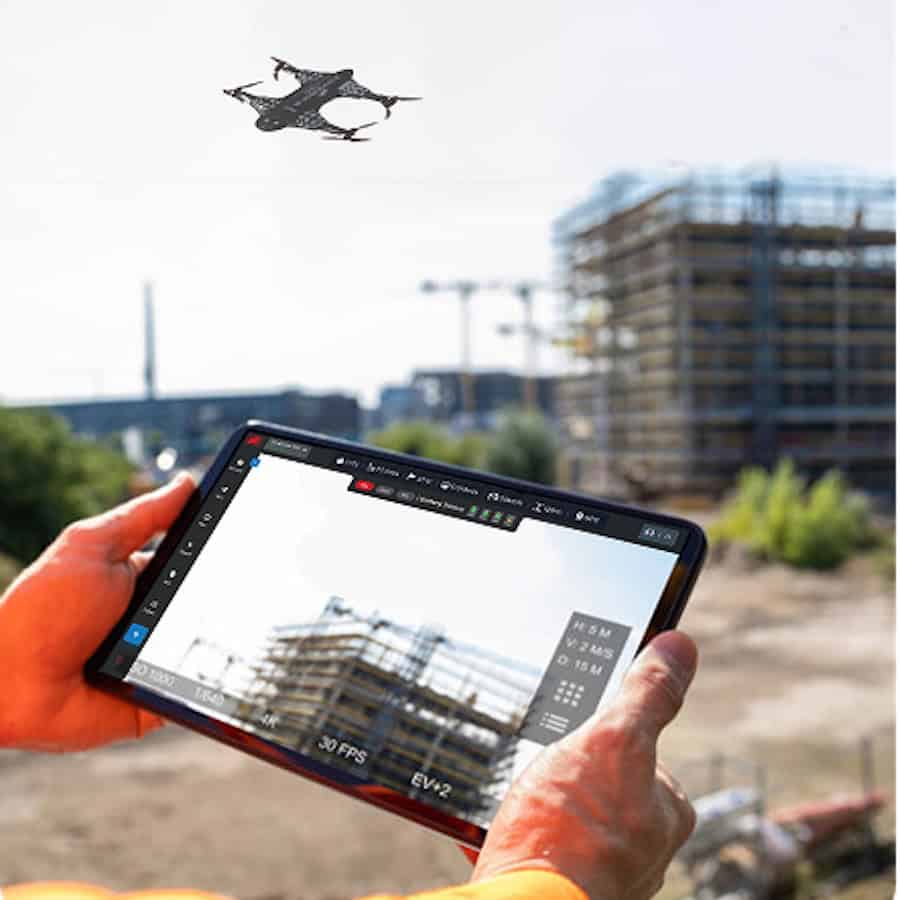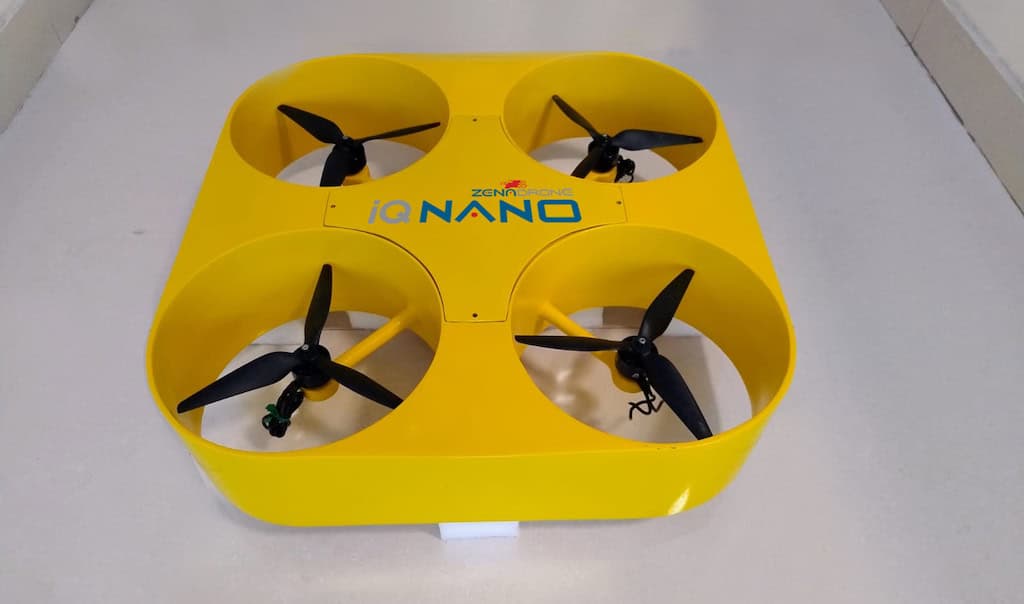
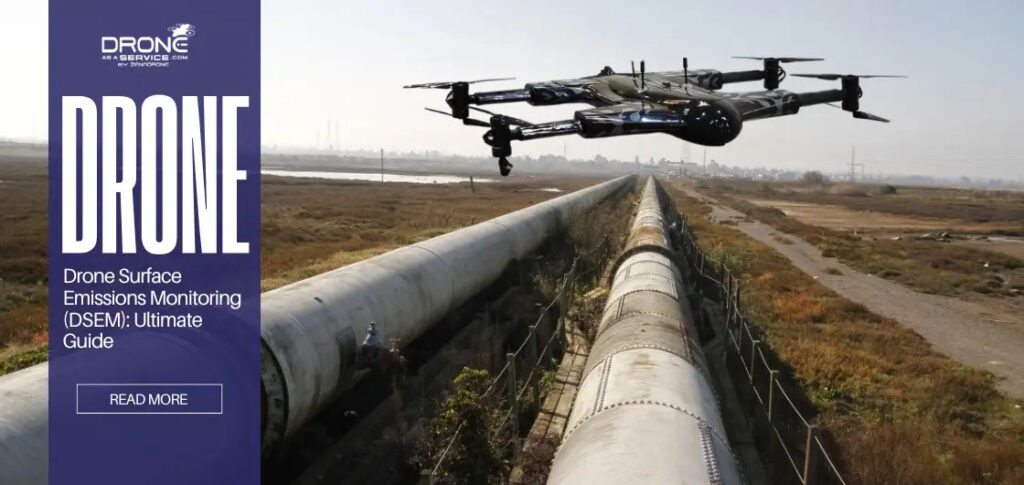
Drone as a Service by ZenaDrone has outlined how Drone Surface Emissions Monitoring (DSEM) is transforming environmental compliance by enabling faster, safer, and more accurate detection of greenhouse gas emissions across a range of industries.
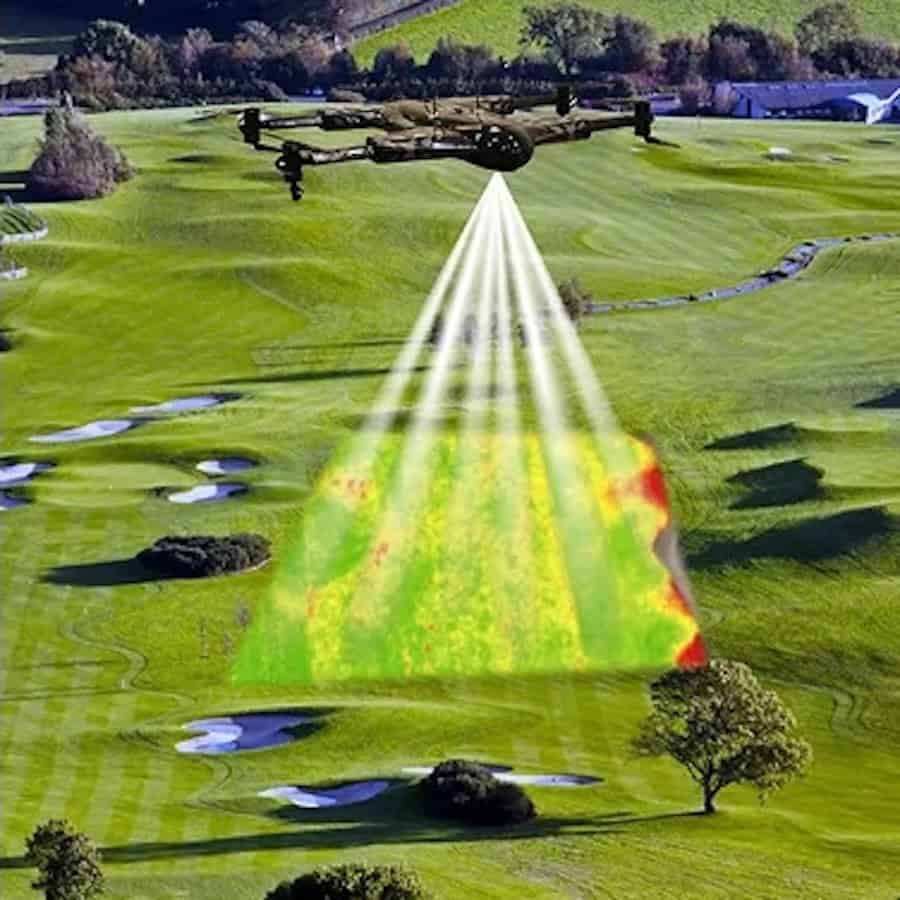
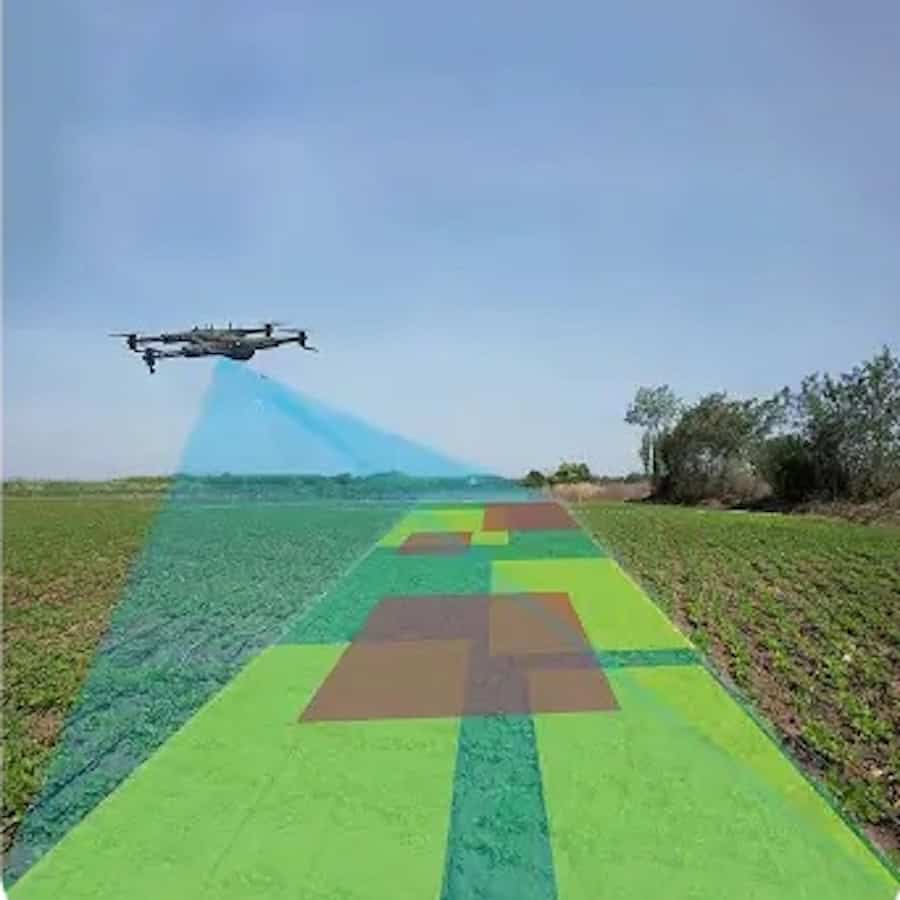
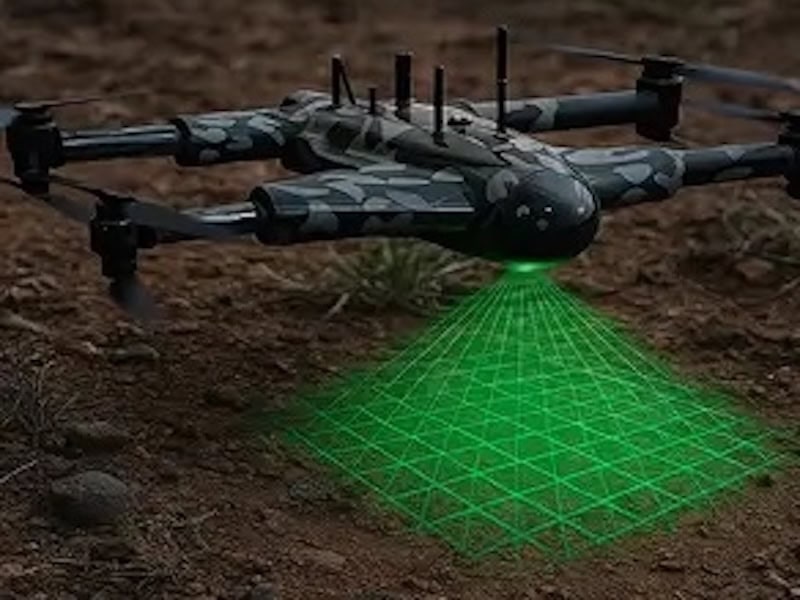
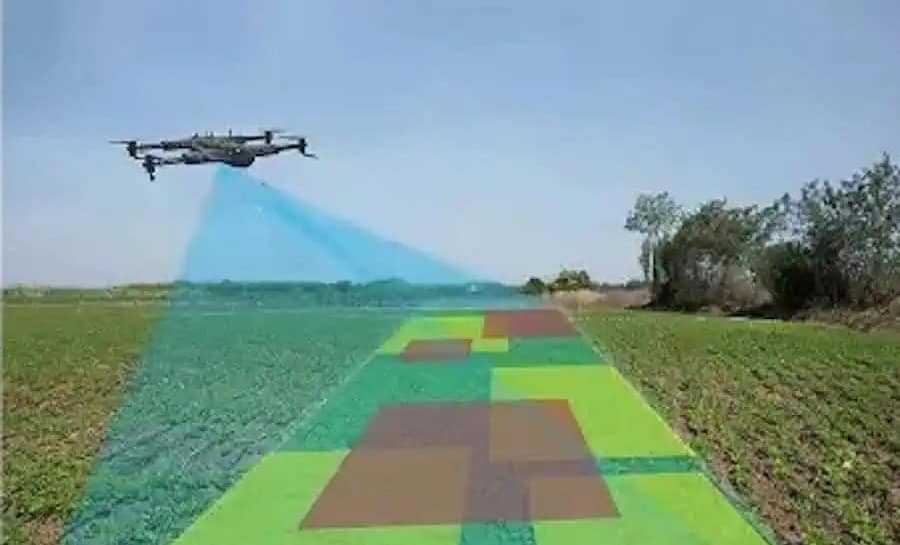
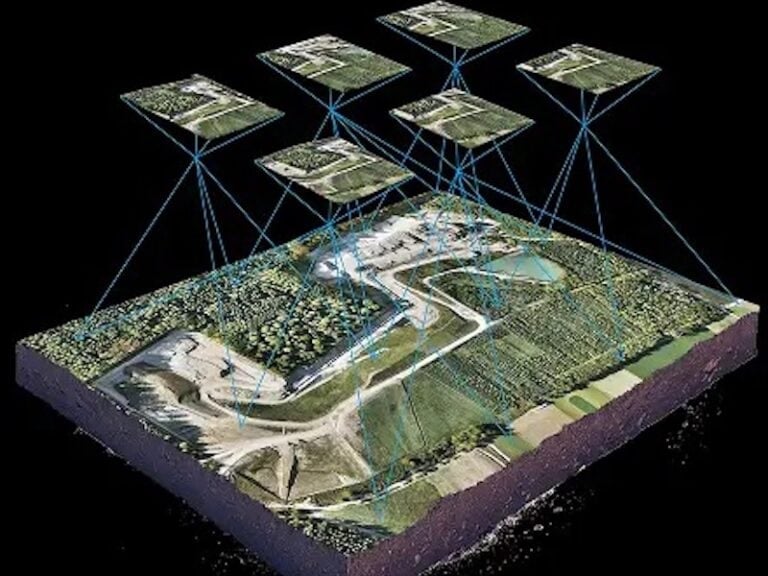
The technology replaces traditional manual inspections with automated drone flights equipped with advanced gas detection sensors, thermal imaging, and terrain following capabilities. By collecting high resolution, geo referenced data, DSEM can identify methane, carbon dioxide, hydrogen sulfide, and other emissions while reducing the need for personnel to enter hazardous environments.
According to the company, automated drone surveys can cover up to 150 acres per day, providing rapid leak detection and cloud based analytics that allow operators to pinpoint emission sources and accelerate remediation efforts. The approach is increasingly being adopted across waste management, energy, agriculture, manufacturing, and environmental monitoring applications as organizations respond to stricter emissions regulations and sustainability targets.
The guide also highlights the growing role of AI and machine learning in predictive emissions monitoring, enabling operators to analyze historical data, forecast future trends, and integrate emissions information into wider IoT ecosystems for enhanced operational insights.
While challenges remain, including weather limitations, battery endurance, regulatory requirements, and upfront investment costs, continued advances in drone platforms, sensor technologies, and autonomous operations are expected to further expand the capabilities and adoption of DSEM in industrial and environmental monitoring.