Unmanned Traffic Management (UTM) Systems and Components
As the airspace becomes increasingly populated with unmanned aircraft systems (UAS), the demand for safe, scalable, and efficient coordination grows. Unmanned Traffic Management (UTM) is a specialized framework designed to manage drone traffic, especially in complex, low-altitude environments.
If you design, build or supply Unmanned Traffic Management, create a profile to showcase your capabilities and connect with visitors who have an active requirement for your solutions.
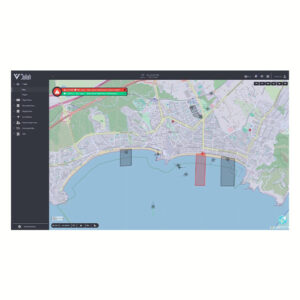
Digital operations center for safe & scalable UAS & AAM integration
Digital operations center for safe & scalable UAS & AAM integration
...scalable BVLOS unmanned aviation operations. Funded by NASA and AFWERX, the web-based solution can... ...regional BVLOS systems, counter-UAS, drone-in-a-box networks, and disaster response, AAM OptiX™...
Unmanned Traffic Management (UTM) Systems and Components
Overview by
Sarah Simpson
Updated:
Unmanned Traffic Management (UTM) is a digital ecosystem designed to manage drone operations in uncontrolled airspace, eliminating the need for human air traffic controllers. It enables Beyond Visual Line of Sight (BVLOS) and complex multi-drone operations by coordinating flight planning, authorization, monitoring, and deconfliction services.
The UTM system serves as an interface between drone operators, service providers, and regulatory authorities, ensuring safety, compliance, and efficiency in unmanned airspace.
UTM is distinct from traditional air traffic management systems in that it is more distributed, relies heavily on automation, and integrates a variety of onboard and infrastructure-based technologies.
Core Technologies & Components of UTM Systems
The effectiveness of a UTM system relies on a range of onboard, communication, and ground-based technologies. These components work together to deliver real-time tracking, traffic deconfliction, and regulatory compliance.
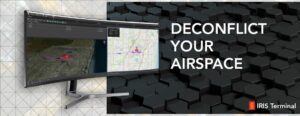
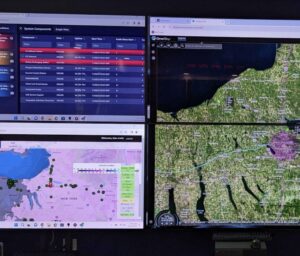
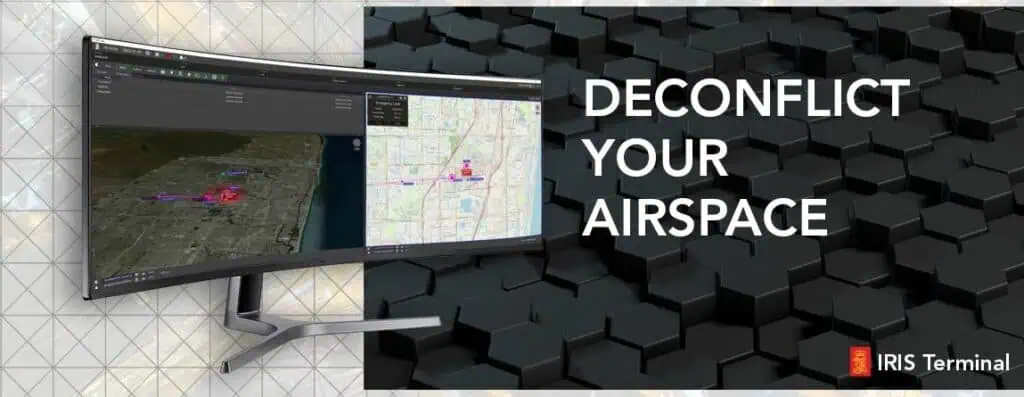
Airspace visualization platform, IRIS Terminal, by Kongsberg Geospatial
ADS-B technology is a cornerstone of drone detect-and-avoid capabilities within UTM. There are two main types:
ADS-B Out: Transmits position, velocity, and identification data from the drone.
ADS-B In: Receives data from other aircraft to provide situational awareness.
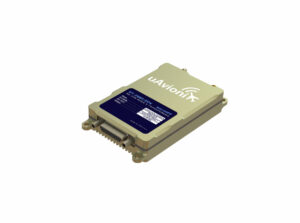
Many advanced unmanned aircraft are equipped with ADS-B transponders, while ADS-B receivers and ADS-B equipment serve as surveillance tools for both drones and ground stations. ADS-B is especially crucial for enabling Beyond Visual Line of Sight (BVLOS) drone operations, allowing for seamless integration into shared airspace.
Autopilot Systems
A drone’s autopilot is essential for executing UTM-assigned flight plans with precision. These systems include inertial measurement units (IMUs), GNSS, barometric sensors, and flight control software. Autopilot technology also supports dynamic rerouting and emergency response, which are vital for real-time UTM coordination.
Remote ID
Remote ID provides identification and location information of drones in flight, much like a digital license plate. This is mandated by several national aviation authorities and is integrated into UTM systems to maintain transparency and enforce compliance.
Collision Avoidance & Anti-Collision Systems
Collision avoidance systems, sometimes paired with collision warning algorithms, help detect nearby aircraft or obstacles using radar, vision sensors, or LiDAR. These technologies enable UTM-assisted or fully autonomous deconfliction, critical in dense or dynamic environments.
Drone Transponders & UTM Communication Modules
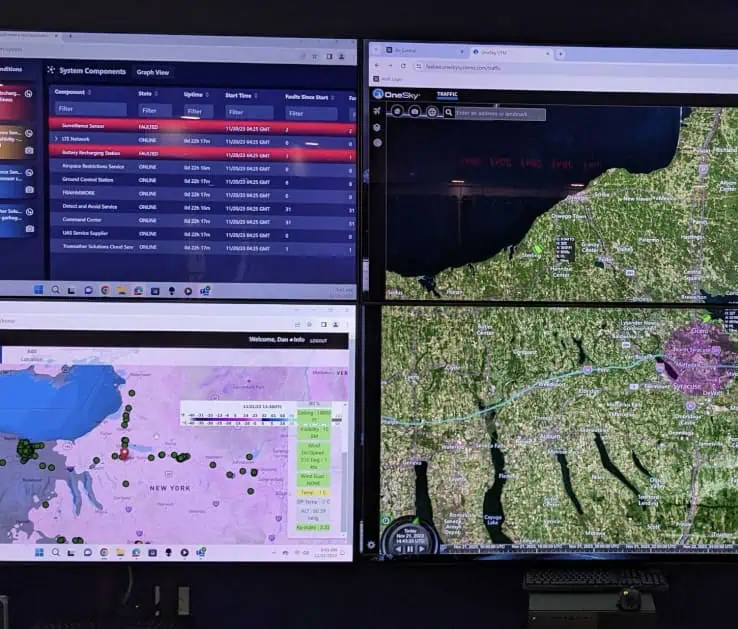
ResilienX’s AAM OptiX™ provides aviation-grade digital infrastructure
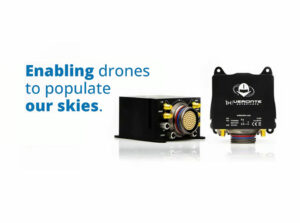
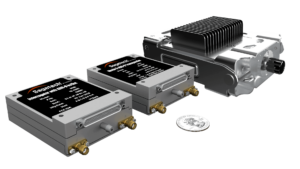
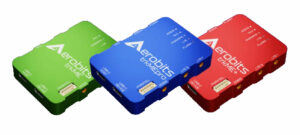
Equipping unmanned aircraft with drone-specific transponders ensures interoperability with airspace monitoring systems. These devices often combine ADS-B, Remote ID, and other telemetry protocols into compact, lightweight packages.
Ground Infrastructure & UTM Service Providers
UTM relies on a distributed network of ground-based service providers that handle airspace authorization, flight plan submission, geofencing, and real-time traffic alerts. These systems integrate with national aviation authorities and local airspace control zones to enforce rules and ensure safety.
UTM Regulation & Global Frameworks
Governments and international bodies are aligning on standards to unify UTM technology. Examples include:
FAA UTM initiatives (USA): The FAA has issued guidelines on Remote ID and collaborates with NASA on UTM implementation for beyond visual line of sight (BVLOS) drone and urban operations.
U-space (EU): Under the SESAR Joint Undertaking, the EU’s U-space initiative defines digital services for the management of unmanned aircraft system traffic.
Global efforts: ICAO and other bodies are working toward standardization to allow drone UTM systems to operate across borders without conflict.
Applications of UTM Technology
UTM systems are utilized in commercial drone delivery, infrastructure inspection, emergency response, and are increasingly used in urban air mobility (UAM). These use cases often require coordination between multiple drones and high levels of airspace complexity, further emphasizing the need for robust UTM management.
Emerging Trends & Future Development
The future of unmanned traffic management is being shaped by technological, regulatory, and market drivers:
Artificial intelligence in airspace coordination: AI and machine learning are being used to predict potential conflicts and optimize flight paths.
Integration with manned aviation: Efforts are underway to link UTM with traditional Air Traffic Management (ATM) systems, especially where visual line of sight (VLOS) and beyond visual line of sight (BVLOS) operations converge.
Urban-scale traffic control: Advanced UTM systems are being designed to manage drone fleets in cities, with real-time adjustments made based on weather conditions, obstacles, and no-fly zones.
Miniaturization and modularity: Next-generation ADS-B transponders and autopilot modules are being developed to suit smaller UAVs without compromising functionality.
A Maturing Landscape
Unmanned Traffic Management is crucial for integrating drones into modern airspace, particularly as unmanned aircraft systems assume increasingly critical roles in commercial and public operations. By leveraging a combination of onboard technology, including autopilot systems, ADS-B hardware, Remote ID, and collision avoidance tools, along with sophisticated ground-based UTM systems, operators can achieve safe, scalable, and compliant drone operations. As the regulatory landscape continues to evolve and technologies mature, UTM will serve as the foundation for the next generation of unmanned aircraft system traffic management.
uAvionix and Airwise Solutions integrate ADS-B surveillance with enterprise UTM capabilities to enhance airspace awareness and support scalable BVLOS operations at Skyway Range
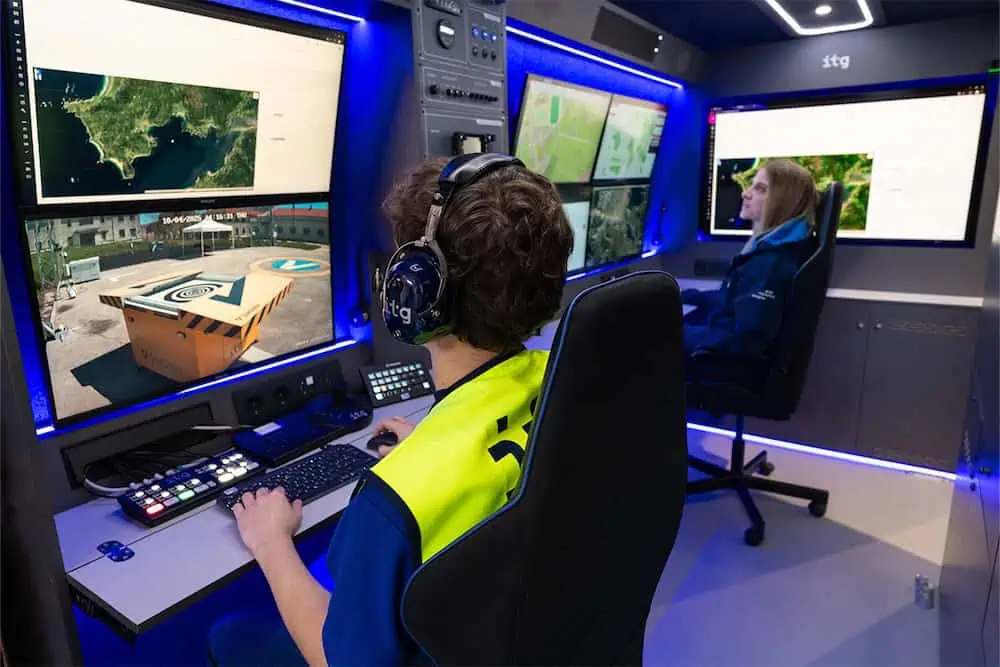
ITG Drone Solutions' products support the full lifecycle of drone operations, from mission planning and autonomous deployment to airspace management and counter-UAS protection
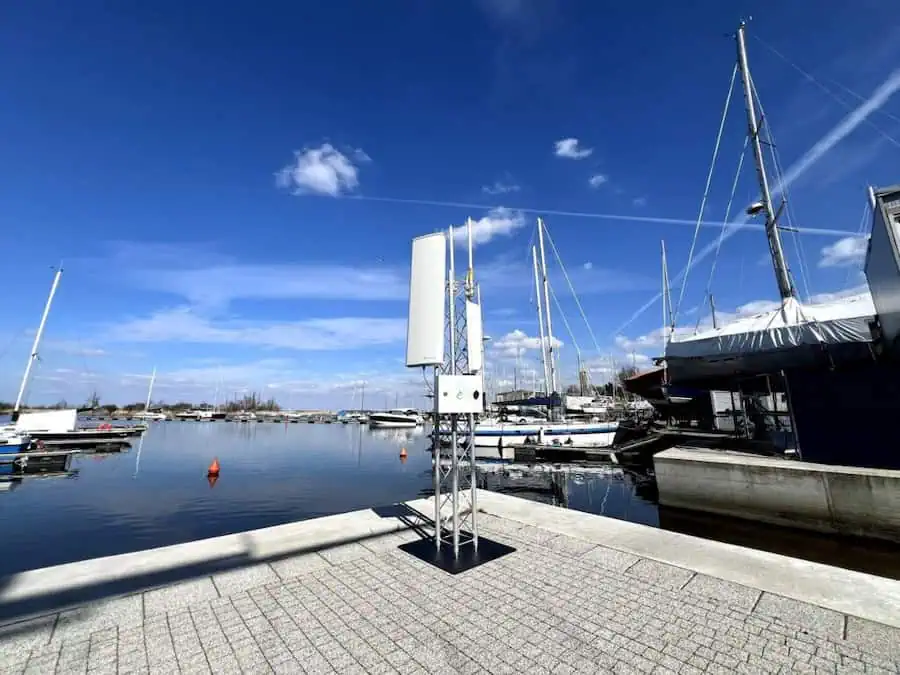
Aerobits has launched the GS3L, a configurable multi-channel receiver station designed for comprehensive monitoring of manned and unmanned air traffic, supporting ADS-B, FLARM, ADS-L and Remote ID
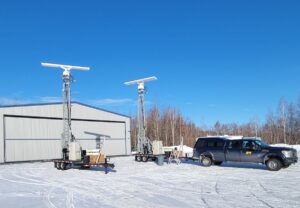
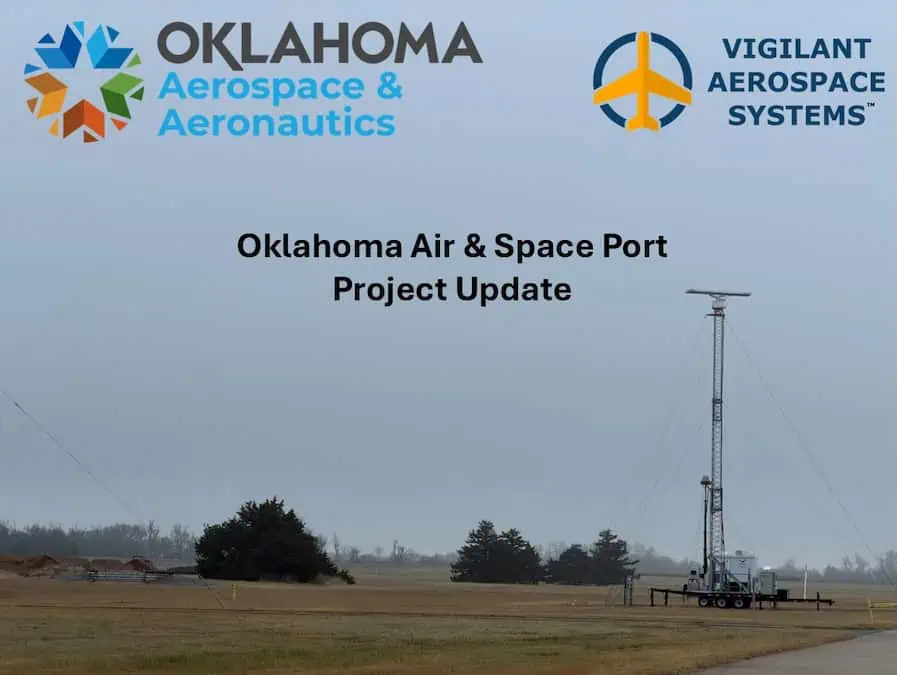
Vigilant Aerospace has deployed its FlightHorizon TEMPO airspace management system at the Oklahoma Air & Space Port, using integrated radar and transponder data to enable safe, large-area testing of autonomous aircraft and spacecraft
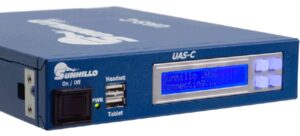
Sunhillo Corporation has joined ResilienX on the MICH-AIR BVLOS System program, delivering cloud-based SureLine surveillance fusion of radar and ADS-B for crewed and autonomous aircraft operations
ResilienX has been chosen by Battle Creek Unlimited to deliver a ground-based sense and avoid system and digital operating environment, enabling routine BVLOS operations and supporting remote, autonomous aircraft at the MICH-AIR advanced air mobility hub in Michigan
Aerobits explores the operating principles of U-Space, showing how its SWaP-friendly technologies support Remote ID, ADS-B, and FLARM for drones, while enabling airspace monitoring, situational awareness, and integration with ground infrastructure
The Wellesley Police Department relied on Dronetag RIDER to provide autonomous drone detection during the Boston Marathon, ensuring real-time situational awareness without external support
A case study from Paaspop Festival highlights how Dronetag Scout delivered real-time insight into drone activity, enabling rapid response, improved communication and greater control of a complex and crowded airspace
Dec 02, 2025
Advancing Unmanned Systems Through Strategic Collaboration
UST works with major OEMs to foster collaboration and increase engagement with SMEs, to accelerate innovation and drive unmanned systems capabilities forward.