Unmanned Traffic Management (UTM)
Discover cutting-edge solutions from 9 leading global suppliers
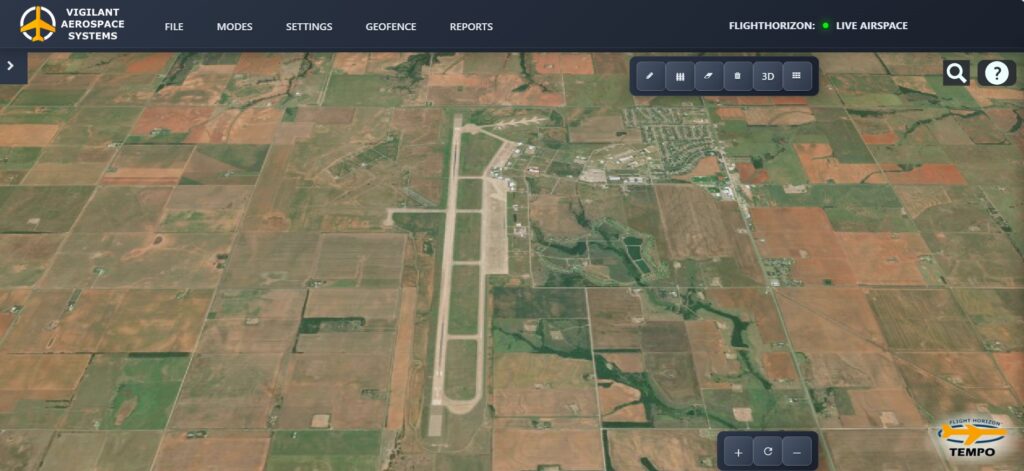
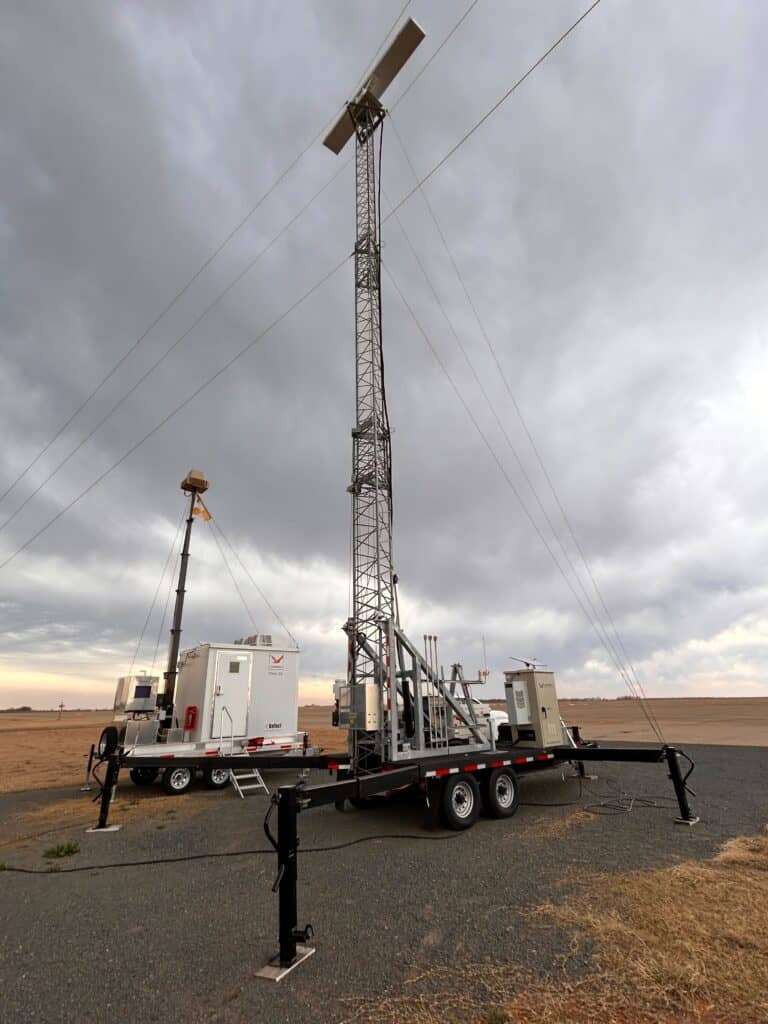
Vigilant Aerospace has installed its FlightHorizon TEMPO airspace management system at the Oklahoma Air & Space Port, incorporating long-range radars and transponder receivers to monitor and manage airspace across thousands of square kilometers.
The deployment is part of a multi-year project for the Oklahoma Department of Aerospace and Aeronautics (ODAA) to establish a national testing site for both military and civilian autonomous aircraft.
The system is designed to protect aircraft operating in the region, including small aircraft and helicopters, by providing a comprehensive view of the surrounding airspace, allowing operators to conduct flights without the traditional requirement of flying chase planes to follow every drone. By integrating multiple mobile surveillance radars, the system provides automated detect-and-avoid capabilities, real-time traffic displays, and detailed logging of all flight activity.
This infrastructure is a significant component of Oklahoma’s strategy to lead the autonomous aerospace industry. The system supports high-speed military drones and autonomous spacecraft, including the Mk-II Aurora spaceplane, which is scheduled for flight testing at the facility in 2027.
Doug Wood, State Manager for Advanced Air Mobility at ODAA, stated, “This is a key milestone in building out the infrastructure required for a national proving ground for long-distance, autonomous flight testing. FlightHorizon provides the robust traffic management system required—a standards-based, multi-sensor-ready solution that can grow with future military, cargo UAS, and air taxi operations.”
The project received funding from the Oklahoma Space Industry Development Authority (OSIDA) through the Preserving Rural Economic Prosperity (PREP) fund. To date, Vigilant Aerospace has installed three DeTect air traffic surveillance radars to support the cloud-based system, with four additional units planned for future setup. This expansion aims to increase the current 5,000-square-kilometer coverage area to approximately 10,000 square kilometers, facilitating Beyond Visual Line Of Sight (BVLOS) testing and long-distance flight validation.
Kraettli L. Epperson, Chief Executive Officer of Vigilant Aerospace, added, “This deployment creates new opportunities for advanced flight testing and operational validation. By combining standards-based detect-and-avoid and scalable surveillance infrastructure, Clinton-Sherman can support a wide range of current and future aerospace missions safely and efficiently with great cost-effectiveness and range availability compared to competing solutions.”
The FlightHorizon TEMPO system functions as a Software-as-a-Service platform that correlates data from various sources, including ADS-B transponders and radars that detect non-cooperative aircraft. Beyond commercial and military testing, the state intends to leverage the radar network and mobile radars for public-interest missions such as search and rescue, disaster response, and infrastructure monitoring.
Wood added, “Overall, we are working to leverage Oklahoma’s safe airspace and ground environment, along with its high number of flying days a year – 300 – to encourage companies to test their uncrewed systems not only at Burns Flat, but also by connecting this range to multiple test ranges throughout the state, making Oklahoma a viable, connected testing and operational environment.”