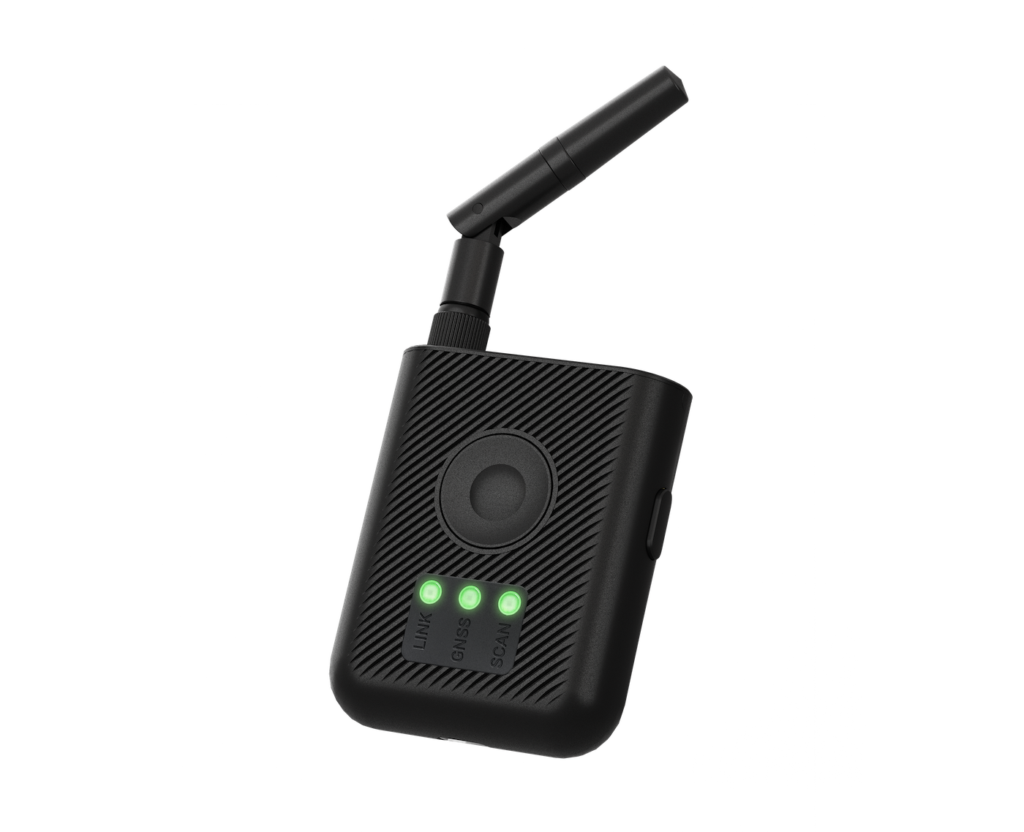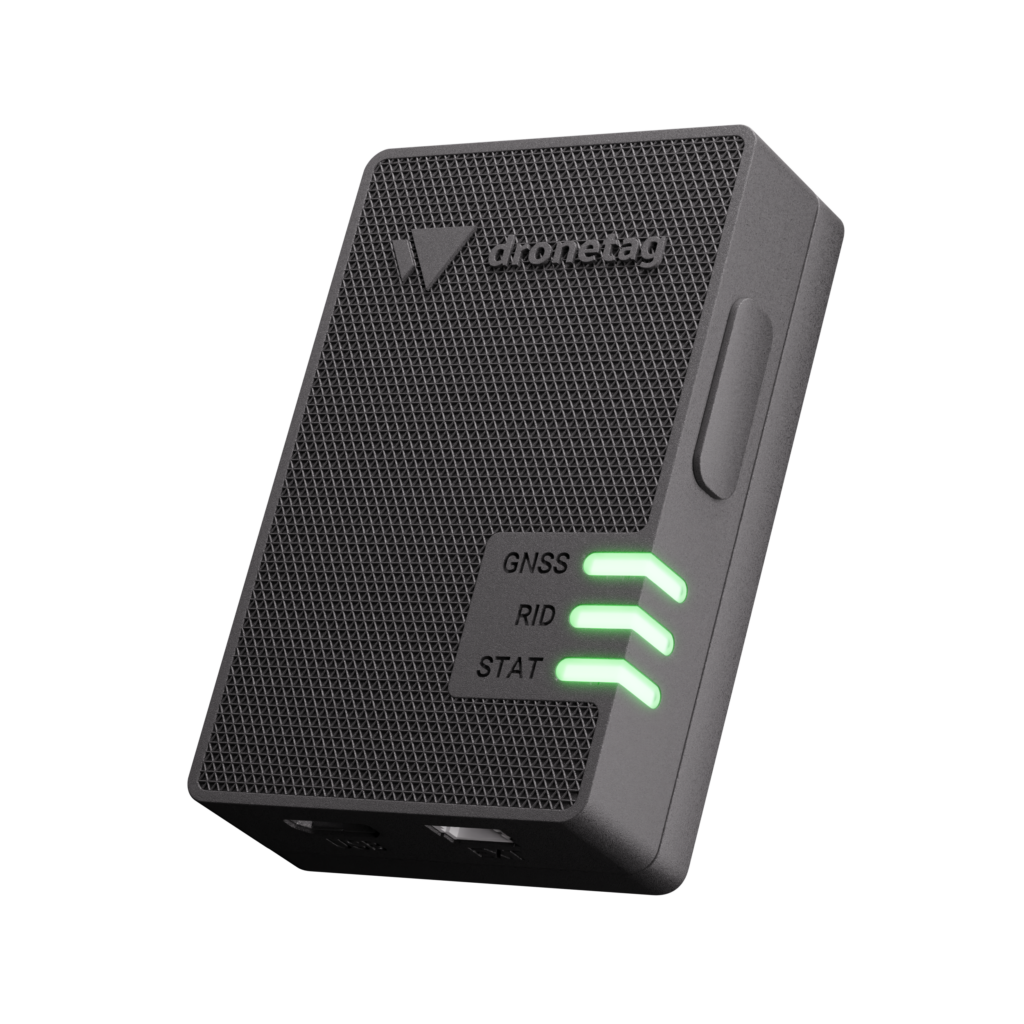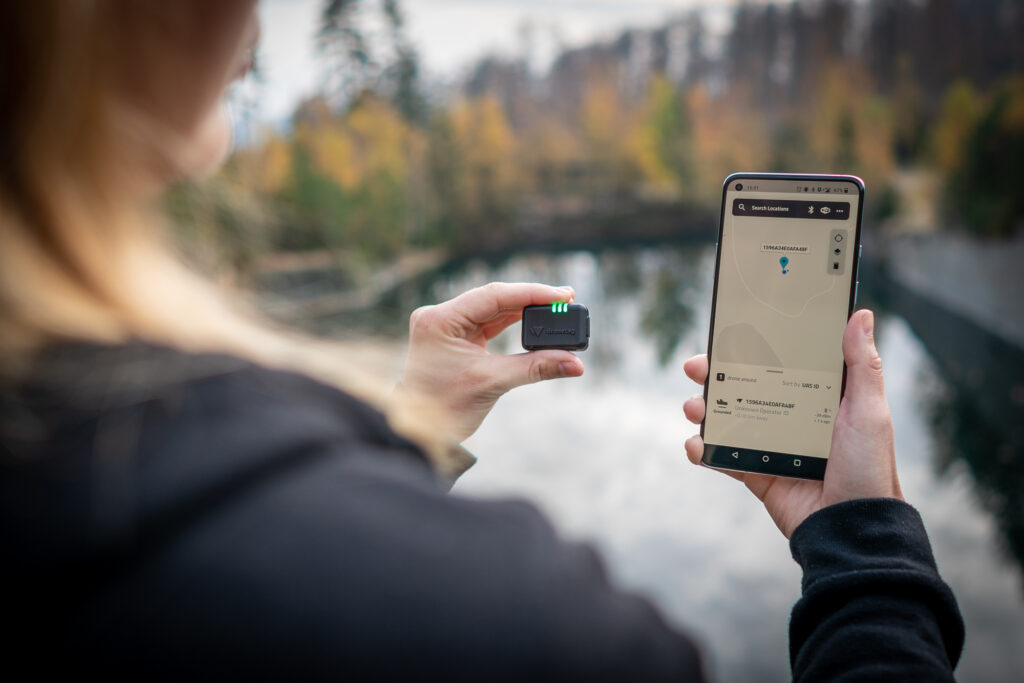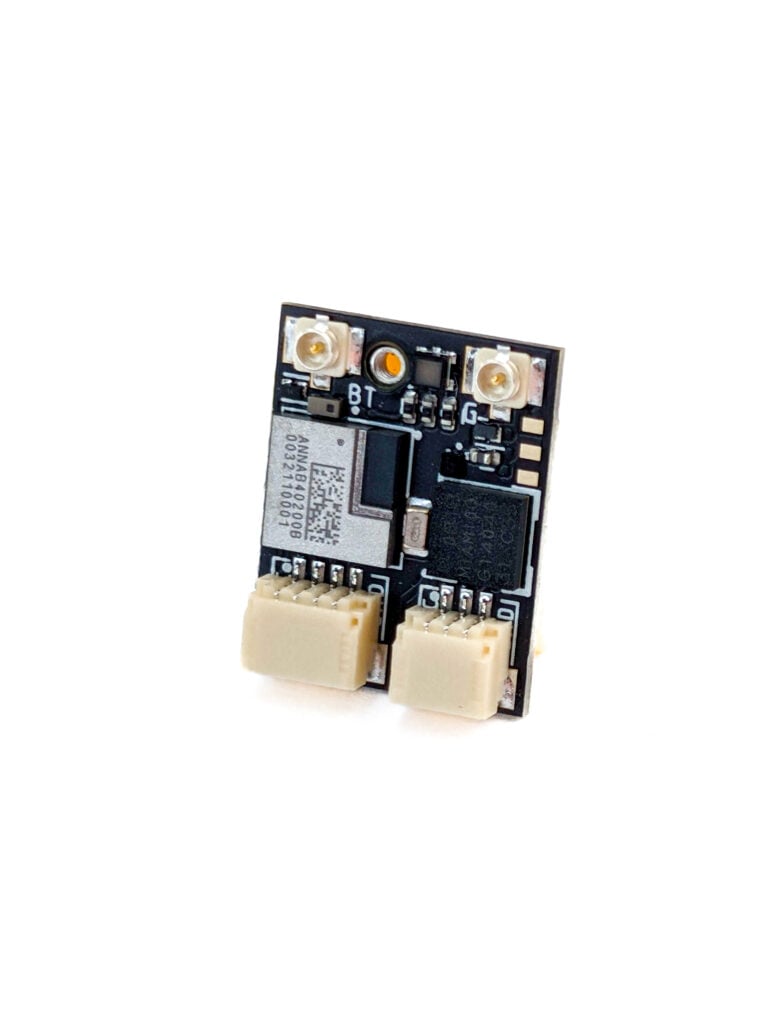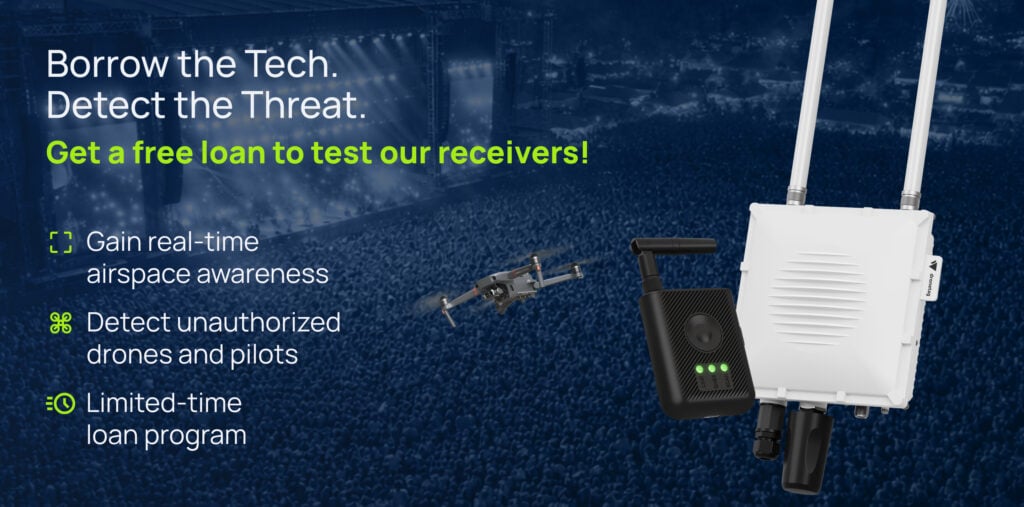
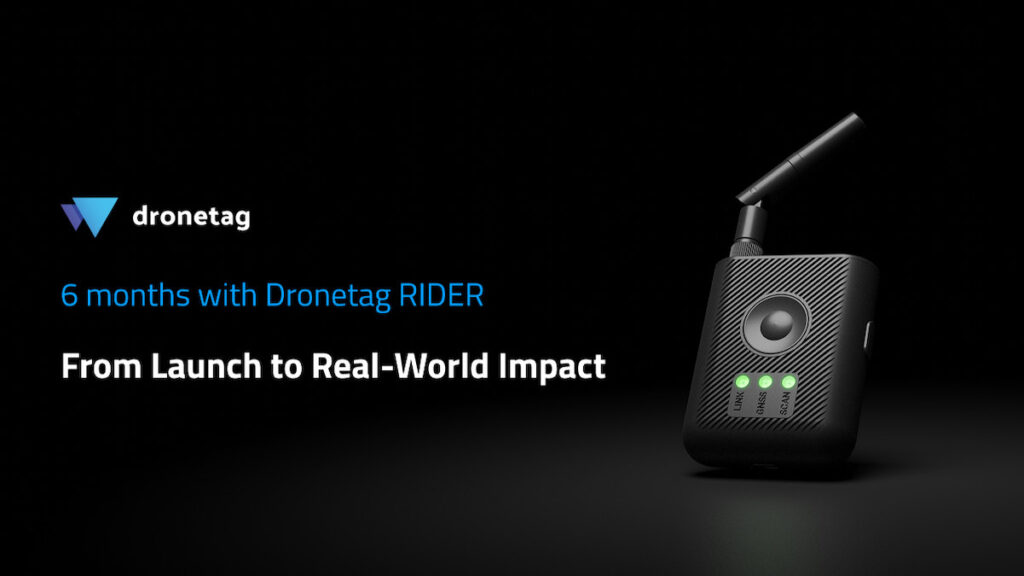
Earlier this year Dronetag released RIDER, a dedicated Remote ID receiver designed to provide real-time situational awareness for first responders and professional drone operators.
RIDER addresses a significant gap in the industry: while initial expectations suggested that smartphones would reliably decode Remote ID signals, it became evident that this was not the case. iPhones are unable to capture Wi-Fi-based Remote ID signals due to software restrictions, limiting detection to Bluetooth. This creates a challenge in a market where DJI dominates the U.S. drone market. Even Android devices face limitations, making a dedicated device like RIDER essential for reliable detection.
Engineered for law enforcement, emergency medical services, and professional UAV operators, RIDER offers precise real-time drone detection, even in complex radio frequency (RF) environments. Within its first six months in the field, RIDER has proven its value across various operations, including large-scale public safety events and emergency responses in challenging conditions.
Proven Performance: Real-World Deployments
In the first six months, RIDER demonstrated its effectiveness in high-pressure operations. In the Hawaiian Islands, a U.S. fire department needed a lightweight, mobile solution to detect unauthorized drones during emergency missions without relying on fixed infrastructure. RIDER fulfilled this need by scanning the skies for Remote ID signals via both Bluetooth and Wi-Fi, requiring no setup. Fire crews mounted the device to tactical vests and vehicle dashboards, receiving real-time data on drone type, flight path, and pilot location through the Dronetag and Drone Scanner apps. RIDER detected drones over 2 miles (3.22 kilometers) away, tracked multiple targets, and enhanced helicopter safety.
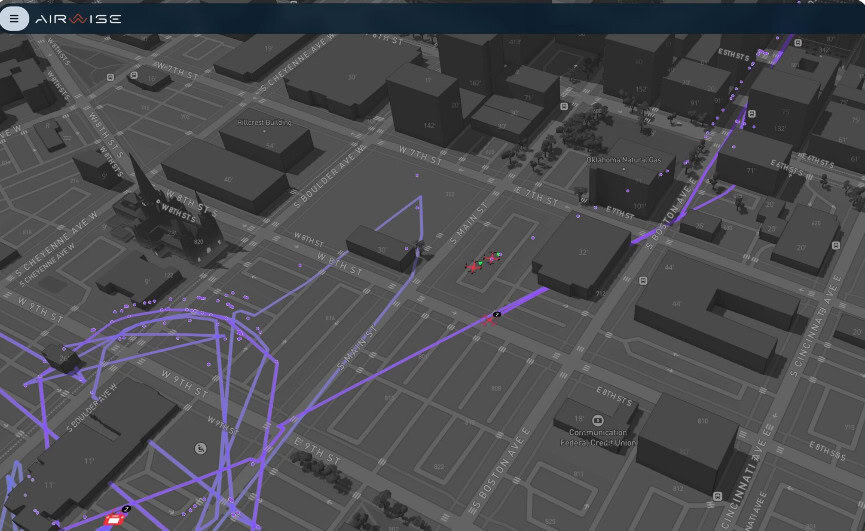
In another example, RIDER helped law enforcement secure the Boston Marathon by monitoring drone activity over a crowded urban area. Real-time alerts on unauthorized drones enabled swift responses, improving safety without disrupting the event.
These deployments showcase RIDER’s ability to provide reliable, actionable information when seconds matter.
Expanding RIDER’s Capabilities
Since its launch, Dronetag has focused on enhancing RIDER through firmware and app updates based on feedback from first responders, UAV operators, and security teams.
Drone Whitelisting
Drone Whitelisting allows operators to mute or ignore their own drones, reducing unnecessary alerts and conserving data.
- Muted drones: These drones are detected but don’t trigger notifications, preserving a complete record of the airspace.
- Ignored drones: These drones are fully excluded from detection, conserving data and focusing attention on external drones.
Sensor Fusion
Multiple RIDER units can work together to provide a unified airspace picture. Sensor Fusion aggregates detections from all active devices into a single overview. With automatic deduplication, the same drone only appears once, streamlining decision-making and improving efficiency.
My Detections and History
The My Detections screen in app version 2.148.0 now allows operators to filter data by date range, view detections in a compact table, and quickly locate specific events for easier review.
Facilitating Collaboration: Sharing Data and Alerts
Share Data with Others
RIDER supports the secure sharing of detections with other Dronetag App users via the Dronetag Cloud, ensuring that all involved parties have access to the same real-time data, improving collaboration during operations.
Alerts and Alert Zones
Real-time alerts are crucial for fast-moving operations. RIDER triggers notifications whenever new detections appear on the map.
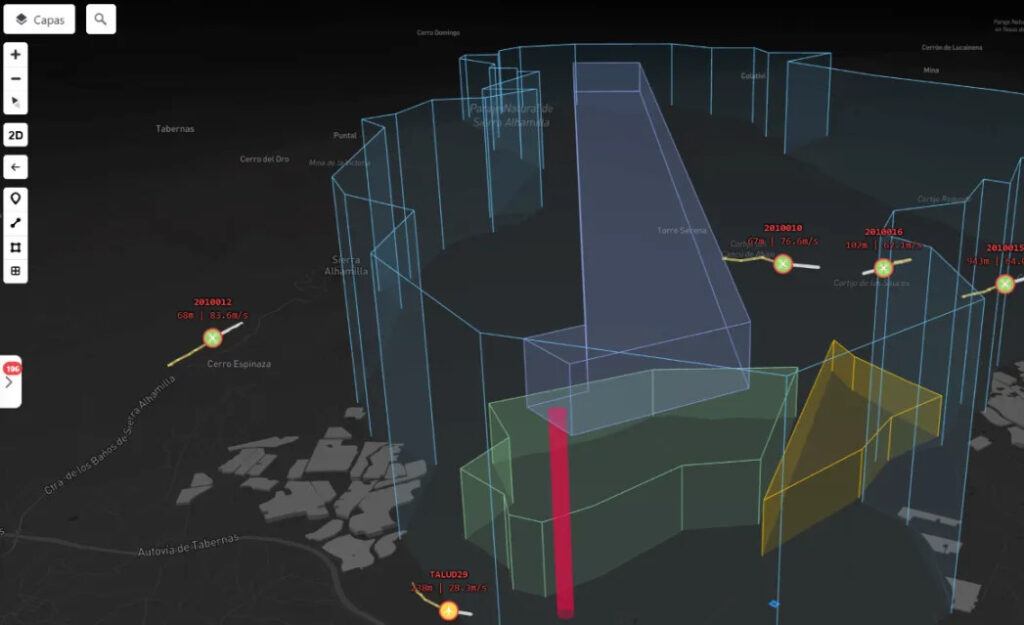
- Alert Zones: Users can define custom geographic areas for local detection alerts, providing precise control over where notifications are generated.
Continuous Improvement: Firmware Updates
RIDER’s performance is continually enhanced through firmware updates, including improvements in Wi-Fi scanning, Bluetooth stability, power management, and data transfer efficiency.
Seamless Integration with Airspace Management Systems
The full potential of RIDER is realized when its data integrates with airspace management platforms:
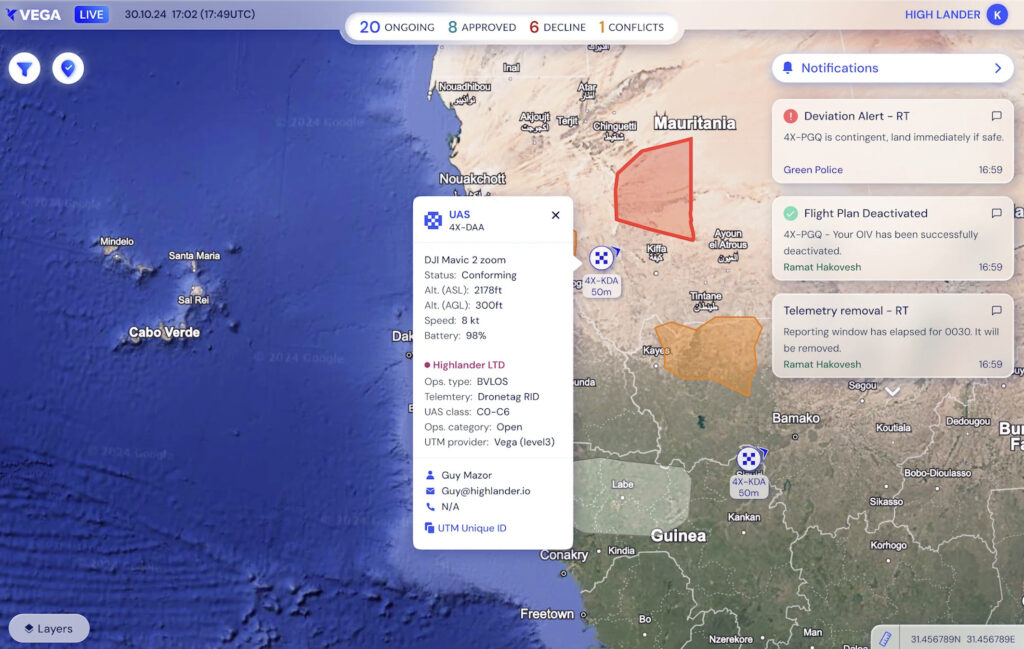
- Aloft: RIDER integrates with Aloft’s Air Control dashboard, enabling automatic transfer of flight telemetry data.
- SafeSky: Through SafeSky, RIDER makes drones visible to manned aircraft, improving safety in mixed-airspace operations.
- TAK Integration: RIDER integrates with TAK (Tactical Assault Kit), supporting data ingestion through APIs, MQTT, and webhooks.
Versatile Mounting and Accessories
RIDER offers a range of mounting and accessory options to fit various deployment needs:
- Quick Mount: A snap-on adhesive system for mounting to dashboards, panels, or windows.
- On-Body Carry: A lightweight carrying case that clips to belts, vests, or backpacks for easy access.
- Vehicle Setup: An external magnetic antenna for improved reception during vehicle-based operations.
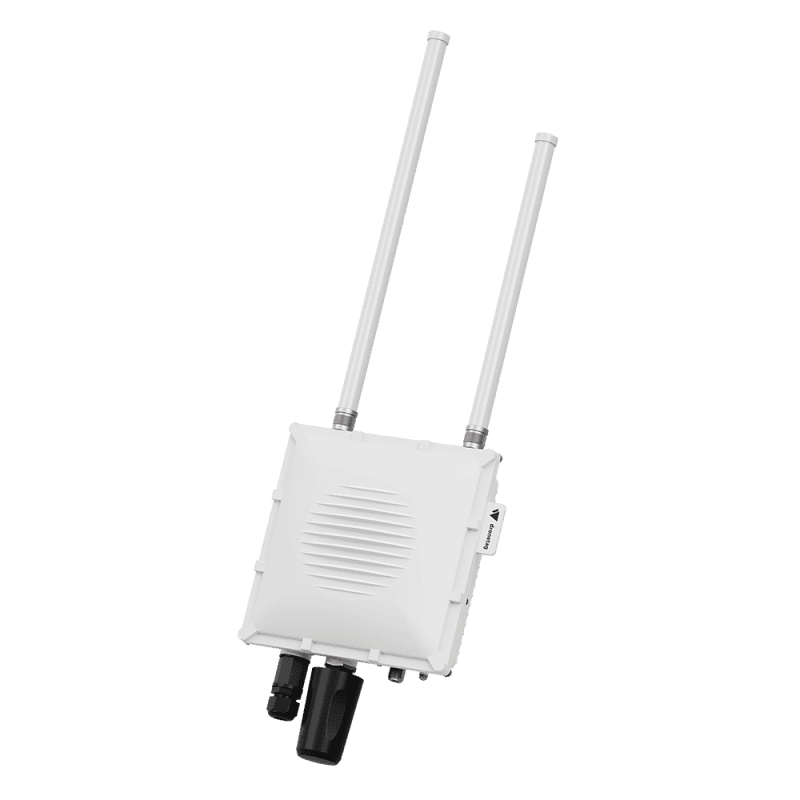
- Directional Antenna: A high-gain antenna for long-range monitoring, capable of detecting drones at distances up to 4.97 miles (8 kilometers).
Dronetag RIDER is proving to be a valuable tool in enhancing situational awareness for first responders and professional UAV operators. Its ability to reliably detect drones in complex environments, combined with continuous updates and integrations with major airspace management systems, ensures that RIDER will continue to play a critical role in safe and efficient drone operations.