
Dronetag has been named as one of 20 companies selected for the second cohort of the EUDIS Business Accelerator under the European Defence Fund.
Dronetag is said to be the first and only Czech company to participate in the programme since its inception. The firm’s inclusion falls under the specific theme of “Counter-Drone and Protection Against Mass Low-Cost Threats,” highlighting an increasing European Union demand for scalable drone detection solutions. Within the current cohort, Dronetag is one of six companies specifically focused on the counter-drone sector, reflecting a key priority for European defence.
Participation in the EUDIS Business Accelerator provides the company with more than 300 hours of expert coaching and access to six bootcamps held alongside major EU defence industry events. The programme is designed to provide direct access to defence end-users, investors, and EU institutions. This framework allows the company to engage with the institutional buyers and integration partners that serve as the primary audience for its detection products, Scout and RIDER.
This recognition follows the company’s 2023 selection for the NATO DIANA accelerator, where it was also the first Czech company chosen from over 1,300 applicants. By joining the EUDIS programme, Dronetag is now the only Czech company recognised at both the NATO and EU levels for defense innovation programmes focused on airspace security.
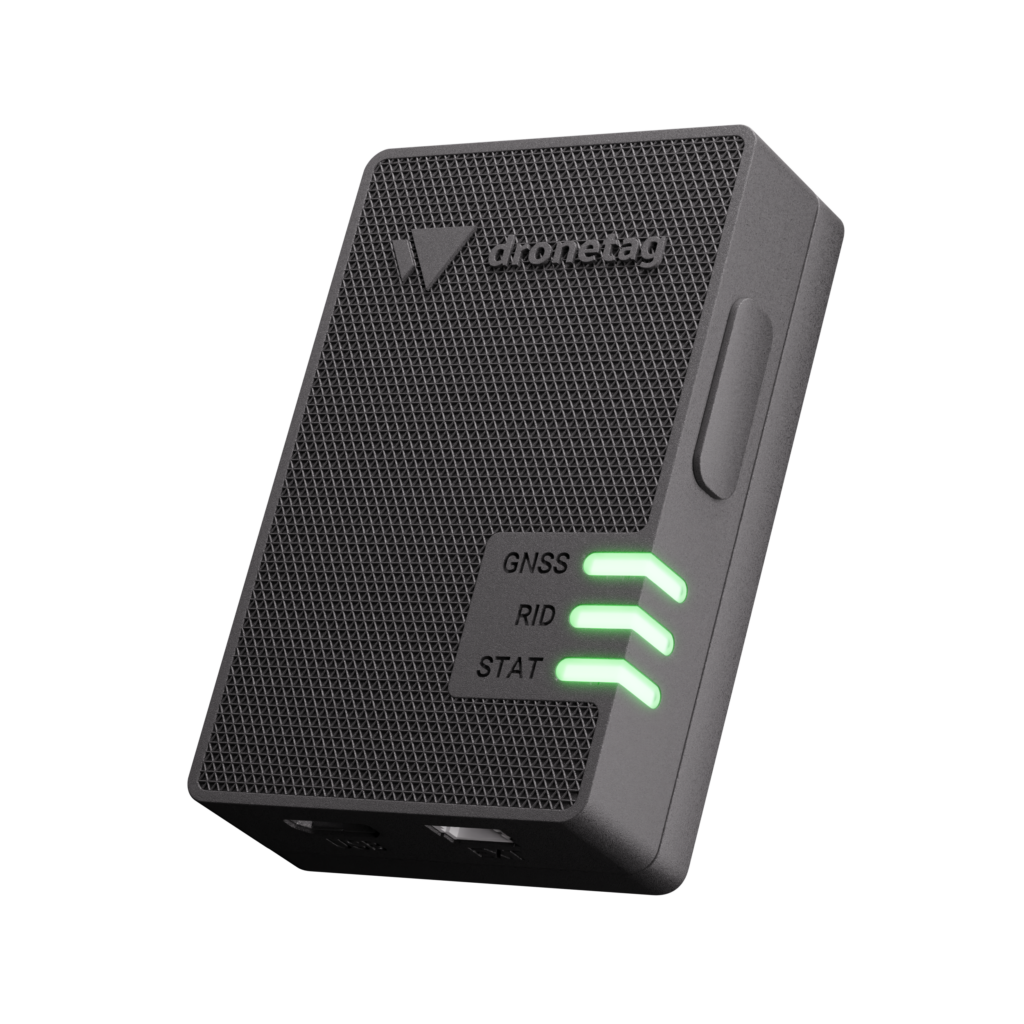
The company’s detection systems utilize passive RF reception to capture signals broadcast by drones without emitting return signals. This approach allows the technology to integrate into existing infrastructure without interference and scales without the complexity associated with active systems like radar or RF jamming. While the foundation of the technology is Remote ID, the standard protocol mandated in the US and EU, the receivers extend to include aviation signals such as ADS-B, ADS-L, FLARM, and UAT to provide a comprehensive picture of airspace activity.
Future development plans include the capability to decode proprietary communication protocols, such as DJI OcuSync, to detect older commercial drones lacking standard Remote ID. The company is also developing advanced FPV drone detection, including control link decoding and analog video signal capture for delivery to command systems. Later stages of research and development, which are kept fully in-house, will include GNSS-based multilateration for anti-spoofing and manufacturer-agnostic drone localisation.
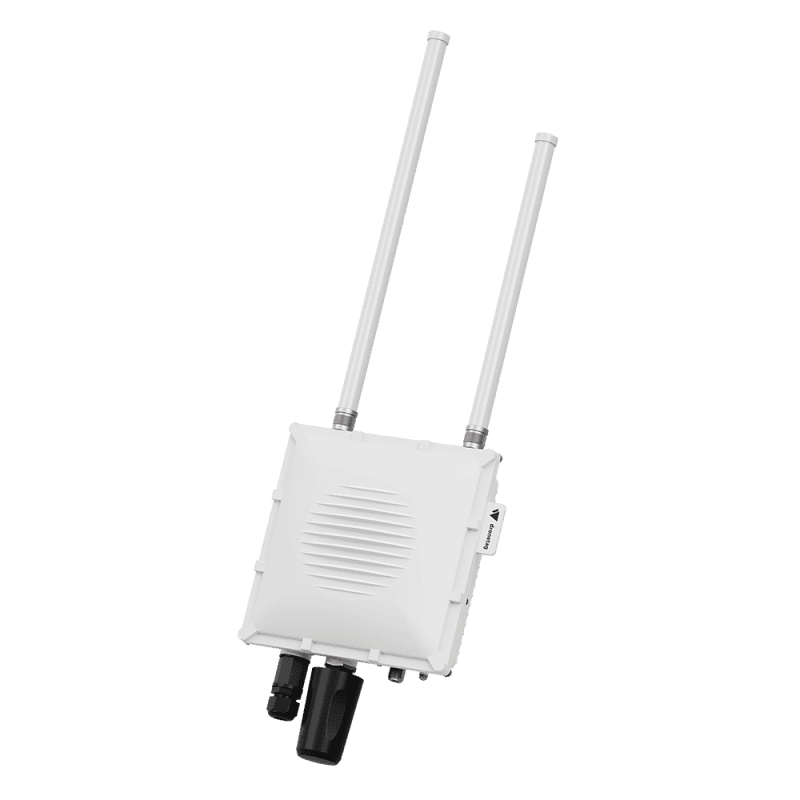
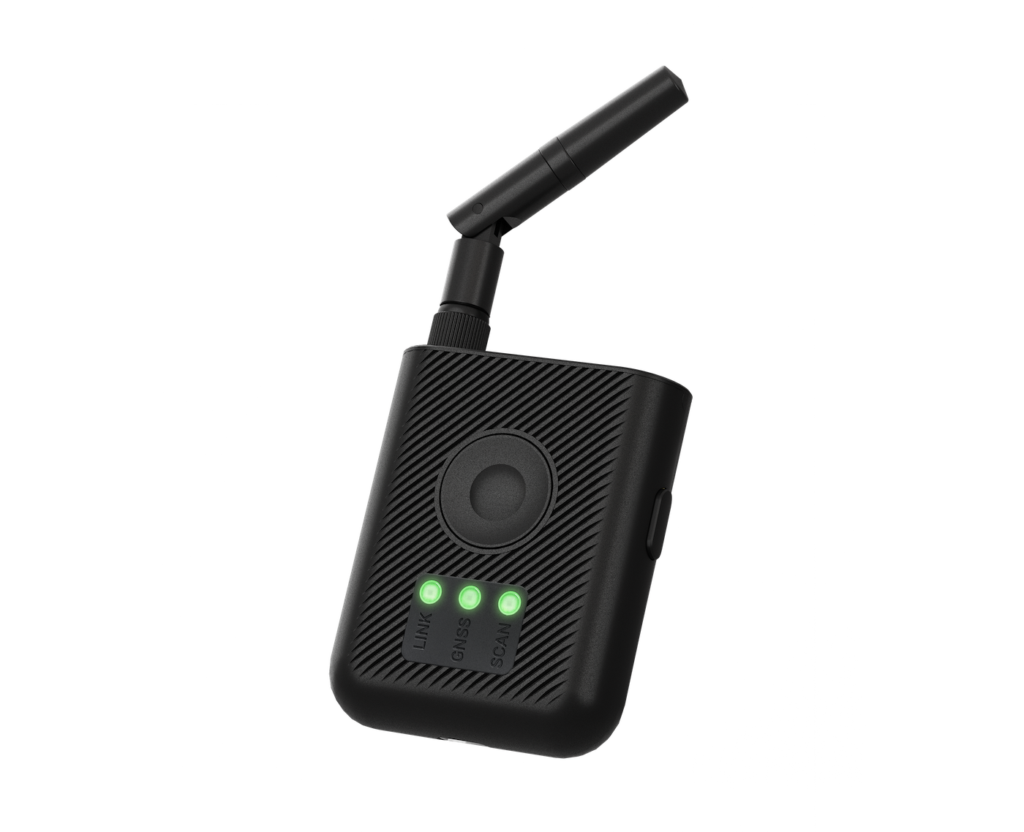
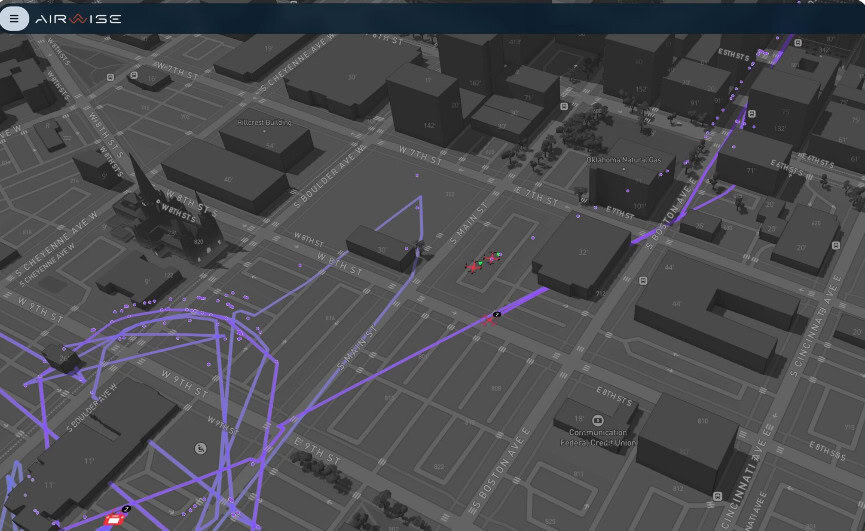
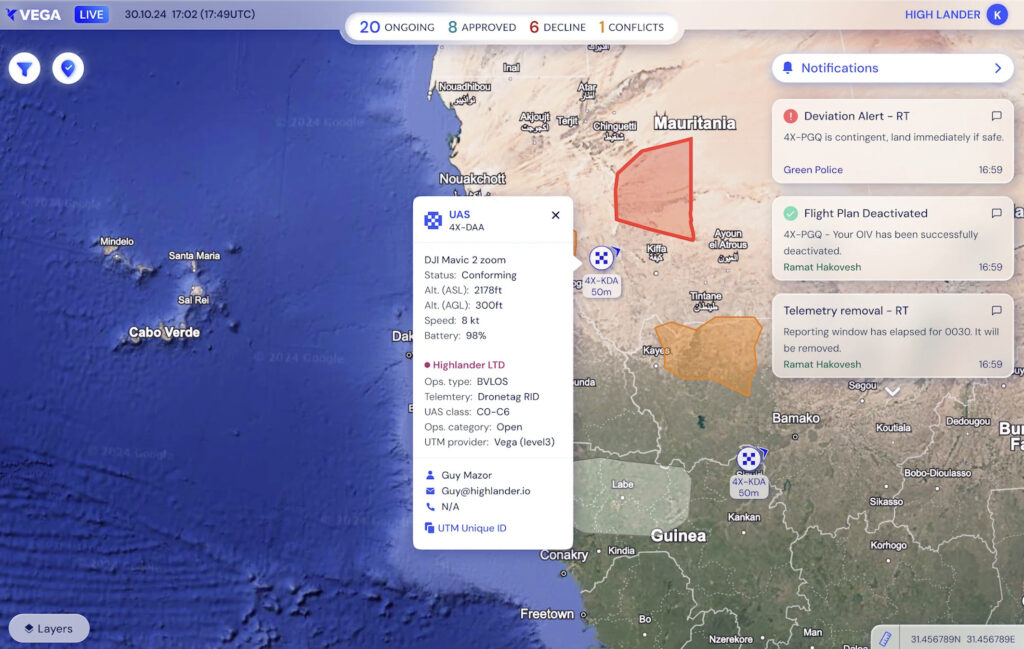
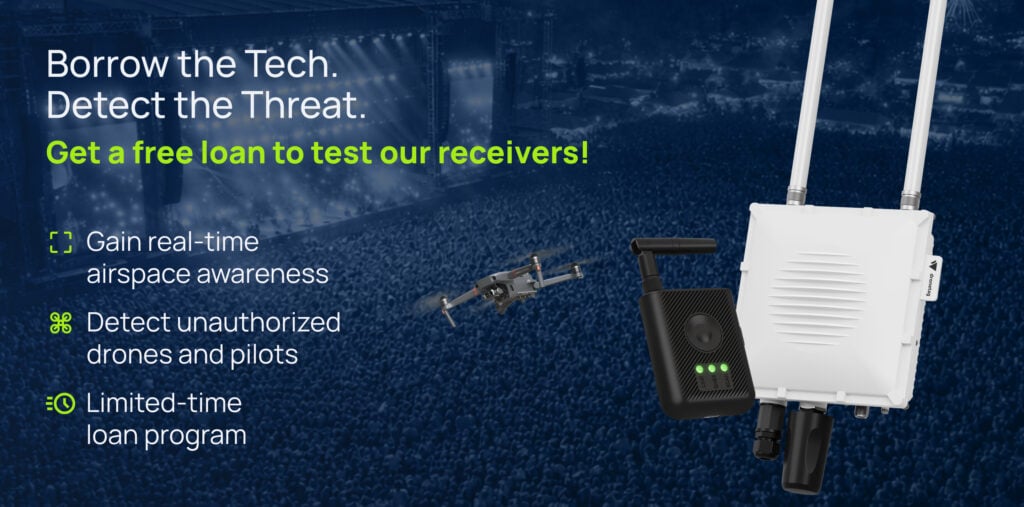
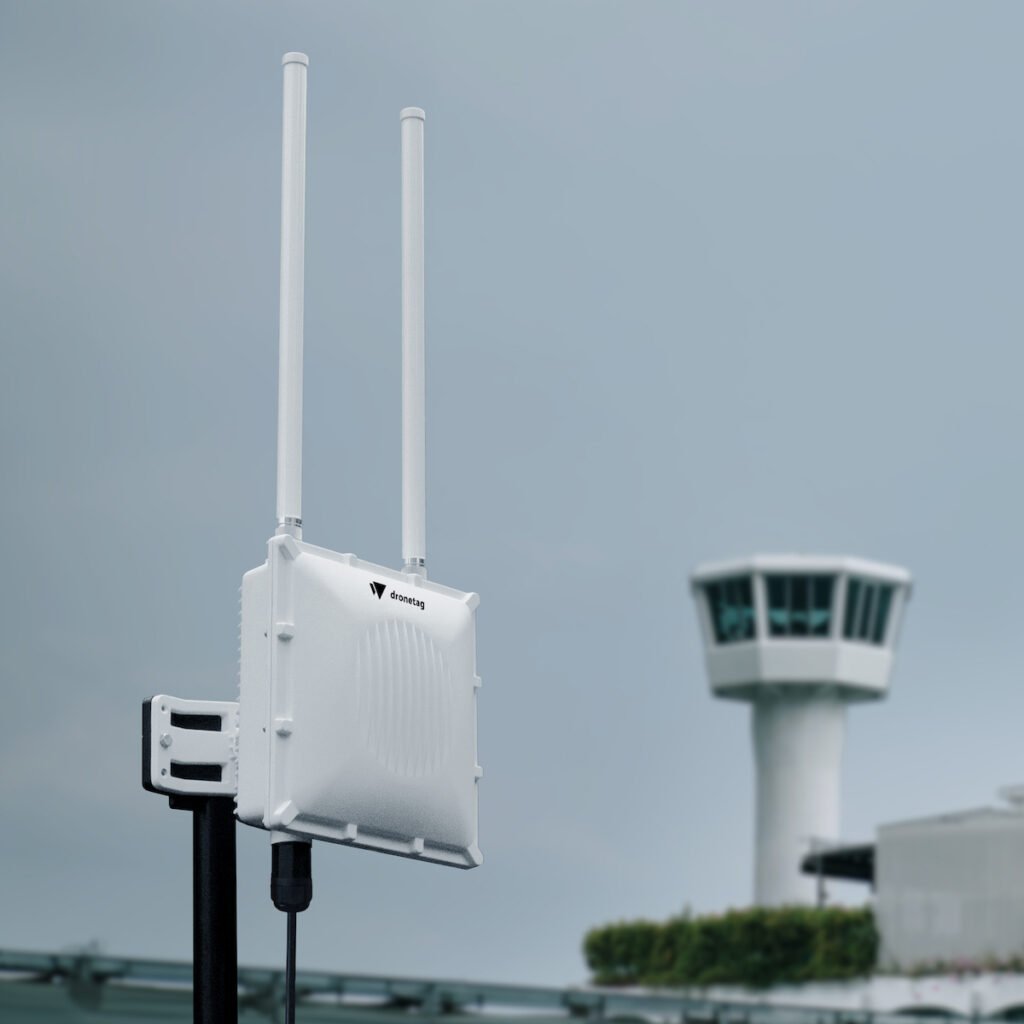
The product lineup includes Scout, a stationary long-range receiver capable of detecting drones and operators at distances up to 25km using directional antennas. For mobile operations, RIDER offers a portable, wearable detection solution for patrol units. Both systems feed into a central platform for real-time visualization and alerting, and they are designed to integrate directly into existing C2, ATAK, and UTM systems via API.