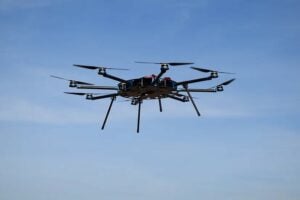
System integration services combine hardware, software, sensors, communications, and control technologies to develop, upgrade, and deploy unmanned and autonomous systems. These engineering services support UAVs, UGVs, USVs, and AUVs across defense, industrial, and commercial applications.
This page features providers of system integration services, including robotic systems integration, sensor and payload installation, embedded software development, and command and control integration.
If you design, build or supply System Integration Services, create a profile to showcase your capabilities and connect with visitors who have an active requirement for your solutions.
The Complete Guide to System Integration Services for Robotics & Unmanned Platforms
Overview by
William Mackenzie
Updated:
Introduction to Unmanned Systems Integration Services
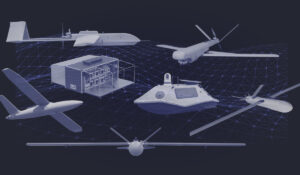
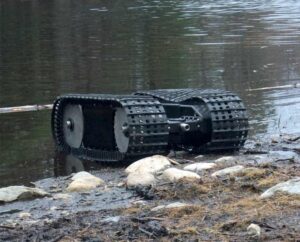
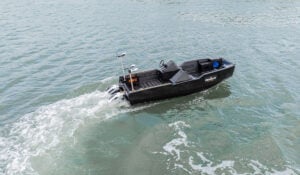
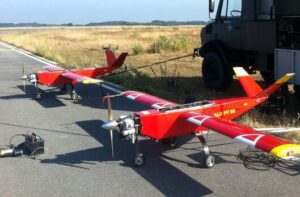
System integration services bring together hardware, software, sensors, communications, and control technologies to create functional unmanned and autonomous platforms. These engineering services support the development, modification, and deployment of Unmanned Aerial Vehicles (UAVs), Unmanned Surface Vehicles (USVs), Autonomous Underwater Vehicles (AUVs), and Unmanned Ground Vehicles (UGVs).
Robotic systems integration enables manufacturers, operators, and engineering teams to incorporate specialized payloads, autonomous navigation capabilities, and mission-specific equipment into new or existing vehicles. Services range from individual subsystem installation and software development to complete autonomous systems integration, interoperability testing, and operational validation.
Key Types of Robotics & Autonomous Systems Integration Services
Hardware and Electronic Systems Integration
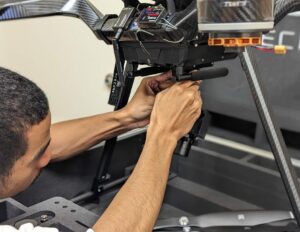
Hardware integration connects electronic controllers, processing units, sensors, actuators, and supporting electrical components within an unmanned platform. Engineering services include circuit design, wiring harness development, electrical interface configuration, power distribution, and mechanical installation. Integration must ensure component compatibility while accommodating the vehicle’s physical, electrical, and environmental constraints.
Software and Embedded Systems Integration
Software integration connects onboard computing systems, embedded controllers, operating software, and external applications. Robotics integration services may include firmware development, Application Programming Interface (API) implementation, middleware configuration, and real-time data processing. These capabilities enable independent subsystems to exchange sensor data, process commands, and coordinate vehicle functions through defined software interfaces.
Sensor and Payload Integration
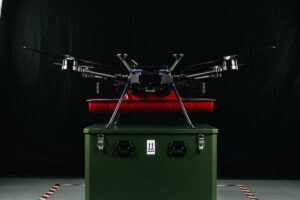
Sensor integration incorporates mission-specific equipment such as Electro-Optical/Infrared (EO/IR) cameras, LiDAR sensors, radar, sonar, and environmental monitoring instruments. Engineers configure electrical connections, mechanical mounting, data interfaces, and synchronization between sensors and onboard processors. Payload integration also enables remote operation, data acquisition, and the transfer of sensor outputs to navigation, autonomy, and mission management systems.
Autonomy and Navigation Systems Integration
Autonomous system integration connects navigation sensors, onboard processors, vehicle controllers, and mission planning software. Services may involve integrating GNSS receivers, Inertial Navigation Systems (INS), obstacle detection sensors, and autonomous guidance algorithms. Sensor data is processed to estimate vehicle position and movement, informing navigation commands delivered to steering, propulsion, or other control systems. These technologies support waypoint navigation, automated mission execution, and operation in challenging environments, including GNSS-degraded conditions.
Communications and Data Link Integration
Communications integration establishes connections between unmanned vehicles, remote operators, and external networks. Engineers integrate radio frequency data links, satellite communications, telemetry systems, and onboard networking equipment. Autonomous vehicle integration may also involve secure data transmission, bandwidth management, and redundant communications, alongside defined procedures for maintaining safe operation during connectivity interruptions.
Command and Control Systems Integration
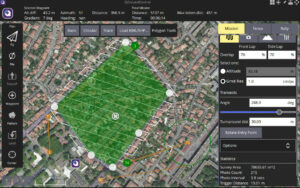
Command and control integration connects unmanned platforms with Ground Control Stations (GCS), mission management applications, and remote monitoring infrastructure. Services include telemetry configuration, vehicle command interfaces, payload control, and mission data visualization. More advanced implementations enable coordinated operations involving multiple autonomous vehicles and centralized mission management systems.
Legacy System Modernization and Retrofit Integration
Retrofit integration introduces modern electronics, sensors, communications, and autonomy capabilities into existing vehicles and robotic platforms. Projects may involve replacing outdated controllers, incorporating remote operation, upgrading navigation systems, or connecting legacy equipment to modern software architectures. These services extend operational capabilities without requiring complete vehicle replacement.
Testing, Validation & Certification Support
Testing and validation establish whether integrated components operate correctly, both individually and as part of a complete unmanned system. System integration services may include laboratory simulation, interface verification, operational trials, and certification support throughout development and deployment.
Testing Method
Primary Purpose
Typical Verification Activities
Hardware-in-the-Loop (HIL)
Validate physical controllers with simulated systems
Technical documentation, qualification evidence, test reports
Technical Standards & Interface Compatibility
Technical standards and communication protocols support interoperability between unmanned vehicle subsystems and external control infrastructure. Systems integration providers select appropriate interfaces according to platform architecture, mission requirements, and compatibility with existing equipment.
NATO STANAG 4586: Standardized interfaces supporting interoperability between unmanned aircraft systems and compatible control stations.
Joint Architecture for Unmanned Systems (JAUS): Standardized messaging and service definitions supporting interoperability between robotic system components.
Unmanned Maritime Autonomy Architecture (UMAA): Architecture and interface specifications supporting the integration of maritime unmanned systems.
MAVLink: Lightweight messaging protocol supporting vehicle telemetry, command transmission, and communication with compatible unmanned systems.
Robot Operating System 2 (ROS 2) and Data Distribution Service (DDS): Robotics software framework and middleware technology supporting modular software integration and communication between distributed components.
Ethernet, CAN Bus, and Serial Interfaces: Common communication technologies connecting sensors, embedded controllers, actuators, and computing hardware.
Environmental and Electromagnetic Compatibility Requirements: Applicable equipment qualification requirements addressing shock, vibration, temperature, and electromagnetic interference.
Selecting compatible interfaces can reduce custom development requirements, simplify future upgrades, and improve interoperability between integrated components.
Emerging Developments in Unmanned Systems Integration
Advances in autonomous technologies, embedded processing, and open system architectures continue to shape the delivery of robotics integration services. Current developments focus on simplifying component interoperability, supporting increasingly complex missions, and improving the security of interconnected unmanned platforms.
Modular and open architectures: Greater adoption of standardized hardware and software interfaces supports subsystem replacement, technology upgrades, and third-party payload integration.
AI-enabled autonomy integration: Edge computing and AI support onboard perception, sensor processing, object detection, and autonomous decision-support functions.
Multi-domain interoperability: Developing communications and mission management architectures support coordinated operations involving aerial, surface, underwater, and ground vehicles.
Cyber-resilient integration: Secure communications, software integrity verification, access controls, and network segmentation help protect interconnected vehicle systems.
These developments are expanding the scope of autonomous systems integration, enabling more adaptable platforms while increasing the importance of robust interface engineering, testing, and lifecycle support.
The latest unmanned systems news, straight to your inbox.
Get our weekly roundup of technology developments, new products and industry news.
THANK YOU FOR SIGNING UP
Thanks for joining us. Check your inbox.
We've sent you an email. Click the confirmation link to complete your subscription to the weekly eBrief. In the meantime, explore the latest news, suppliers and technologies on UST.
Advancing Unmanned Systems Through Strategic Collaboration
UST works with major OEMs to foster collaboration and increase engagement with SMEs, to accelerate innovation and drive unmanned systems capabilities forward.