Petroleum UAV engine manufacturers, specializing in gas propulsion engine technology for drones and unmanned aerial vehicles (UAVs). Engineered with weight and space constraints in mind, petroleum and gasoline engines optimize fuel consumption and are used across military, civilian, and commercial sectors.
If you design, build or supply Petroleum / Gasoline UAV Engines, create a profile to showcase your capabilities and connect with visitors who have an active requirement for your solutions.
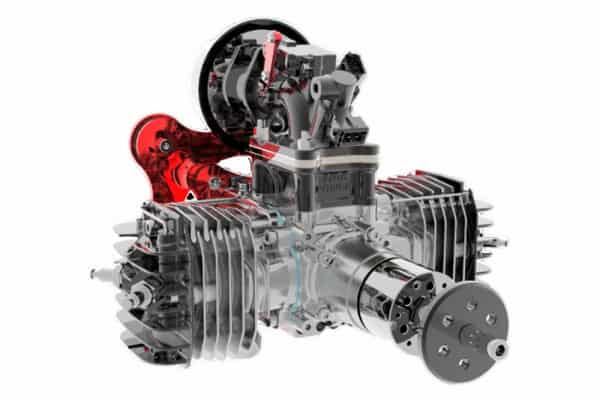
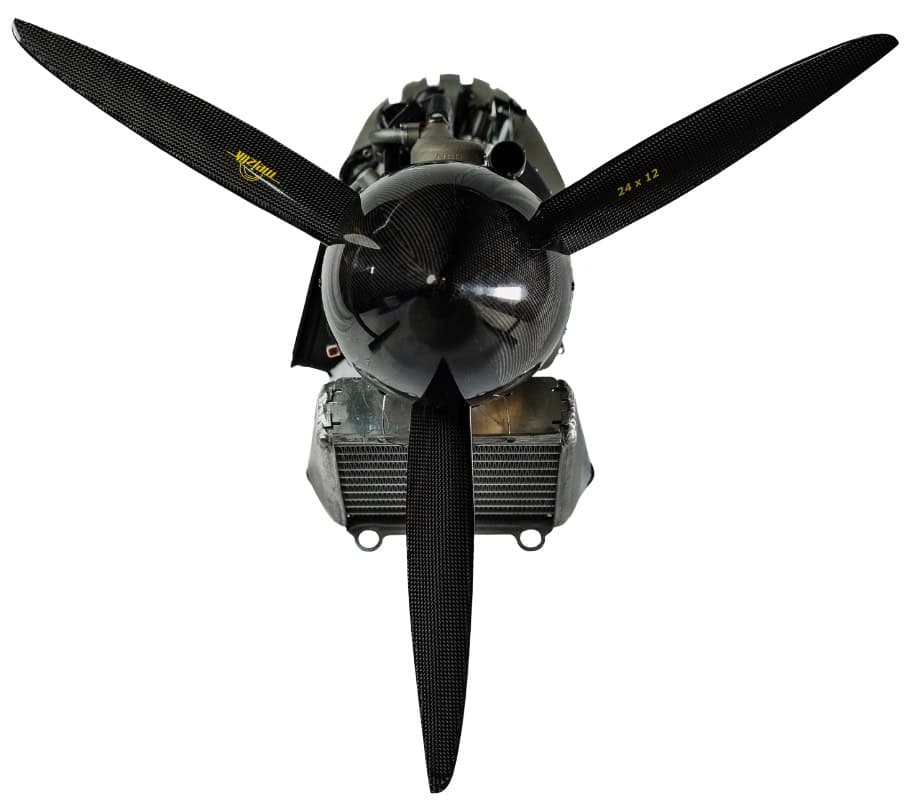
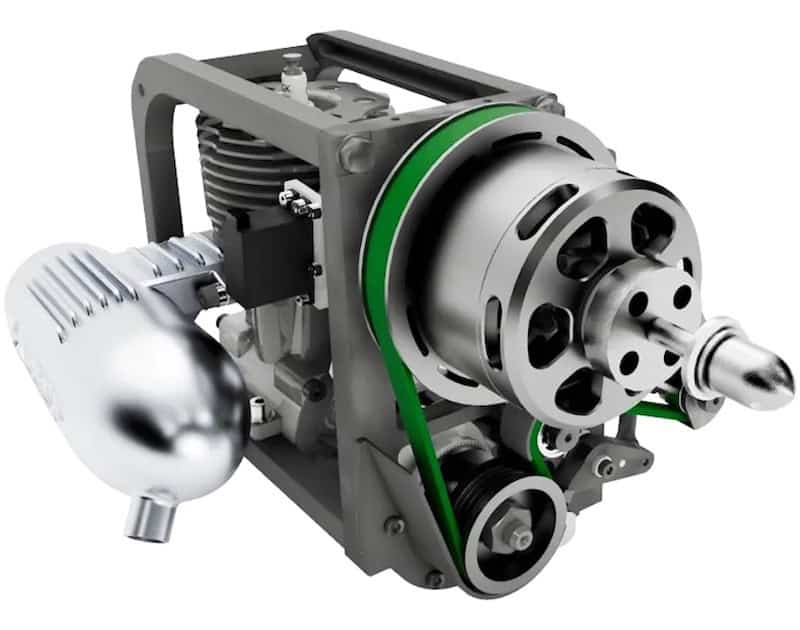
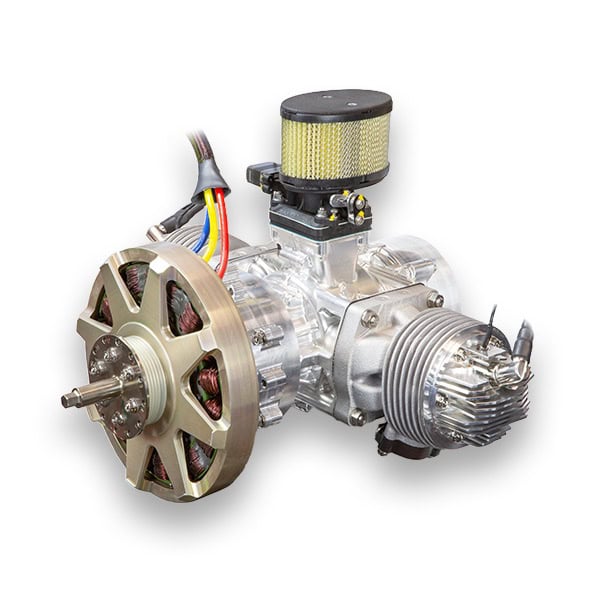
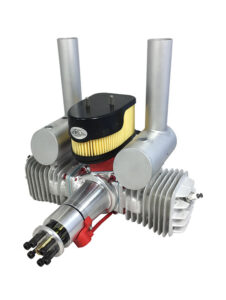
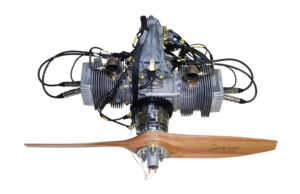
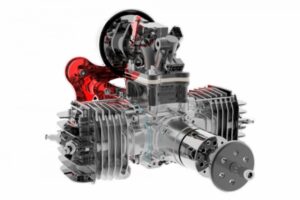
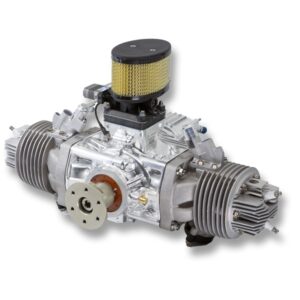
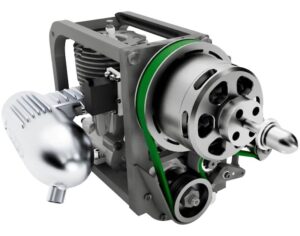
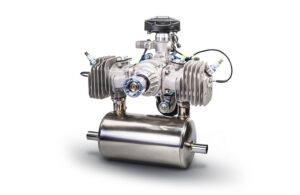
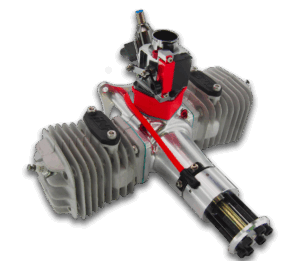
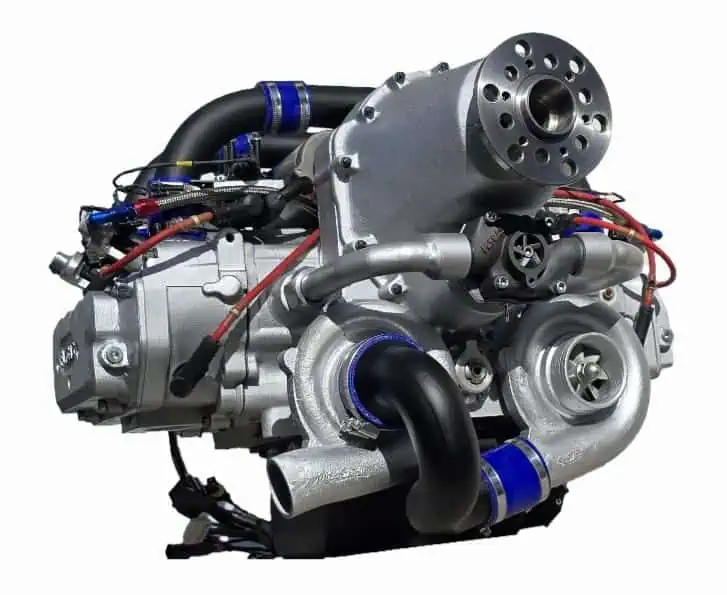
High-power hybrid propulsion system for tactical UAVs with 80–120 kg MTOW
High-power hybrid propulsion system for tactical UAVs with 80–120 kg MTOW
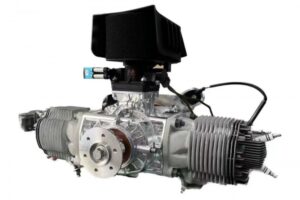
...nal combustion engine with a boxer cylinder configuration and a motor, starter, and generator... ... uses premixed gasoline or heavy fuel with 4% two-stroke oil. The design delivers up to five times...
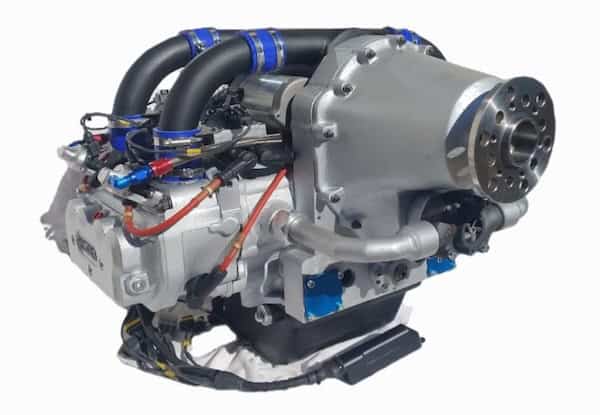
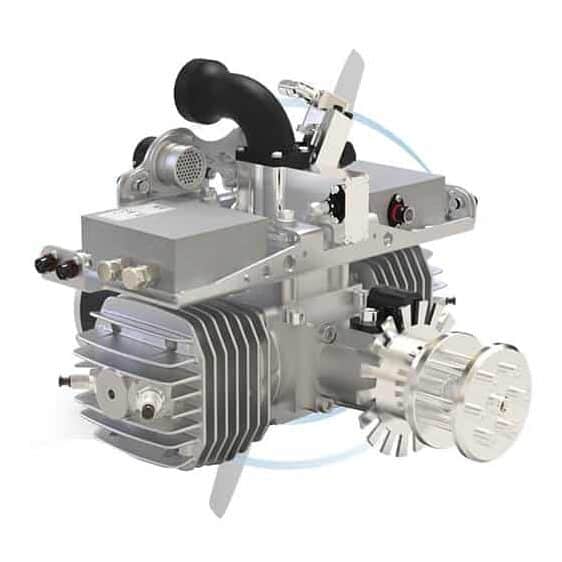
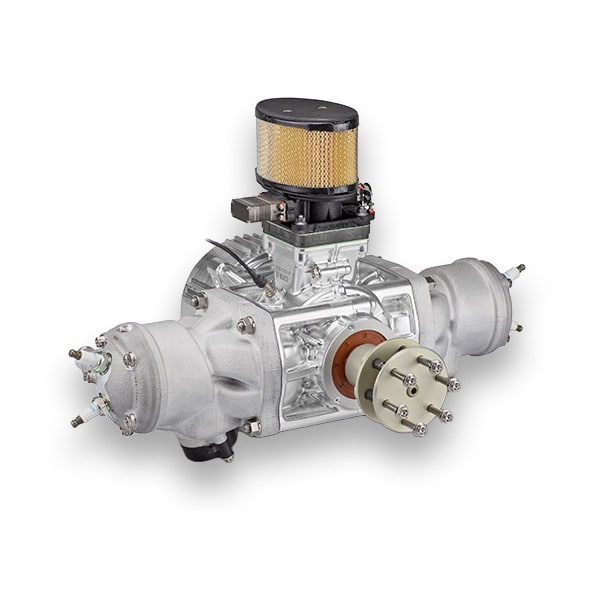
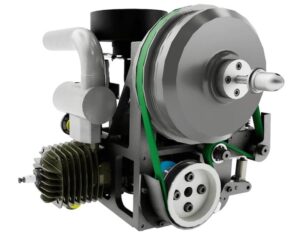
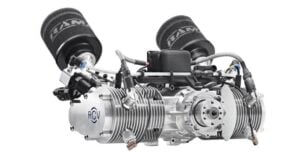
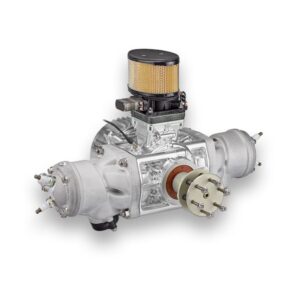
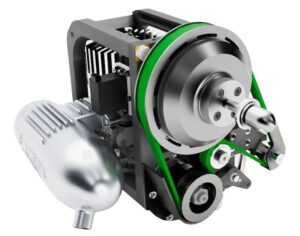
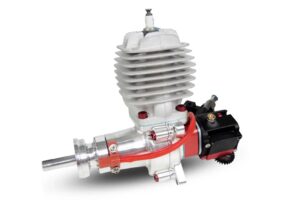
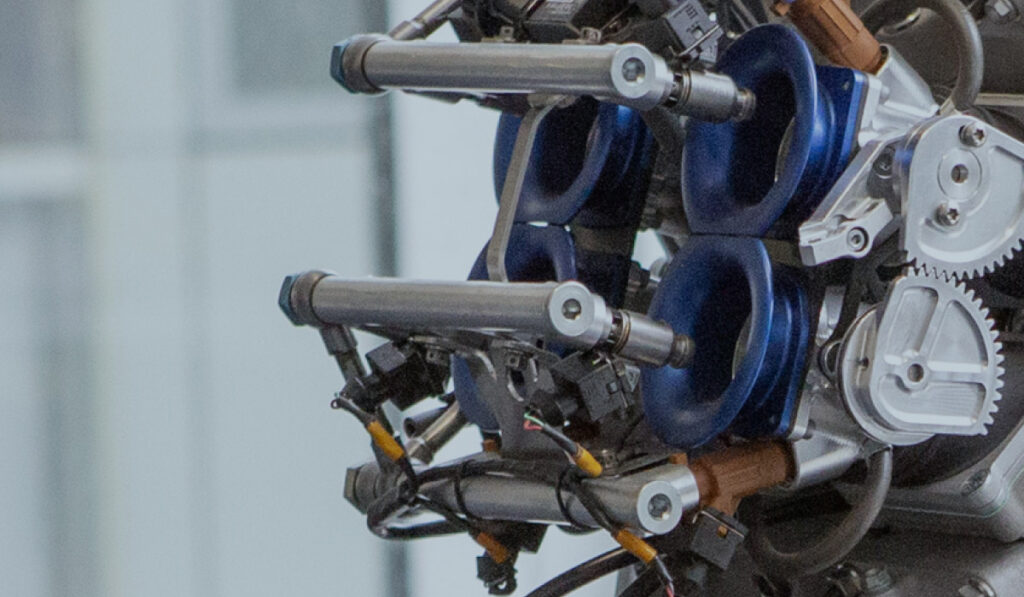
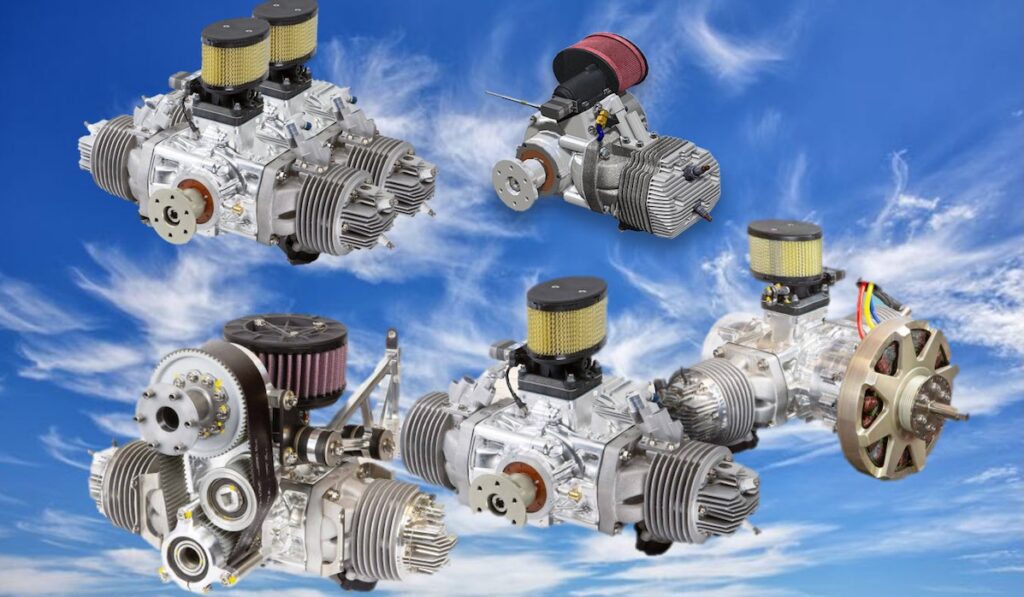
Next-gen hybrid propulsion system for tactical fixed-wing & VTOL UAVs with 50–80 kg MTOW
Next-gen hybrid propulsion system for tactical fixed-wing & VTOL UAVs with 50–80 kg MTOW
...nal combustion engine with a motor, starter, and generator for seamless transition between electric... ...ected premixed gasoline or heavy fuel with 4% two-stroke oil. It enables up to five times longer...
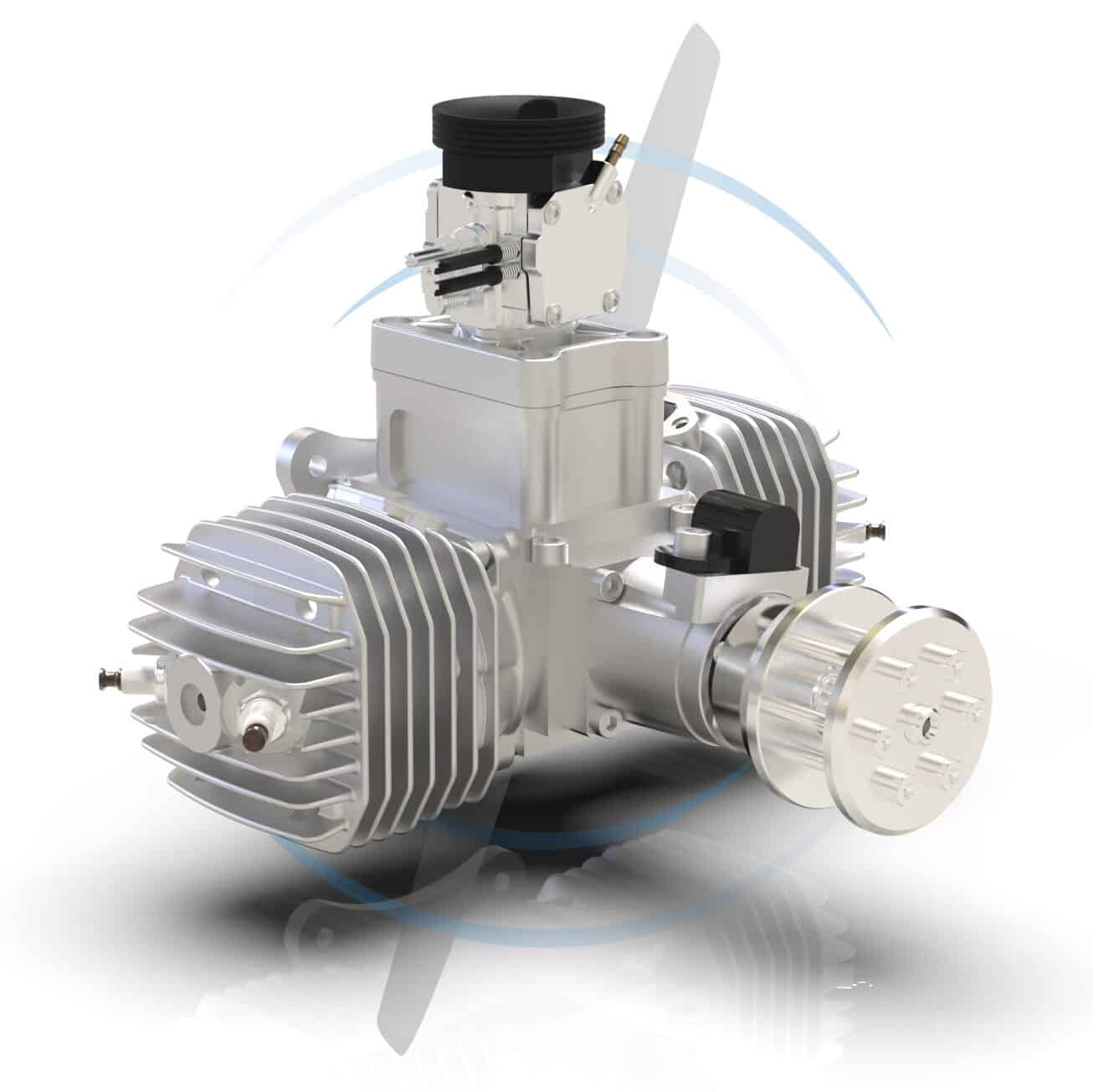
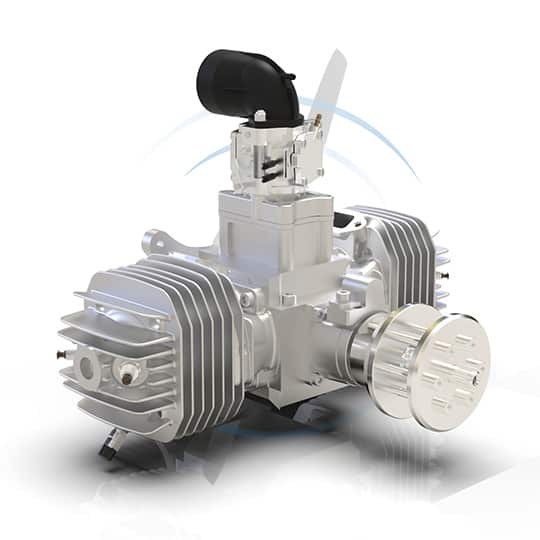
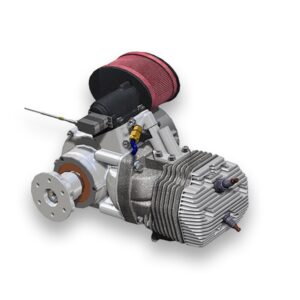
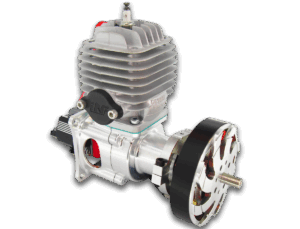
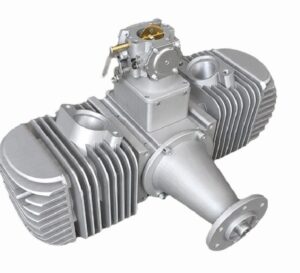
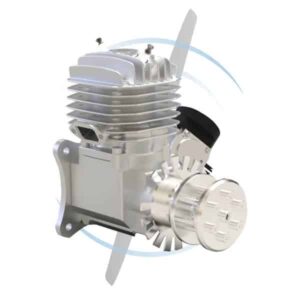
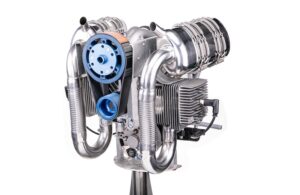
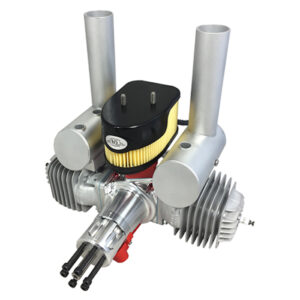
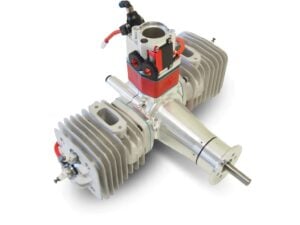
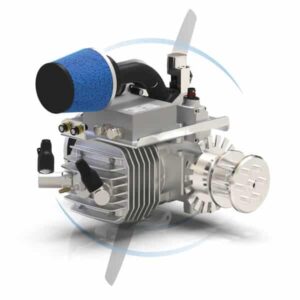
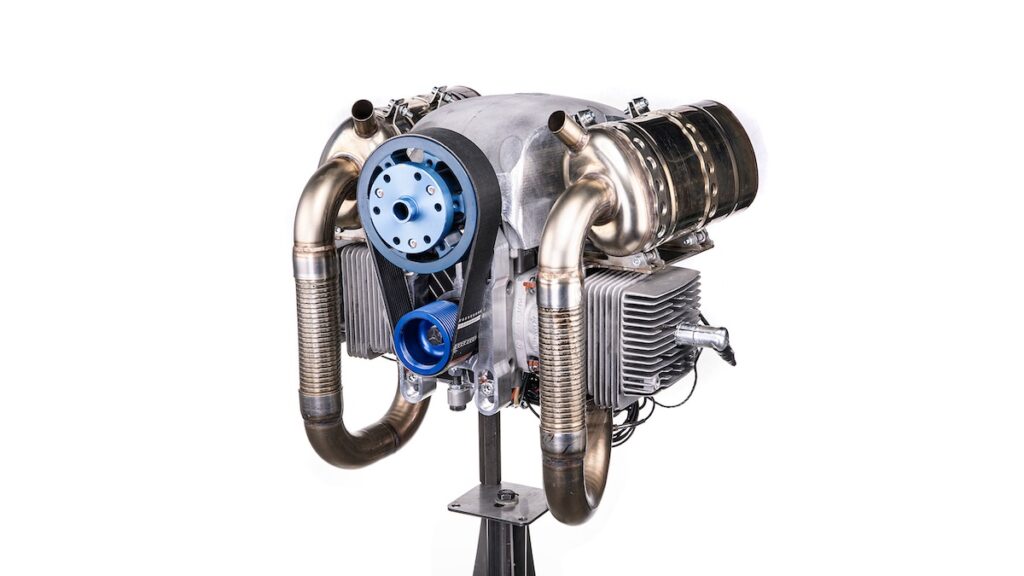
Air-cooled 49 HP two-stroke engine for UAVs of up to 120 kg
Air-cooled 49 HP two-stroke engine for UAVs of up to 120 kg
... of two-stroke engines is ideal for UAVs weighing up to 120 kg, delivering 50 HP with an unmatched... ...
Ideal for: UAV, training Airframes, Compact special-mission drones.
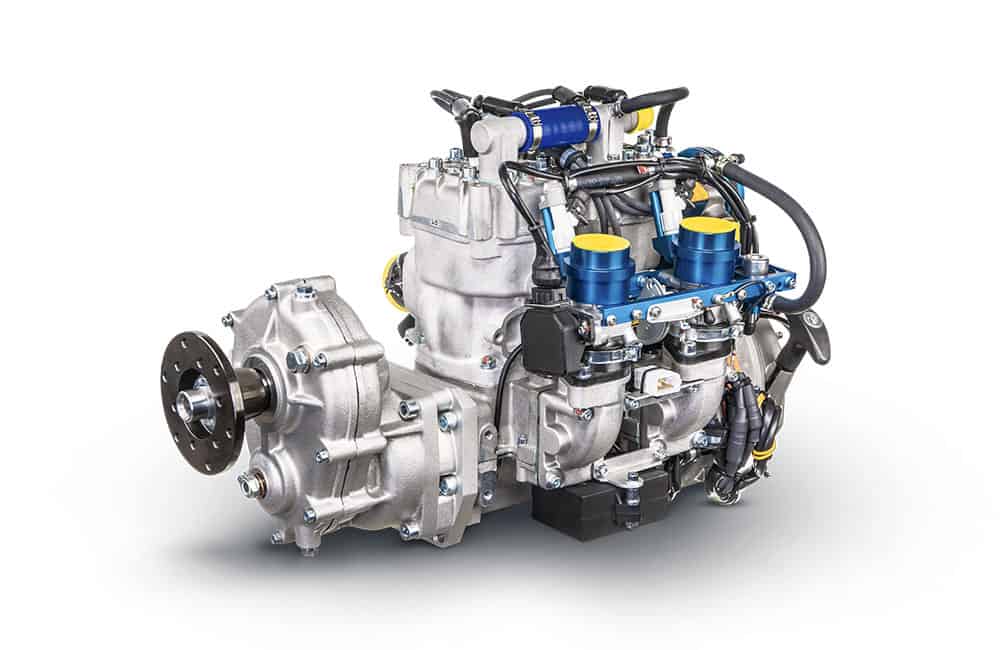
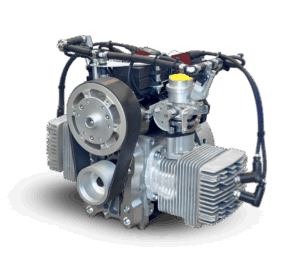
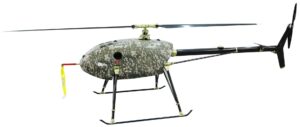
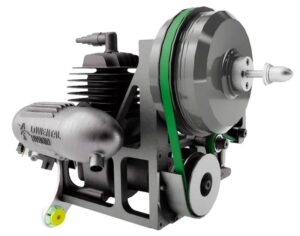
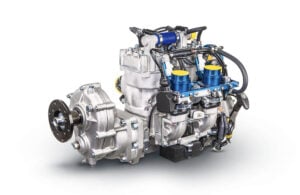
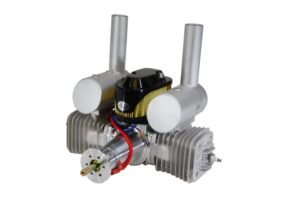
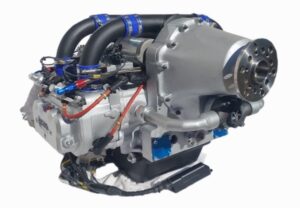
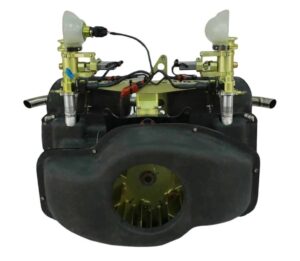
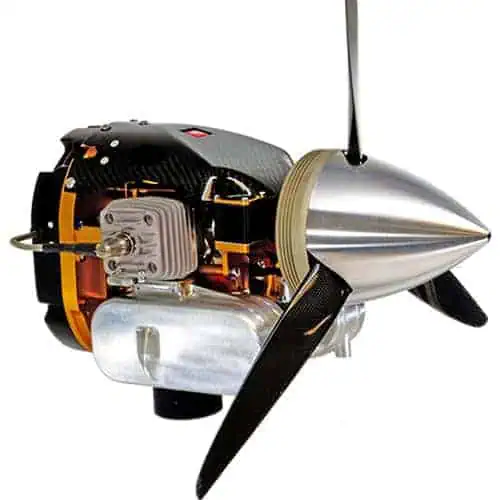
Heavy fuel & gasoline propulsion system for Group 3 UAS
Heavy fuel & gasoline propulsion system for Group 3 UAS
...heavy fuel and gasolineengine designed for small Group 3 unmanned aerial systems. Built on the... ......bustion setup and a parallel hybrid option that combines engine and motor power on a single...
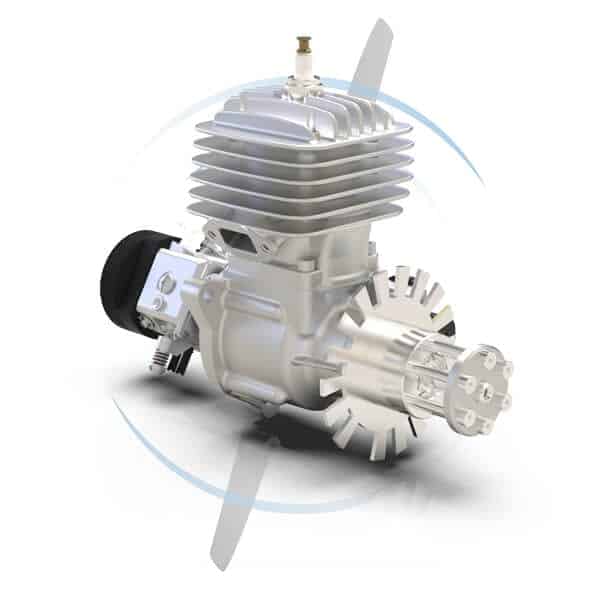
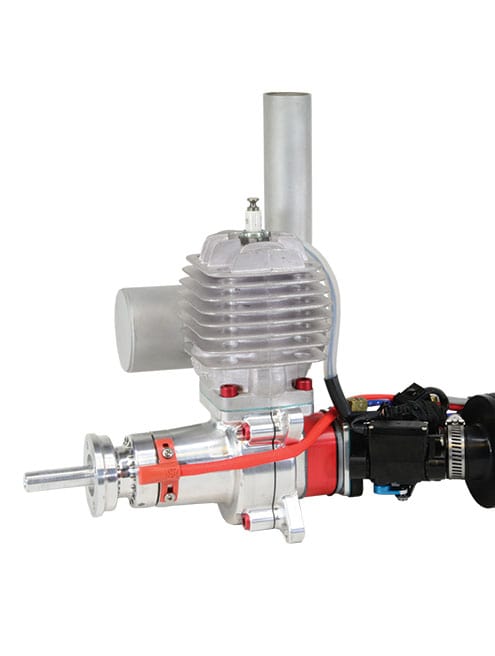
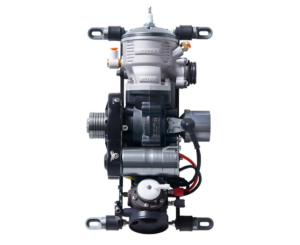
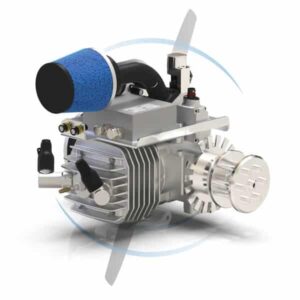
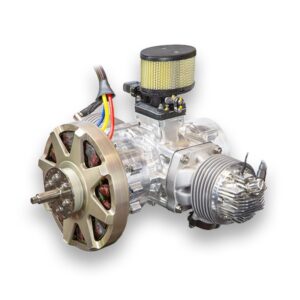
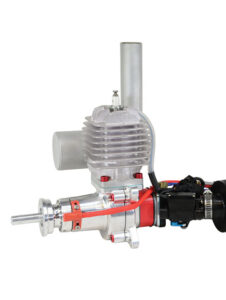
100 cc drone engine with advanced electronic fuel injection
100 cc drone engine with advanced electronic fuel injection
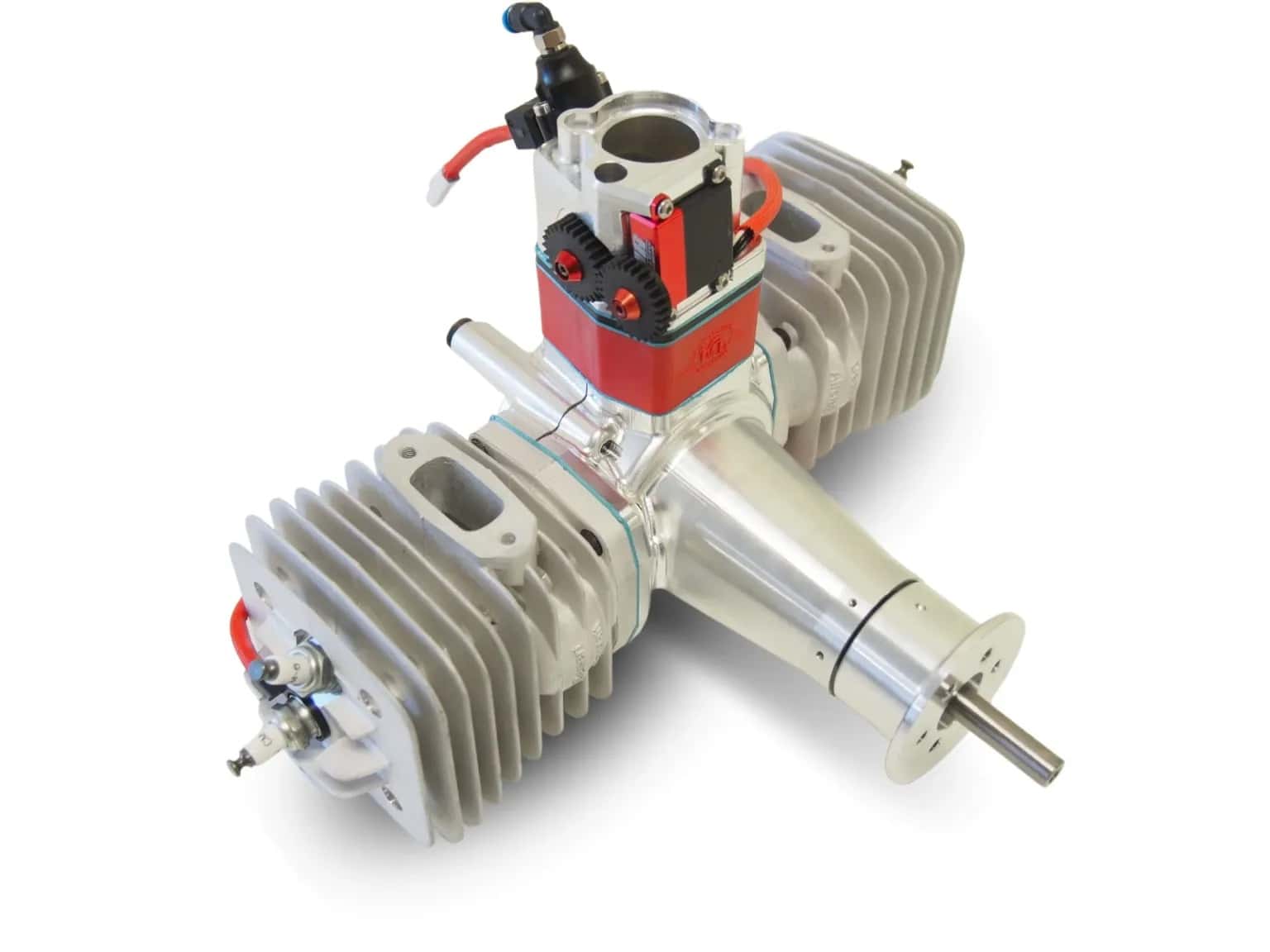
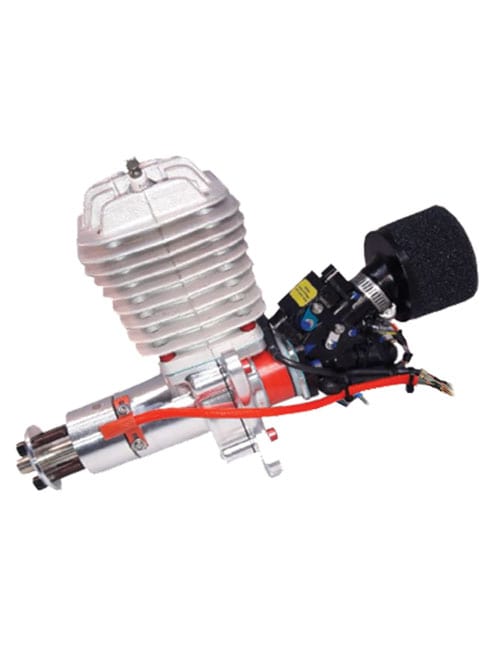
The DA 100 EFI Engine is a 100 cc UAVengine incorporating an electronic fuel injection system for... ...rives from the engine crankshaft, with the stator mounted to the crankshaft casing and the rotor...
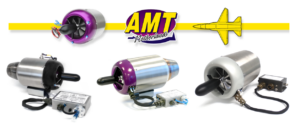
...represented by UAV Propulsion Tech, provides gas turbine engines that offer fuel consumption and... ...;s gas turbine engines are extensively tested to ensure strict performance and safety standards, and...
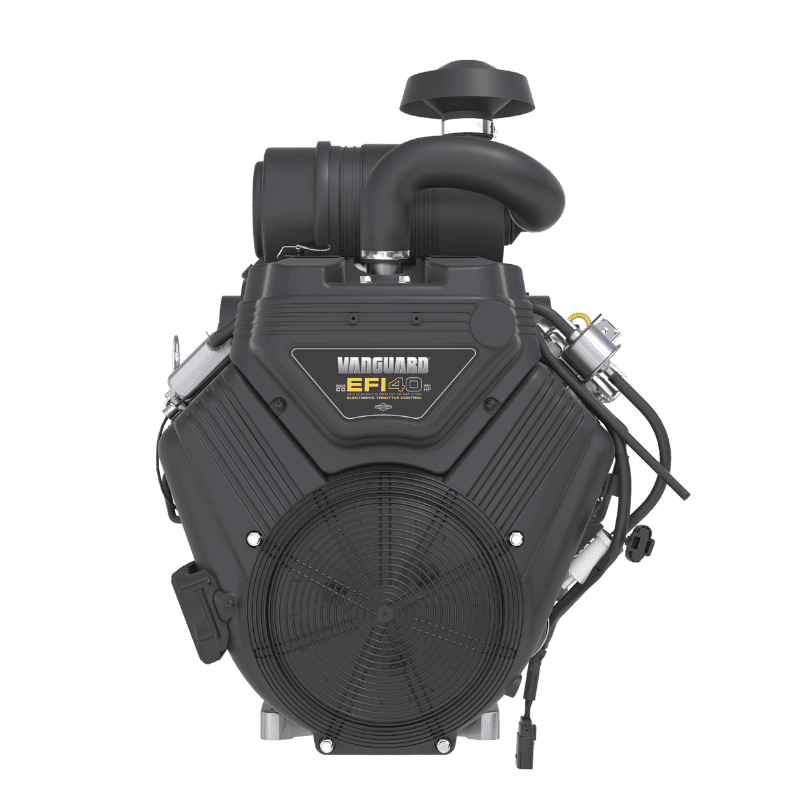
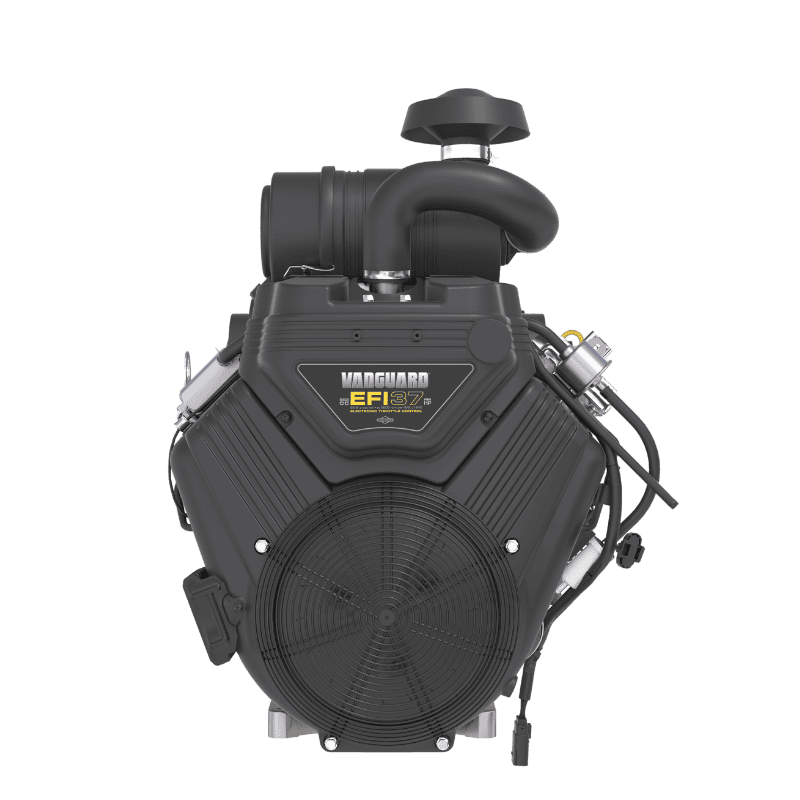
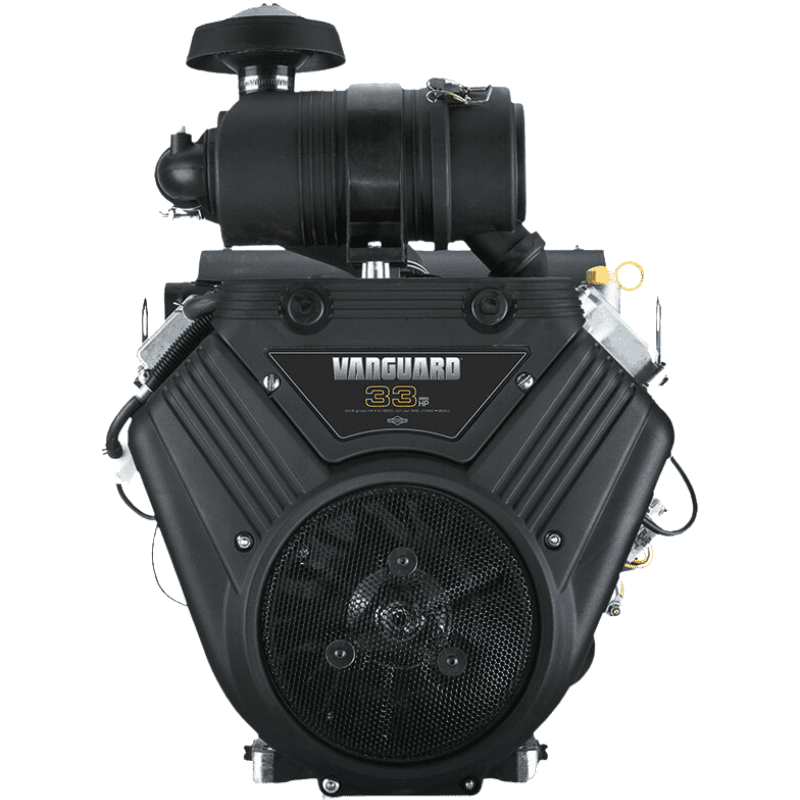
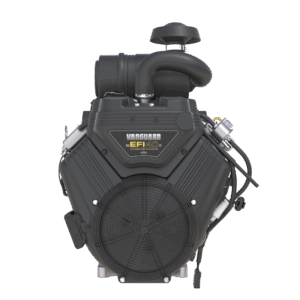
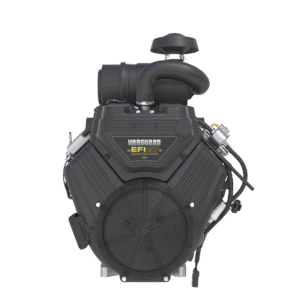
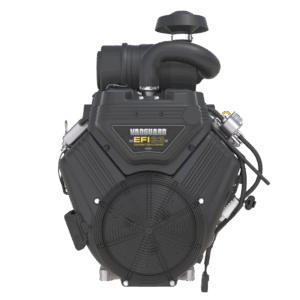
EFI/ETC-equipped BIG BLOCK™ V-Twin engine for industrial applications
EFI/ETC-equipped BIG BLOCK™ V-Twin engine for industrial applications
...t BIG BLOCK™ engine delivers peak performance for high-power applications in agriculture,... ...... for rugged reliability, this engine maintains efficiency and performance under constant stress....
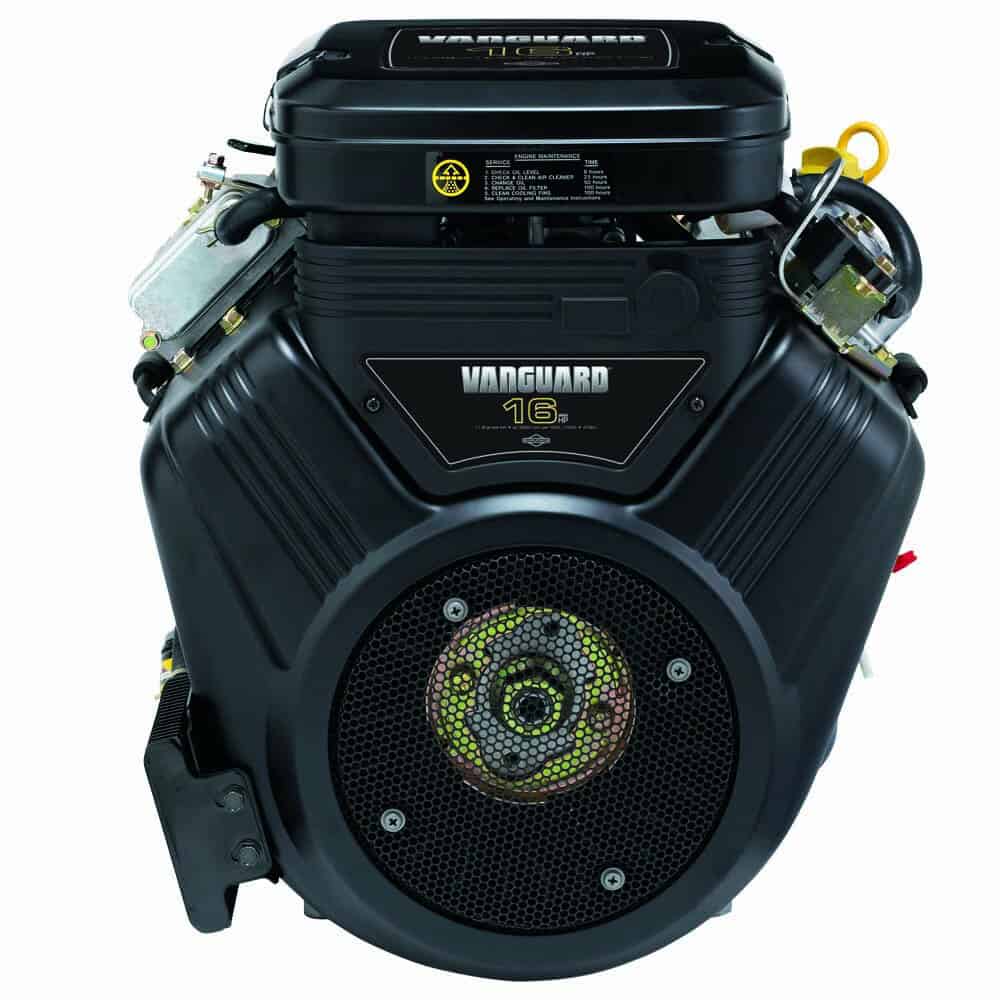
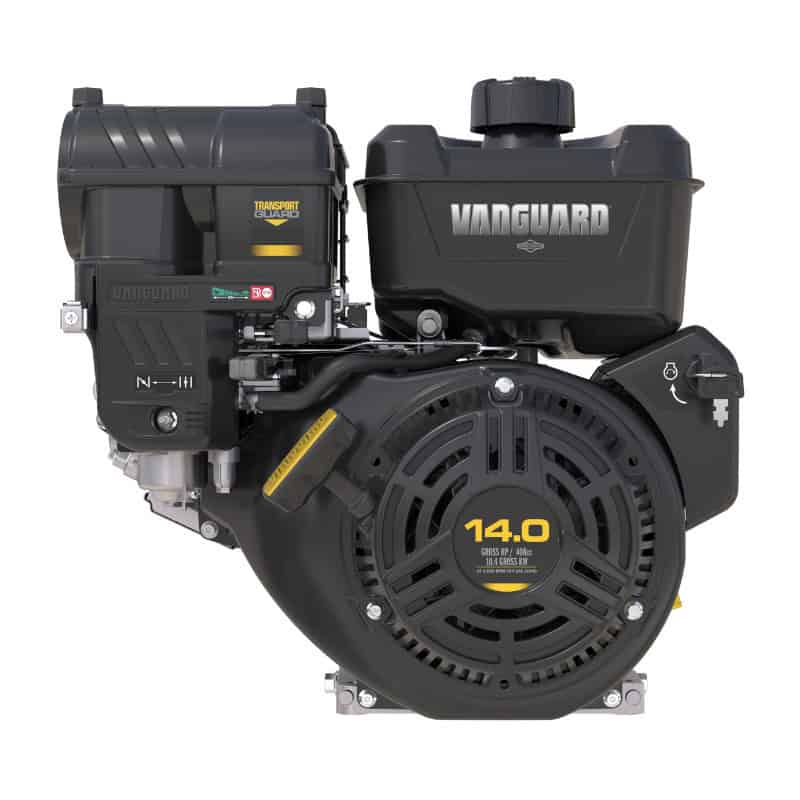
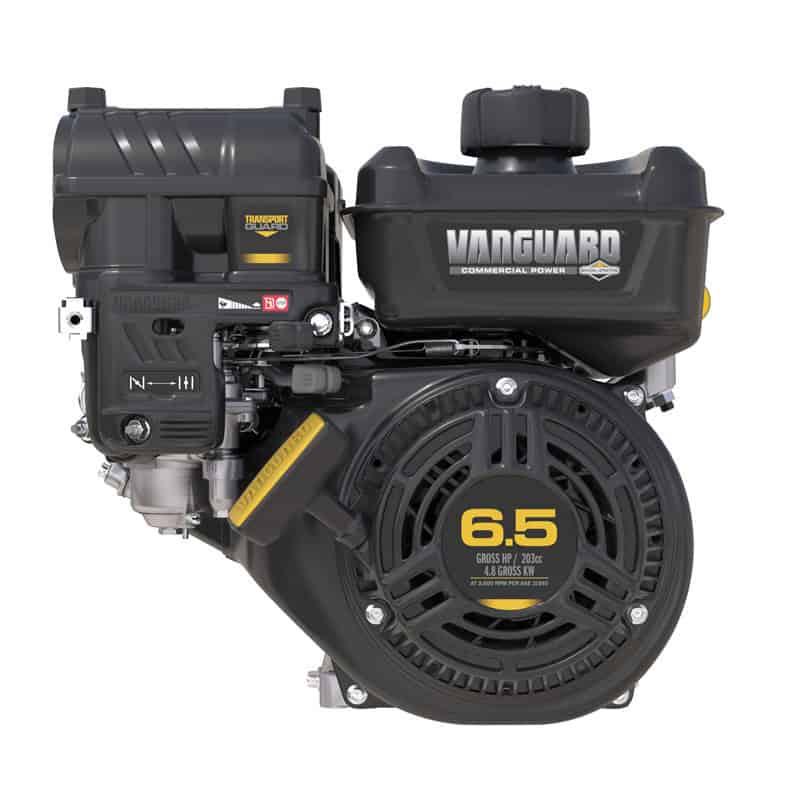
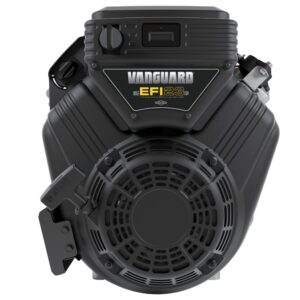
EFI-equipped V-Twin engine engineered for fuel-efficient power in commercial equipment
EFI-equipped V-Twin engine engineered for fuel-efficient power in commercial equipment
...rizontal shaft engine combines a robust V-Twin design with advanced Electronic Fuel Injection for... ...ut, and longer engine life with reduced fuel use....
Petroleum, or gasoline, is a common fuel used for UAV (unmanned aerial vehicle) engines. It provides a greater energy density than batteries, allowing gasoline-powered drones to fly further and longer without needing to land, and also enables the transportation of heavier payloads. However, as the weight of an engine plus fuel is greater than most batteries, drones need to be above a certain size in order for gasoline to be a viable power source.
SP-55 FI TS ROS 1-Cylinder Gas Engine by Sky Power International
Advantages & Disadvantages of UAV Gas Engines
Gasoline has a lower flash point than heavy fuels such as jet fuel and kerosene, which are also used in some drone engines. This makes gasoline drone engines easier to start. However, this higher flash point means greater combustibility, making gasoline inherently more dangerous to use as well as store and transport, compared to both heavy fuels and batteries.
Gasoline also freezes at low temperatures, making it less suitable for drones flying in extremely cold climates or at high altitudes. Some UAV engines are multi-fuel and are capable of running on both gasoline and heavy fuels.
Carbureted Vs Fuel-Injected Petrol Engines for Drones
4-stroke gasoline engine for UAV by UAVOS
Drone petrol engines may be carbureted or fuel-injected.
Carburetor engines vaporize fuel and mix it with air before it enters the engine, with the fuel-air ratio controlled by the throttle.
Fuel injection engines vary the amount of fuel according to the measured airflow, and then vaporize and mix it with air before injecting it into the engine cylinders.
Fuel-injected gasoline engines are more efficient, whereas carburettor engines are easier to start and are simpler due to fewer parts.
Rotary & Wankel Gasoline Engines
Gasoline engines used for UAVs are most commonly two-stroke or four-stroke piston-driven internal combustion engines. However, rotary and Wankel designs for UAVs also exist. These engines use a rotor spinning within a housing to carry out the combustion cycle, and provide an excellent power-to-weight ratio as well as lower levels of heat, noise and vibration.
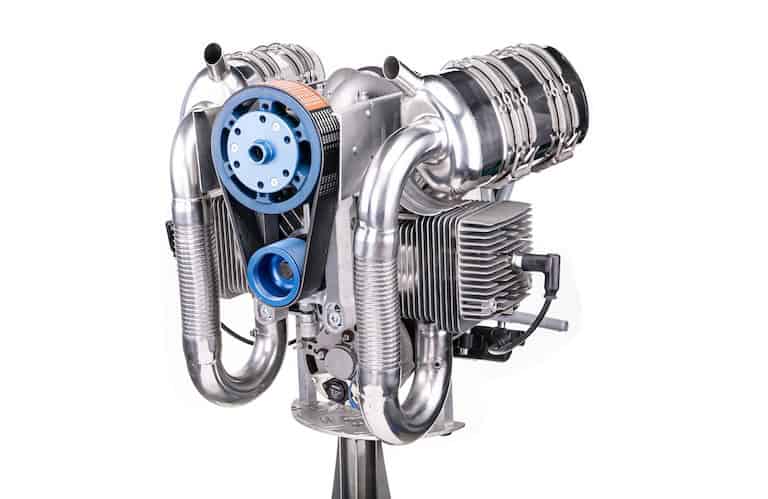
Hirth Engines’ 4201 Engine is a lightweight two-stroke boxer engine for UAV and light aviation applications, combining advanced closed-loop control technology, automatic altitude and temperature compensation, and a high power-to-weight ratio within a compact air-cooled design
Flygas explores the GAS418HA (180hp), a supercharged four-stroke gasoline engine designed for high-altitude and medium-altitude long-endurance (MALE) UAV applications, highlighting its performance and suitability for demanding drone operations
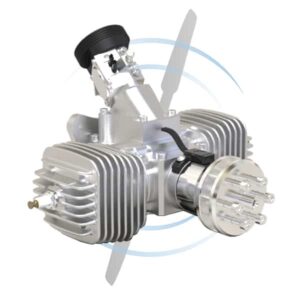
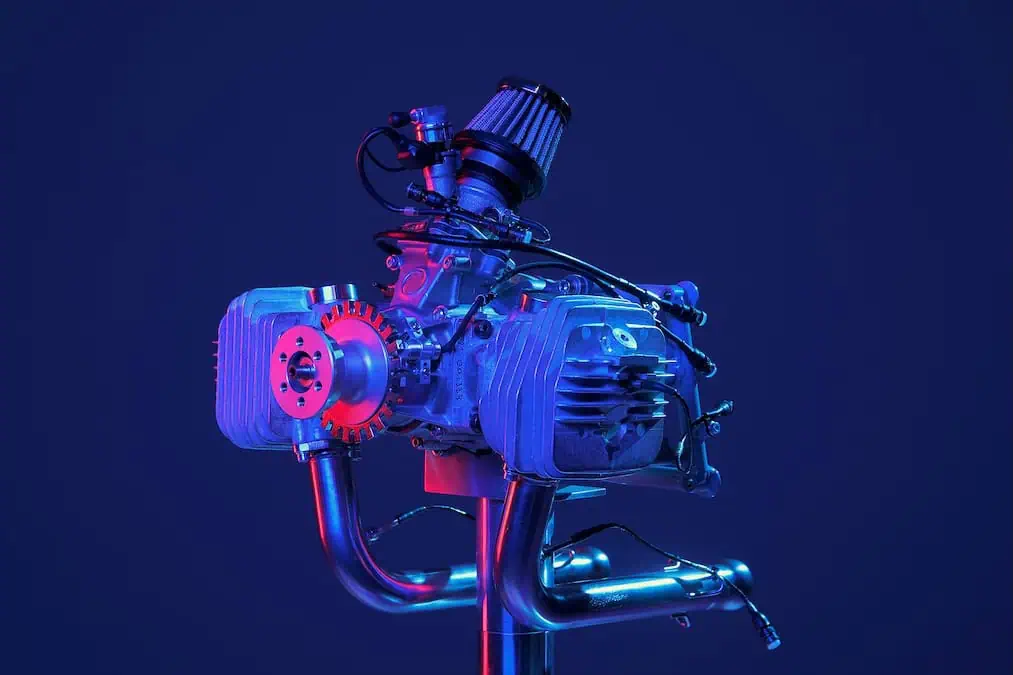
Hirth Engines’ 2301 is an air-cooled boxer two-stroke petrol engine delivering approximately 49 HP for unmanned aerial vehiclesand ultralight aircraft, with compact dimensions and configurable options
HFE International’s GenPod® 70 LRU combines an electronic fuel injection engine, integrated power generation, and control hardware in a modular unit designed for straightforward installation and field replacement
The latest unmanned systems news, straight to your inbox.
Get our weekly roundup of technology developments, new products and industry news.
THANK YOU FOR SIGNING UP
Thanks for joining us. Check your inbox.
We've sent you an email. Click the confirmation link to complete your subscription to the weekly eBrief. In the meantime, explore the latest news, suppliers and technologies on UST.
Advancing Unmanned Systems Through Strategic Collaboration
UST works with major OEMs to foster collaboration and increase engagement with SMEs, to accelerate innovation and drive unmanned systems capabilities forward.