UAV Propulsion Tech outlines six key considerations when sourcing Unmanned Aerial Vehicle (UAV) engines, focusing on the factors that influence performance, integration, and long-term operation.
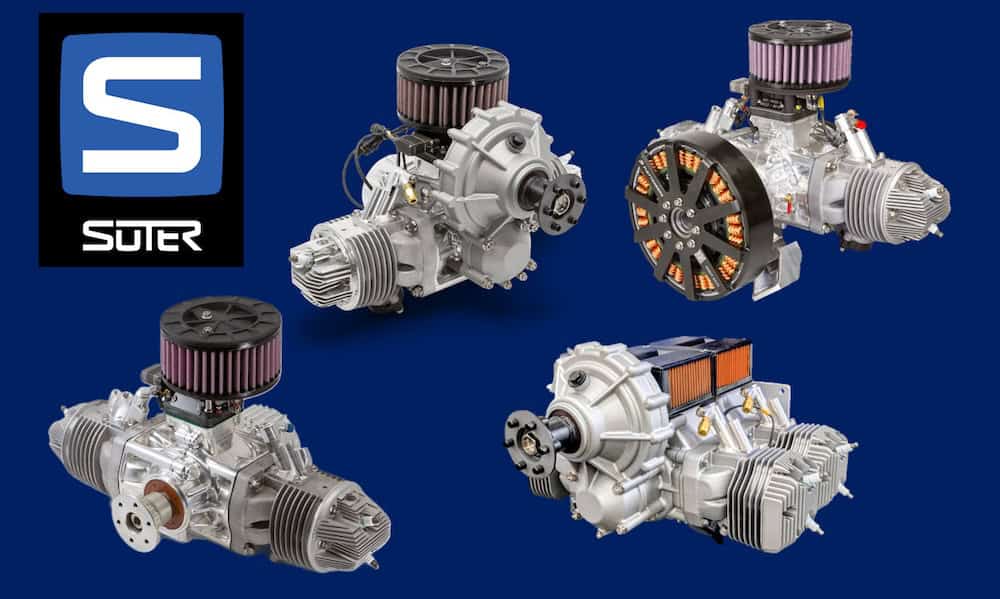
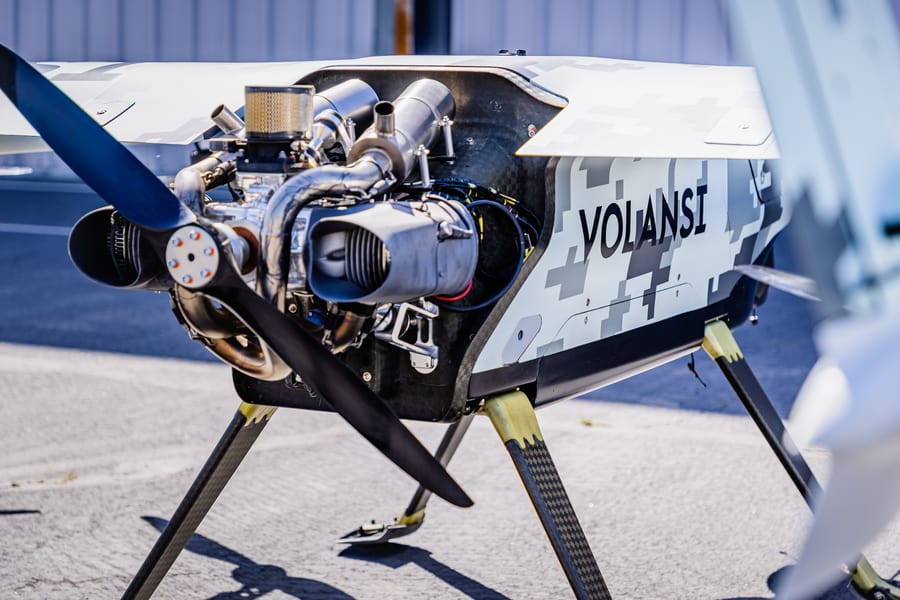
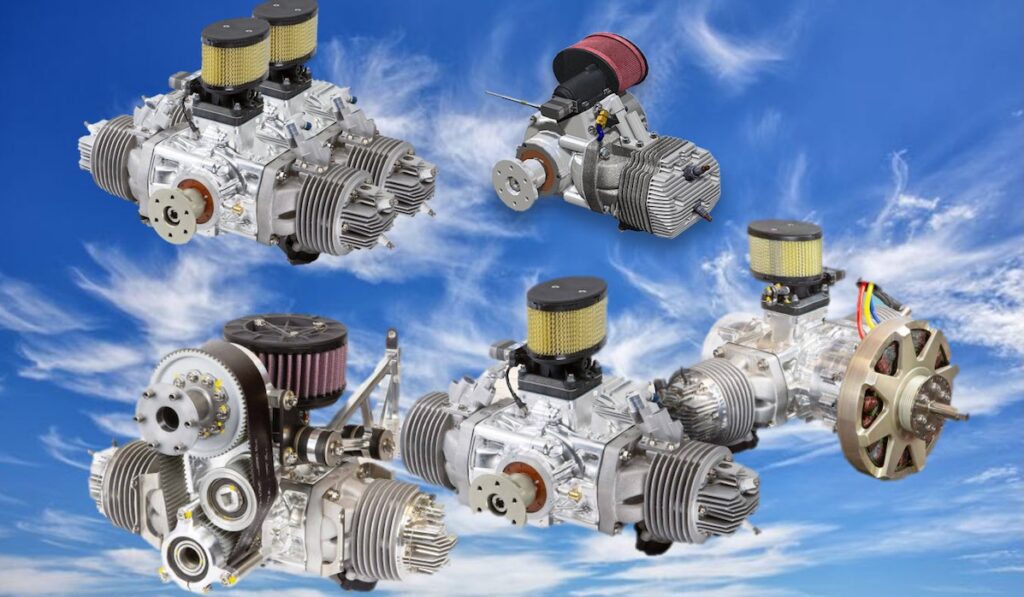
As a distributor of propulsion systems, the company works with manufacturers such as Suter Industries to support UAV developers and integrators in selecting engines aligned with mission requirements. Engine selection remains a critical stage in UAV development, as propulsion directly affects payload capacity, endurance, reliability, and operating cost.
A primary consideration is power-to-weight ratio, as engine mass directly impacts payload availability, fuel capacity, and mission duration. Fuel compatibility is also essential, particularly for defense applications requiring operation on kerosene-based fuels such as Jet A-1, JP-5, and JP-8. Heavy-fuel engine variants address this requirement through semi-direct injection and electronic control systems. Time Before Overhaul (TBO) is another key factor, with higher TBO values reducing maintenance requirements, spare parts consumption, and aircraft downtime over the course of operation.
Reliability is a core requirement in unmanned aviation, where consistent engine performance is critical to mission continuity. Features such as electronic engine control, altitude and temperature compensation, over-temperature protection, and balanced engine configurations support stable operation. Supply chain transparency is also an important consideration, as component origin and regulatory compliance can affect procurement eligibility and deployment within regulated programs.
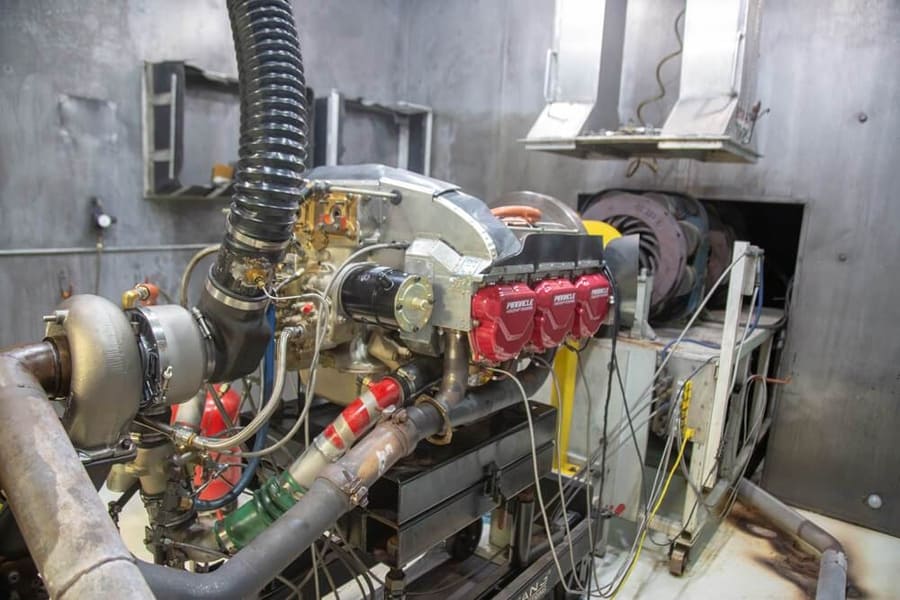
Engineering support and integration capability are critical to implementation. Engine installation requires coordination across systems including cooling, exhaust, mounting, and electrical interfaces. Access to technical support, along with consideration of lifecycle planning and system integration, forms an important part of the sourcing process. Addressing these six considerations supports propulsion selection based on defined mission and operational requirements.
To find out more information, please visit the UAV Propulsion Tech website.