


Sonardyne, a Kraken Robotics company, has commenced baseline environmental and passive seismic monitoring at the UK’s first commercial-scale offshore carbon storage project following the installation of six seabed lander systems.
The monitoring array was deployed on behalf of the Northern Endurance Partnership (NEP) at the Endurance carbon dioxide store, situated approximately 1,000 metres beneath the seabed in the Southern North Sea, about 150 kilometres off the coast of Teesside. NEP is delivering the carbon dioxide transportation and storage network centred on the Endurance site as part of the broader East Coast Cluster decarbonisation programme across Teesside and the Humber.
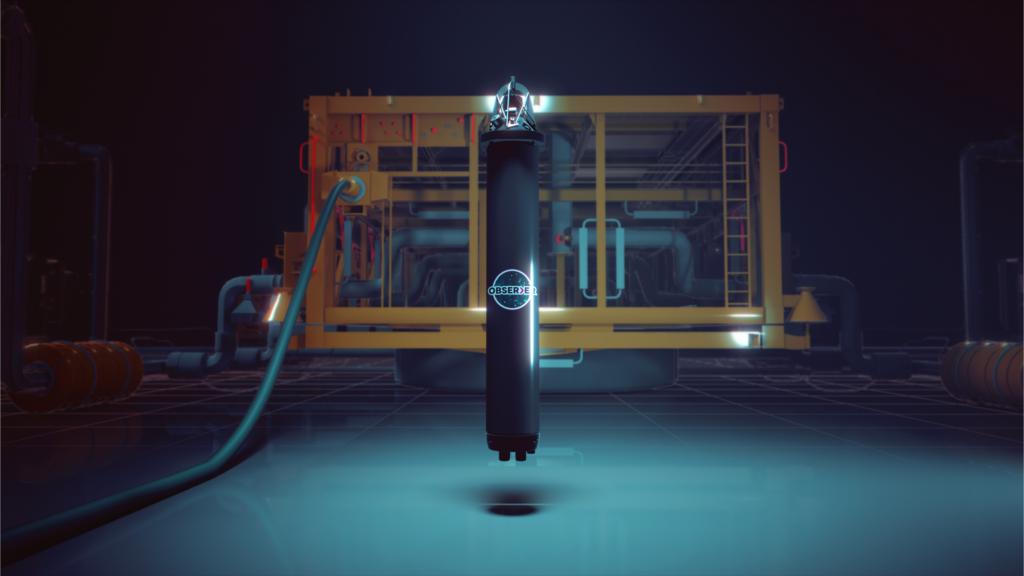
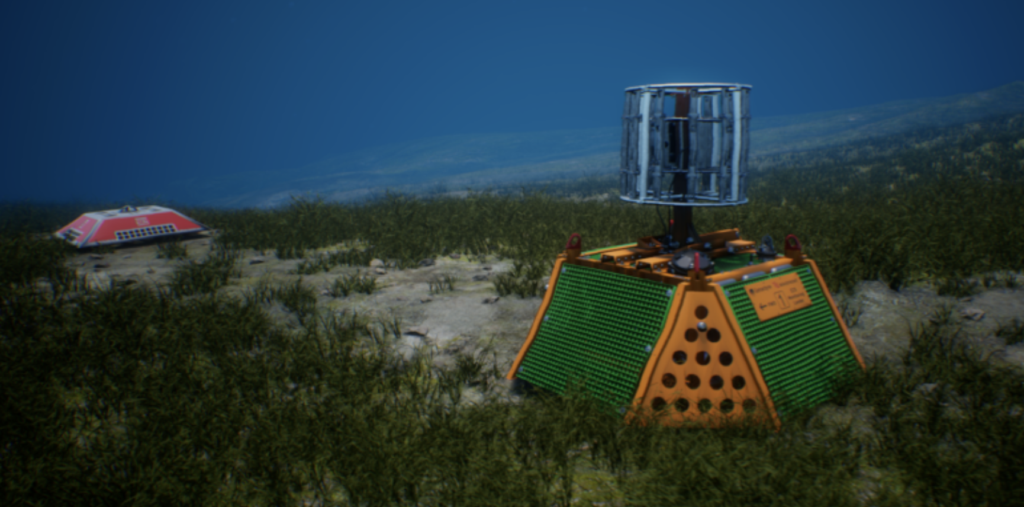
The subsea hardware directly supports NEP’s long-term measurement, monitoring and verification programme, establishing the repeatable baseline metrics required to track reservoir integrity across the storage lifecycle. The package consists of three autonomous environmental monitoring landers engineered and built by Sonardyne, paired with three co-located TIAMAT passive seismic monitoring units supplied by K.U.M. Operating together, the stations collect critical data on seawater chemistry, currents, seabed conditions and passive seismic activity before injection operations commence.
To enable long deployments without regular retrieval, Sonardyne’s environmental monitoring landers utilise onboard power management, Edge data processing and wireless underwater communications to transmit records from the seabed to the surface.
“Confidence in offshore CO₂ storage starts with good data. By delivering and deploying these environmental and micro-seismic monitoring systems, and managing their ongoing operation and data retrieval, Sonardyne is supporting a key part of NEP’s MMV programme at Endurance,” said Stephen Auld, Business Development Manager for Custom Projects at Sonardyne.
“For offshore CO₂ storage, that continuity matters. Long-term assurance depends on reliable data gathered across the full storage lifecycle, not a single point-in-time measurement — a role that draws directly on our experience in seabed-resident monitoring, acoustic communications and offshore integrity monitoring.”
Mike Stephen, Head of Technical at NEP, highlighted the significance of the baseline data collection for demonstrating containment safety over time.
“The deployment of these monitoring systems is a great example of the expertise and innovation that is helping to deliver CCS in the UK. Establishing a robust environmental and seismic baseline before operations begin, is a vital part of our long-term monitoring programme, providing the data required to demonstrate the safe and secure storage of CO₂ over time,” Stephen said.
“Working with leading technology partners builds confidence in offshore carbon storage and, is helping us to deliver the infrastructure needed to decarbonise industry across Teesside, the Humber and beyond.”