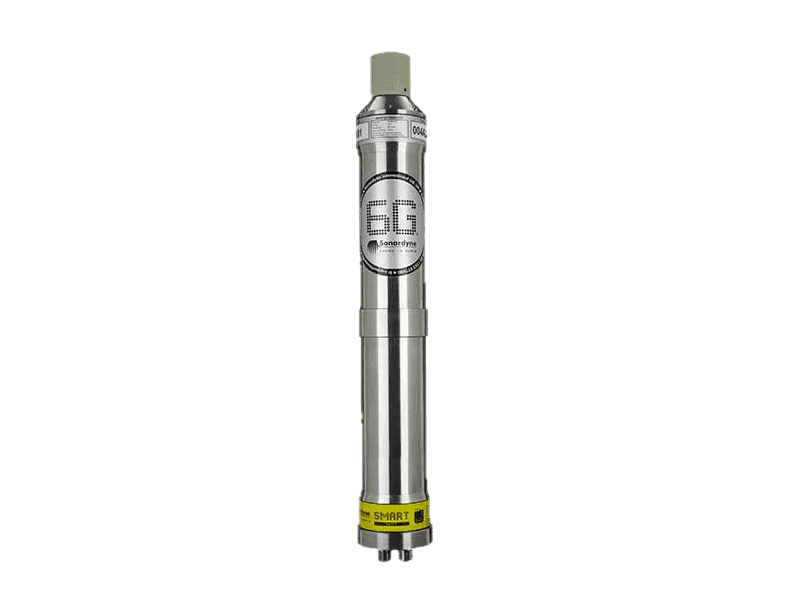


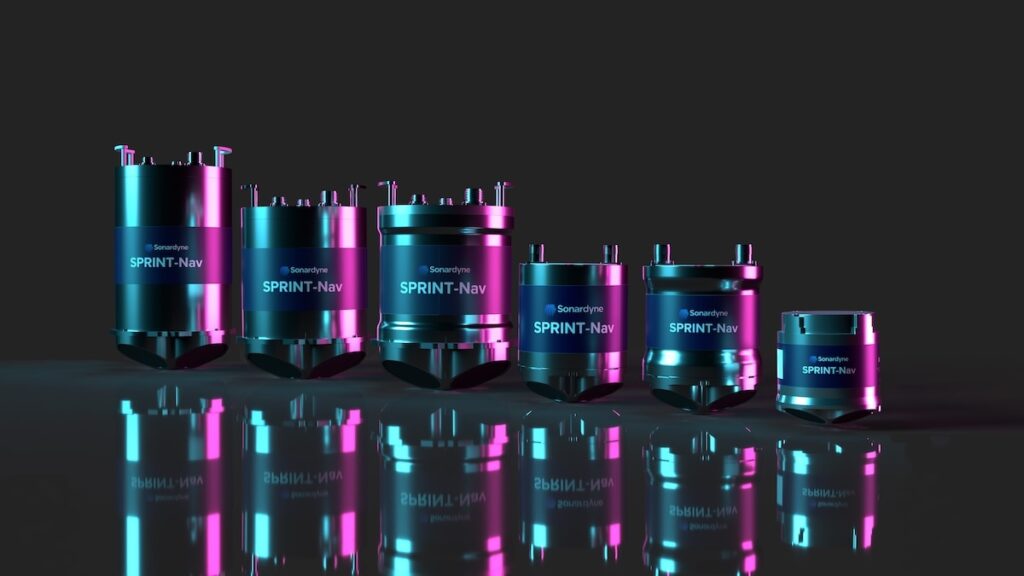
Sonardyne, a Kraken Robotics company, has expanded its SPRINT-Nav underwater navigation technology into a complete, scalable family of instruments built around a single shared architecture for marine robotics.
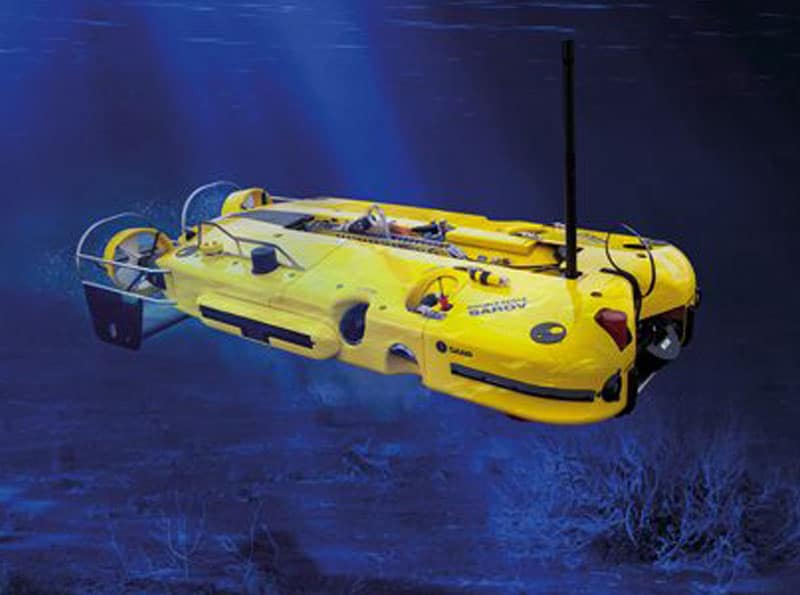
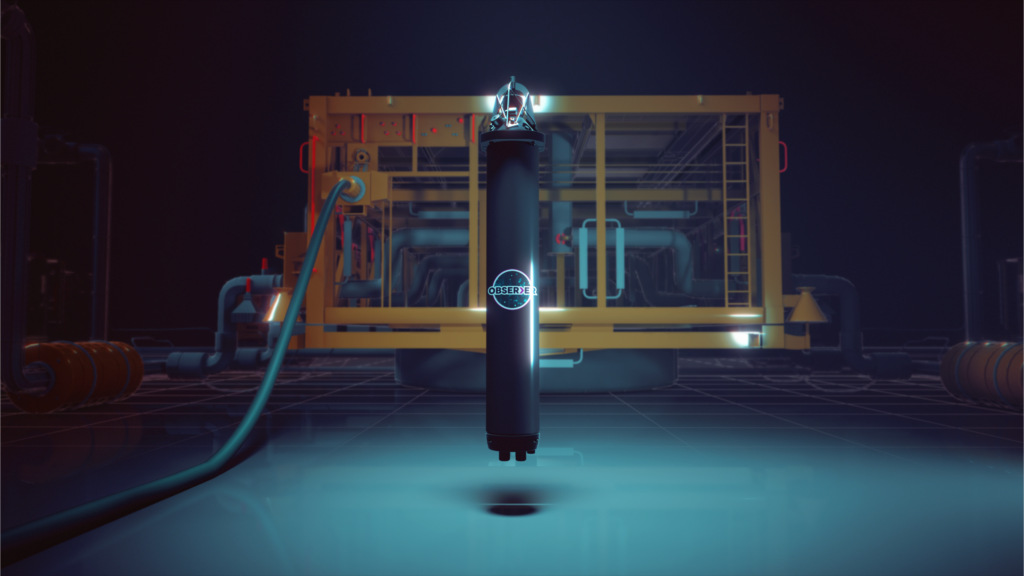
For more than a decade, SPRINT-Nav has combined key subsea navigation sensors into a single pre-calibrated instrument, helping vehicle teams save space, reduce build complexity, and lower integration risk. The expanded product family extends higher performance to both compact inspection vehicles and towfish as well as work-class remotely operated vehicles (ROVs) and long-endurance extra-large uncrewed underwater vehicles (XLUUVs).
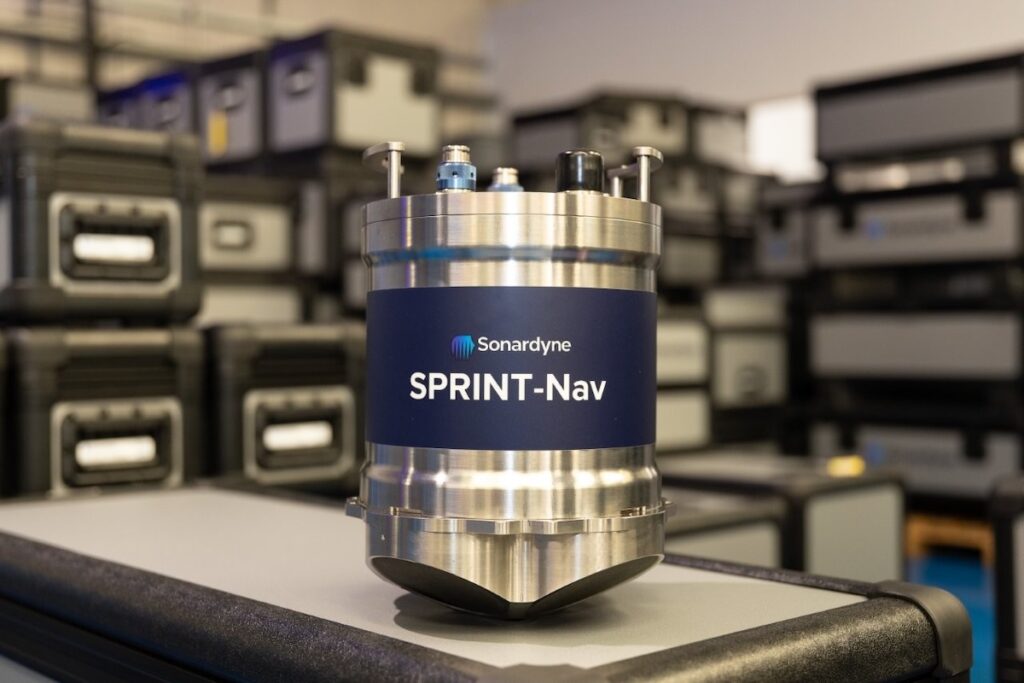
Built on a unified embedded software suite using the same web UI and API across every form factor, the system allows manufacturers and operators to easily swap navigation units as mission requirements grow. All variants retain tightly integrated inertial navigation systems (INS) and Doppler velocity logs (DVL), factory pre-calibration, true north seeking heading, free-inertial capability, and sensor fusion, while introducing faster initialisation, simplified setup, and reduced offshore configuration.
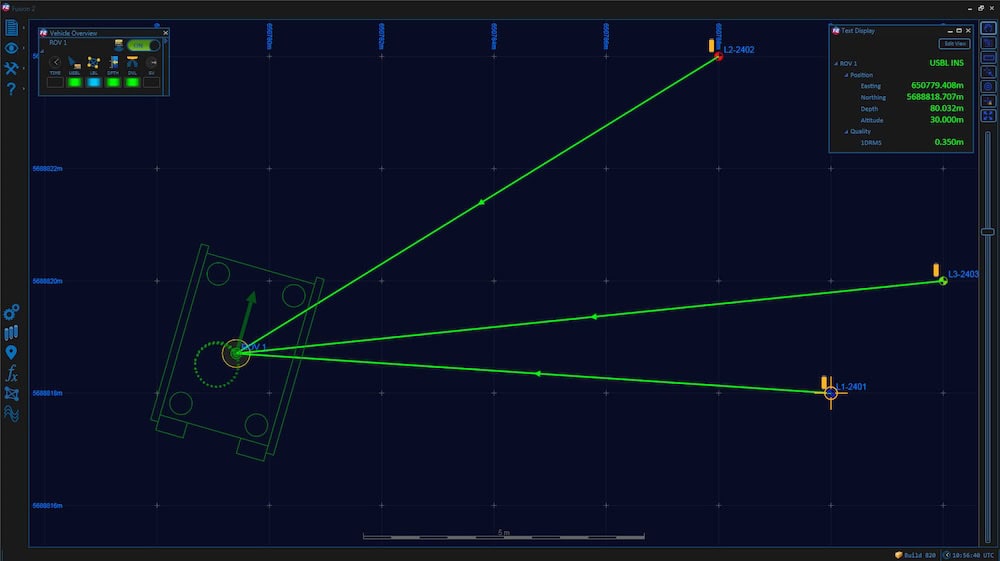
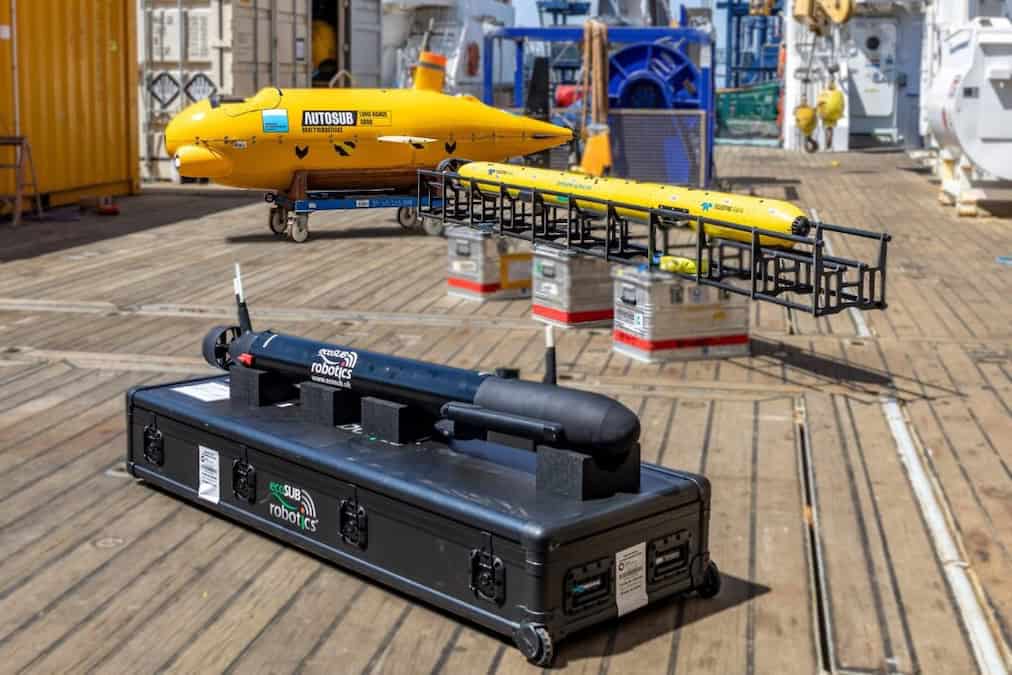
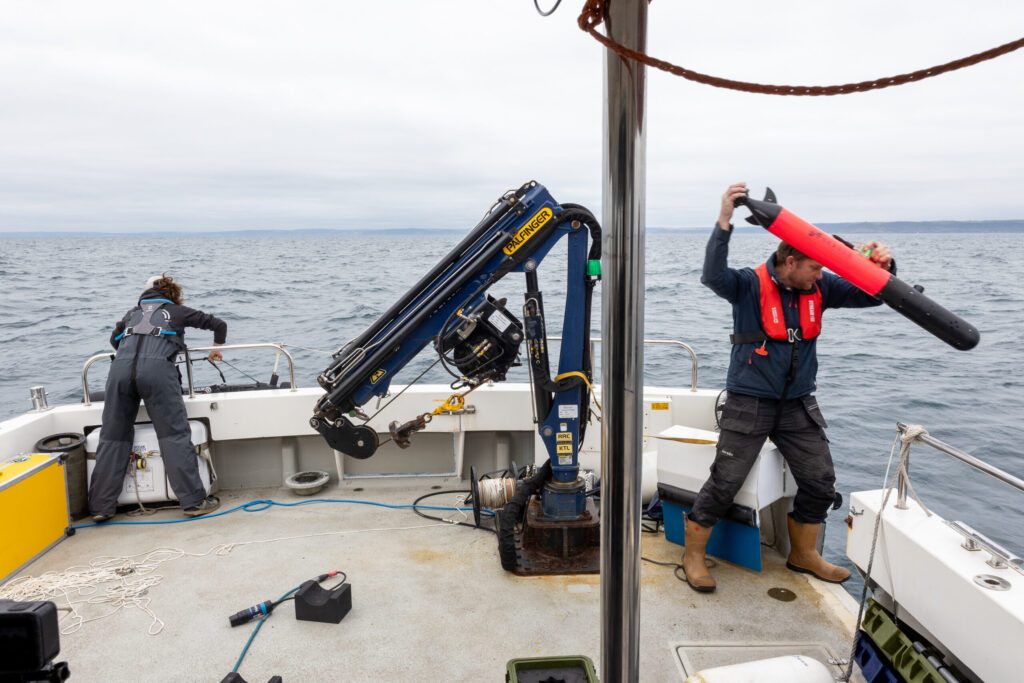
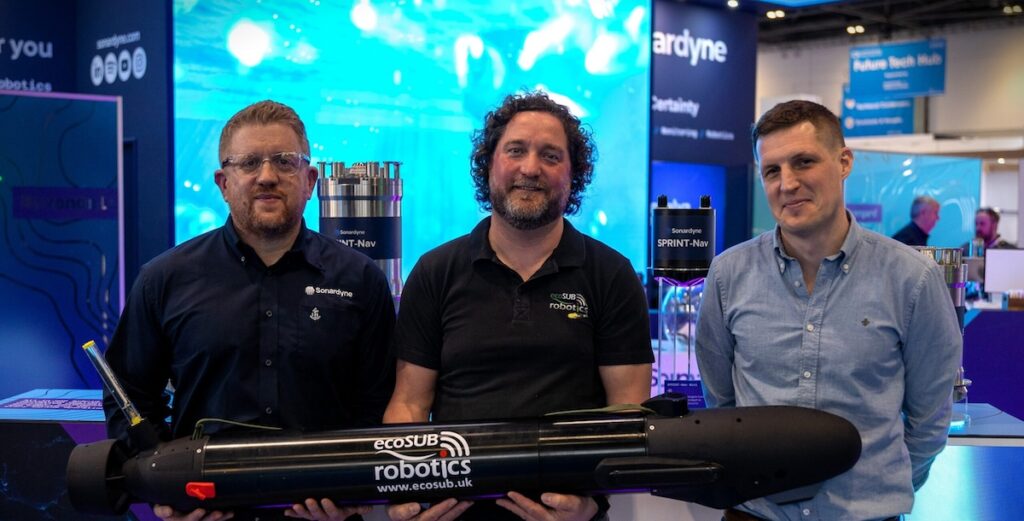
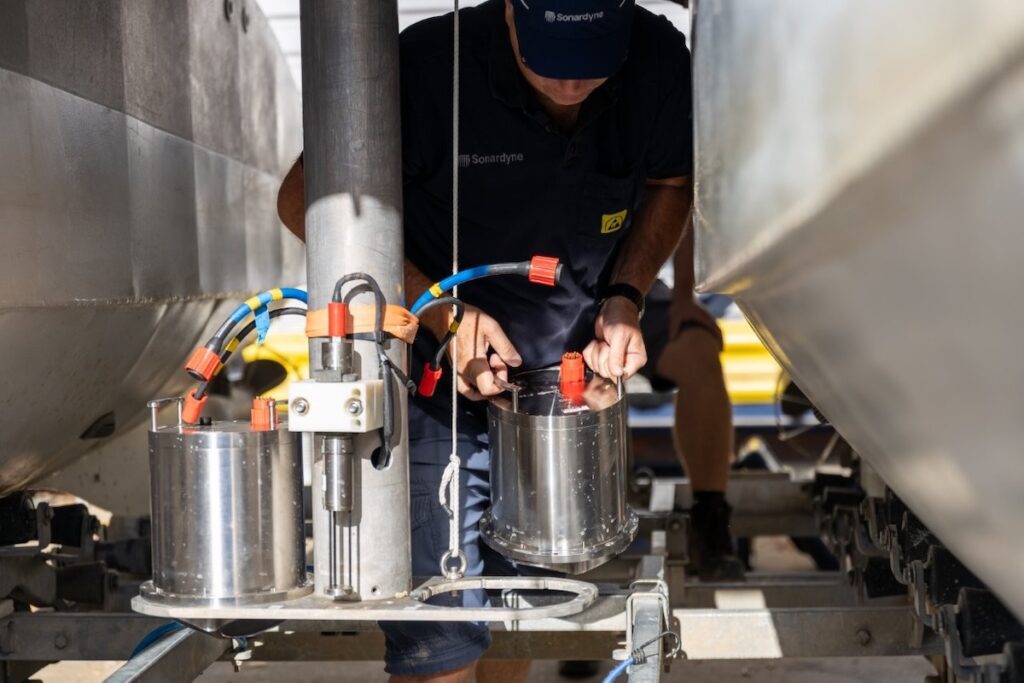
The updated instruments also support survey operations using Sonardyne’s Fusion 2 software, unlocking Long Base Line (LBL) range aiding and Simultaneous Localisation and Mapping (SLAM) calibration. The smallest variant in the lineup, the SPRINT-Nav U, is already being utilized by UK-based small form factor AUV developer ecoSUB Robotics and survey firm Sulmara to enhance data quality and volume, while higher-performance free-inertial variants provide unaided navigation for larger platforms operating on long-endurance surveillance missions.
“Marine robotics teams are being asked to do more with their vehicles: inspect assets in tighter spaces, gather cleaner survey data, support construction campaigns, operate towfish more efficiently and enable longer autonomous missions,” says Aidan Thorn, Business Development Manager, Robotics, at Sonardyne. “Each application brings different constraints, but all depend on reliable subsea navigation. The expanded SPRINT-Nav Family now means users can select the right balance of performance, size and depth rating for the task, without changing the way they integrate, operate or support the navigation system. Once one type of SPRINT-Nav has been integrated, the rest of the family follows the same familiar approach. That gives vehicle teams more freedom to adapt, upgrade or develop new platforms without starting again.”
“As marine operations become more autonomous and data-led, navigation remains one of the foundations of mission success,” said John Houlder, Senior Product Manager, Navigation, at Sonardyne. “It is what gives users confidence in where the vehicle is, where data was collected and whether the same level of performance can be repeated on the next task. By bringing the expanded SPRINT-Nav family onto a common architecture, we are making that confidence easier to build into more vehicle types and carry across more applications.”