CRP Group will highlight real-world applications of its Windform composite materials for aerospace and defense customers at the upcoming Annual Small Satellite Conference in Salt Lake City, Utah.
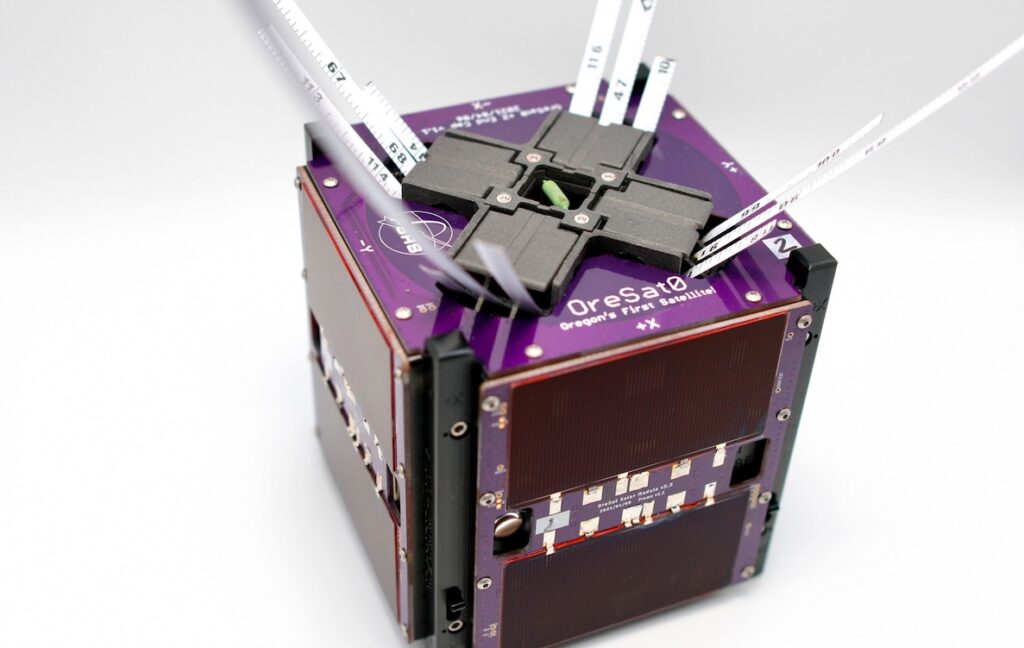
Taking place August 23–26, 2026, at the Salt Palace Convention Center, the event will see CRP USA display a selection of production-grade, flight-proven components at Booth 1500.
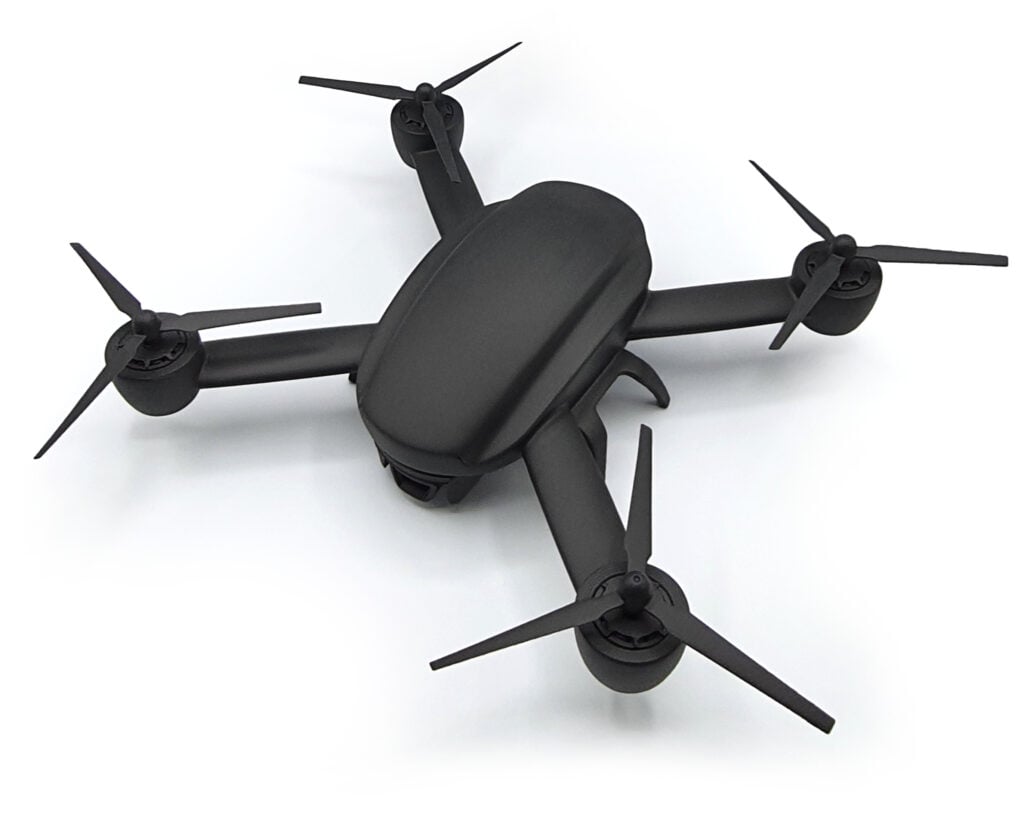
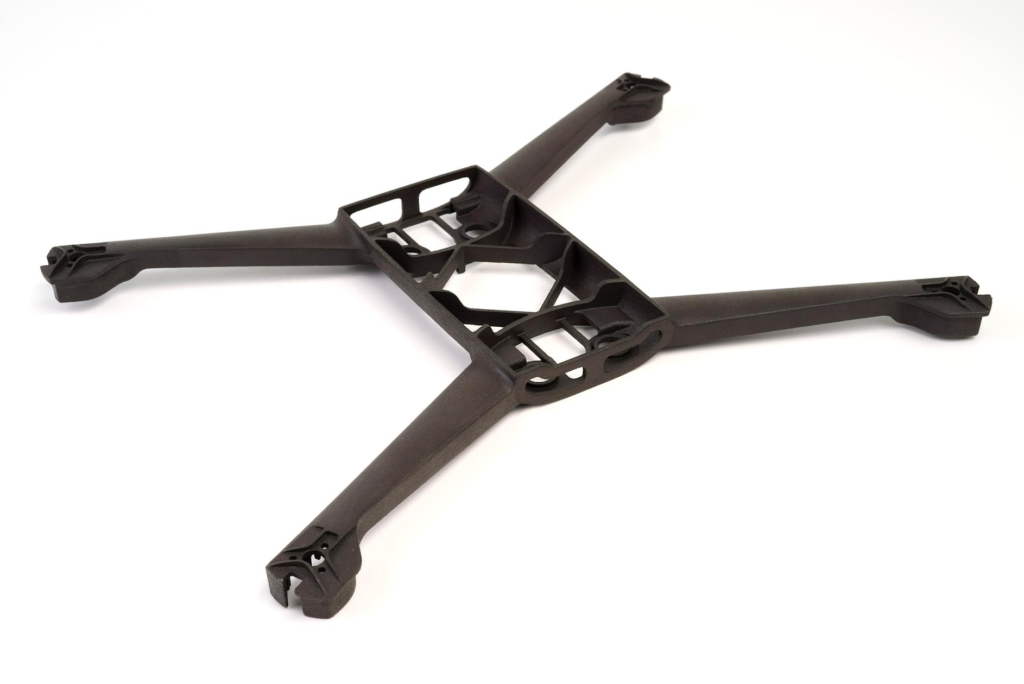
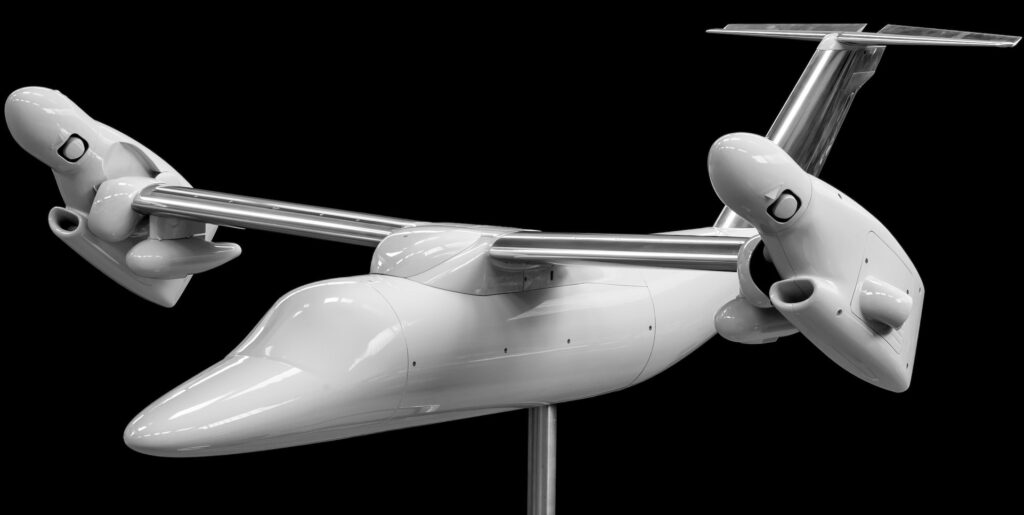
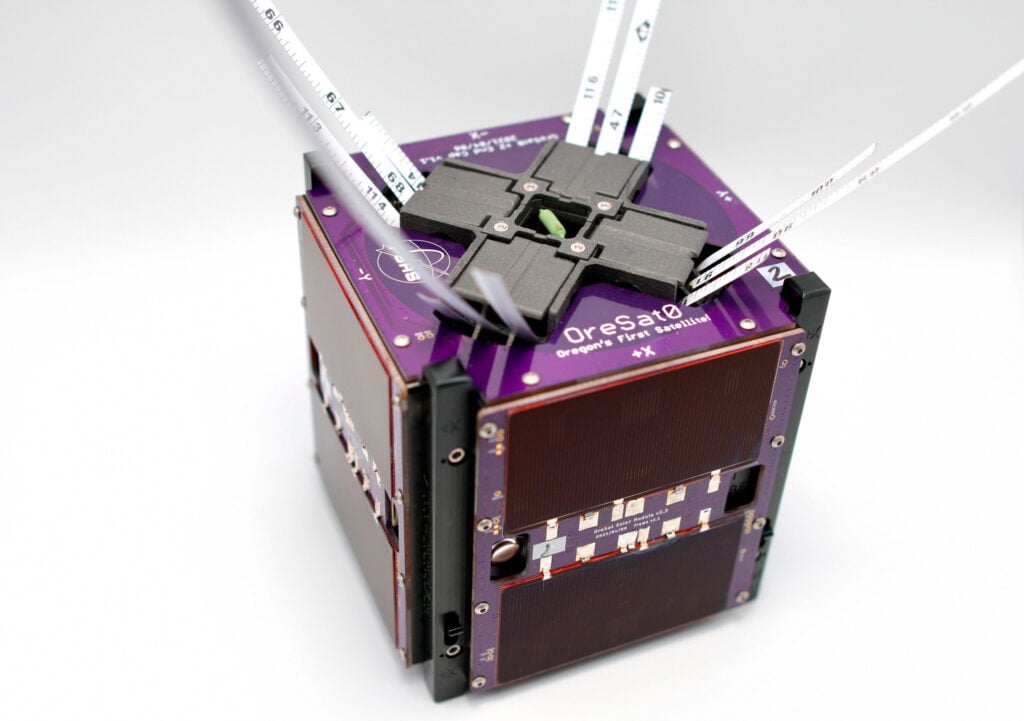
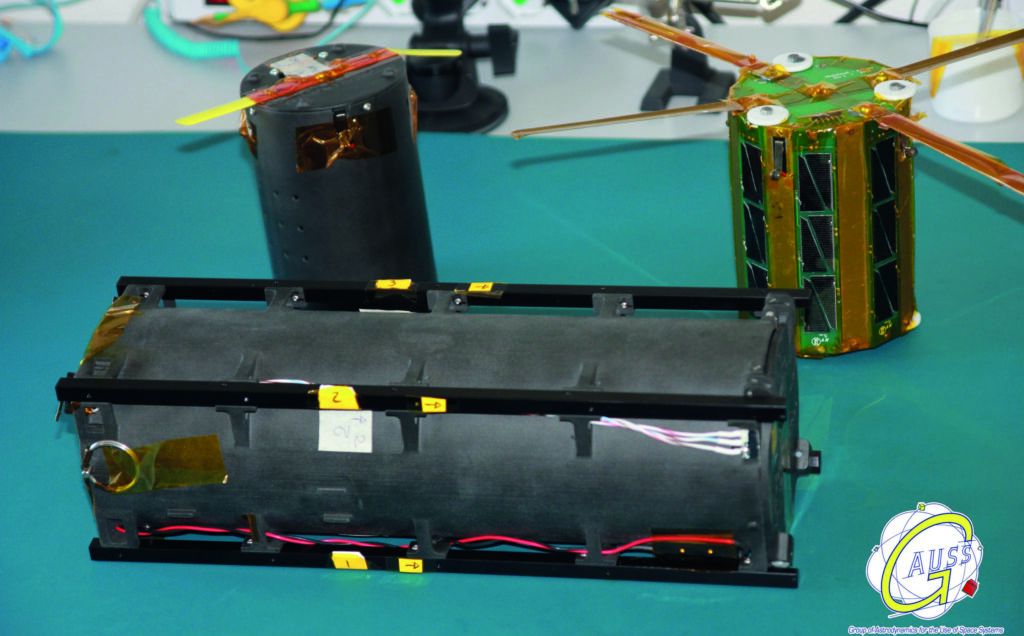
The company’s presentation will shift the focus from technical specifications toward concrete applications of its Windform family of glass and carbon fiber-reinforced composites. The exhibit will highlight how Windform applications can help solve engineering challenges for aerospace and defense customers.
Ahead of the event, Vu Mai, Senior Director of Sales at CRP USA, discusses the company’s booth strategy, its goals for the conference, and the broader industry dynamics driving its participation this year.
Interview with Vu Mai, Senior Director of Sales
Will you be highlighting specific Windform features or material properties at the booth this year, or is the focus shifting toward a particular application area?

This year, the emphasis is shifting away from individual material properties and toward how Windform enables customers to address real engineering challenges. The conversation at the booth is moving from questions about material specifications to a broader discussion of practical application.
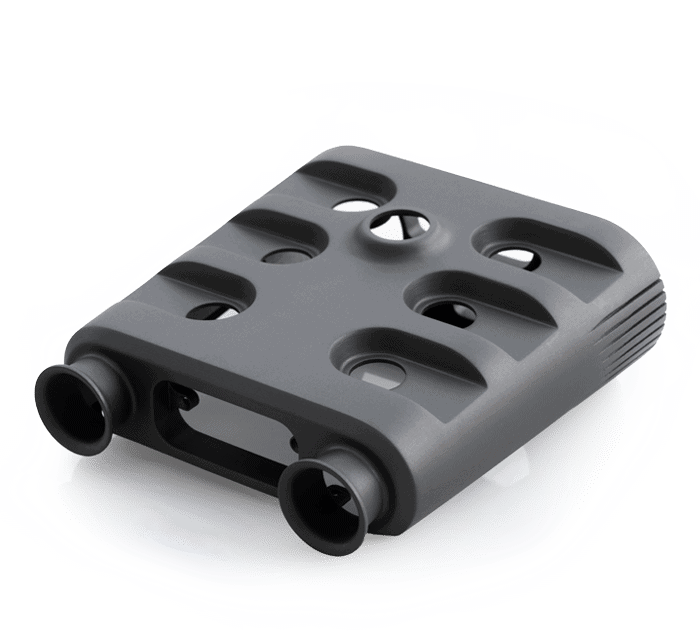
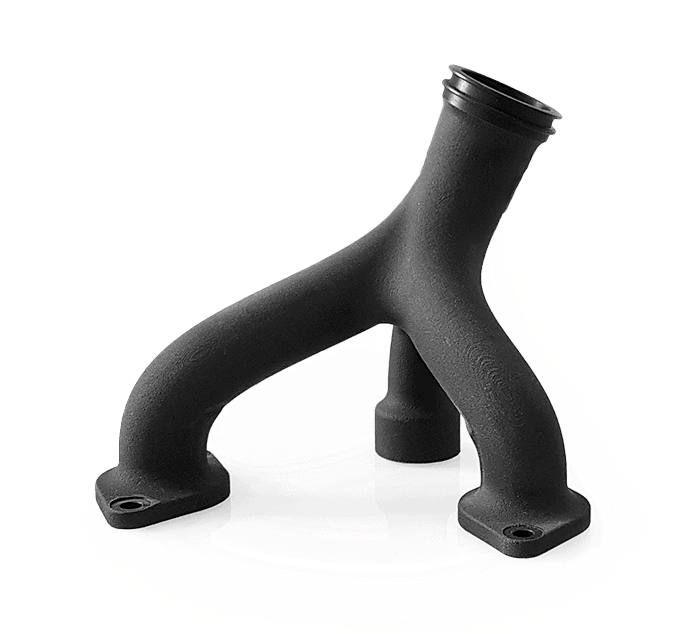
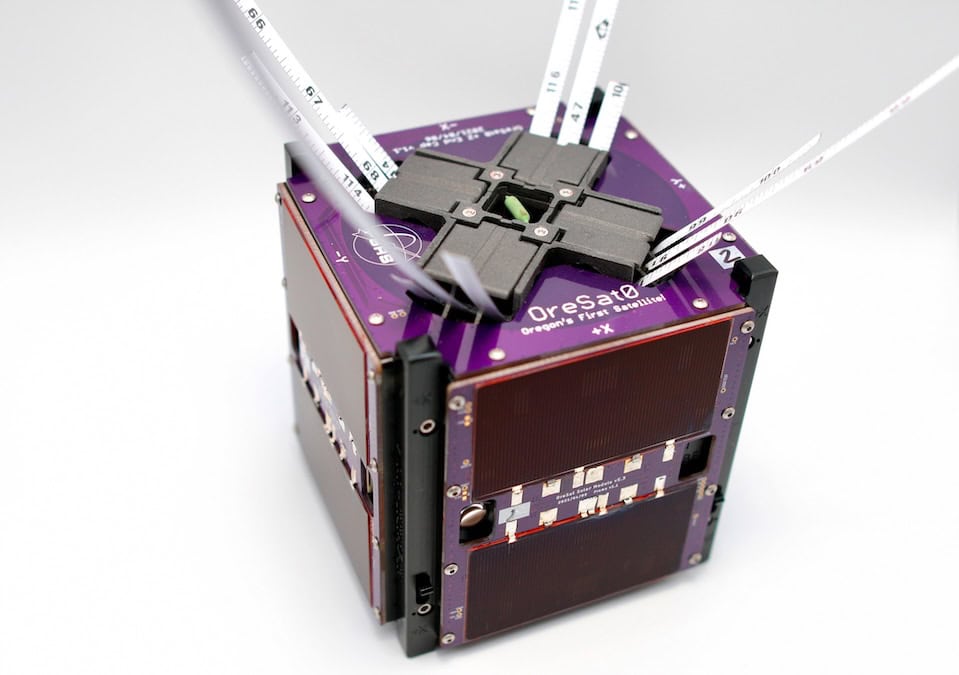
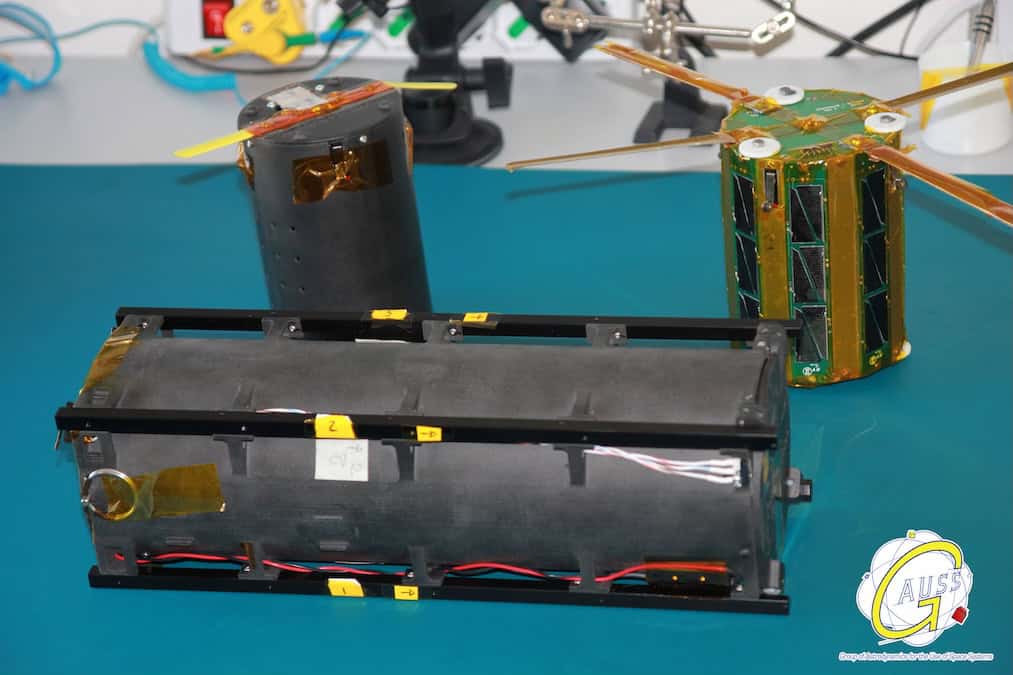
We will nonetheless continue to present the properties most relevant to the space industry, including our NASA-approved outgassing-tested materials, high strength-to-weight ratio, and thermal stability, as these remain foundational to engineering evaluation. Of greater emphasis, however, is how these properties translate into finished hardware, including satellite structures, optical systems, UAV components, launch support equipment, and other mission-critical parts.
What are you hoping to get out of this event?
SmallSat continues to be one of the most valuable events on our calendar, as it brings together the companies most relevant to our business. Our primary objective is to engage engineers and program teams seeking production-ready additive manufacturing partners, as distinct from prototyping vendors.
We also intend to strengthen existing customer relationships and to introduce Windform to organizations that continue to regard additive manufacturing primarily as a prototyping tool. Given sustained investment in defense, commercial space, and satellite constellations, we view this as a significant opportunity to engage both established aerospace organizations and emerging participants in the space sector.
What will you be displaying?
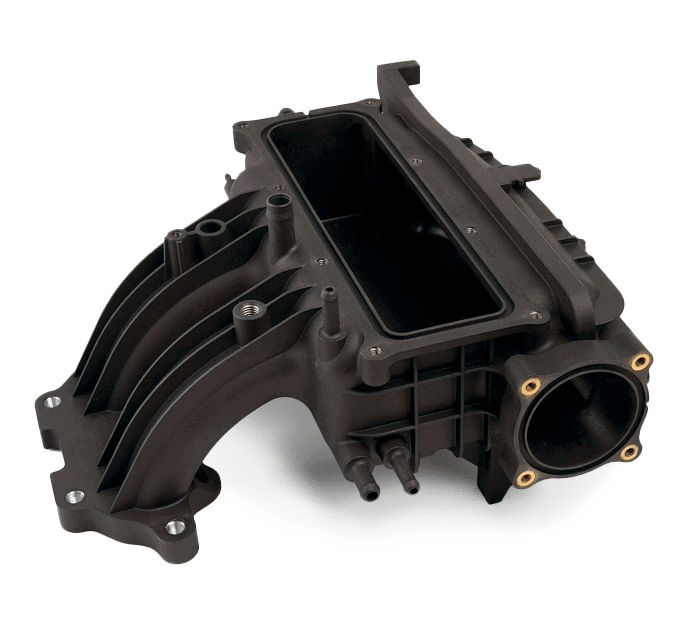
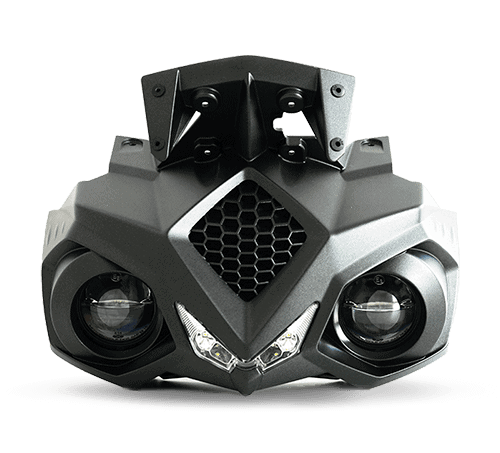
Attendees will see a range of production parts across multiple Windform materials, selected to represent the breadth of end-use applications supported for our aerospace and defense customers, rather than the introduction of a single new product. We will also present our North American manufacturing capabilities, including our AS9100D certification, our ITAR registration, and our capacity to support programs from prototype through full production within a single supplier relationship.
Is there anything happening in the small satellite and UxV space right now that makes this year’s presence particularly timely or relevant?
The industry continues to move toward lighter, more capable systems developed on shorter timelines, alongside sustained growth in investment across space, defense, and autonomous platforms. These trends align directly with Windform’s core strengths. Engineers require materials capable of meeting demanding performance requirements while supporting faster progression from design to production, and an increasing number are now specifying additive manufacturing for flight hardware rather than limiting its use to early-stage prototypes. This shift underscores the relevance of these discussions at this year’s conference.