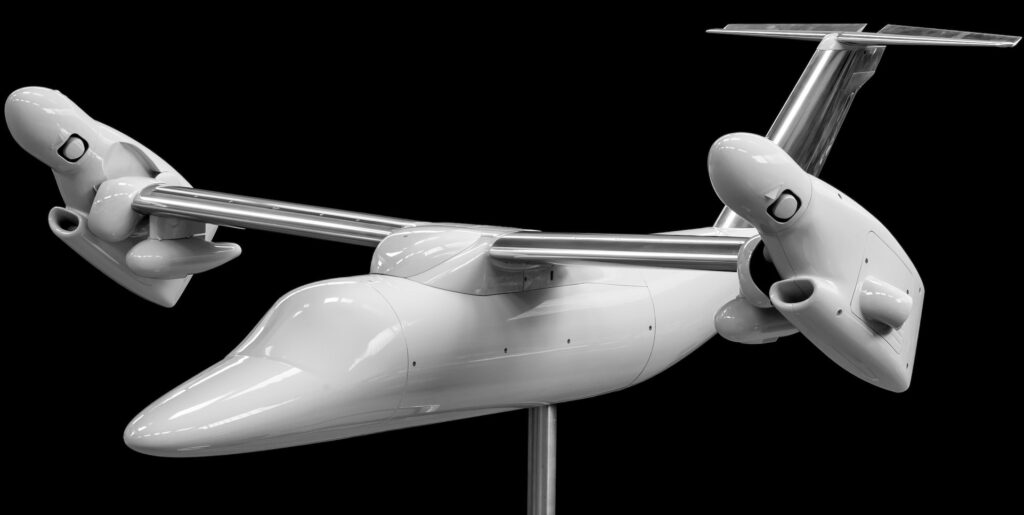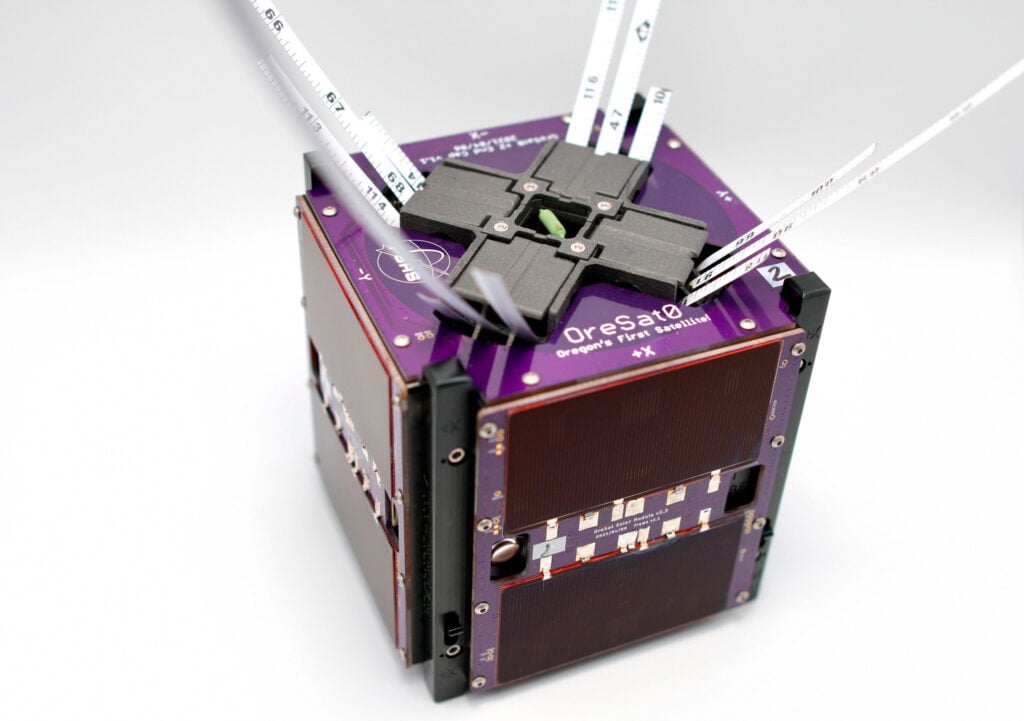
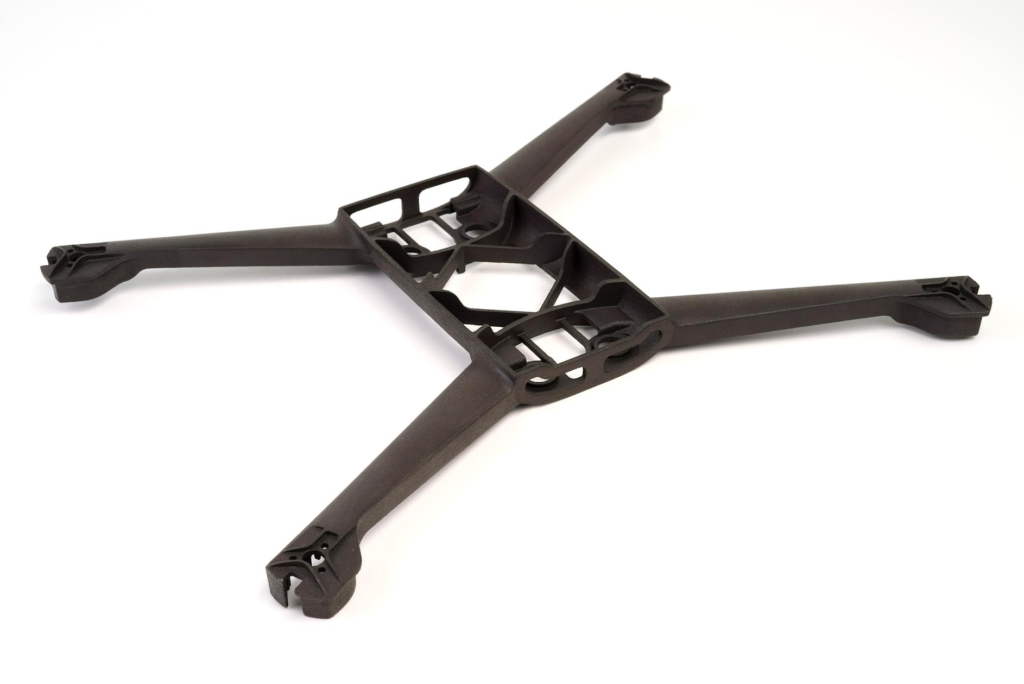
CRP Group and CRP Meccanica will debut their production-validated additive and hybrid manufacturing solutions for the aerospace, defense, and autonomous systems sectors at the upcoming XPONENTIAL Europe 2026 exhibition, 24-26 March, Düsseldorf, Germany.
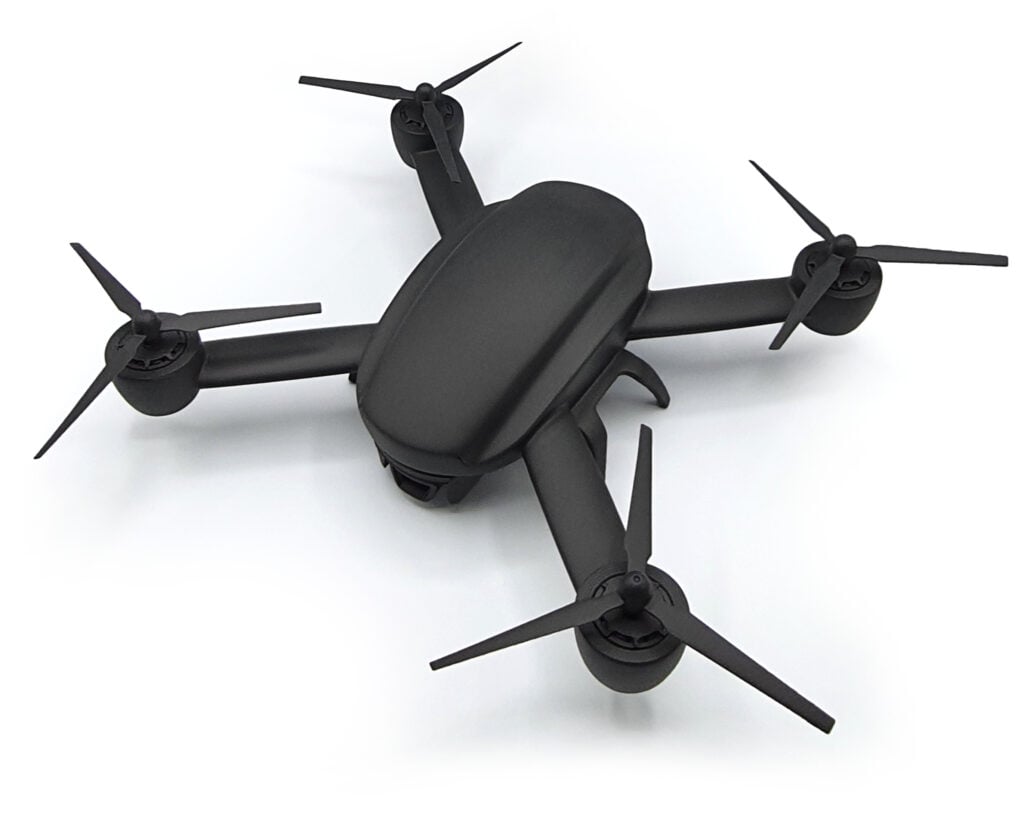
The showcase will focus on components that have transitioned from prototypes to systems currently operating in real-world environments. Among the featured hardware is a drone fuselage manufactured for Hoverfly by CRP USA, which has successfully completed MIL-STD-810H validation testing.
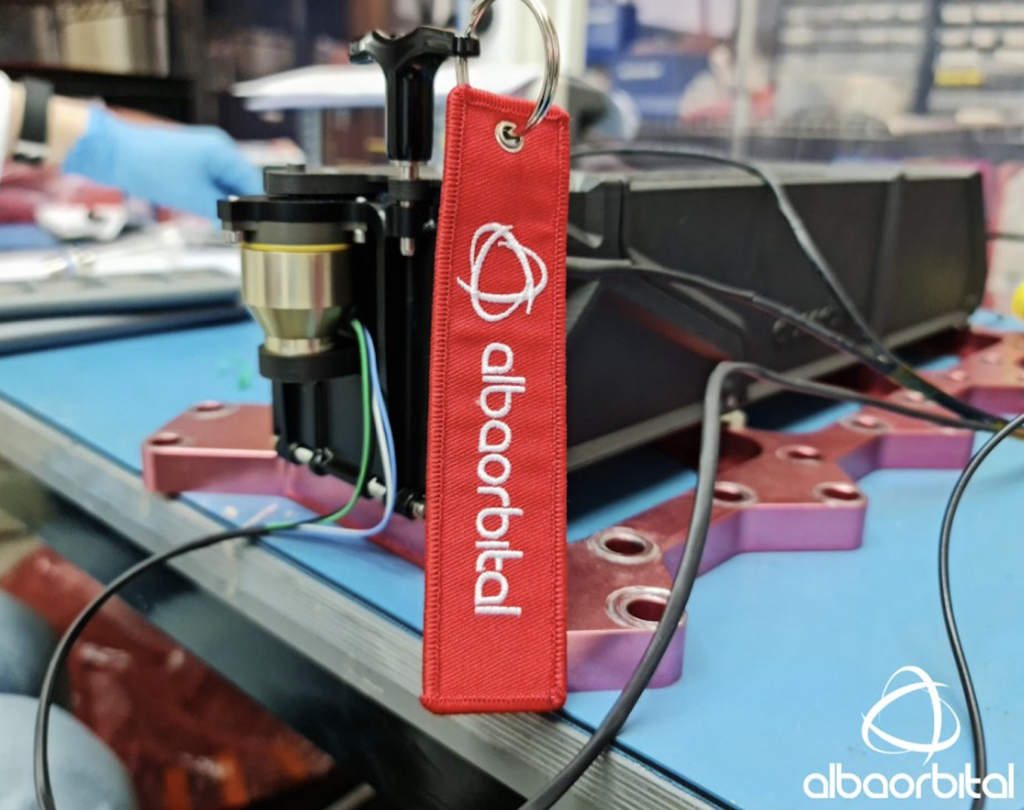
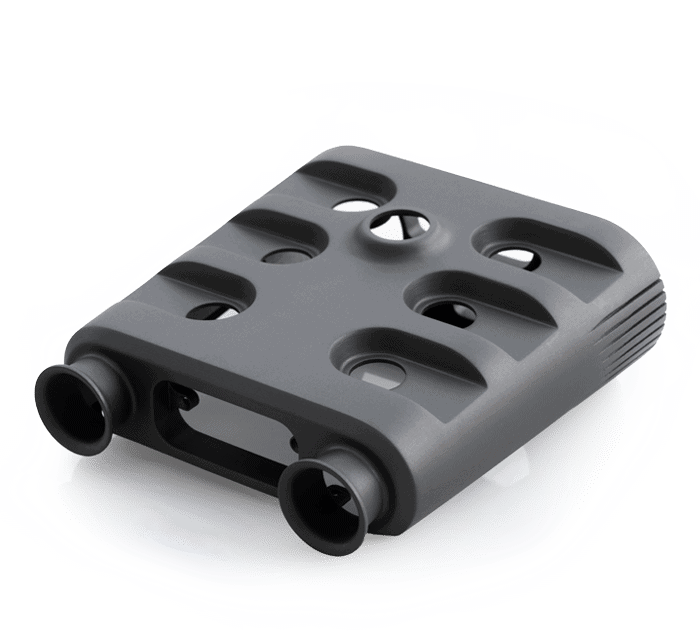
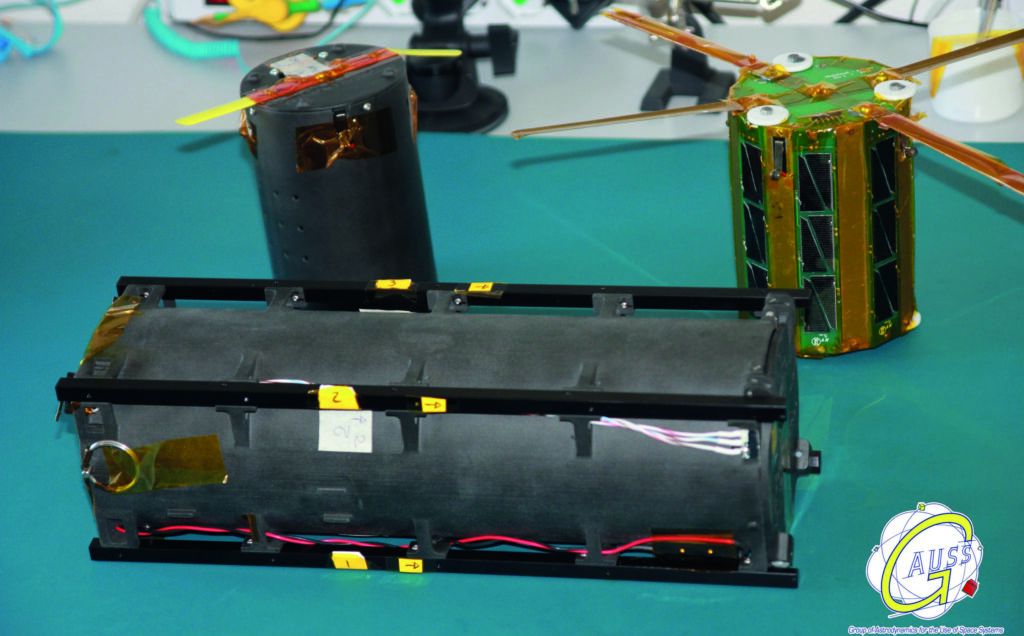
Additionally, the group will display the AlbaPod, a 3D-printed PocketQube satellite deployer created for Alba Orbital that has already flown on 10 space missions and deployed nearly 60 satellites.
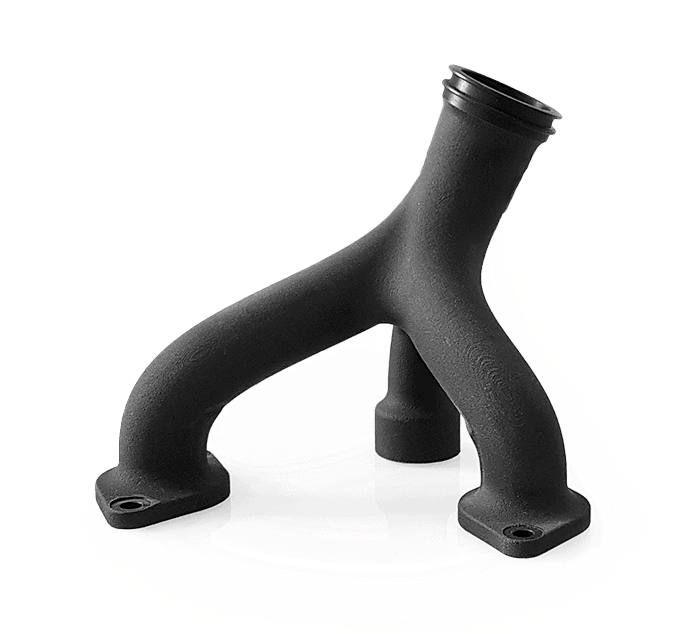
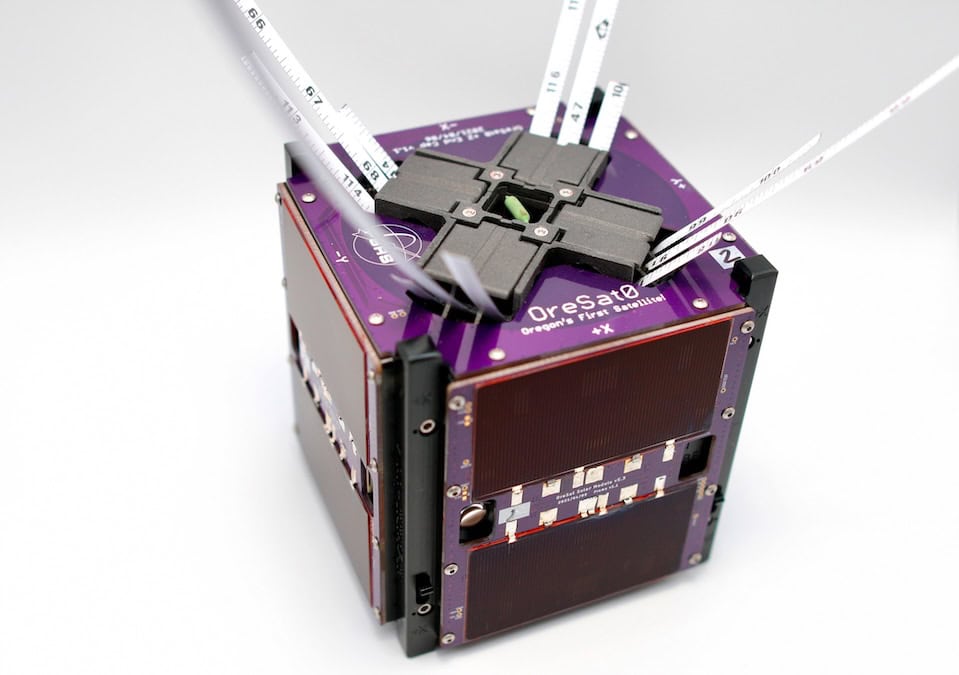
These components utilize Windform composite materials, a specialized family of high-performance thermoplastics developed for Selective Laser Sintering (SLS). These materials are designed for applications requiring structural integrity, thermal stability, and weight optimization in demanding environments.
Franco Cevolini, CEO and CTO of CRP Meccanica and CRP Technology, said, “XPONENTIAL Europe represents an ideal platform to demonstrate how advanced composite materials can transition from prototype to proven deployment in critical applications. The parts we’re exhibiting aren’t concept demonstrations — they are flight-validated systems already operating in aerospace and space environments.”
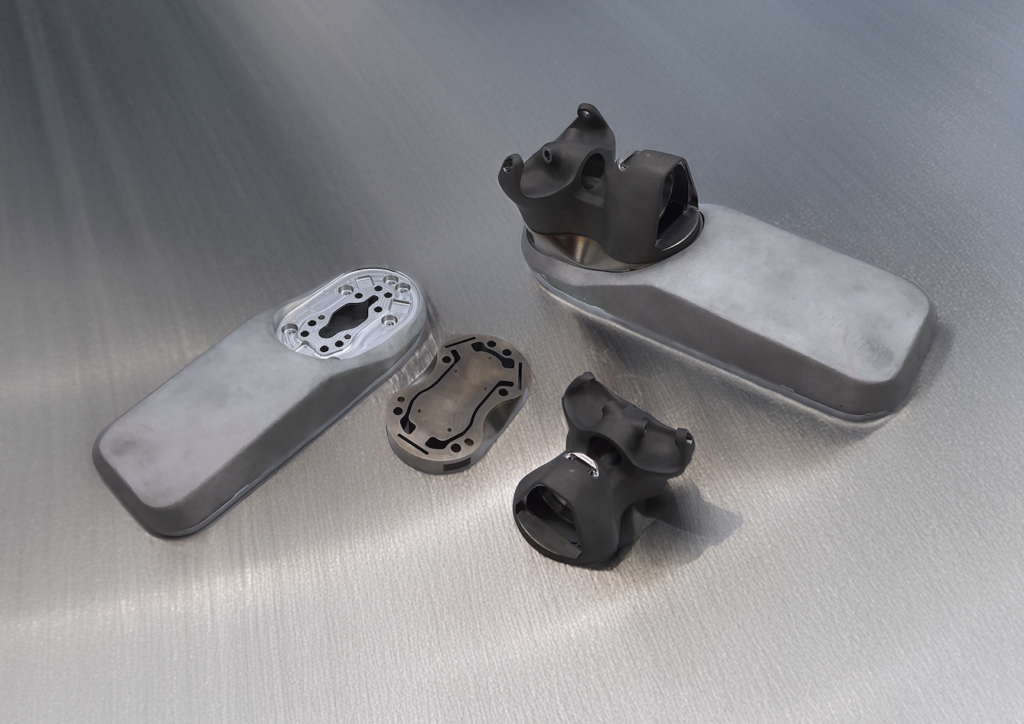
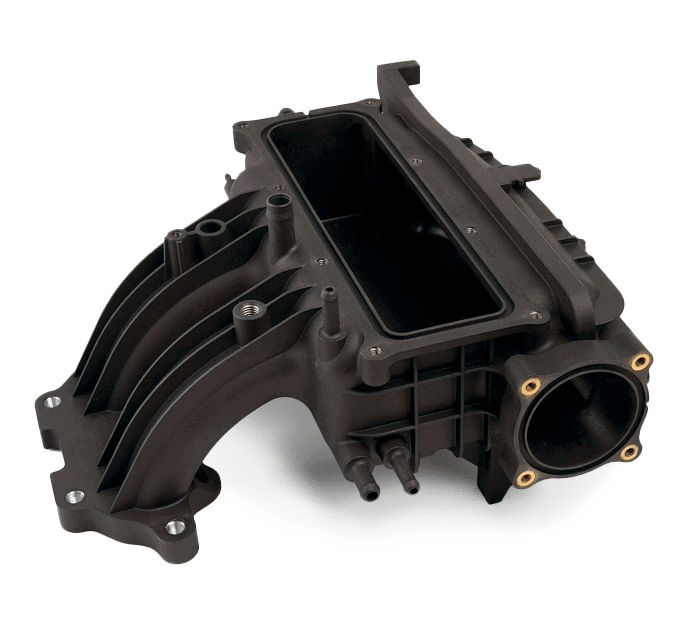
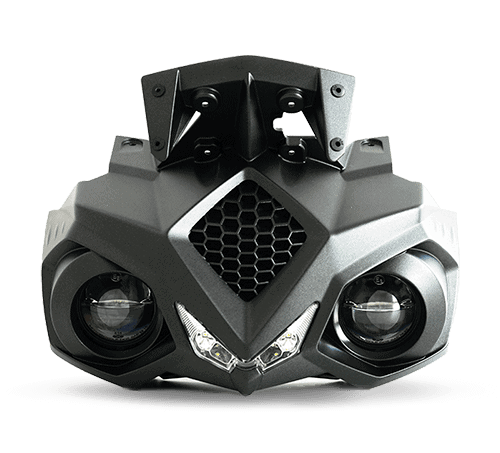
Beyond composite materials, CRP Meccanica will highlight its hybrid manufacturing capabilities. This approach integrates multiple production technologies, including multi-axis CNC machining, metal additive manufacturing via Direct Metal Laser Sintering (DMLS), and Rapid Sand Casting. The process often involves precision CNC post-processing applied to both metal parts and the Windform composite components produced by CRP Technology.
Cevolini added, “These technologies allow us to select the most effective production method for each application. Whether machining from solid for maximum precision, using DMLS for complex geometries, or applying CNC finishing to SLS-printed parts, the goal is always to optimize performance and manufacturability.”
The presentation at XPONENTIAL Europe will also detail CRP Technology’s vapor smoothing process. This surface treatment is used to enhance the functional performance and uniformity of SLS-printed components, specifically where aerodynamic efficiency, sealing surfaces, or mechanical interfaces require precisely controlled characteristics. By combining materials engineering, additive manufacturing, and precision machining, CRP Group aims to provide a single industrial ecosystem for customers moving from design iteration to production-ready components.
Visit CRP Group at XPONENTIAL Europe, Hall 1, Booth E71, to learn more about their products.